 North West
North West
North West

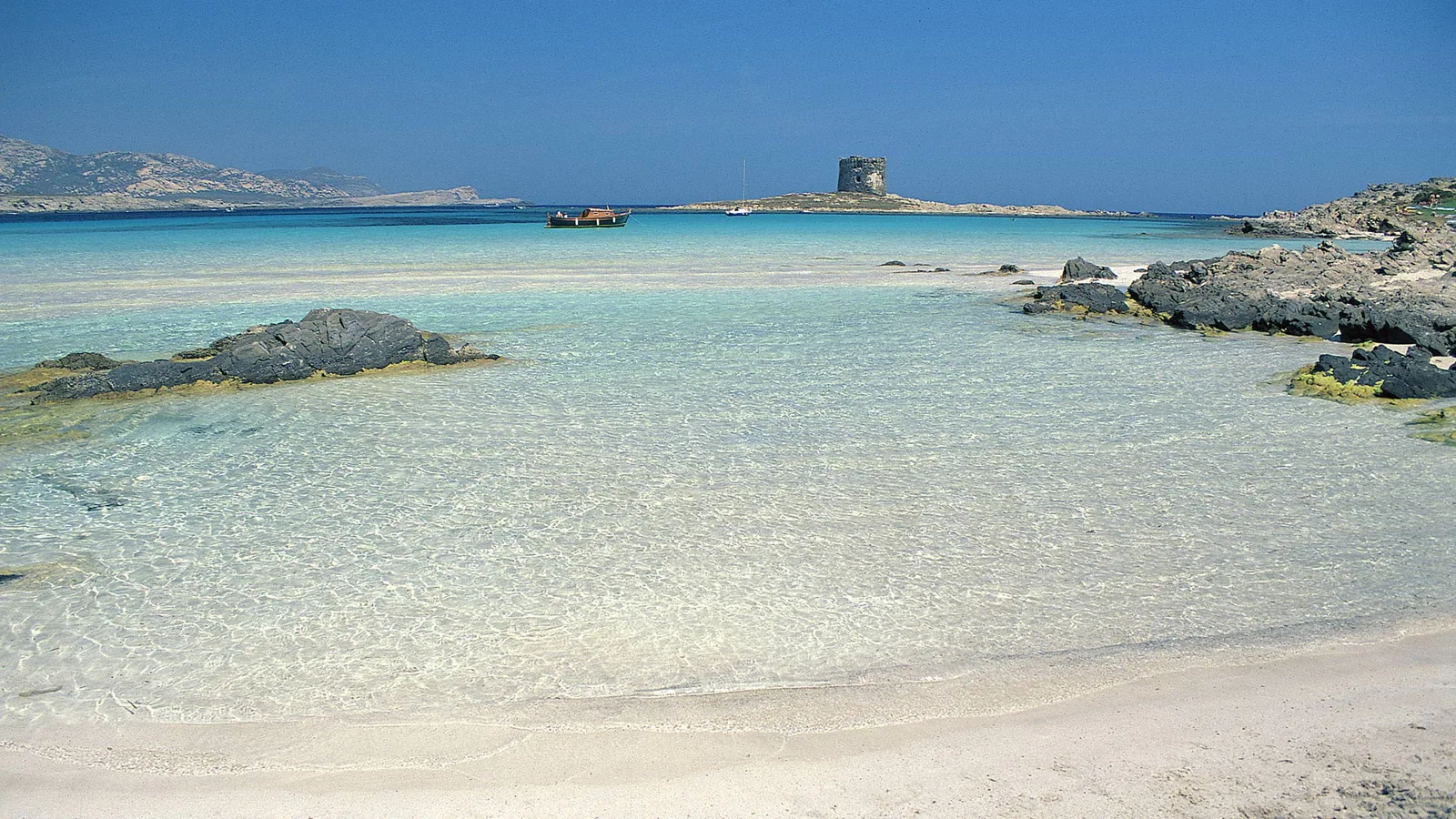
Among bays, dunes and cliffs, find your own corner of Sardinia. Let the photographs guide you and the magazine tell each place’s story.
335 beaches and coves · 43 coastal places · Full guides in Italian on Sardinia Magazine
All of Sardinia
Numbers group nearby places. Select a number to zoom in.
Points mark the places in the guide, not parking areas or access routes.
The map is unavailable. You can still browse the photographs and open the guides from the list.
North West
 North East
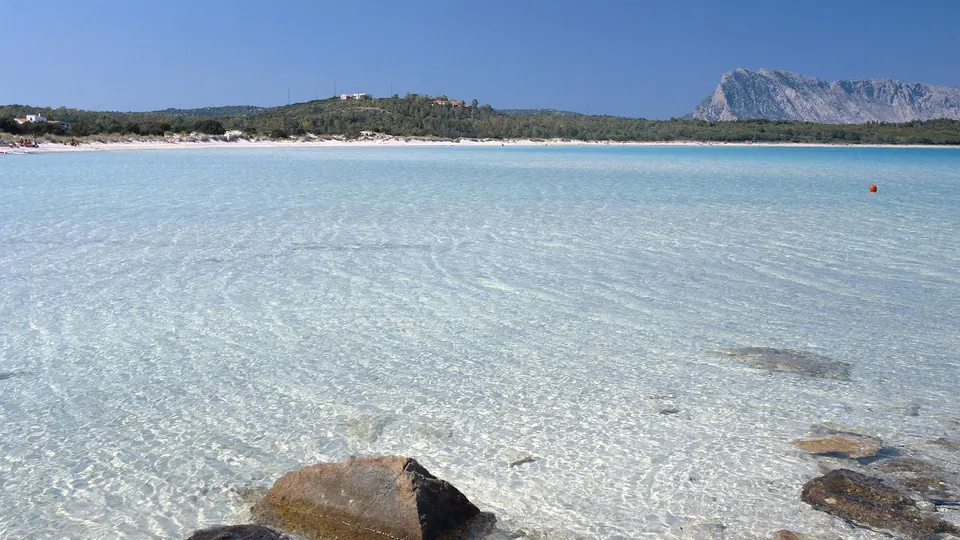
Cala Brandinchi is a beach with fantastic colours.
Read on Sardinia Magazine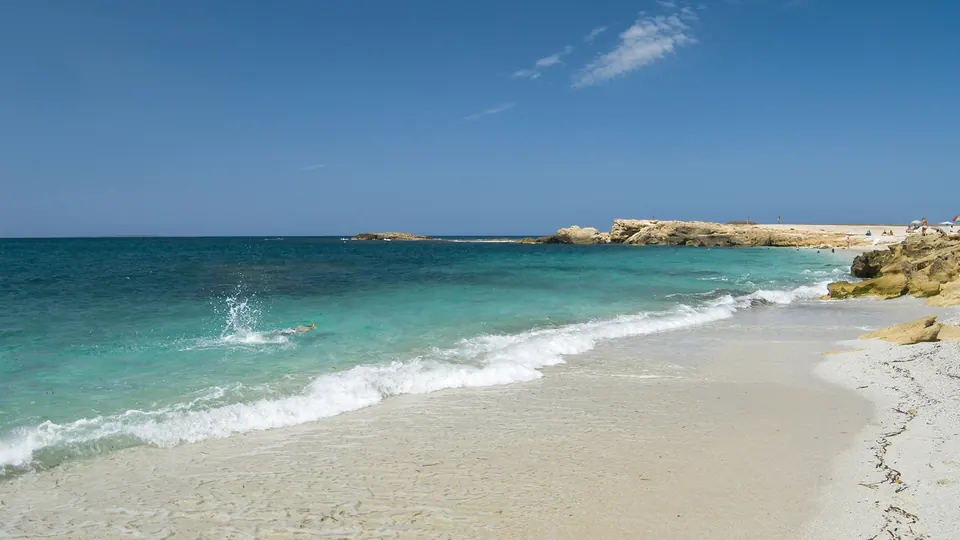 Central West
A 4-km beach, Is Aruttas boasts extremely white grains of quartz, which cannot be taken away and resemble rice grains.
Read on Sardinia Magazine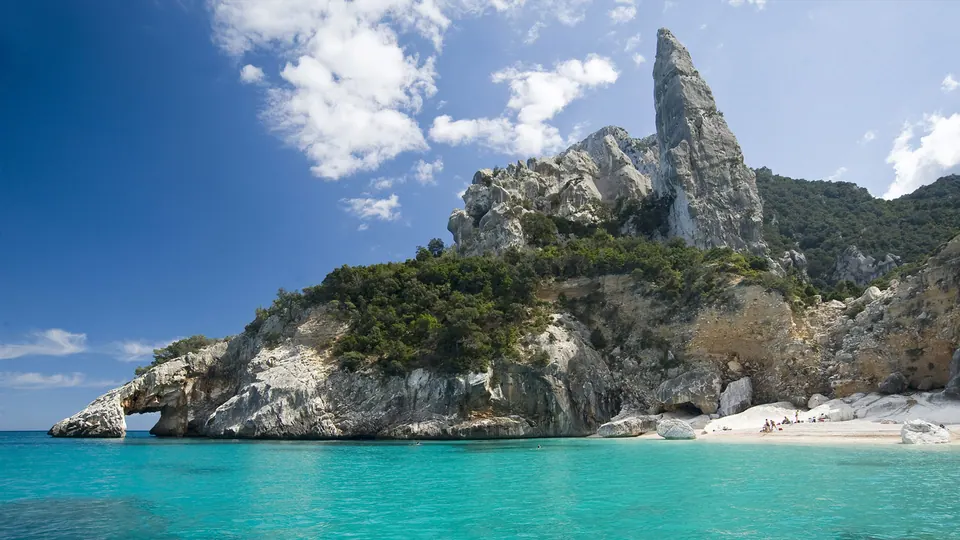 Central East
This is for sure one of the most beautiful beaches of the Mediterranean sea.
Read on Sardinia Magazine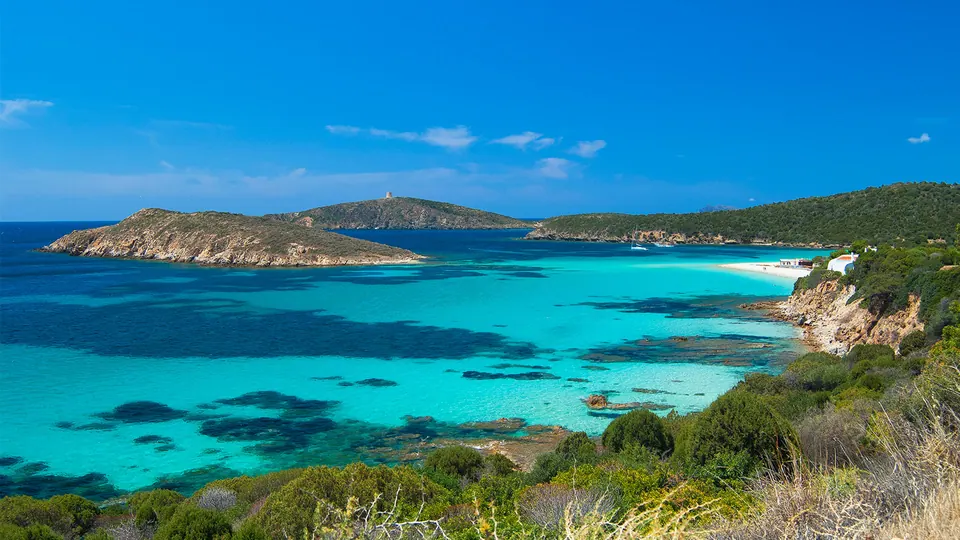 South West
Tuerredda is one of the most spectacular beaches in Sardinia.
Read on Sardinia Magazine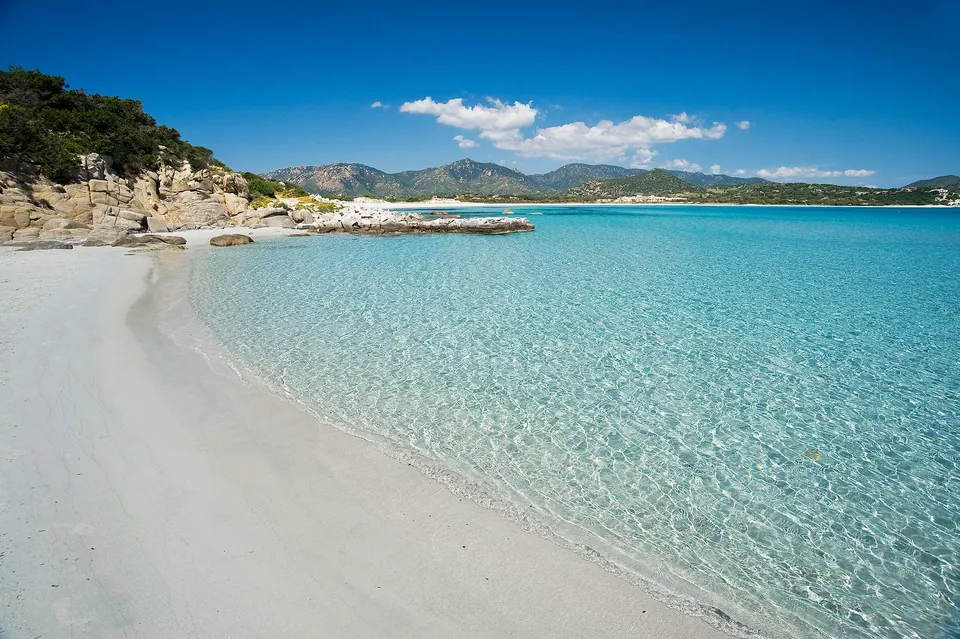 South East
This beach is known as 'The beach of the two seas' because of the big pool of Notteri, which lies behind it.
Read on Sardinia Magazine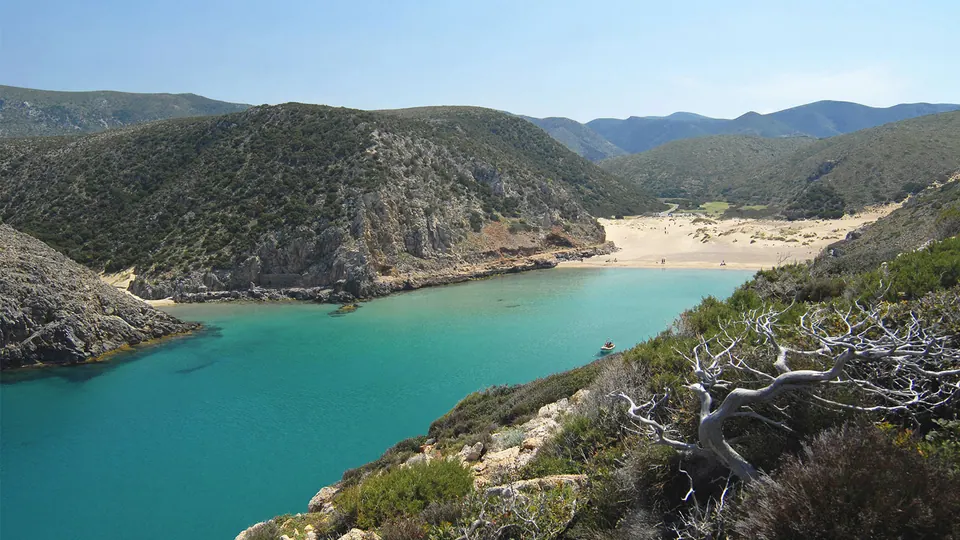 South West
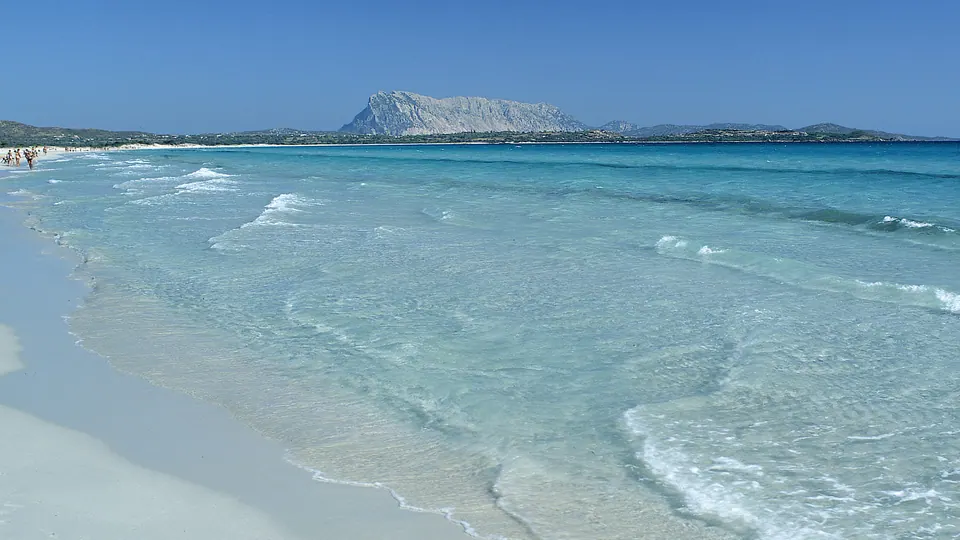 North East
La Cinta is a famous beach, of 4 km long, with very white fine sand.
Read on Sardinia Magazine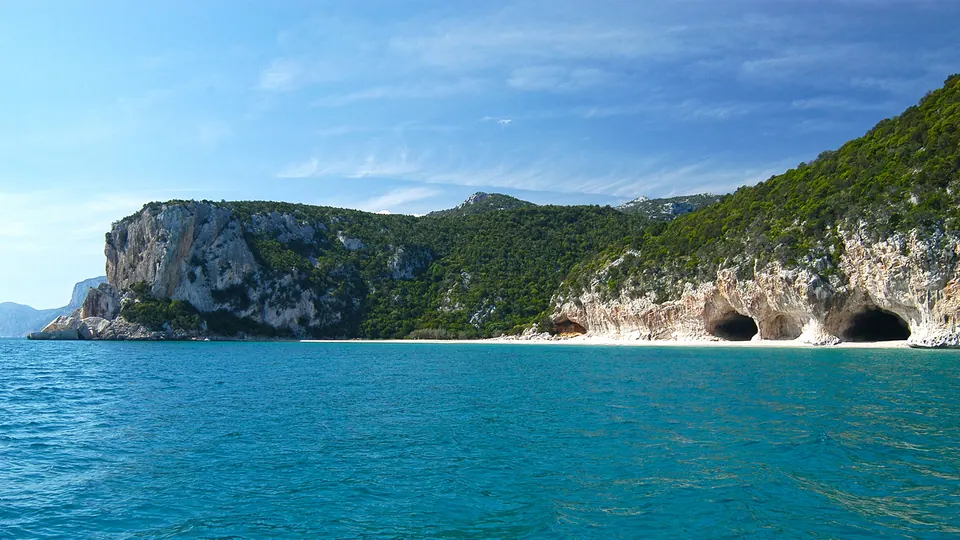 Central East
It is one of the most beautiful and famous beaches of Sardinia.
Read on Sardinia Magazine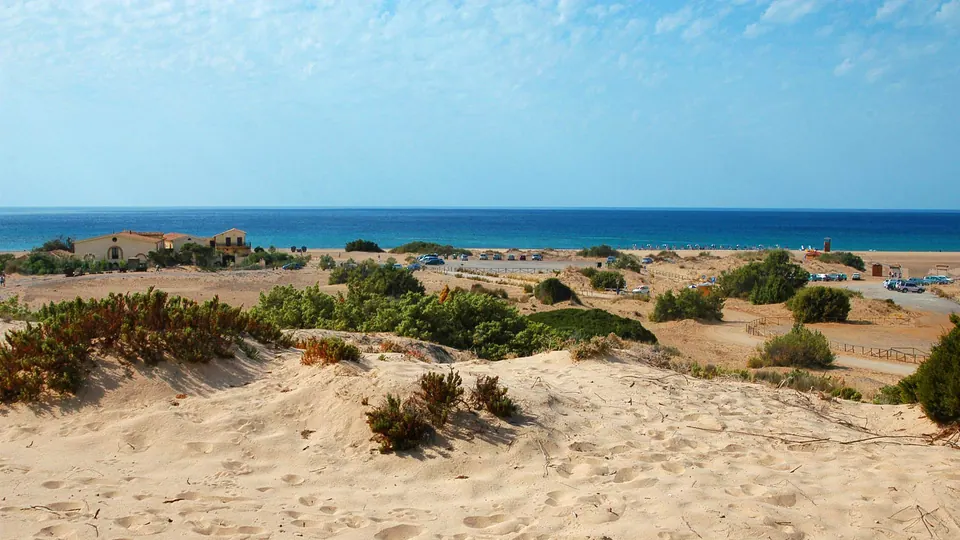 South West
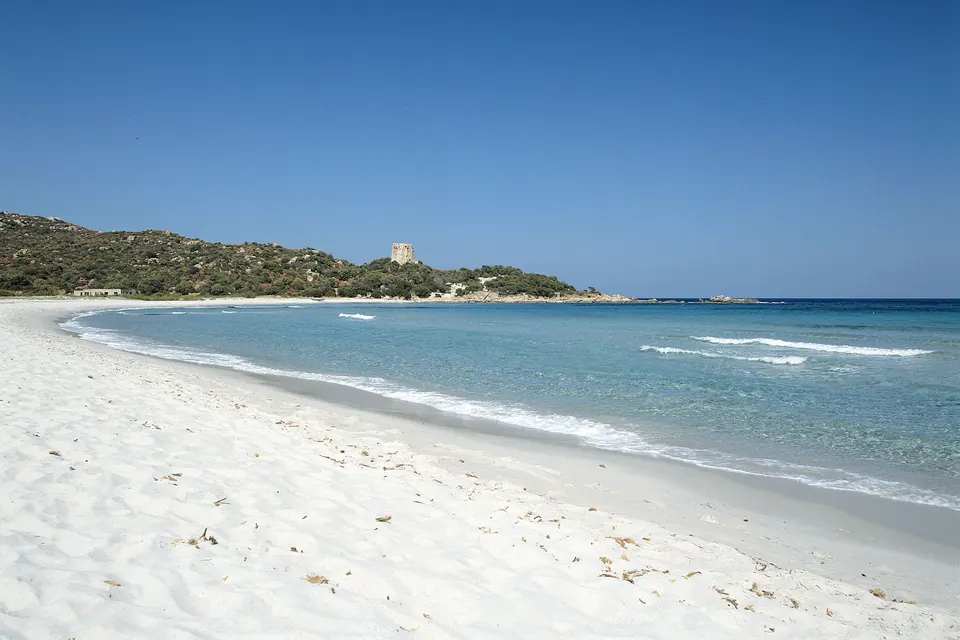 South East
This beach is characterized by fine white and pink sand, and by a crystal clear turquoise sea.
Read on Sardinia Magazine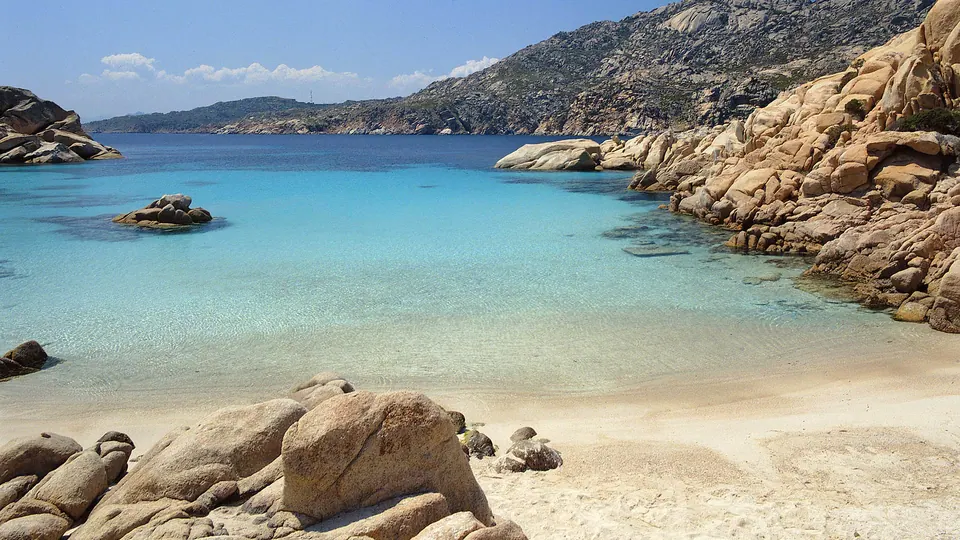 North East
Cala Coticcio is characterized by golden fine sand.
Read on Sardinia Magazine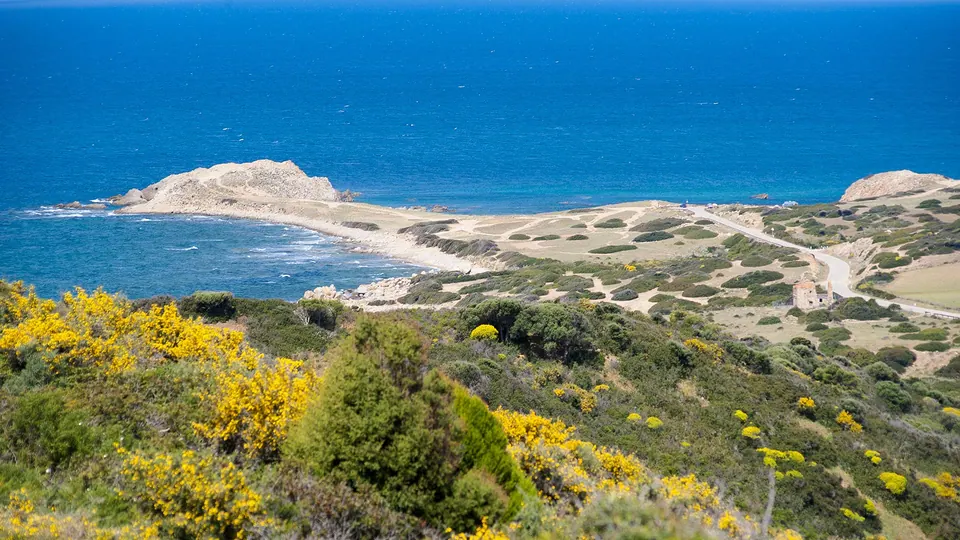 South West
Capo Pecora embraces various small coves made up of big pebbles interspersed with stretches of middle-grained golden sand.
Read on Sardinia Magazine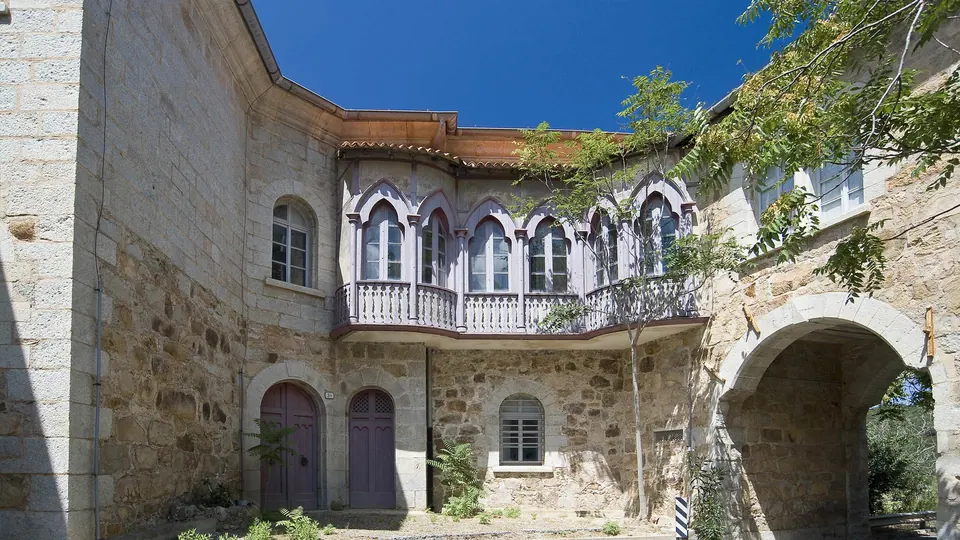 South West
Ingurtosu has been one of the most important mining centre in Sardinia, and dates back to the 1800s.
Read on Sardinia Magazine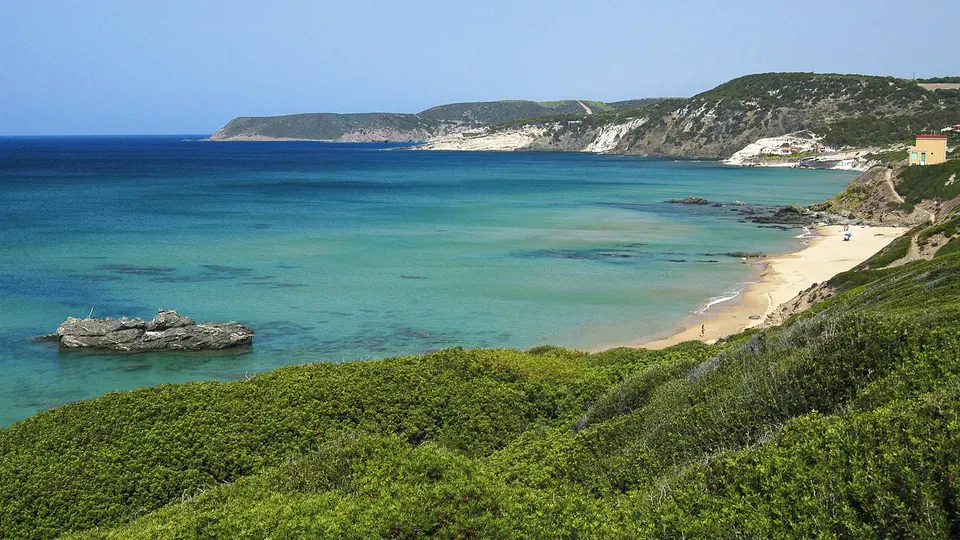 South West
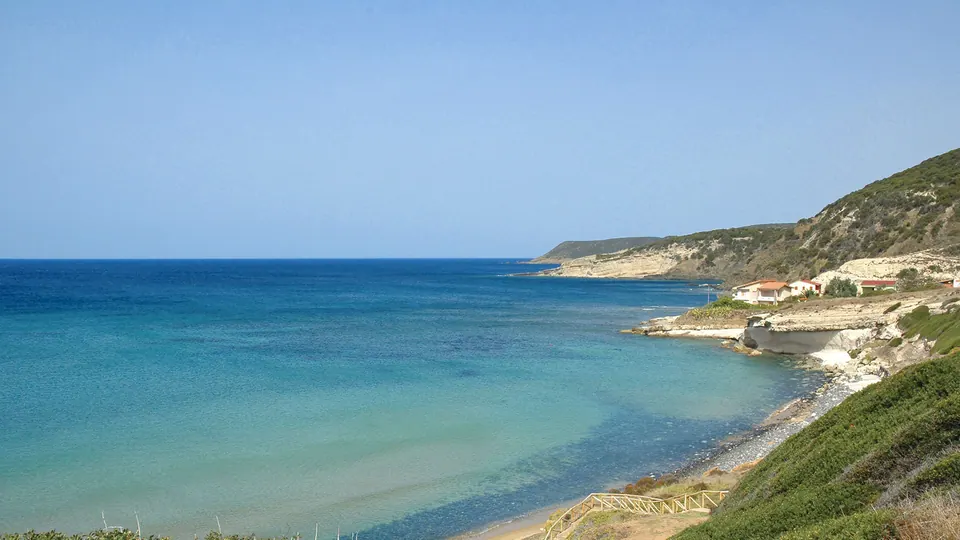 South West
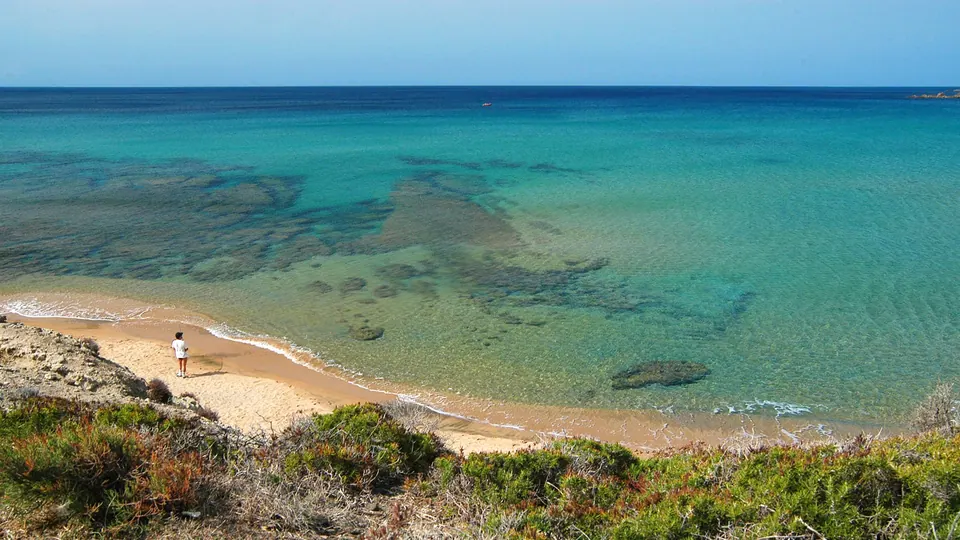 South West
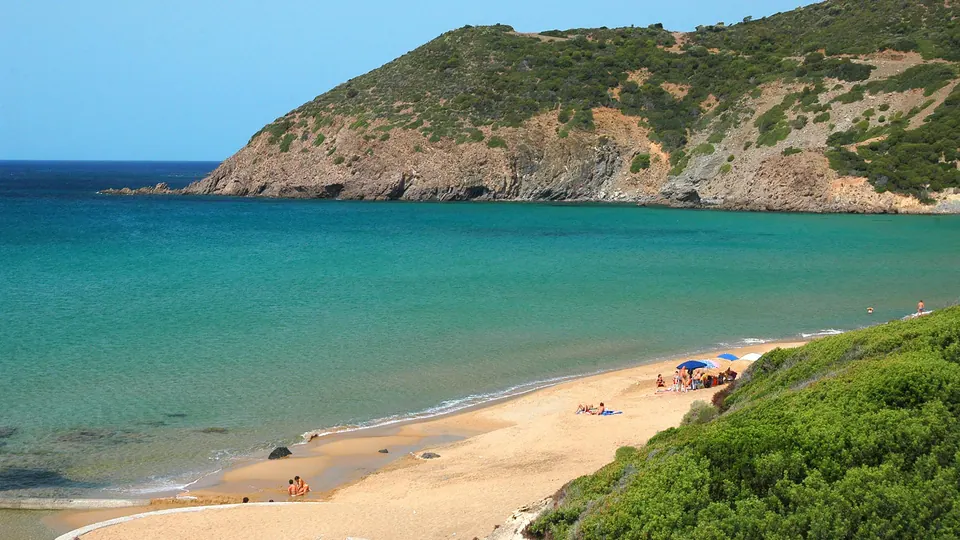 South West
This beach is characterized by fine golden sand and is lapped by crystal clear light blue waters.
Read on Sardinia Magazine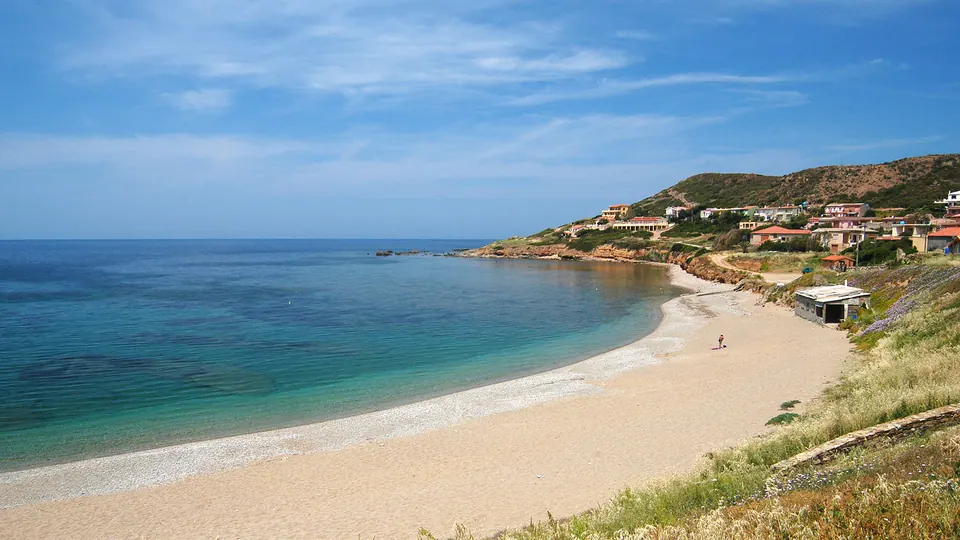 South West
This beach is characterized by grey gravel, and is lapped by a crystalline shallow sea of a light blue colour.
Read on Sardinia Magazine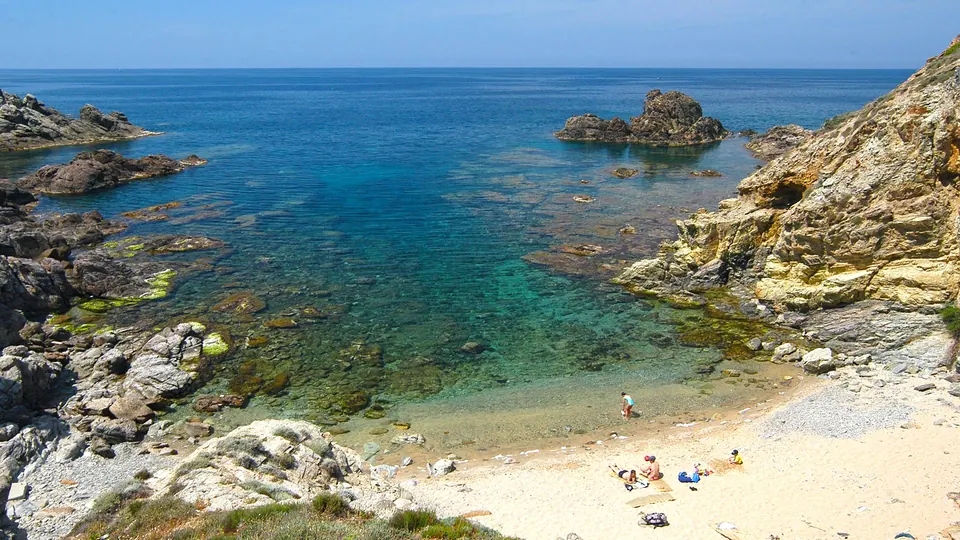 South West
This beach is made up of golden sand and is lapped by crystalline light blue waters.
Read on Sardinia Magazine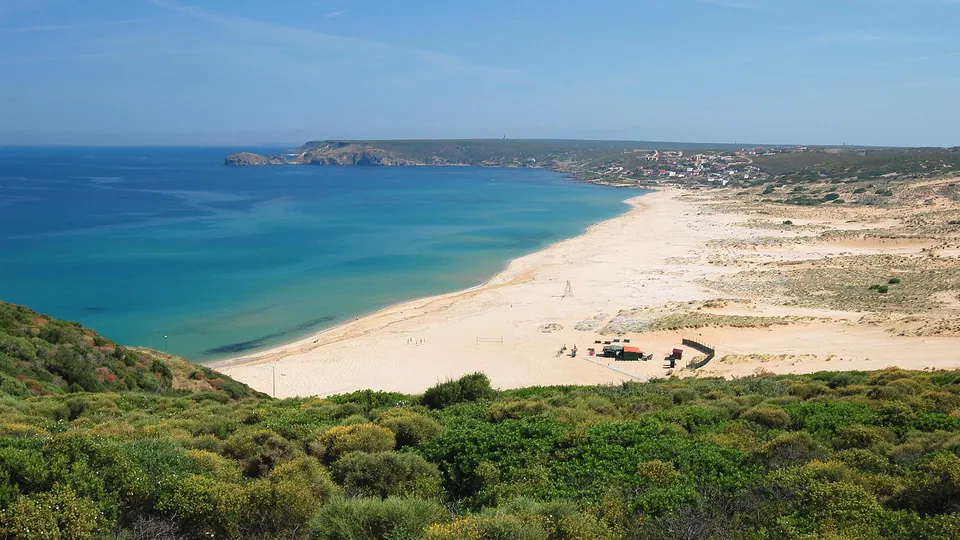 South West
This beach is made up of golden sand, and is lapped by deep crystalline waters, beneath which lies a sandy sea-bottom.
Read on Sardinia Magazine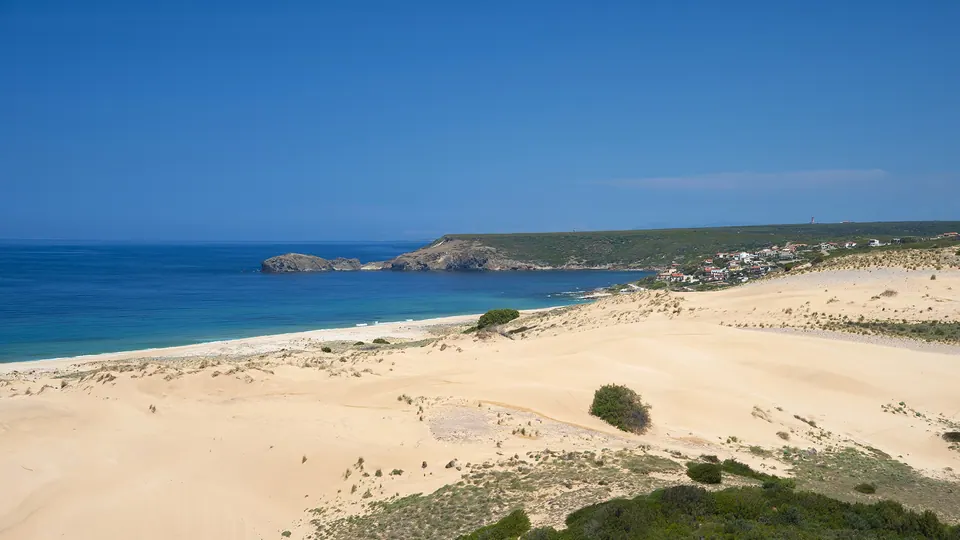 South West
This beach boasts golden sand and a crystalline sea of a light blue colour.
Read on Sardinia Magazine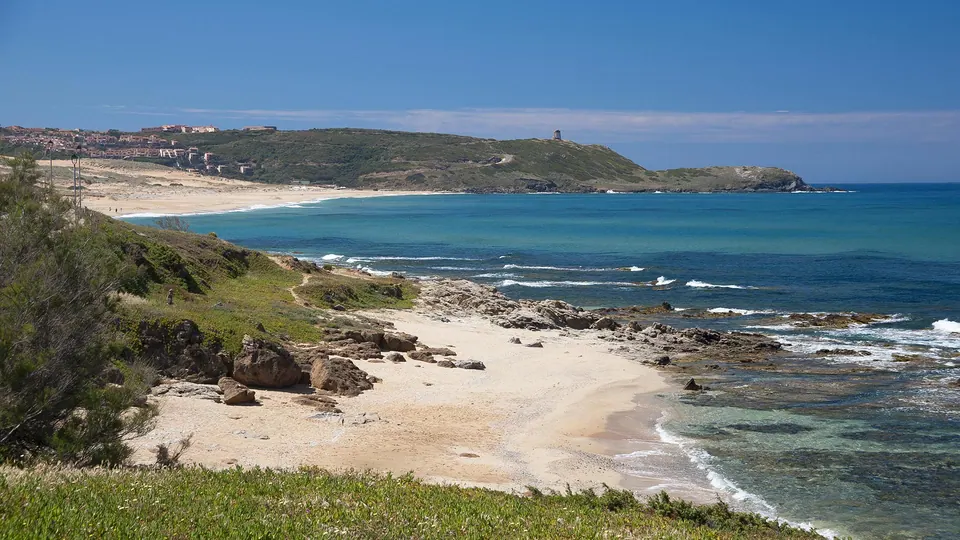 South West
The stretch of coast that extends from Pistis to the promontory of Punta de S'Aschivoni, a little further north, is punctuated by small sandy coves set in a sheer jagged cliff.
Read on Sardinia Magazine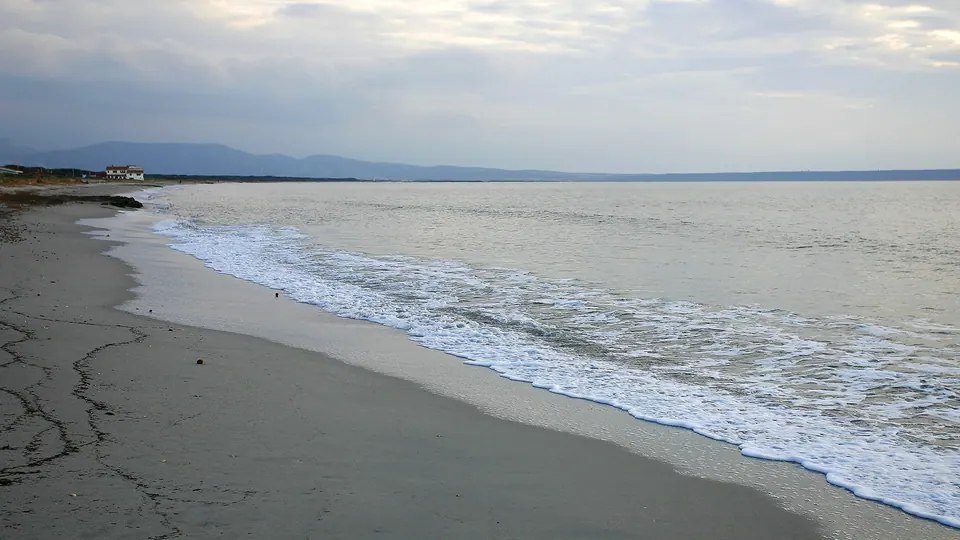 Central West
Marina di Arborea is 5 km long, and is made up of fine, white and grey sand.
Read on Sardinia Magazine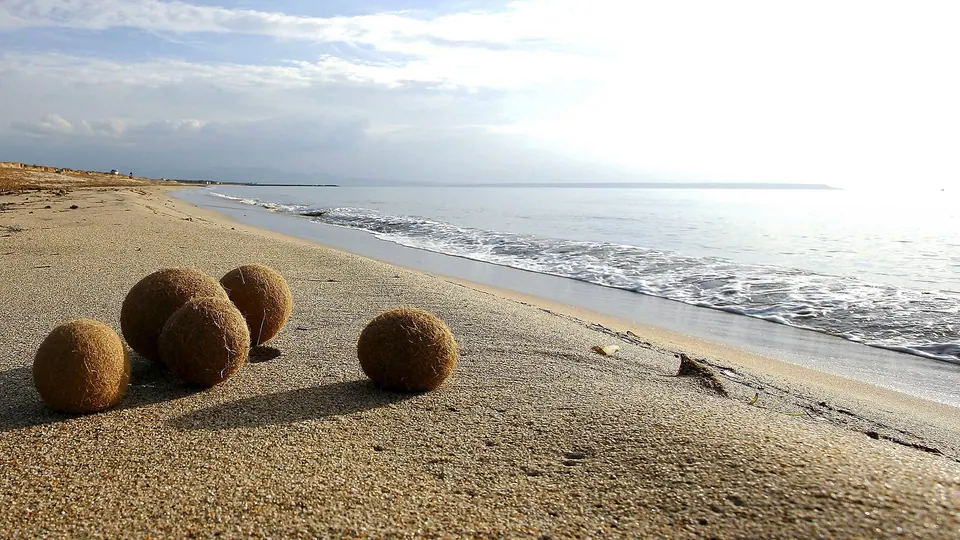 Central West
This beach is about 2 km long and has fine, white and grey sand.
Read on Sardinia Magazine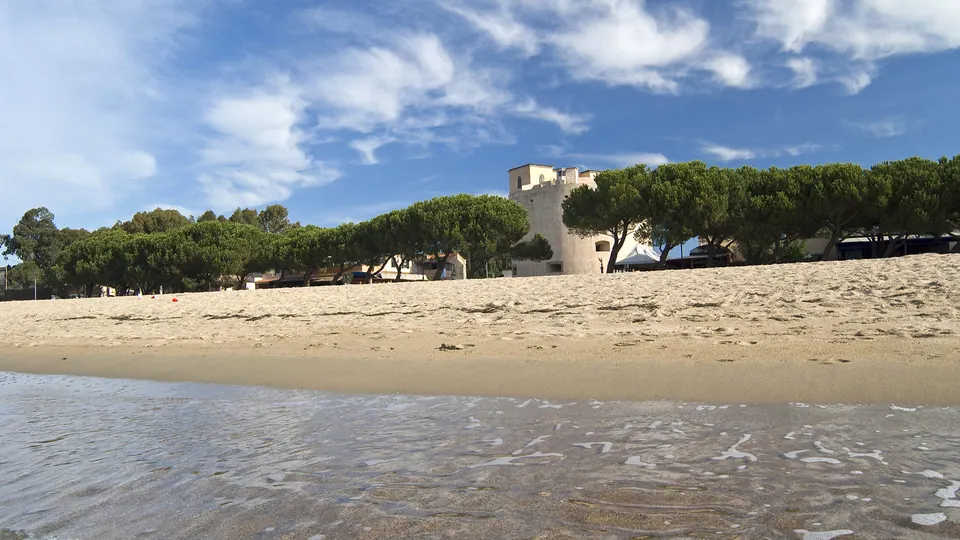 Central West
The beach of Torre Grande is about 2.5 km long, and has middle-grained white sand.
Read on Sardinia Magazine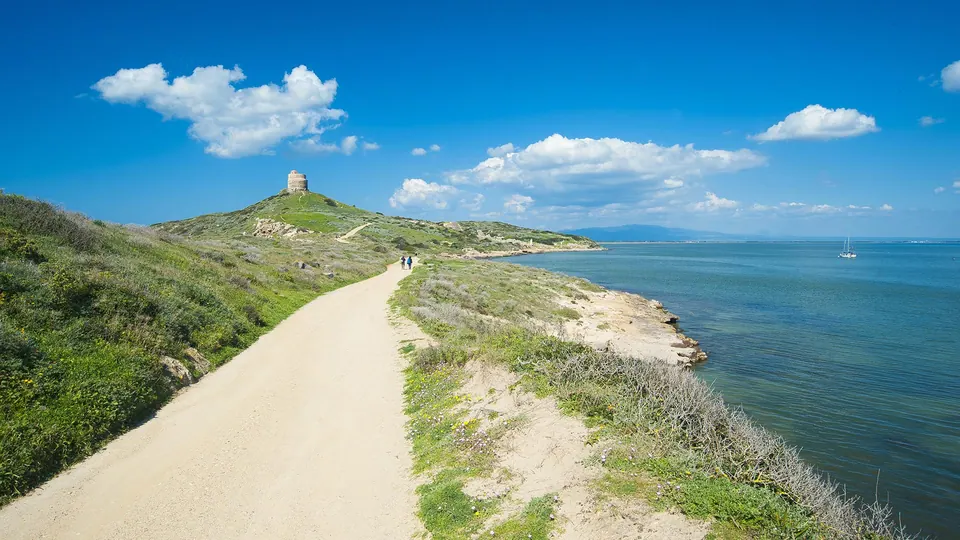 Central West
 Central West
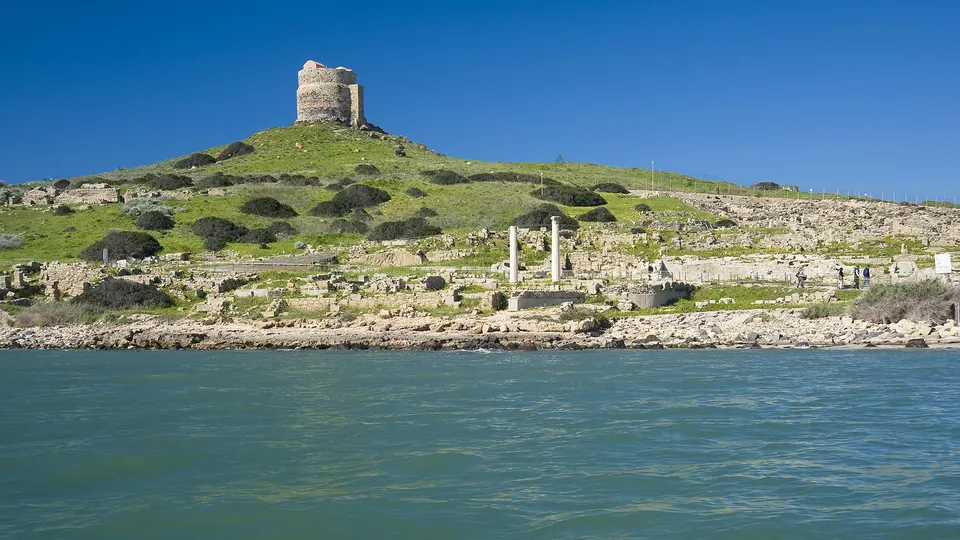
Tharros is located in the Sinis peninsula which ends at Capo San Marco and forms the northern extremity of the Gulf of Oristano.
Read on Sardinia Magazine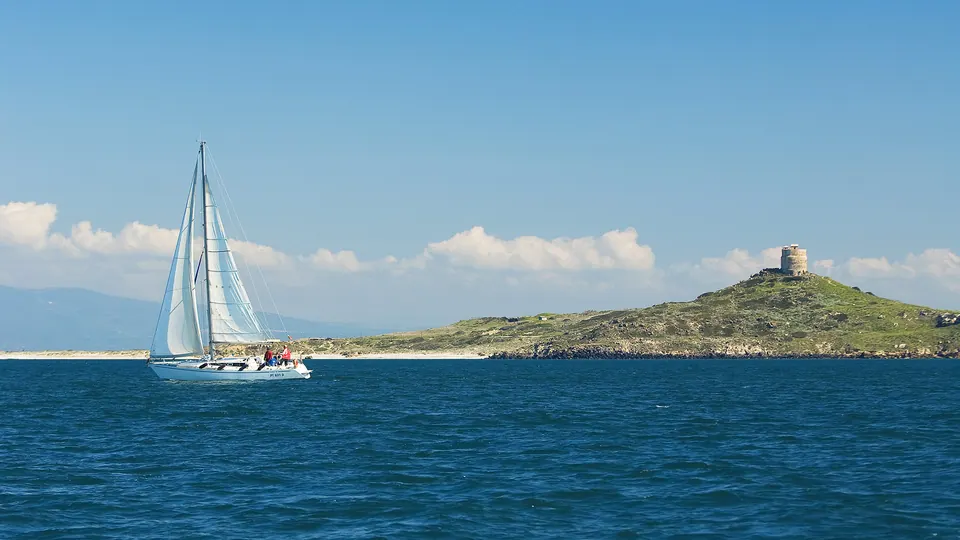 Central West
The Spanish tower of San Giovanni Sinis dominates the entire peninsula of Capo San Marco and the archaeological site of Tharros.
Read on Sardinia Magazine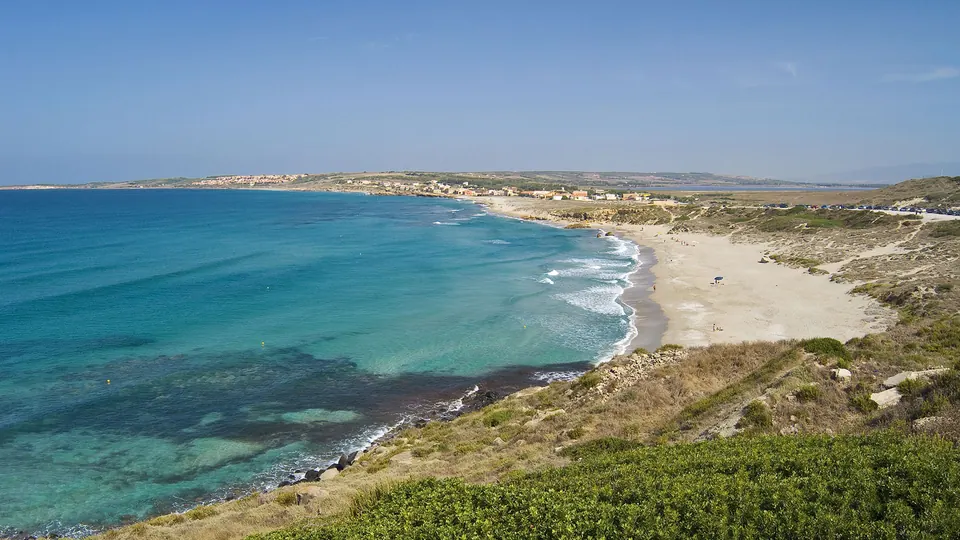 Central West
This beach is characterized by stretches of fine grey sand which alternate with rocky ones.
Read on Sardinia Magazine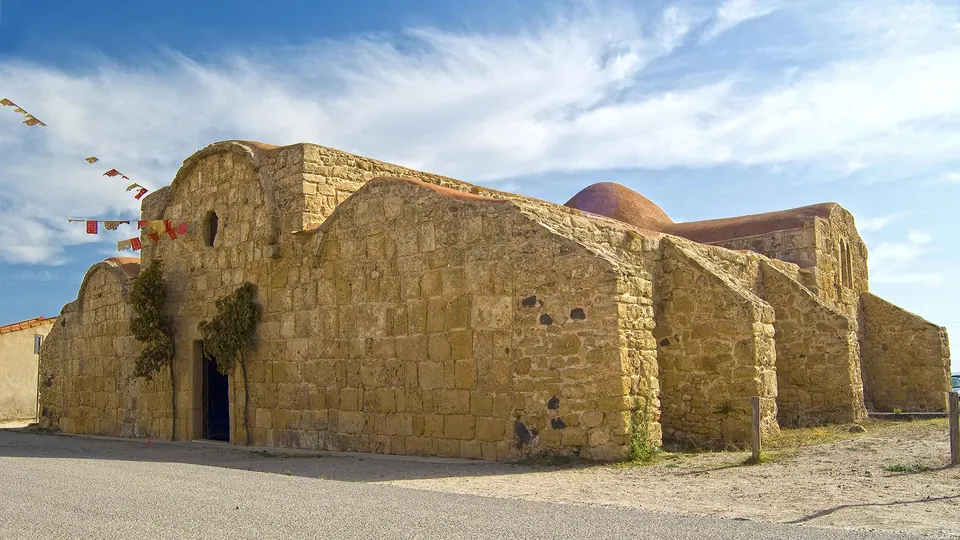 Central West
The church of San Giovanni Sinis stands in the outskirts of the town that bears the same name.
Read on Sardinia Magazine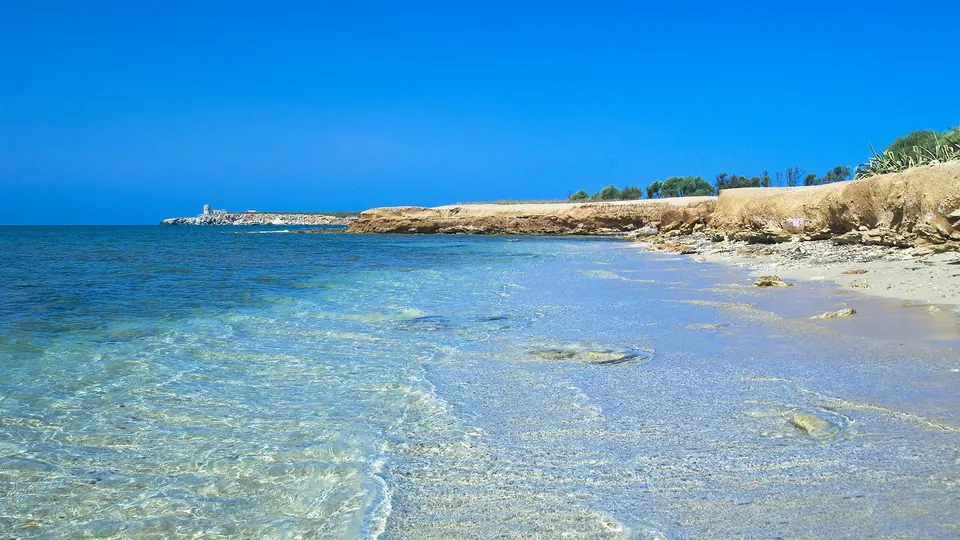 Central West
This beach is made up of fine, grey and white sand, and is lapped by a deep and crystalline sea of colours ranging from green to light blue.
Read on Sardinia Magazine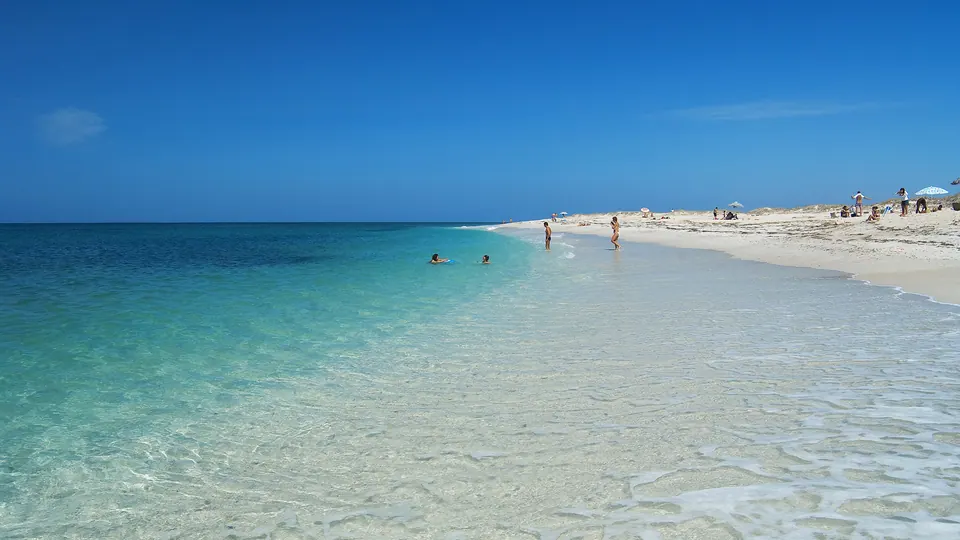 Central West
Maimoni is a beach characterized by very white sand and grains of white quartz.
Read on Sardinia Magazine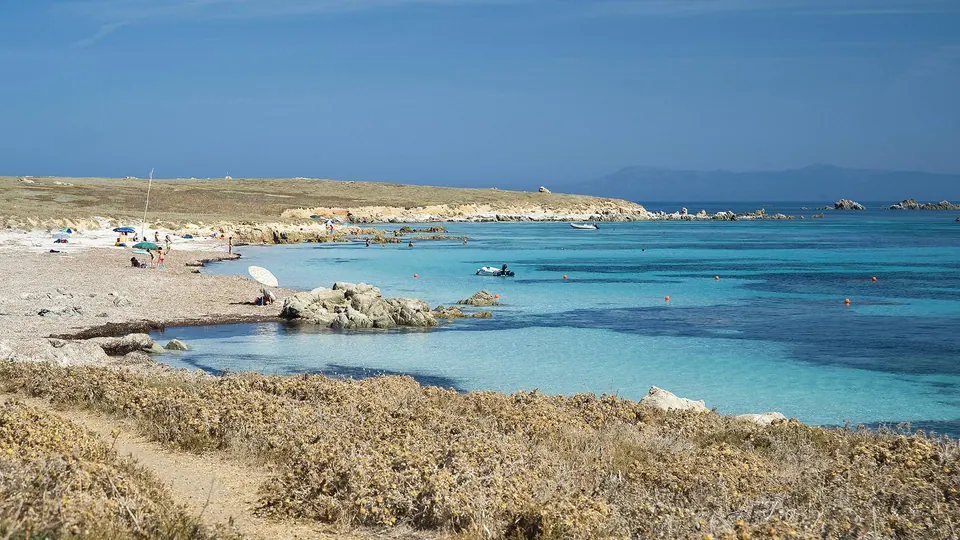 Central West
The island of Mal di Ventre is uninhabitated, and is located to the south-west of the promontory of Capo Mannu.
Read on Sardinia Magazine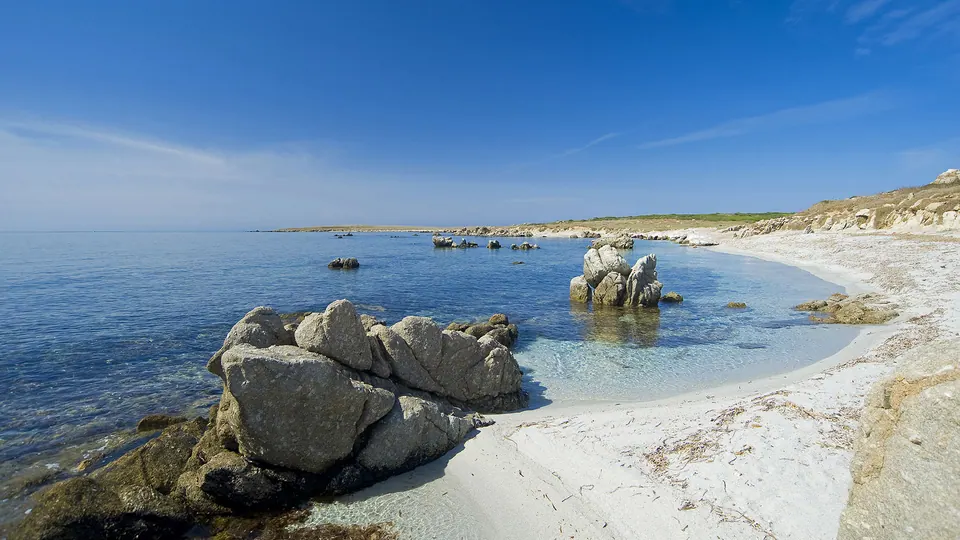 Central West
This beach is made up of fine white sand and is lapped by a light blue sea.
Read on Sardinia Magazine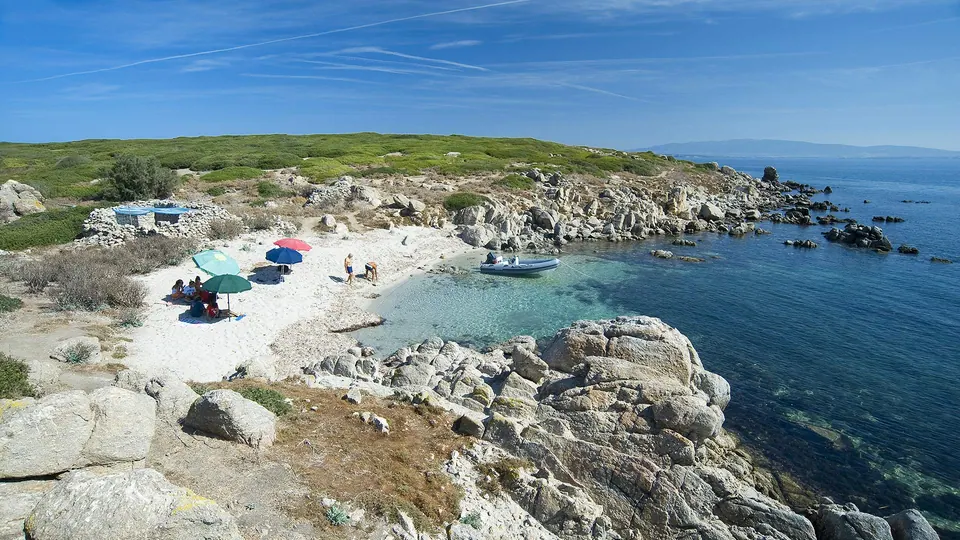 Central West
It is a very small sheltered cove made up of white sand mixed with rocks.
Read on Sardinia Magazine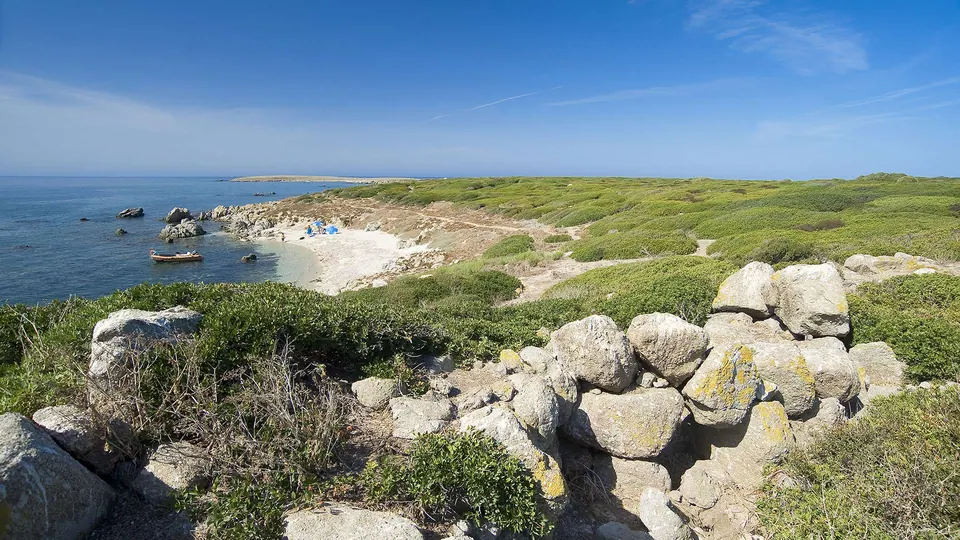 Central West
This small beach is made up of fine, white sand and scattered rocks.
Read on Sardinia Magazine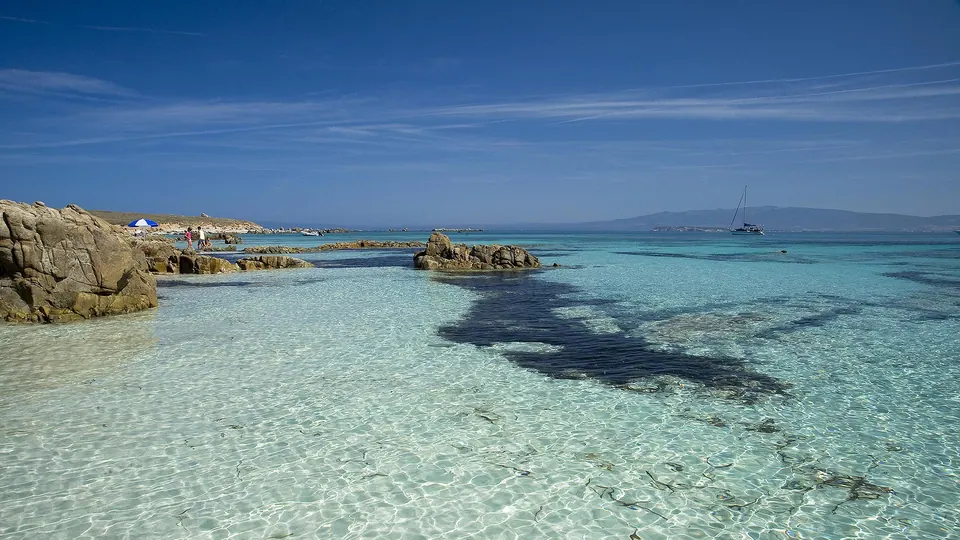 Central West
This is one of the largest beaches of the island.
Read on Sardinia Magazine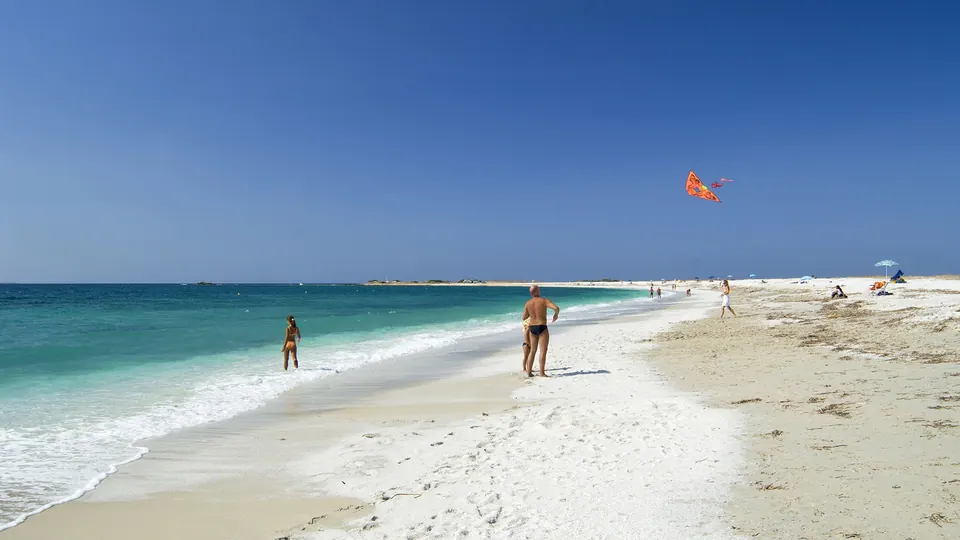 Central West
This large beach is made up of extremely white grains of quartz resembling rice grains.
Read on Sardinia Magazine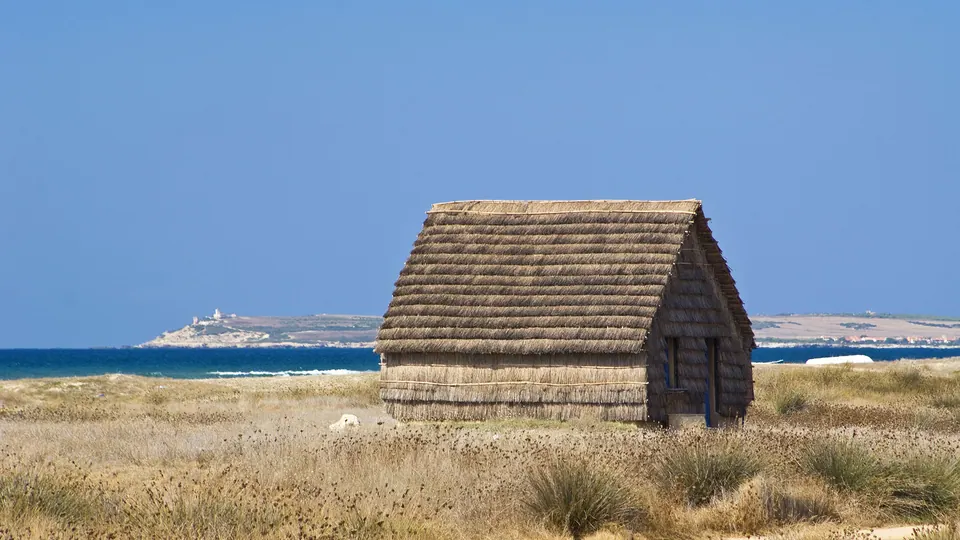 Central West
Porto Suedda is a small harbour for small fishing and pleasure boats, located at the northern extremity of the beach of Mari Ermi.
Read on Sardinia Magazine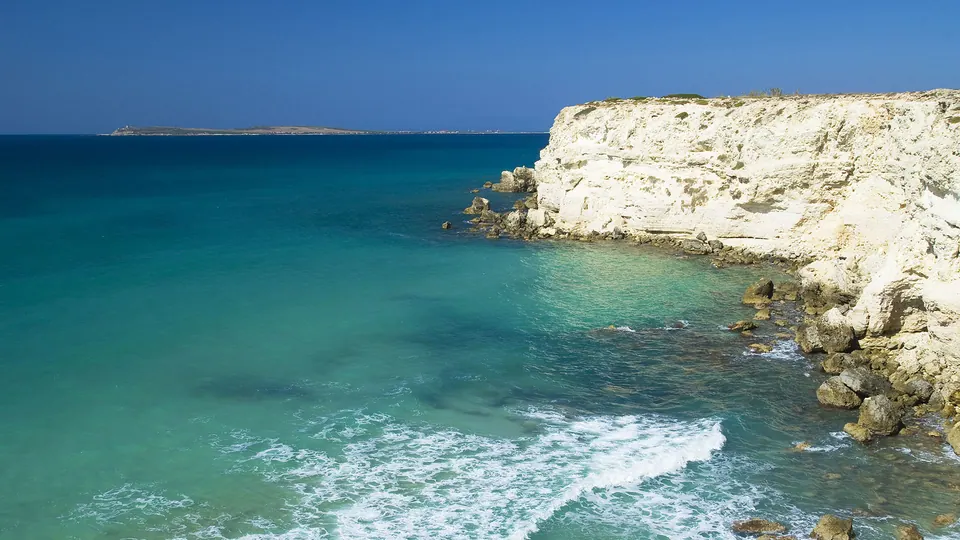 Central West
Su Tingiosu is the stretch of coastline located north of Porto Suedda, where a sandy area gives soon way to about 5 km of cliffs, rising up to 20 metres.
Read on Sardinia Magazine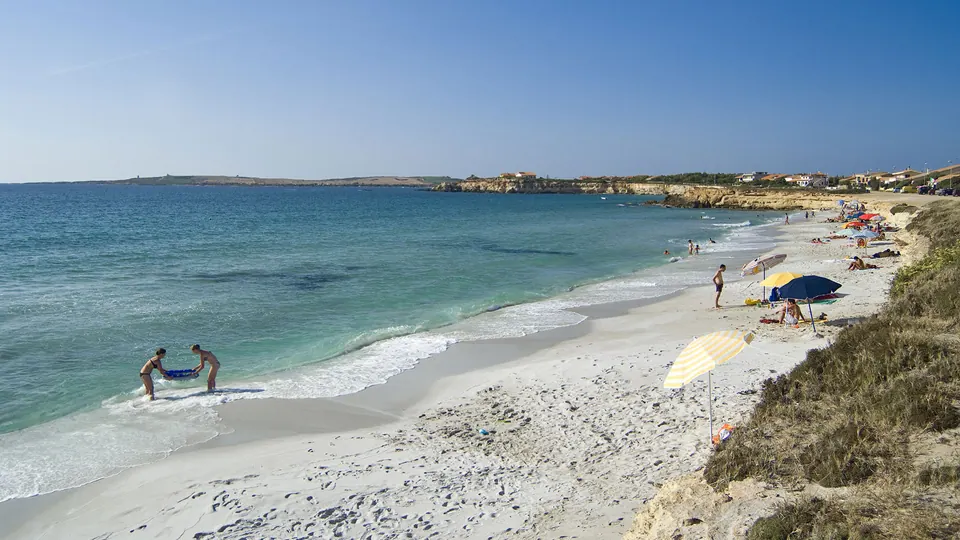 Central West
This stretch of coastline is characterized by small sandy coves alternating with stretches of limestone rocks.
Read on Sardinia Magazine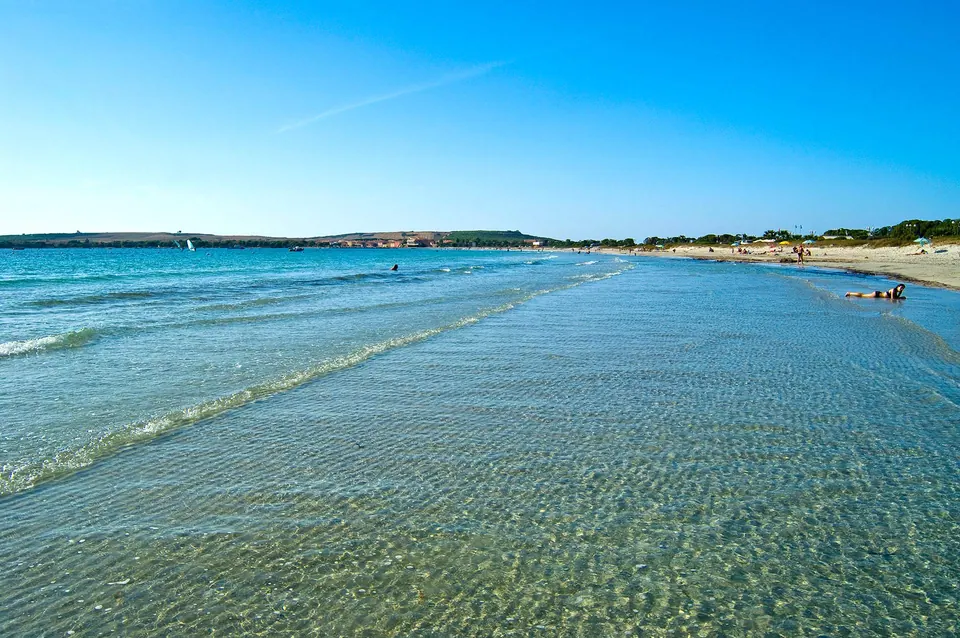 Central West
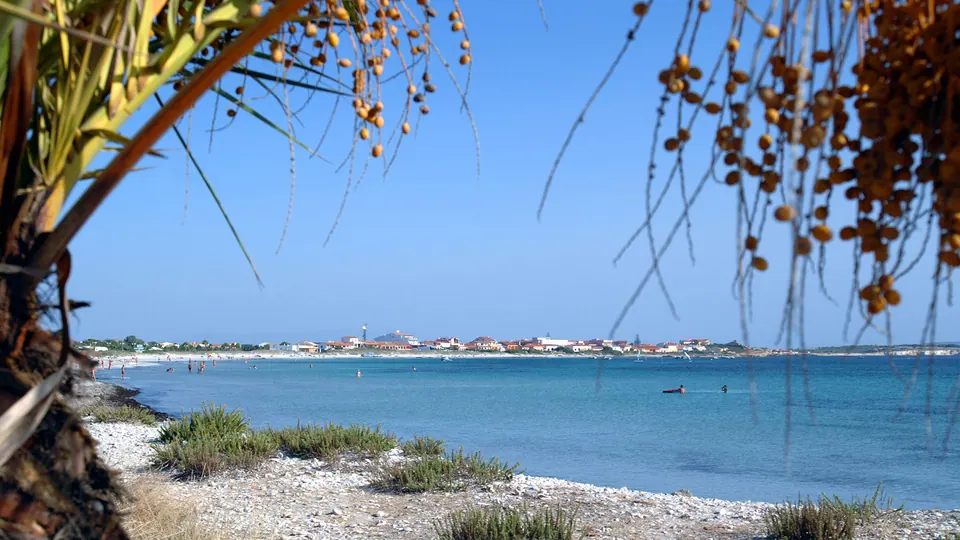 Central West
The beach of Mandriola is the continuation of the beach of Putzu Idu.
Read on Sardinia Magazine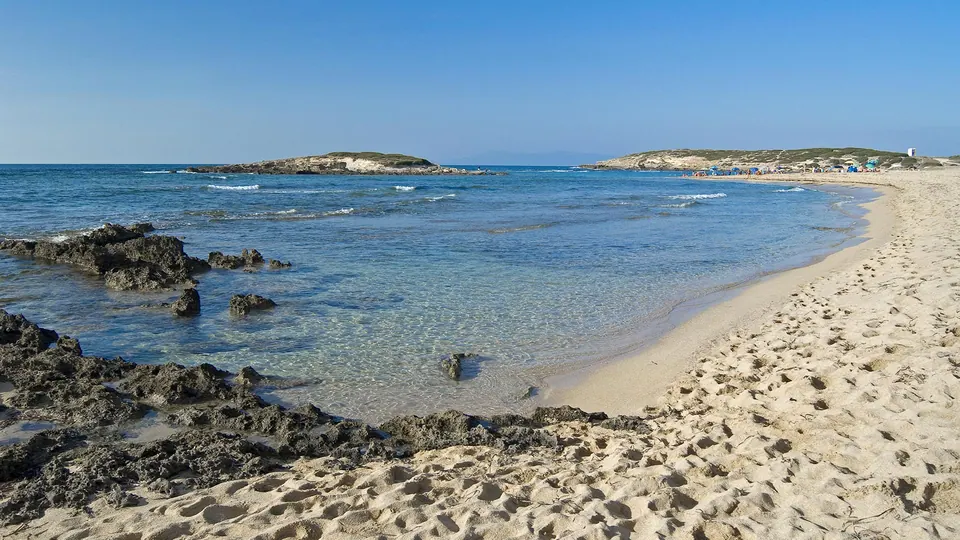 Central West
This beach is characterized by fine, golden sand and a crystalline light blue sea.
Read on Sardinia Magazine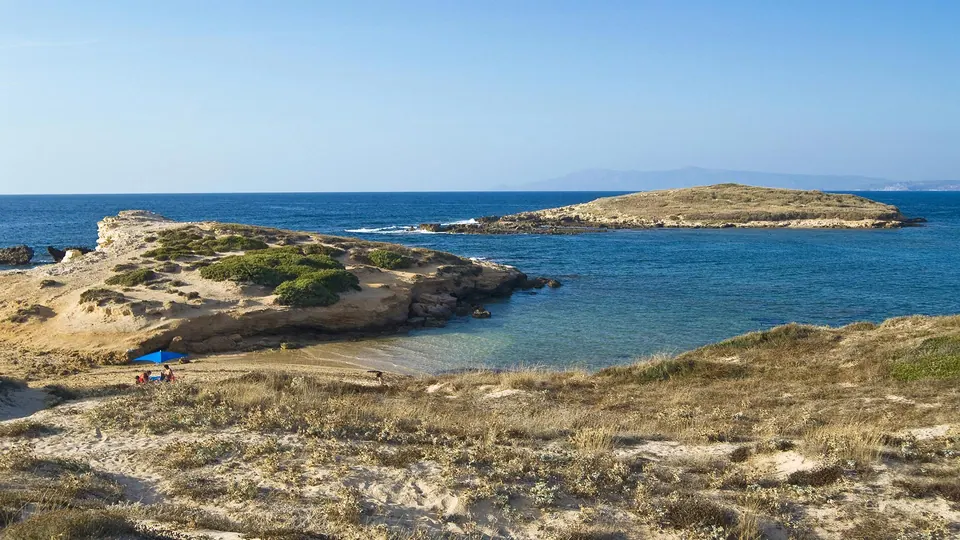 Central West
The beach of Su Pallosu is characterized by fine golden sand.
Read on Sardinia Magazine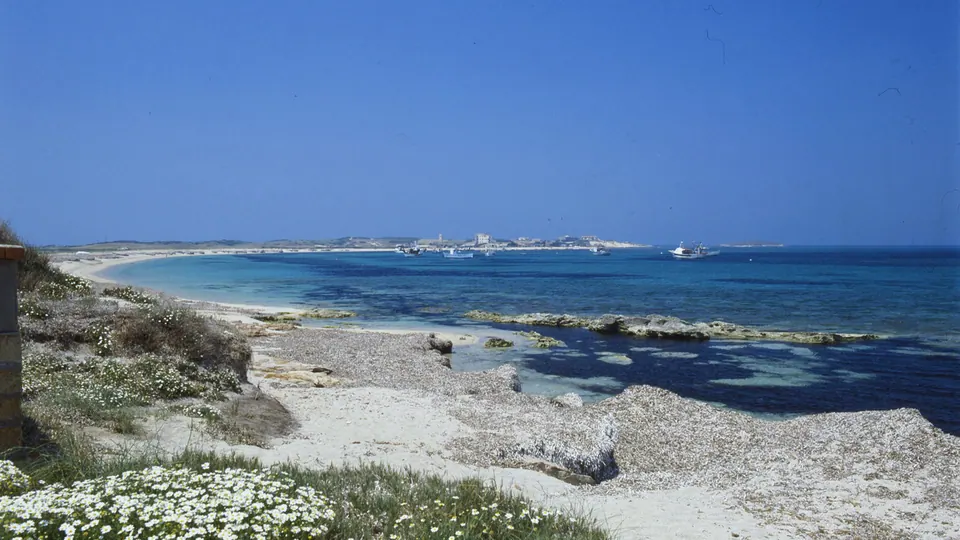 Central West
This beach is characterized by fine, white and grey sand, and is lapped by crystalline light blue waters.
Read on Sardinia Magazine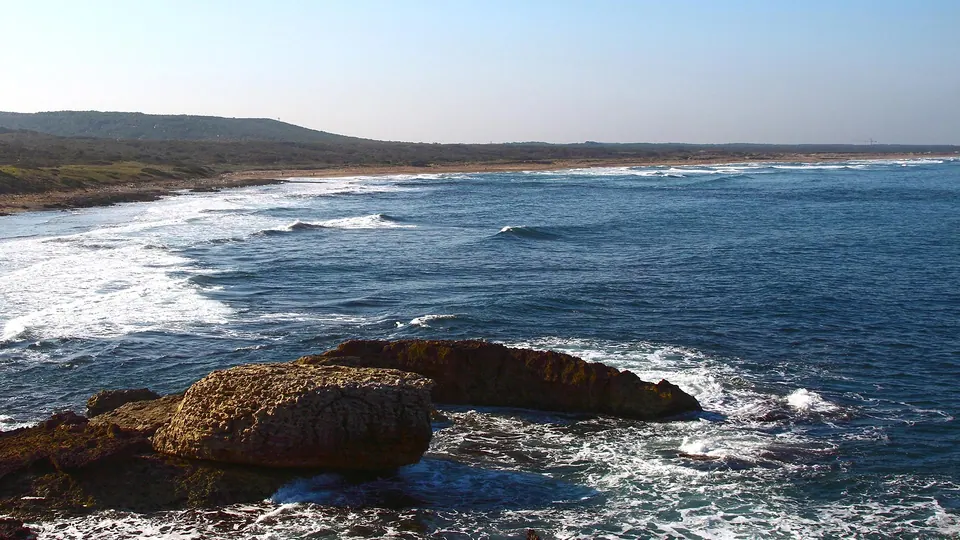 Central West
The beach of Is Arenas is made up of fine golden sand, and is lapped by transparent waters of colours ranging from green to light blue.
Read on Sardinia Magazine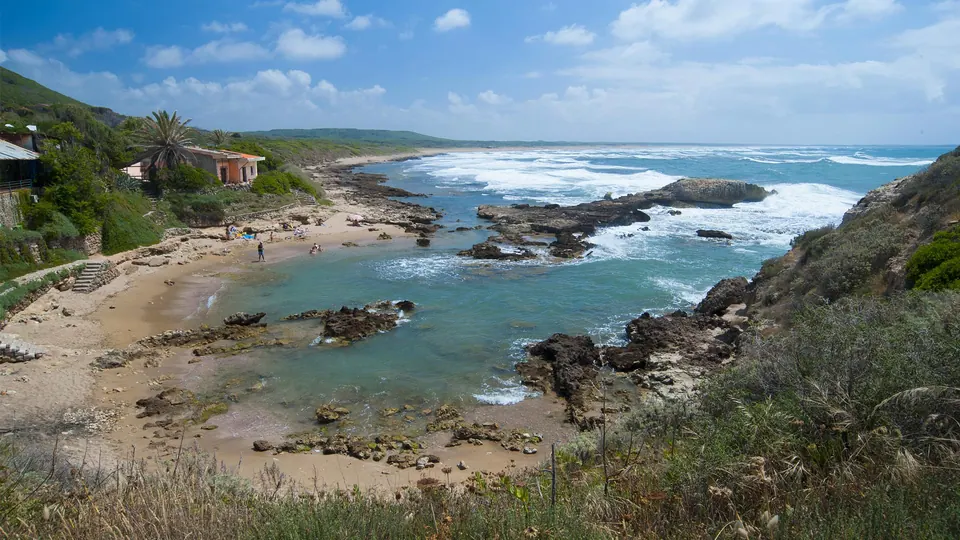 Central West
This small beach is characterized by fine golden sand, and is lapped by transparent waters of colours ranging from emerald green to intense light blue.
Read on Sardinia Magazine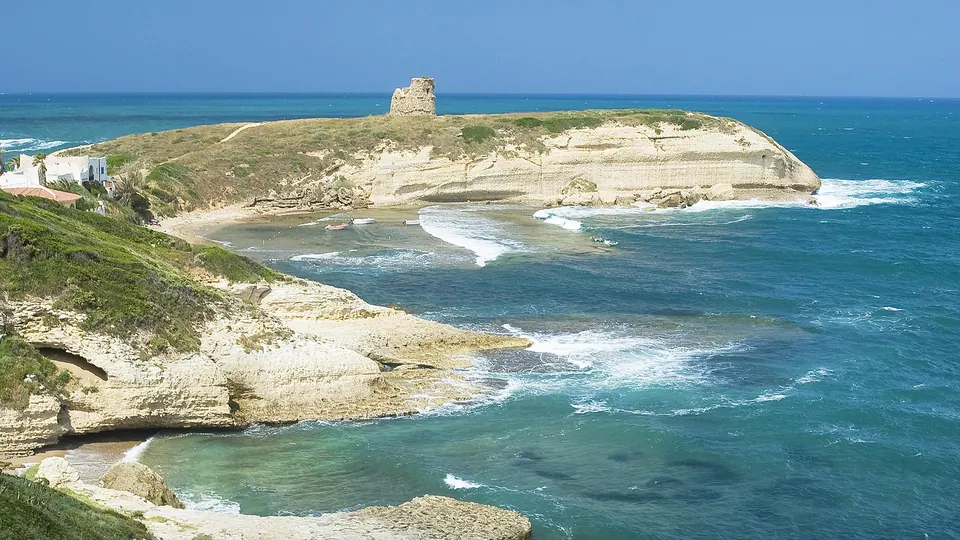 Central West
This beach is set in front of the town that bears the same name.
Read on Sardinia Magazine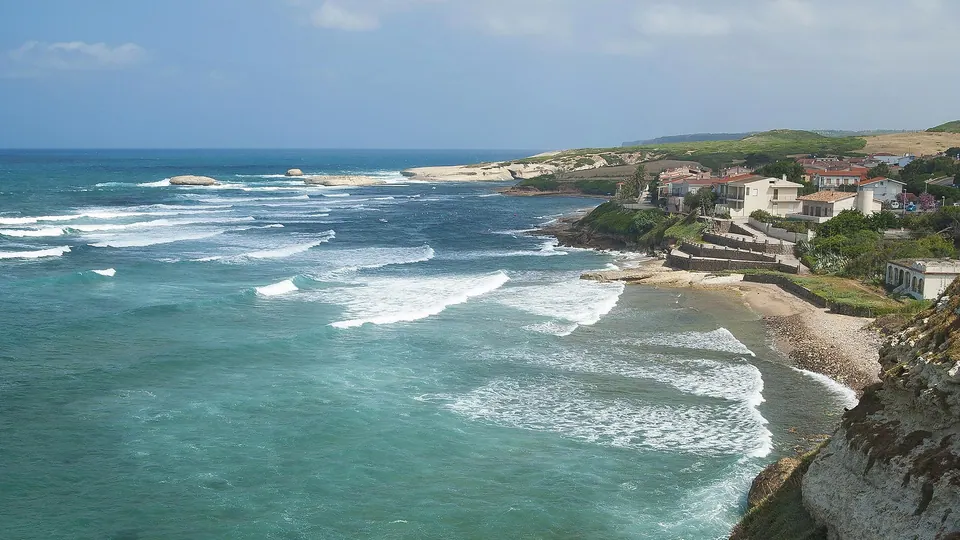 Central West
This beach has fine golden sand mixed with pebbles, and it is lapped by a transparent sea of an emerald green colour.
Read on Sardinia Magazine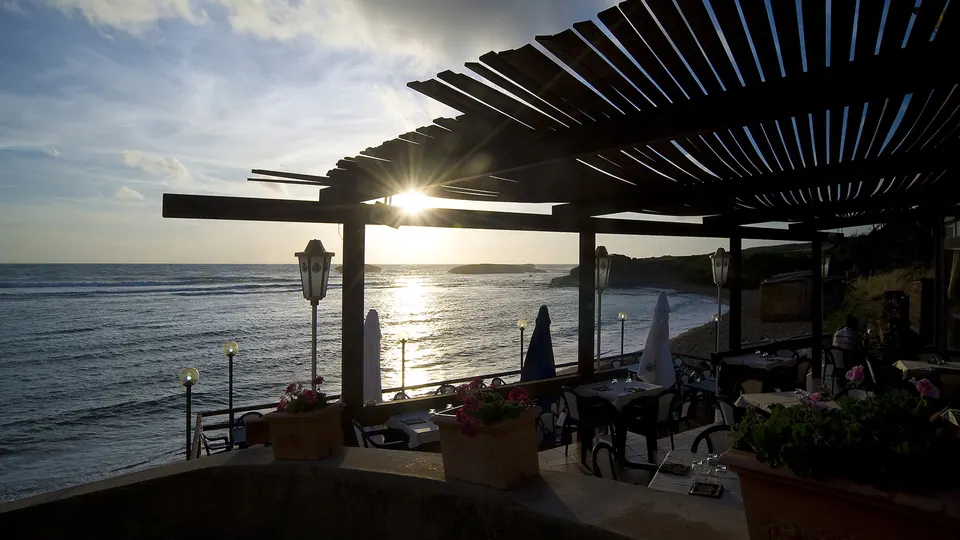 Central West
S’Archittu has fine golden sand, and is lapped by a transparent sea of colours ranging from emerald green to intense light blue.
Read on Sardinia Magazine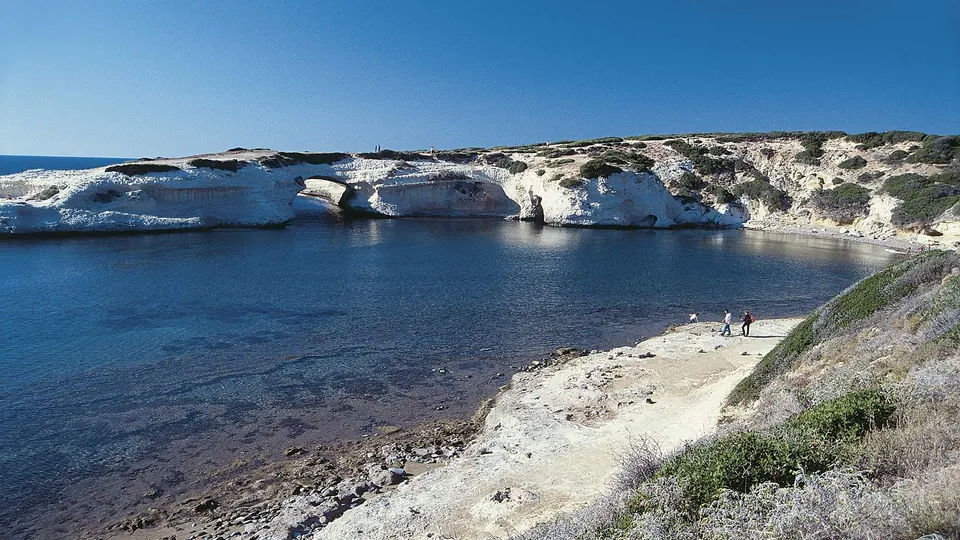 Central West
This beach is characterized by fine, golden sand mixed with pebbles.
Read on Sardinia Magazine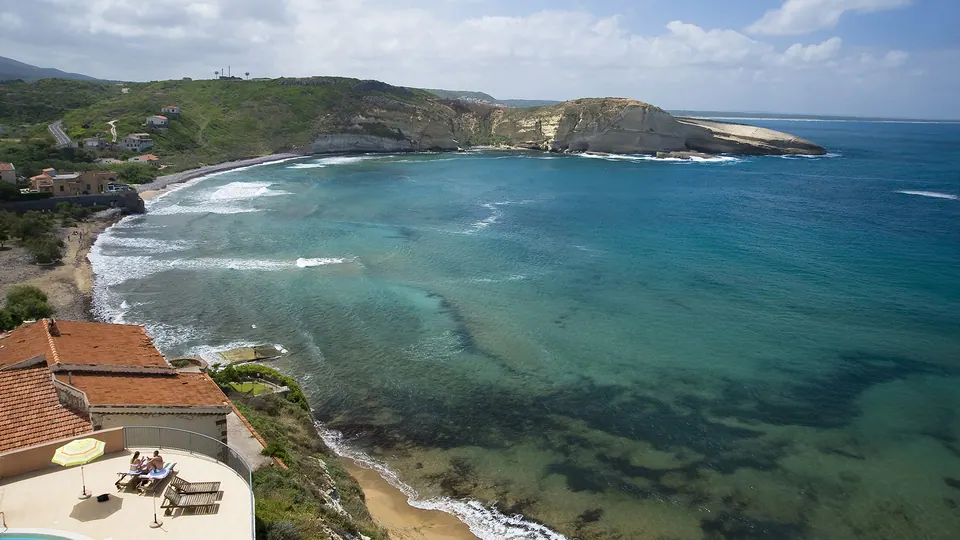 Central West
This beach is made up of fine, golden sand mixed with big pebbles.
Read on Sardinia Magazine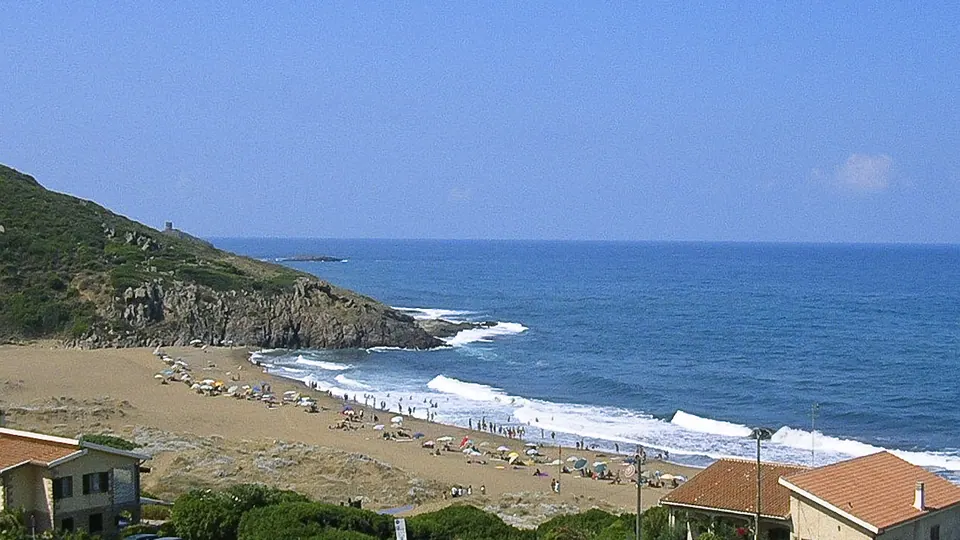 North West
 North West
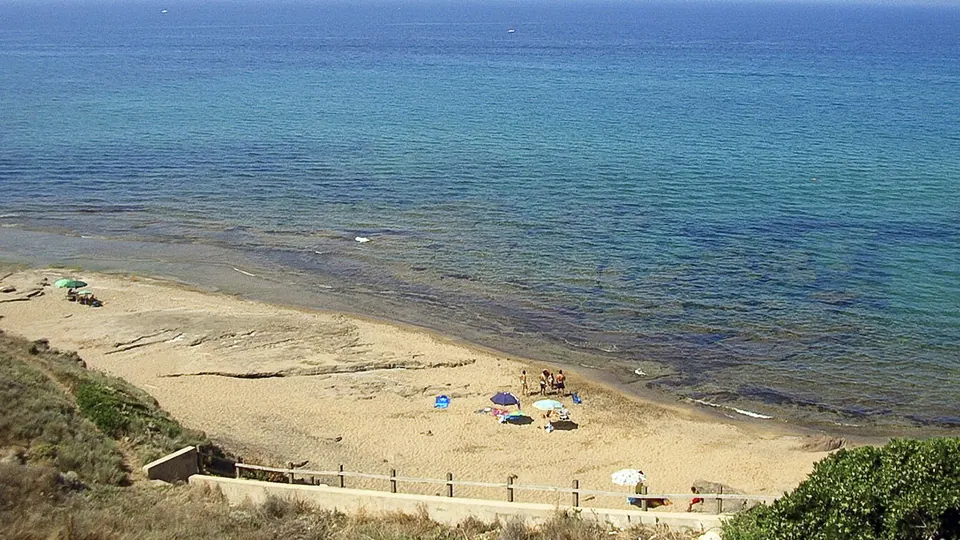
This beach is made up of fine golden sand which alternates with flat rocks.
Read on Sardinia Magazine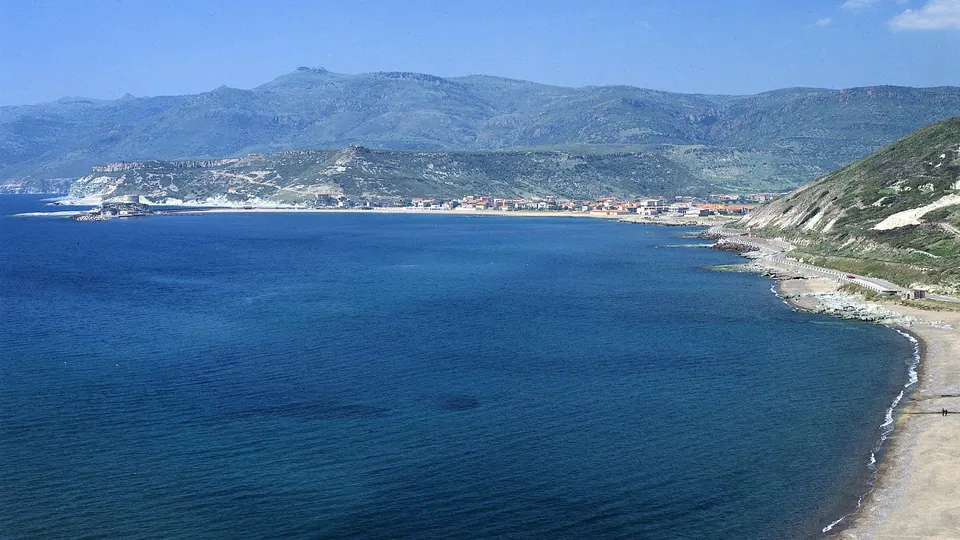 North West
 North West
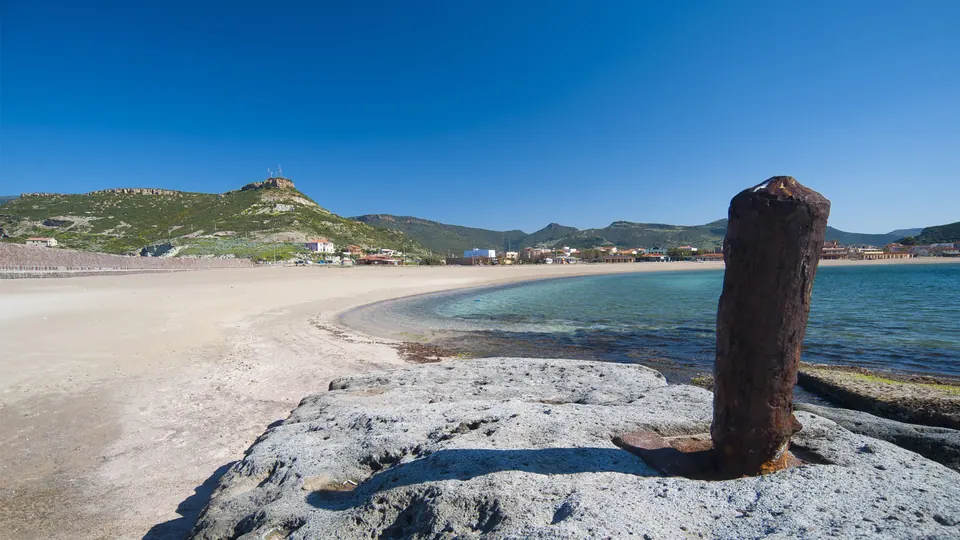
The beach of Bosa Marina, characterized by fine golden sand, is lapped by a crystalline emerald green sea.
Read on Sardinia Magazine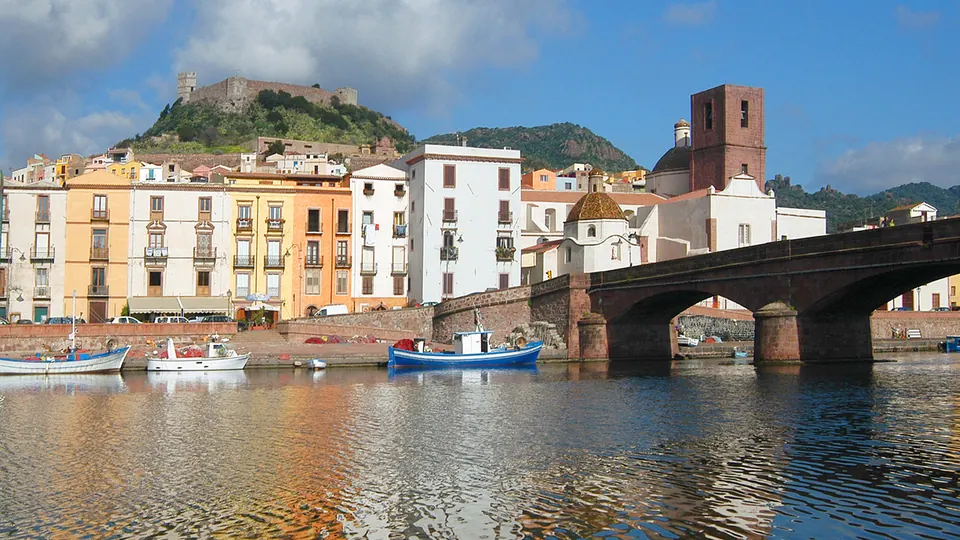 North West
Bosa is a colourful quaint town of about 8,000 inhabitants.
Read on Sardinia Magazine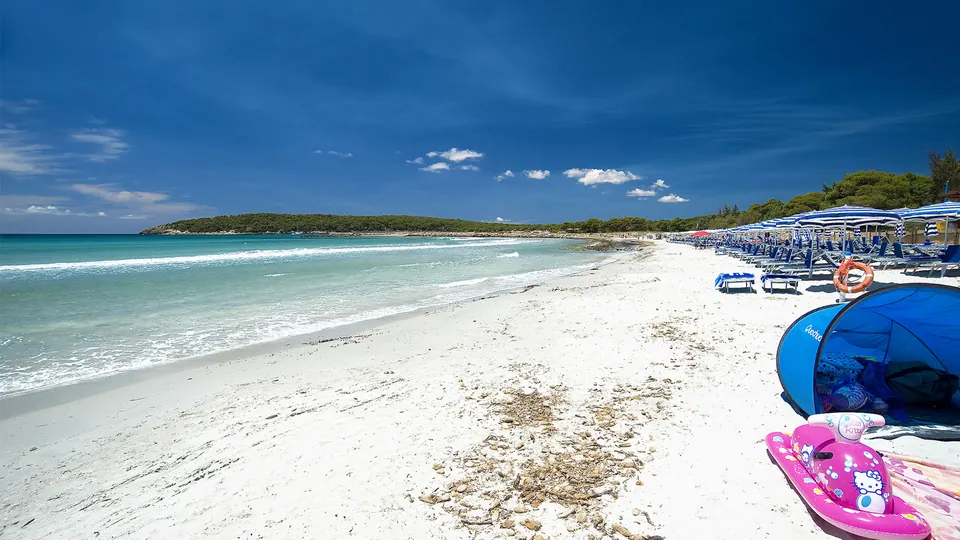 South West
The beach has fine white sand, a crystalline sea of a light blue colour and shallow waters.
Read on Sardinia Magazine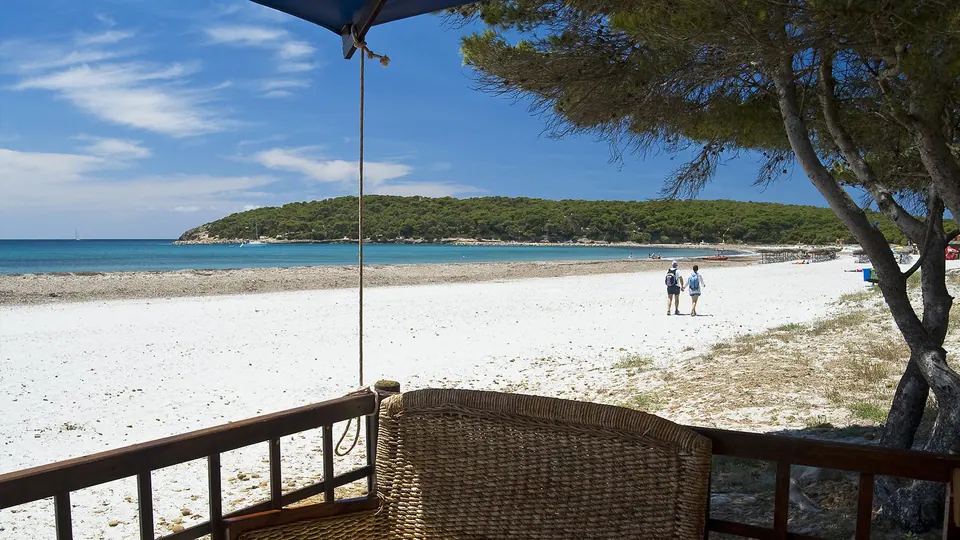 South West
This wonderful beach boasts fine white sand and crystalline shallow waters of a light blue colour.
Read on Sardinia Magazine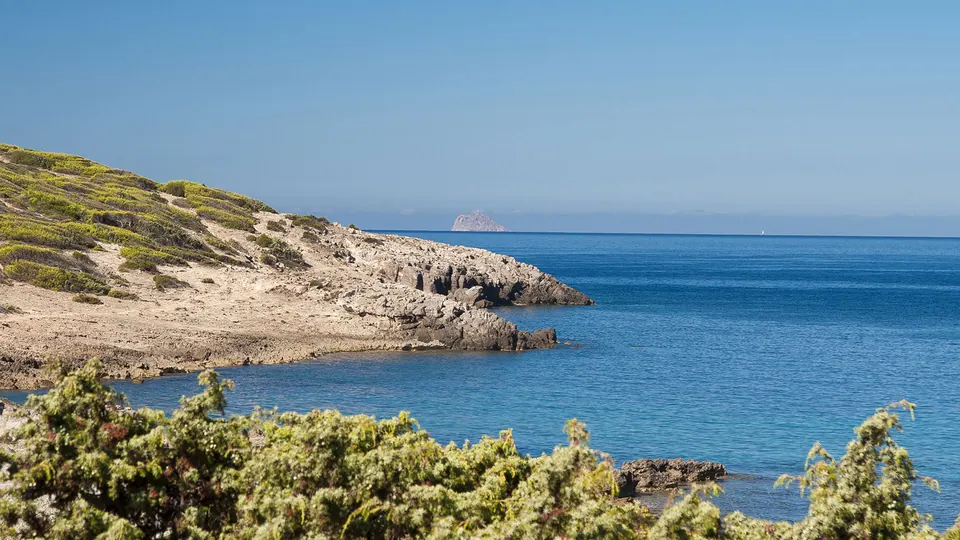 South West
This stretch of coast is bordered on the eastern side by Punta Tonnara and on the western side by Punta Menga, and is characterized by a particularly evocative cliff.
Read on Sardinia Magazine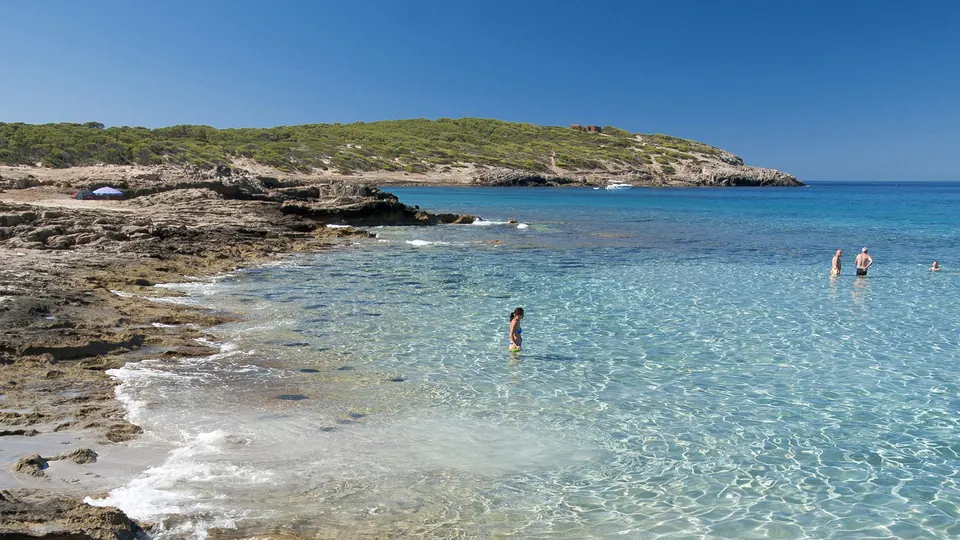 South West
This beach is made up of stretches of white sand which alternate with rocks punctuated by natural pools.
Read on Sardinia Magazine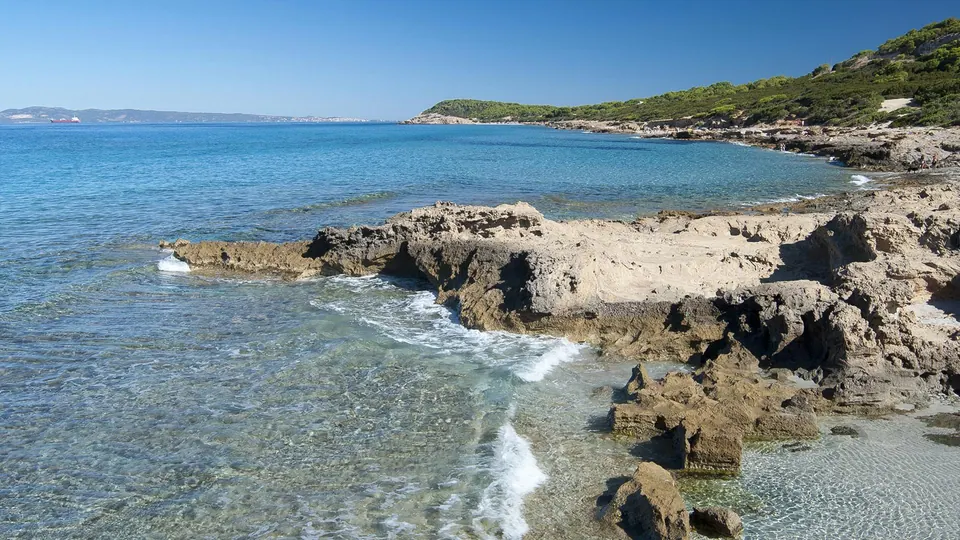 South West
Cala Francese is a small beach of white sand mixed with rocks.
Read on Sardinia Magazine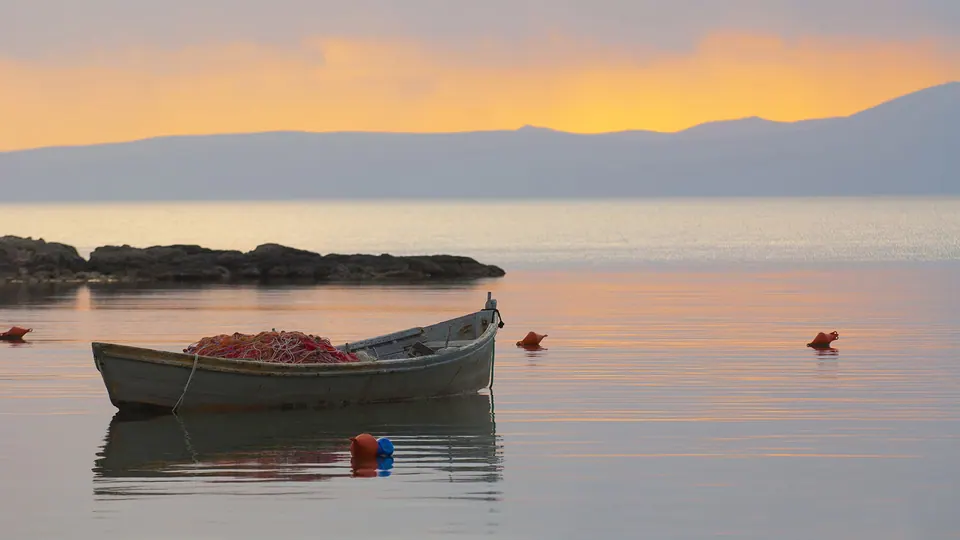 South West
 South West
 South West
The island of Sant’Antioco is Sardinia’s largest island and the fourth largest in Italy.
Read on Sardinia Magazine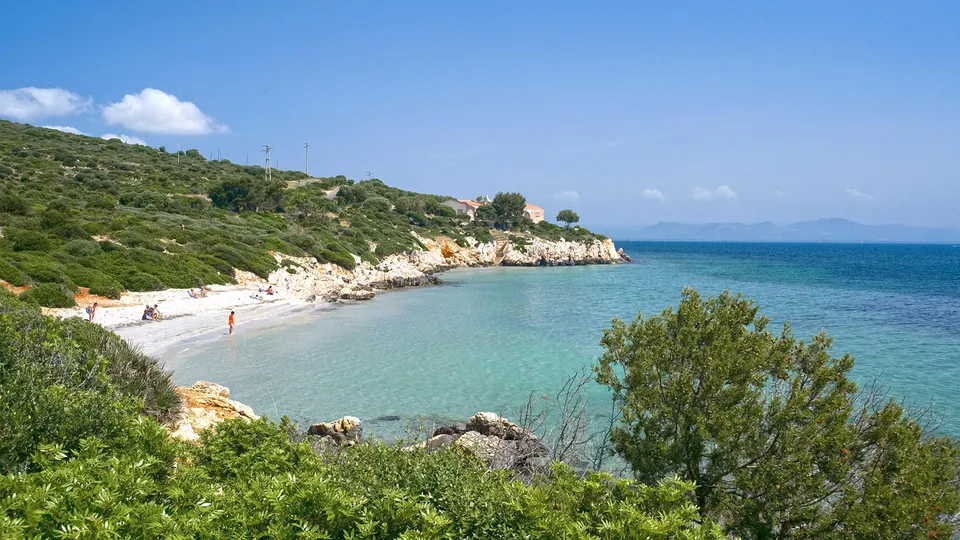 South West
Portixeddu is a small cove set between limestone cliffs covered with a luxuriant Mediterranean maquis.
Read on Sardinia Magazine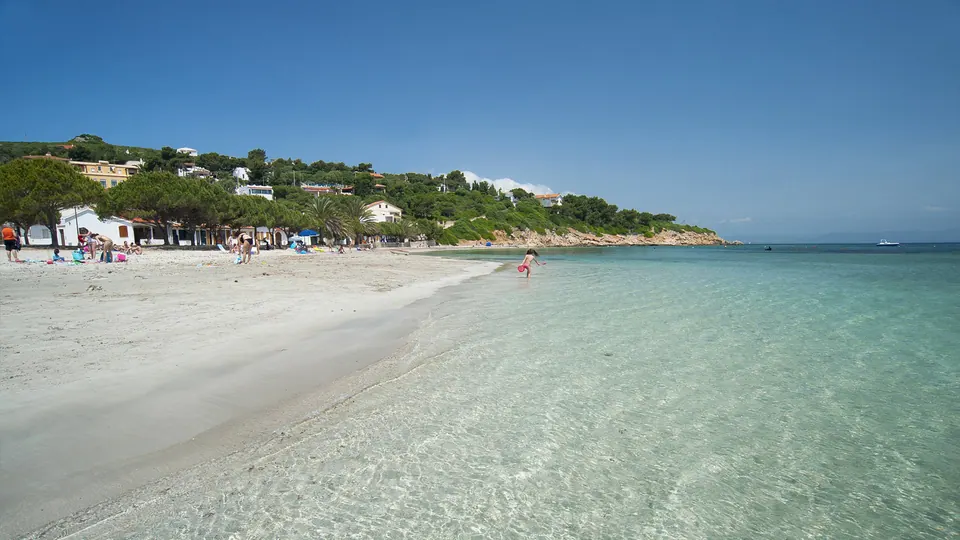 South West
This beautiful beach boasts fine white sand and a crystalline sea of colours ranging from green to intense light blue.
Read on Sardinia Magazine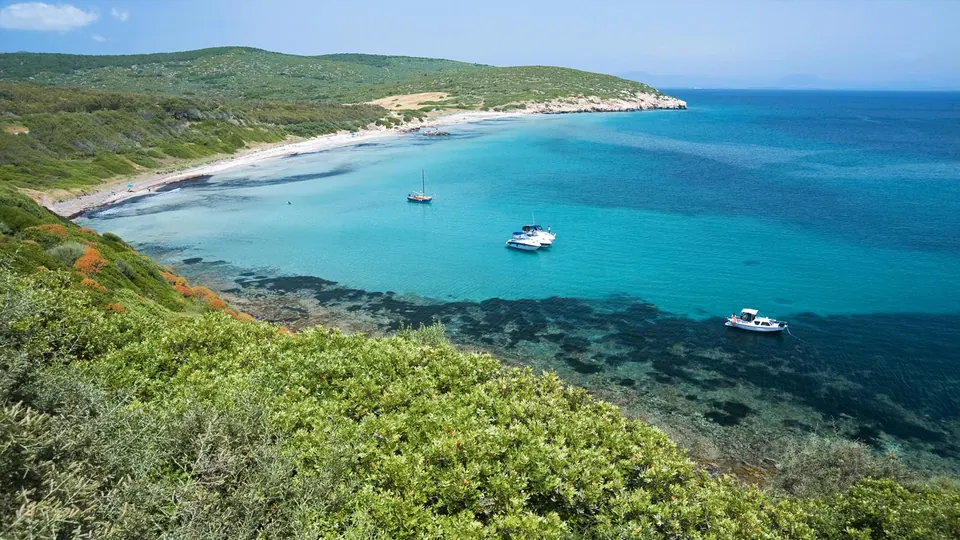 South West
The beach of Coa Quaddus is made up of fine white sand.
Read on Sardinia Magazine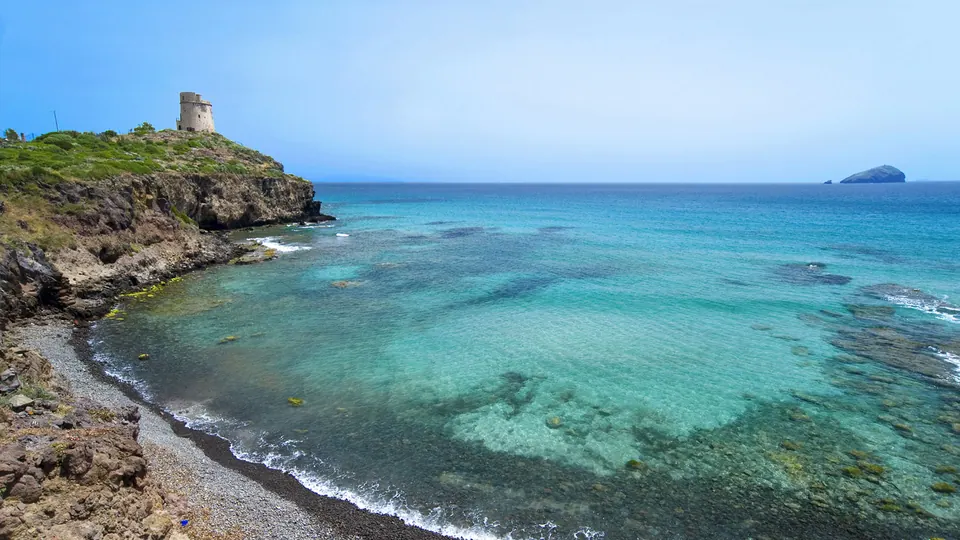 South West
At the foot of the Torre di Cannai (Tower of Cannai) which dates back to the 1700s, lie the two small coves of Turri.
Read on Sardinia Magazine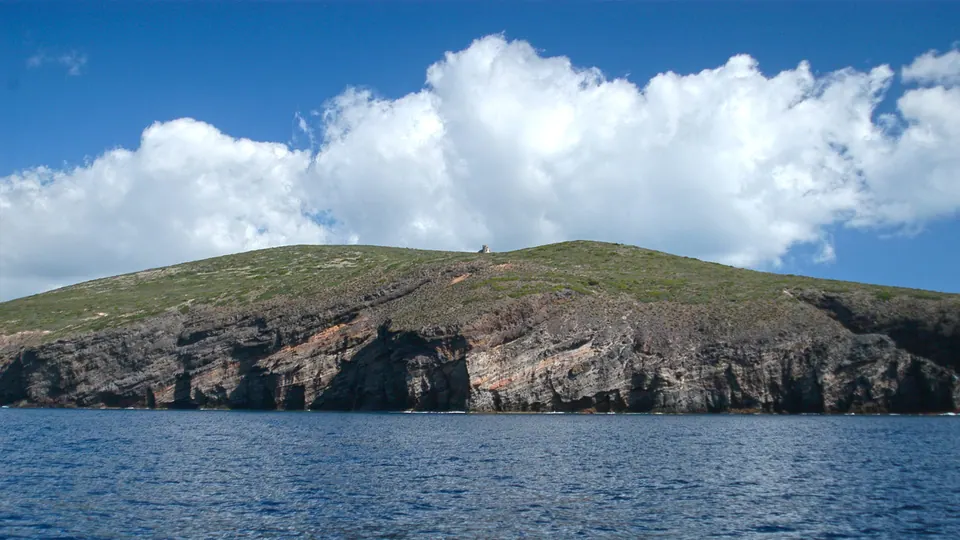 South West
This small beach is made up of pebbles, it has deep waters and a rocky seabed.
Read on Sardinia Magazine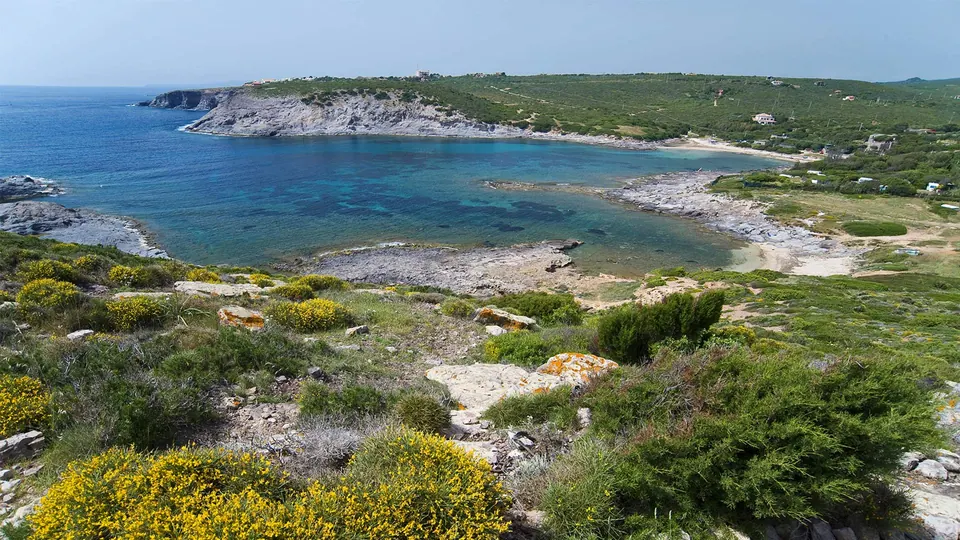 South West
Cala Sapone is one of the most famous of the island of Sant’Antioco.
Read on Sardinia Magazine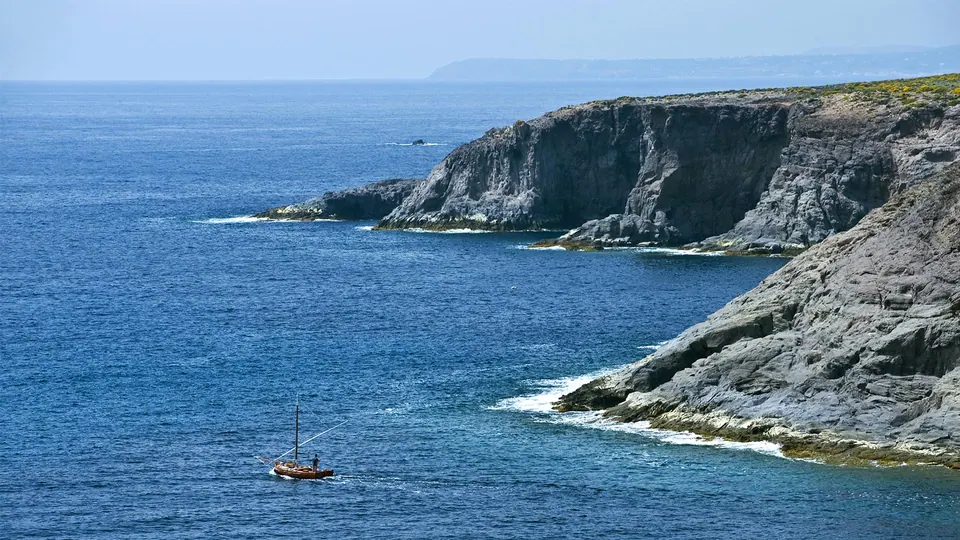 South West
This small cove is a small corner of paradise for those who like rocks and crystal clear waters.
Read on Sardinia Magazine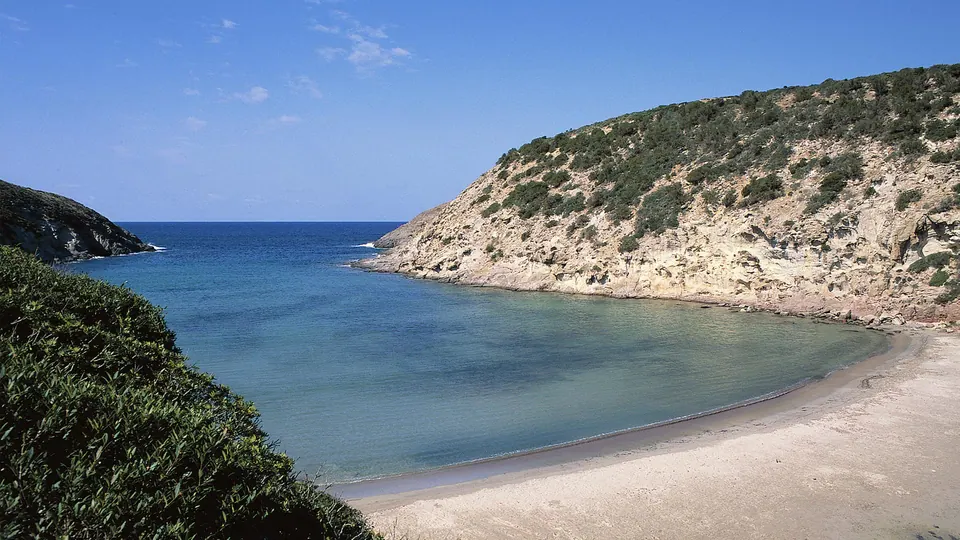 South West
Cala Lunga is a small evocative beach of fine white sand.
Read on Sardinia Magazine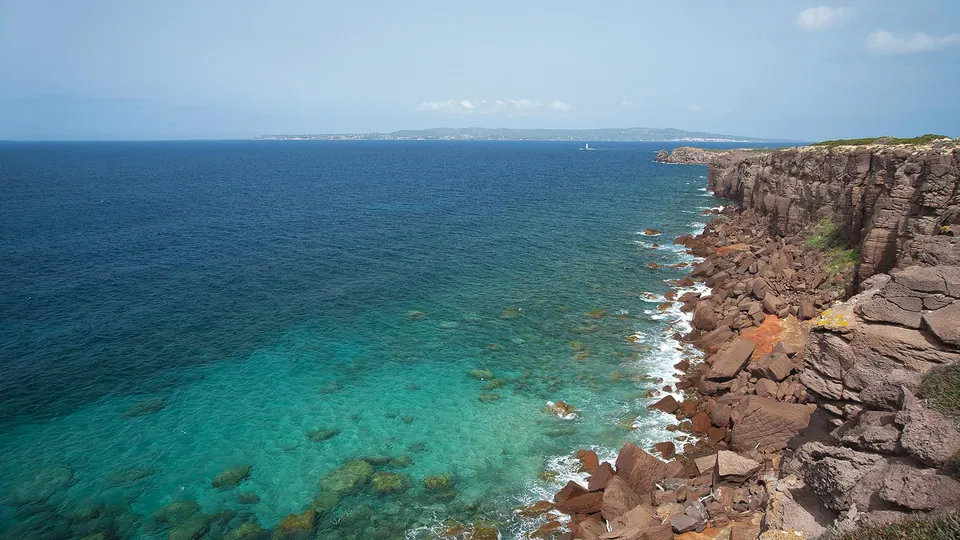 South West
The Scogliera Mangiabarche forms the northern extremity of a rocky and wild stretch of the west coast which, after Punta Maggiore, turns into a sandy one with the large beaches of Calasetta.
Read on Sardinia Magazine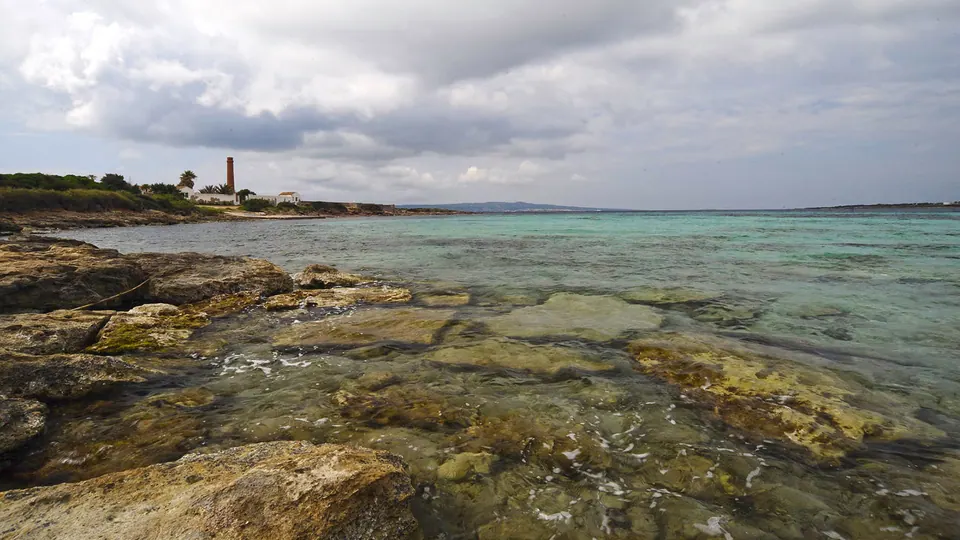 South West
The building of the Tonnara (tuna factory) lies at the southern extremity of Spiaggia Grande, a few metres away from a light blue sea with a rocky seabed.
Read on Sardinia Magazine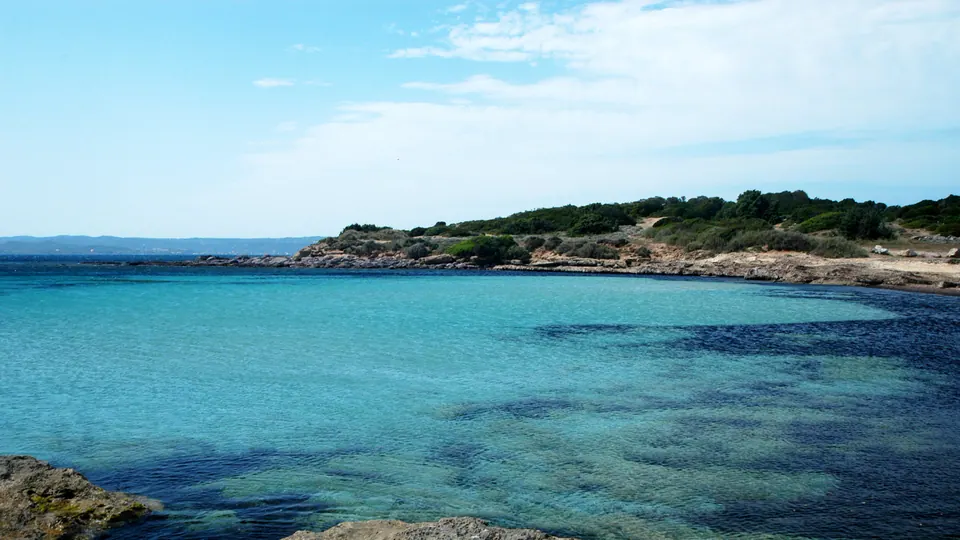 South West
This is the largest beach of the island of Sant’Antioco.
Read on Sardinia Magazine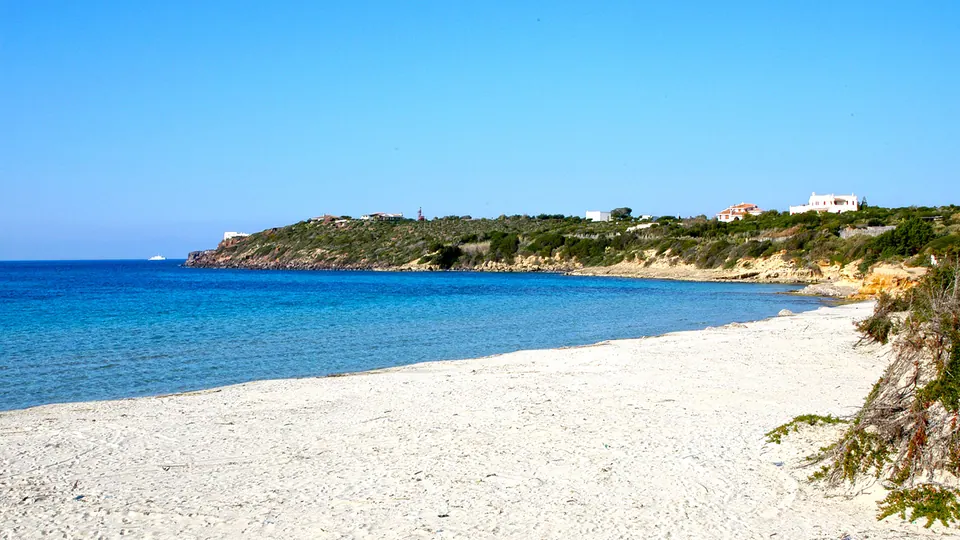 South West
Le Saline is about 600 metres long and is covered in extremely fine white sand.
Read on Sardinia Magazine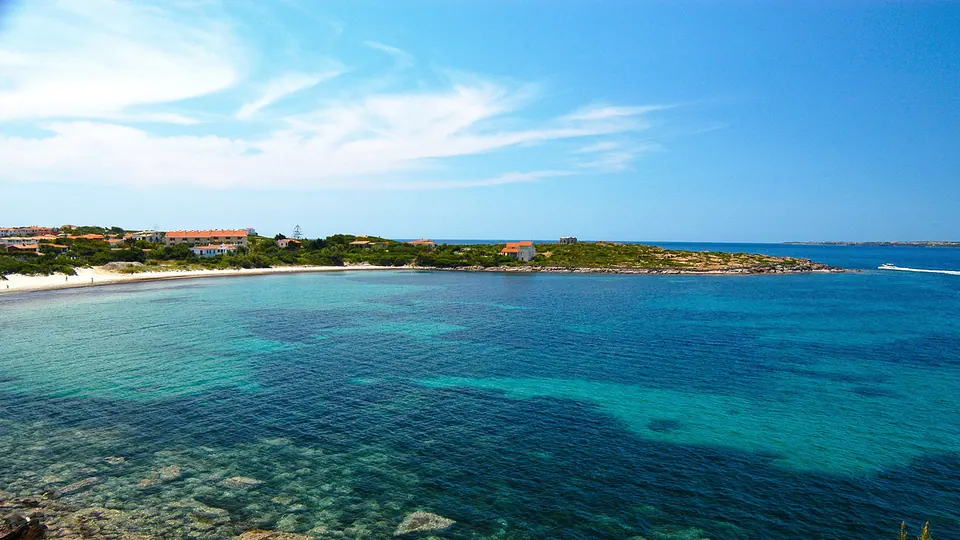 South West
Set at the heart of the town of Calasetta, this beach boasts fine white sand.
Read on Sardinia Magazine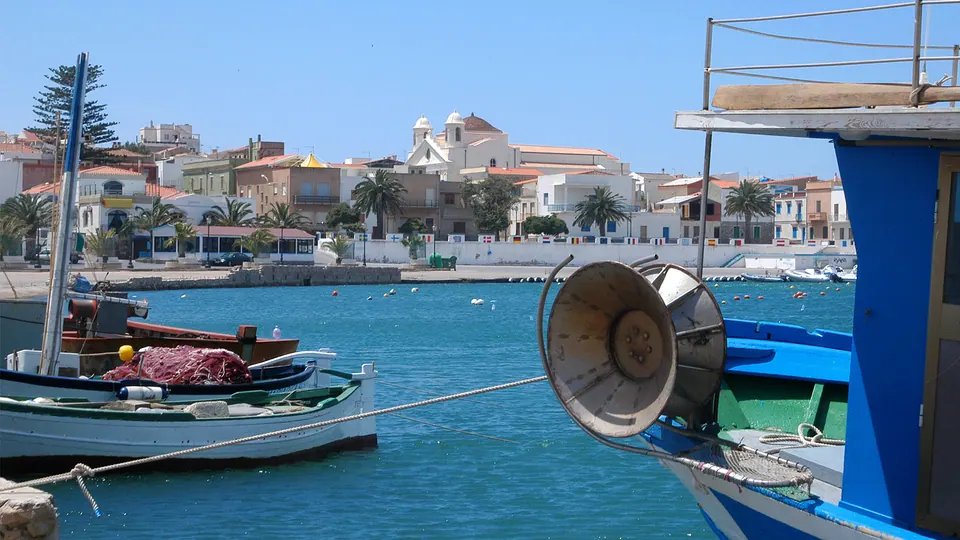 South West
The town of Calasetta has about 3000 inhabitants and is located at the north-western extremity of the island of Sant'Antioco.
Read on Sardinia Magazine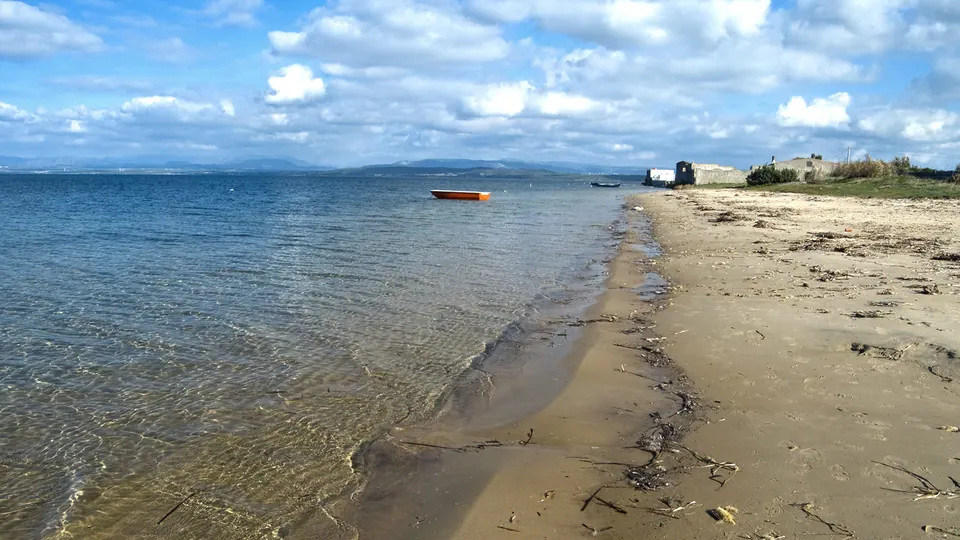 South West
This small beach boasts a narrow sandy shore, a sandy seabed and shallow waters.
Read on Sardinia Magazine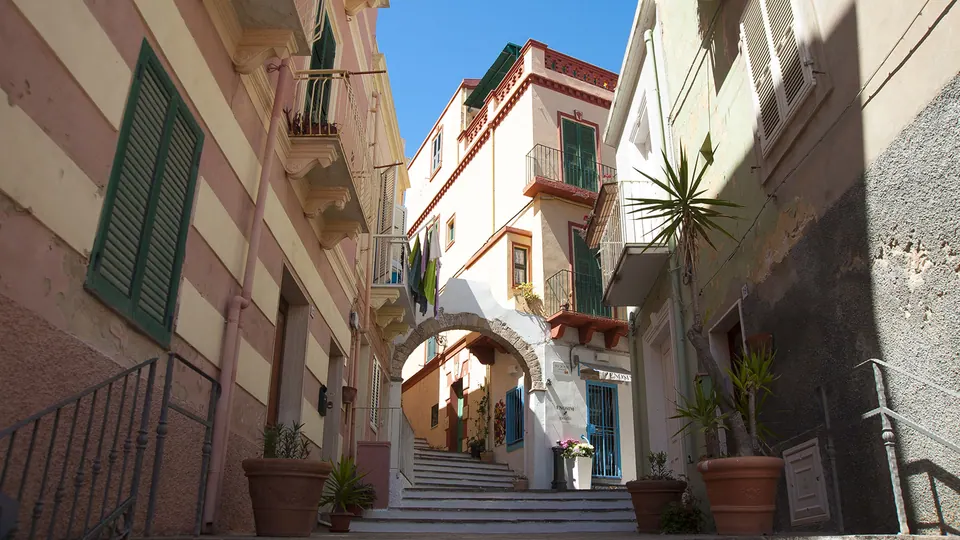 South West
Carloforte is a town of about 6500 inhabitants, and it is the only one in the island of San Pietro.
Read on Sardinia Magazine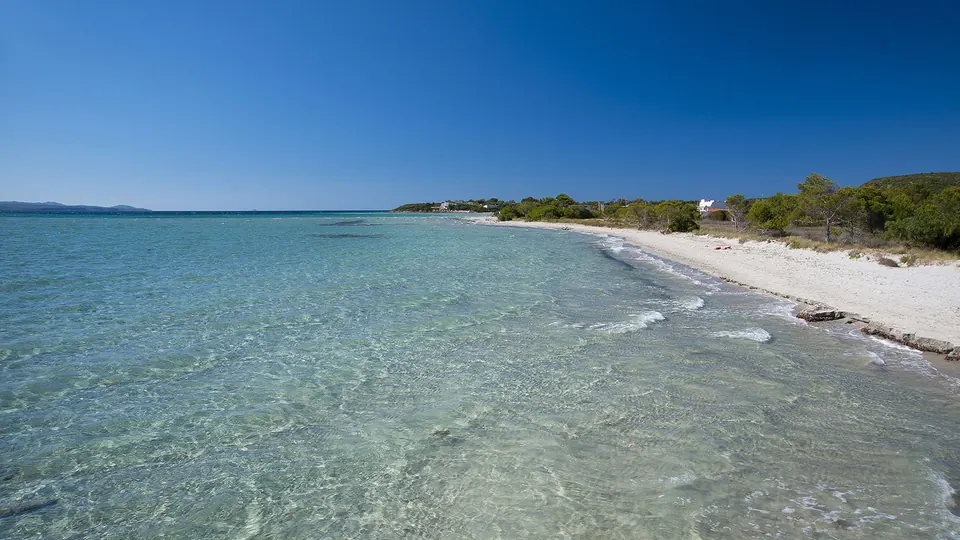 South West
 South West
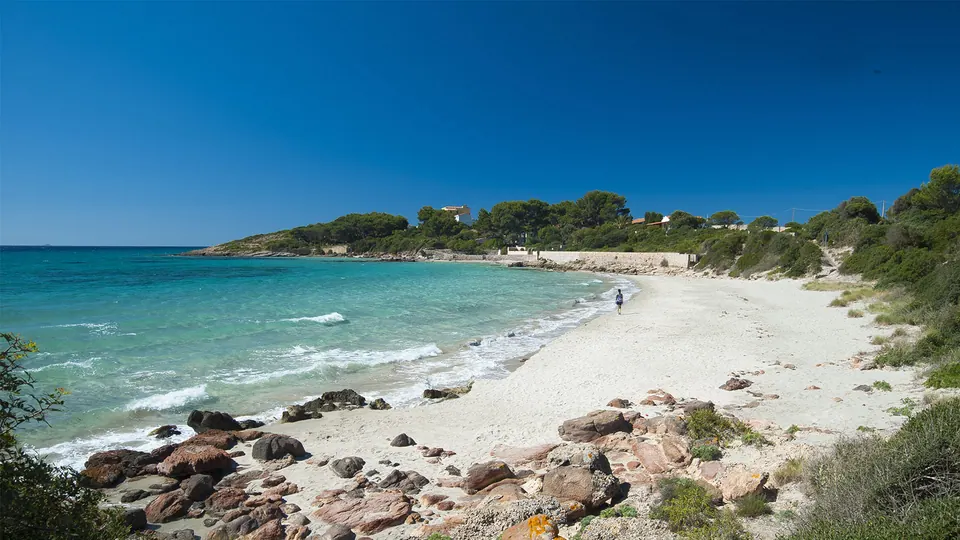
Girin is a small cove, which is about 200 metres long, set between Punta Girin in the north and Punta Seguerina in the south.
Read on Sardinia Magazine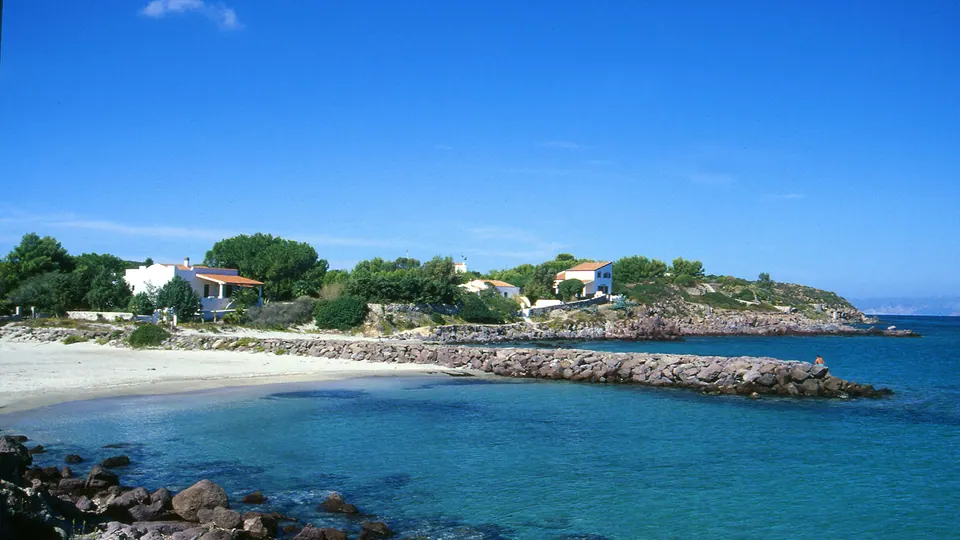 South West
This beach boasts fine white sand and crystalline waters of a light blue colour.
Read on Sardinia Magazine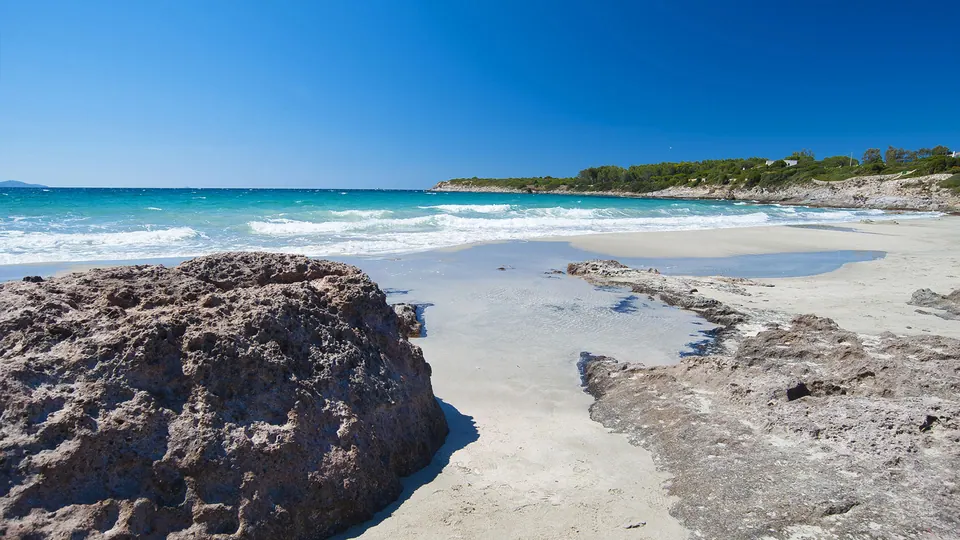 South West
The beach of Guidi boasts fine white sand and a crystalline sea of colour ranging from light blue to green.
Read on Sardinia Magazine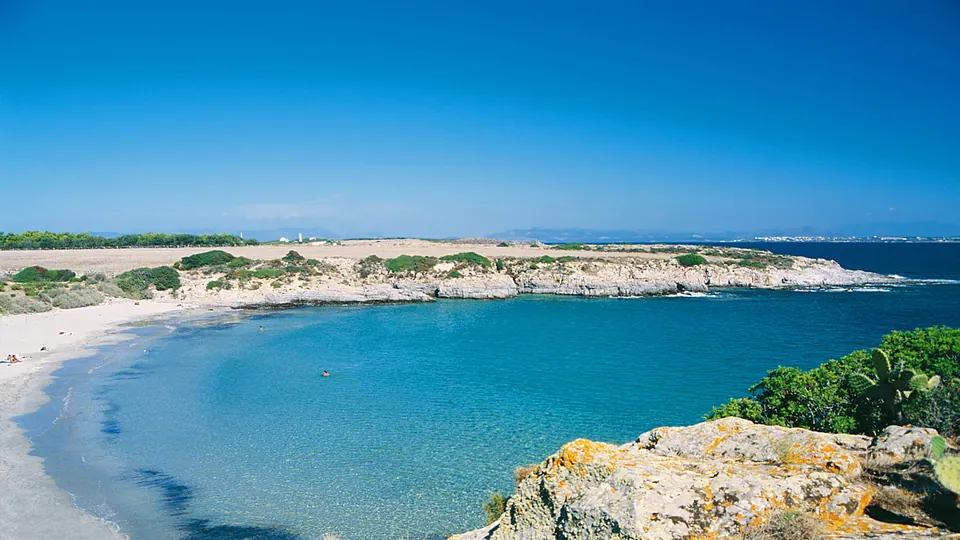 South West
La Bobba boasts fine white sand and a crystalline sea of colours ranging from light blue to green.
Read on Sardinia Magazine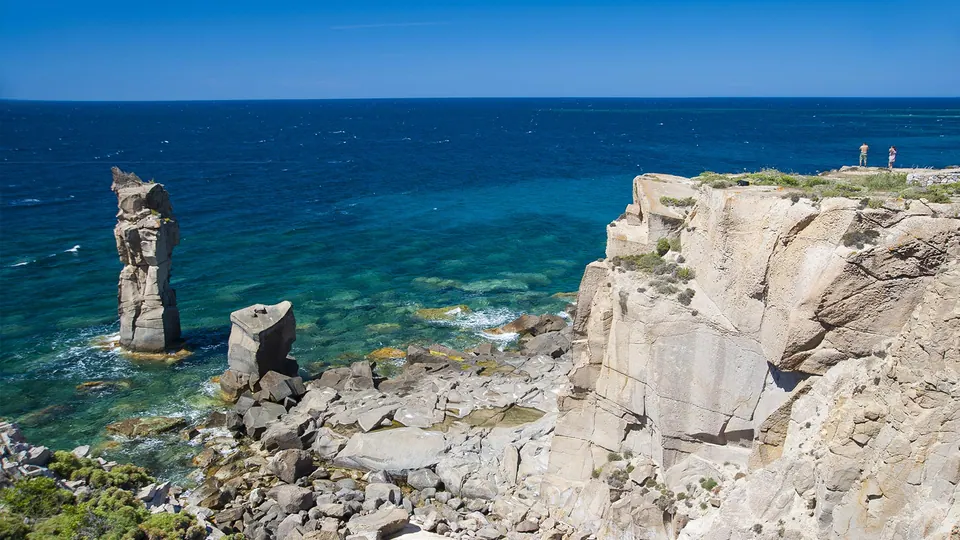 South West
Le Colonne are a true natural monument, symbol of the island of San Pietro.
Read on Sardinia Magazine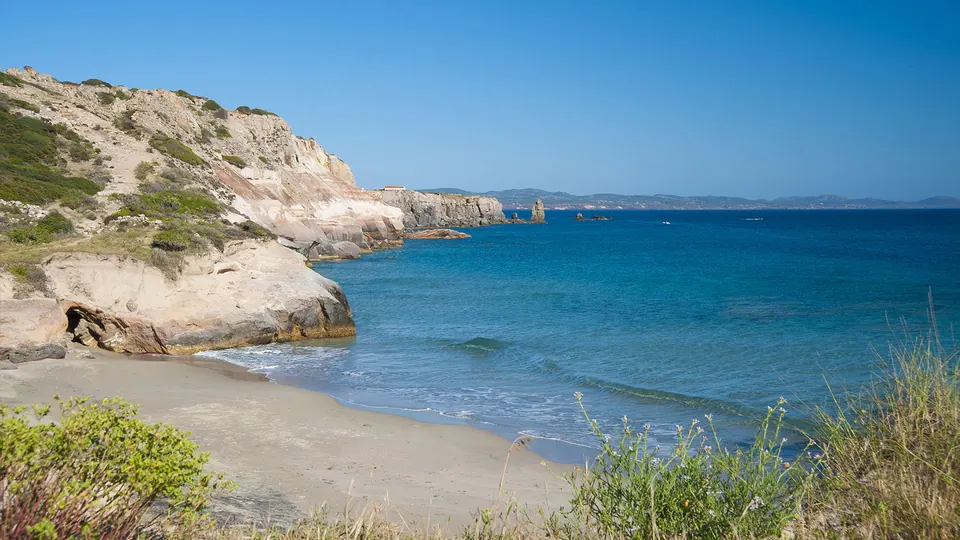 South West
Lucaise is a small cove made up of flat grey rocks which allow those who appreciate rocks and tranquillity to swim in its waters.
Read on Sardinia Magazine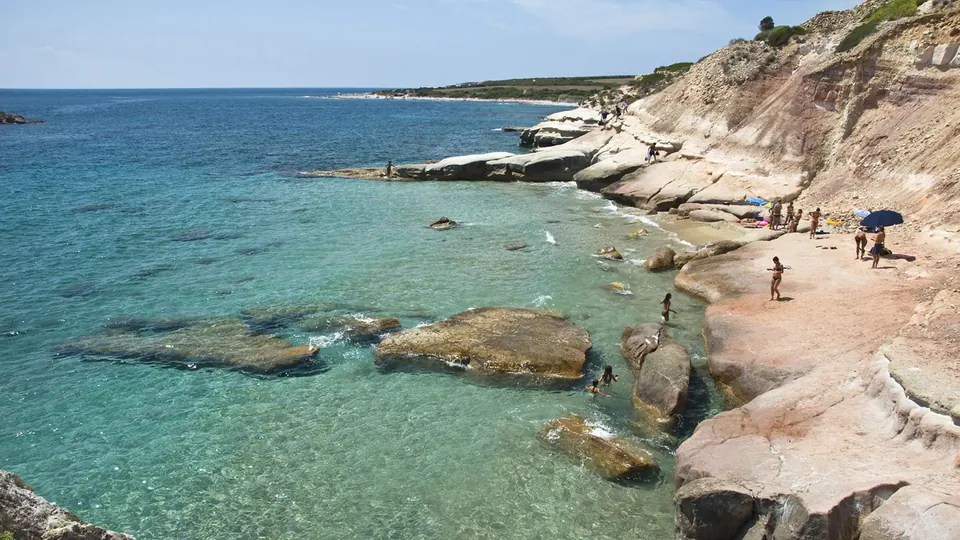 South West
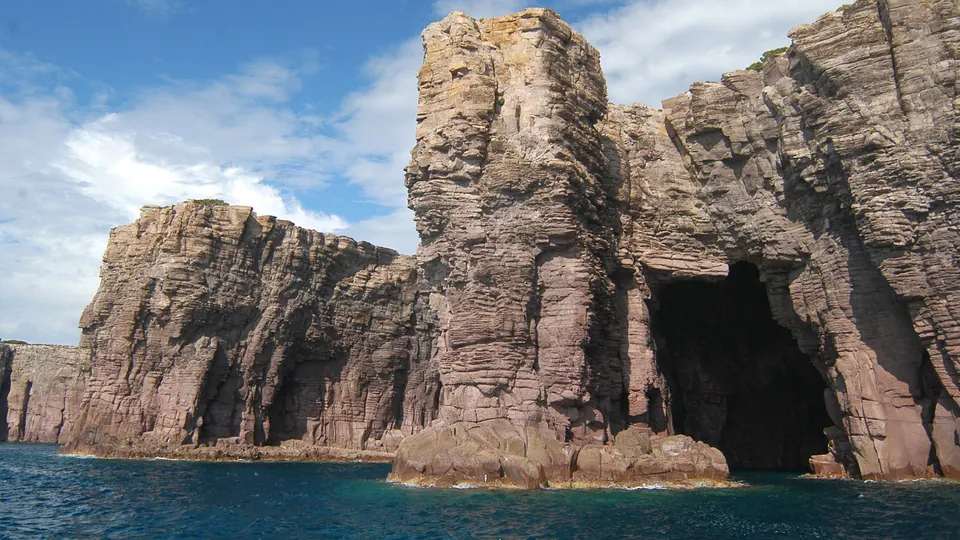 South West
This stretch of coast is characterized by cliffs plunging into a crystalline light blue sea with a rocky seabed.
Read on Sardinia Magazine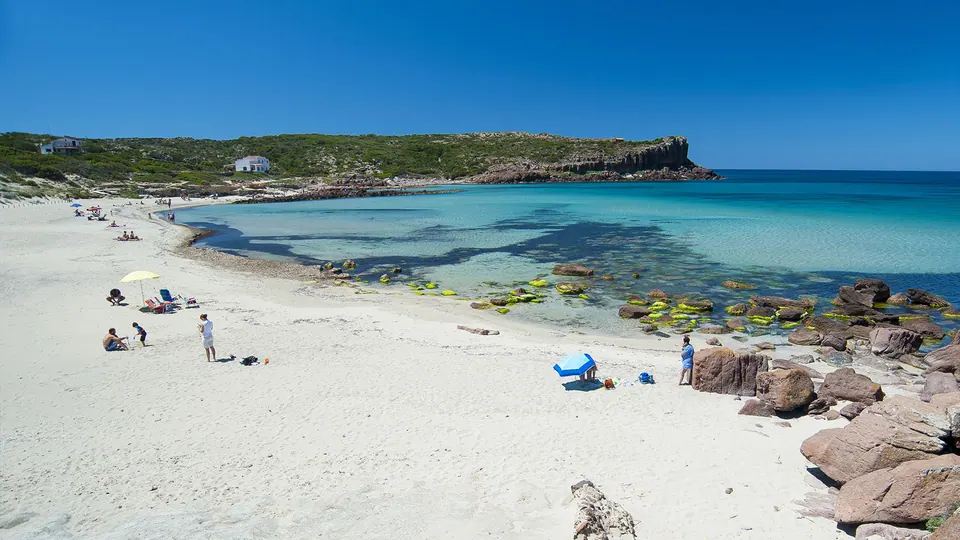 South West
This beach is the most famous of the island.
Read on Sardinia Magazine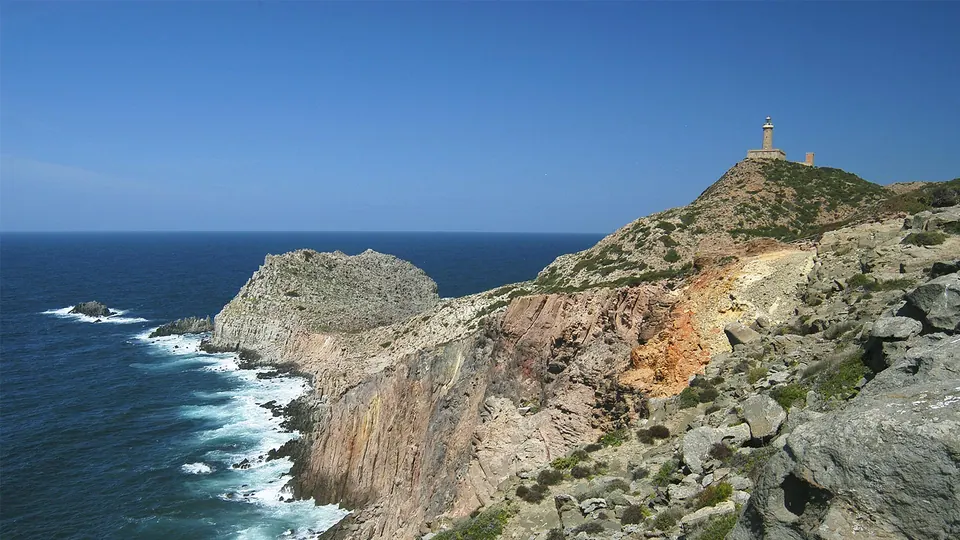 South West
The promontory of Capo Sandalo forms the westernmost extremity of the island of San Pietro.
Read on Sardinia Magazine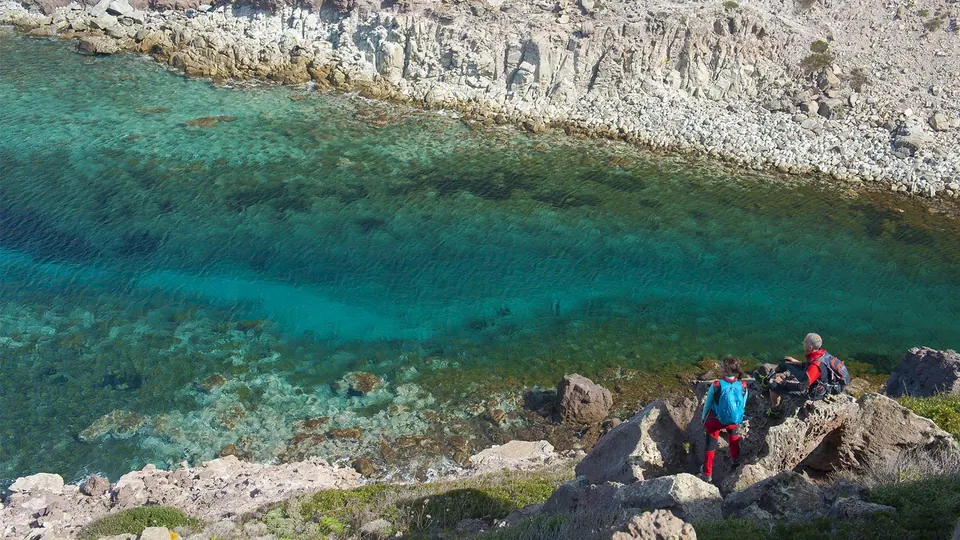 South West
Cala Fico is a small cove made up of big pebbles, set in an inlet formed by high steep rock faces of a white colour.
Read on Sardinia Magazine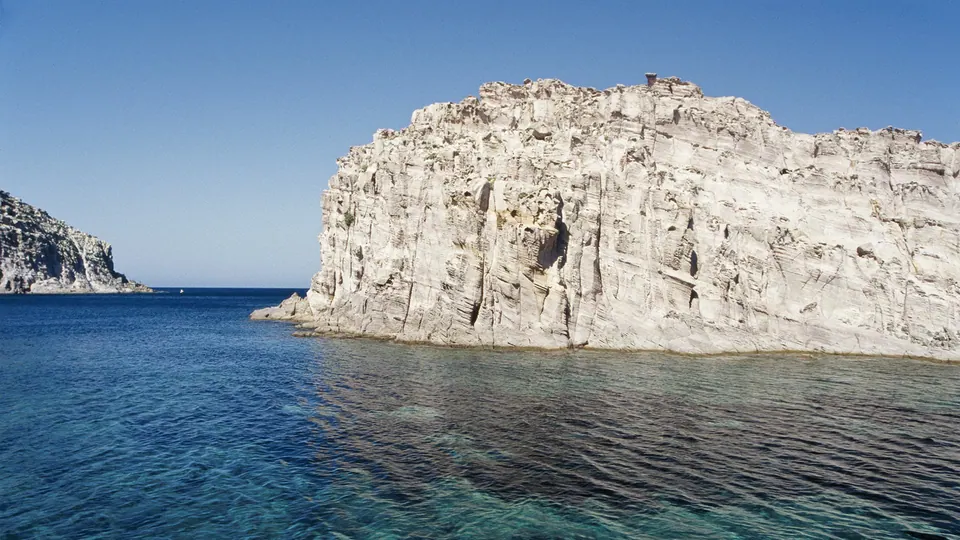 South West
This is a small rocky cove set at the extremity of a narrow and deep inlet.
Read on Sardinia Magazine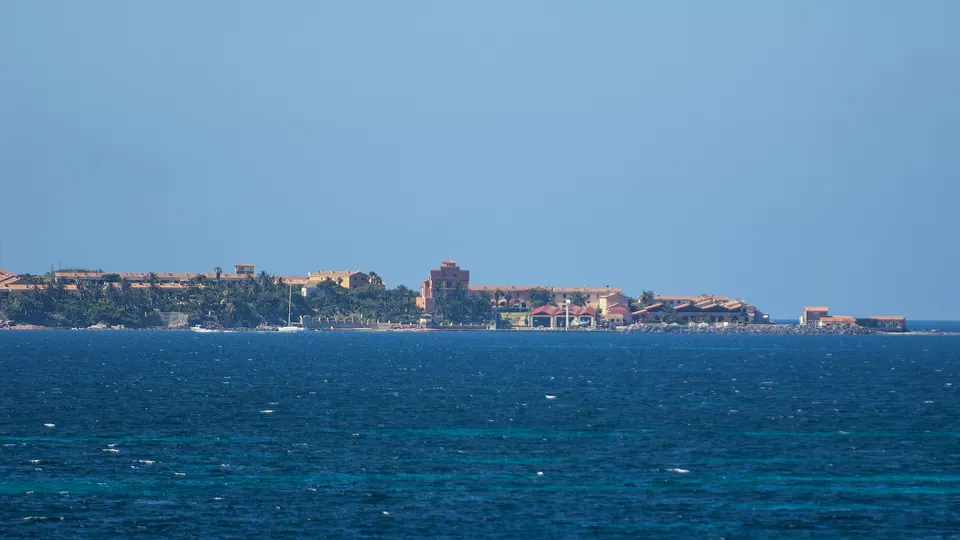 South West
It is a small island located at the north-eastern extremity of the island of San Pietro, in front of the promontory of La Punta.
Read on Sardinia Magazine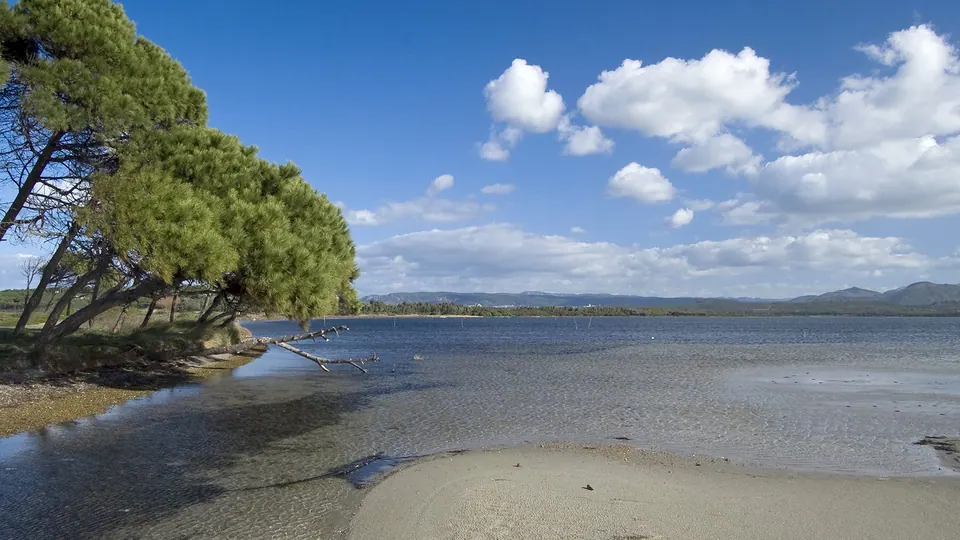 South West
It is a long stretch of soil mixed with sand, not really suitable for bathing.
Read on Sardinia Magazine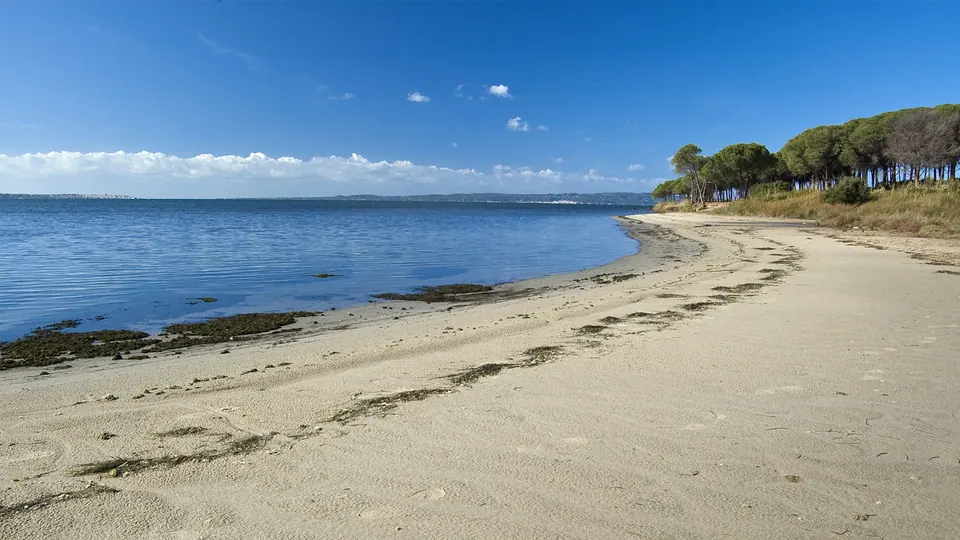 South West
This beach is characterized by grey sand mixed with pebbles and gravel.
Read on Sardinia Magazine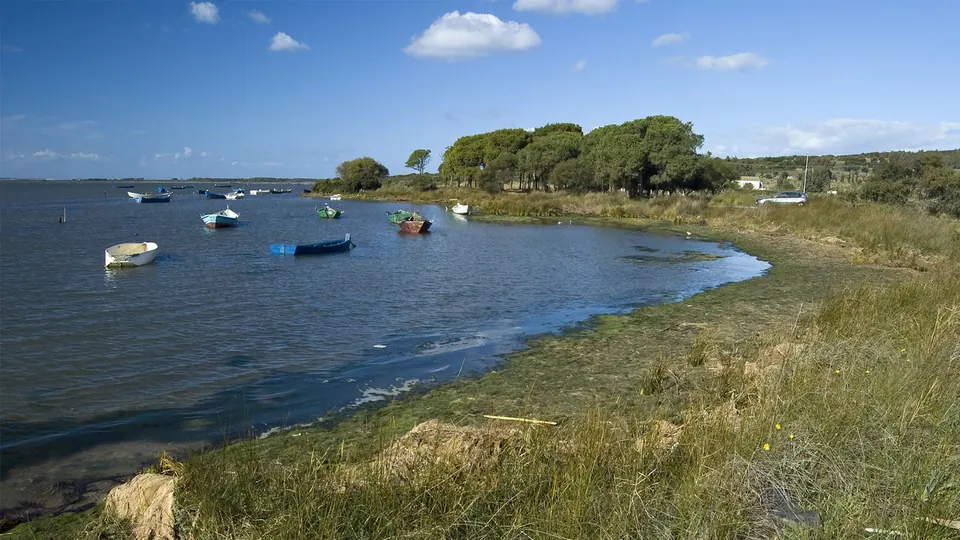 South West
This beach is not really suitable for bathing.
Read on Sardinia Magazine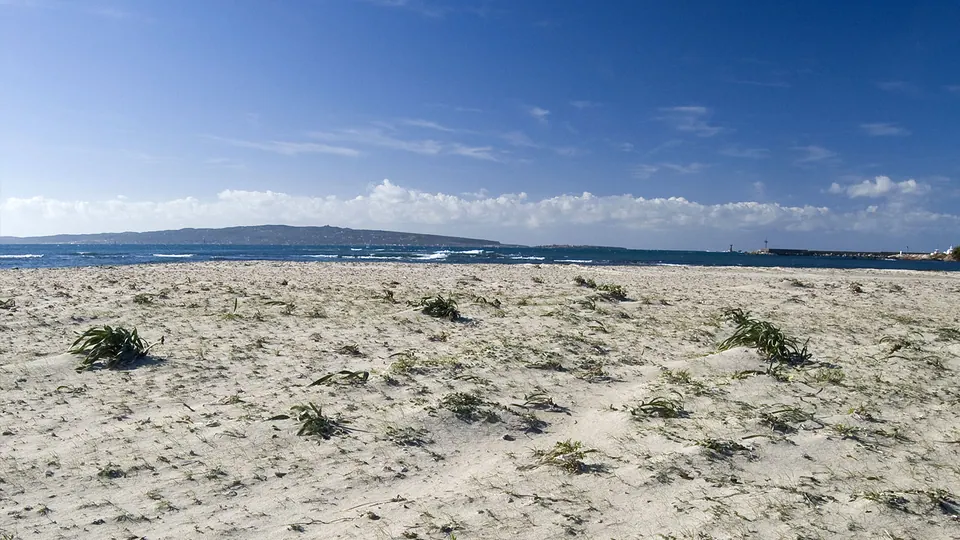 South West
This beach is characterized by fine golden sand.
Read on Sardinia Magazine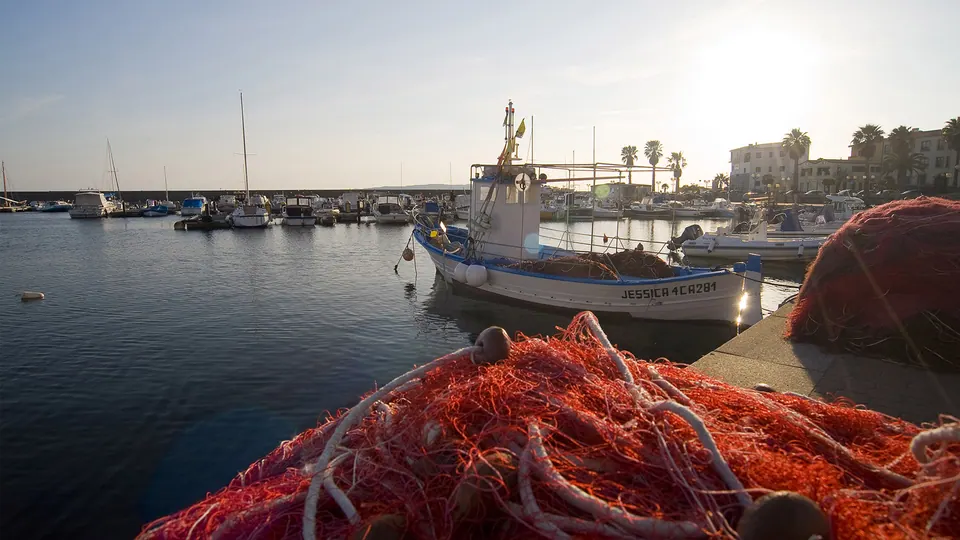 South West
Portoscuso is a quaint small town of 5300 inhabitants.
Read on Sardinia Magazine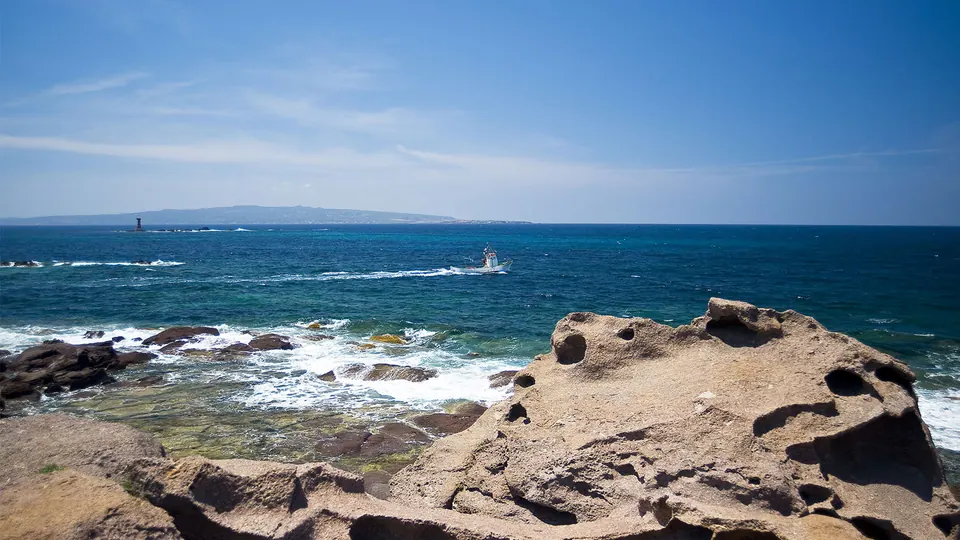 South West
It is a long stretch of rock one can dive off, lapped by shallow transparent waters of a light blue colour.
Read on Sardinia Magazine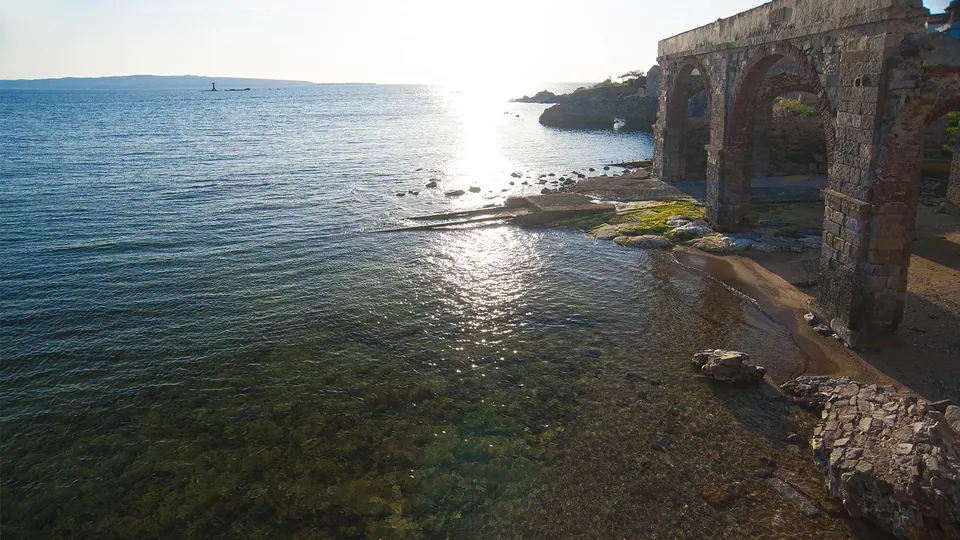 South West
It is a small rocky beach adjacent to the buildings of the tonnara (a tuna factory).
Read on Sardinia Magazine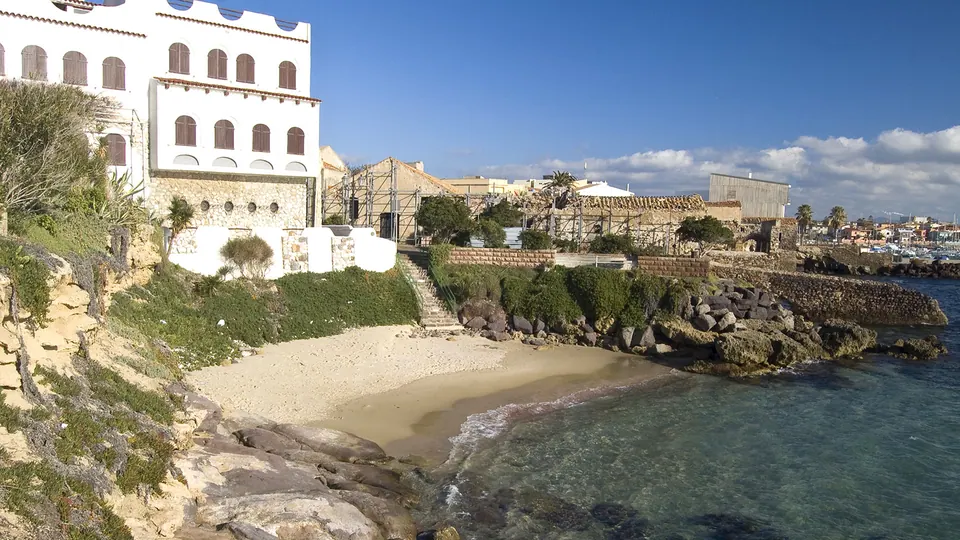 South West
It is a small beach made up of middle-grained golden sand.
Read on Sardinia Magazine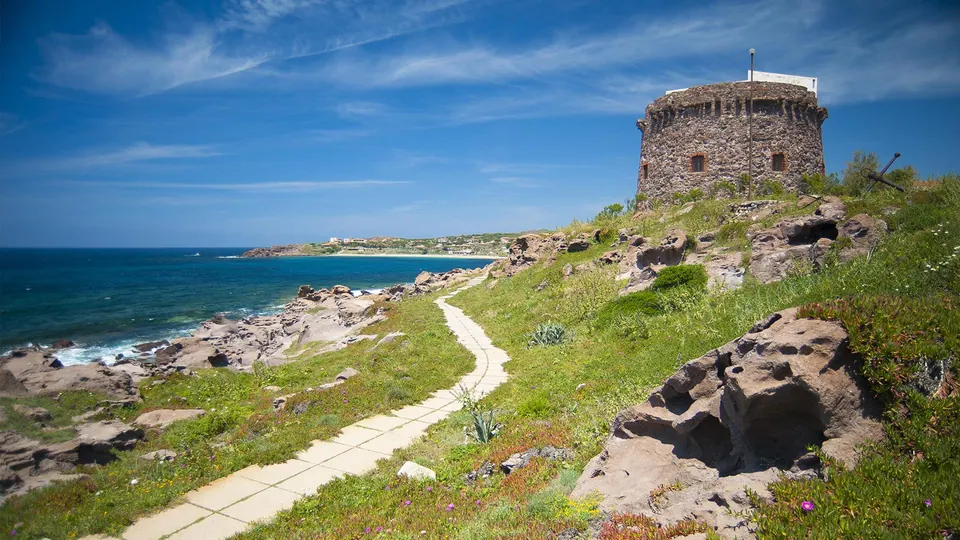 South West
Paleturri is a stretch of rocky coast located at the foot of the tower of Portoscuso.
Read on Sardinia Magazine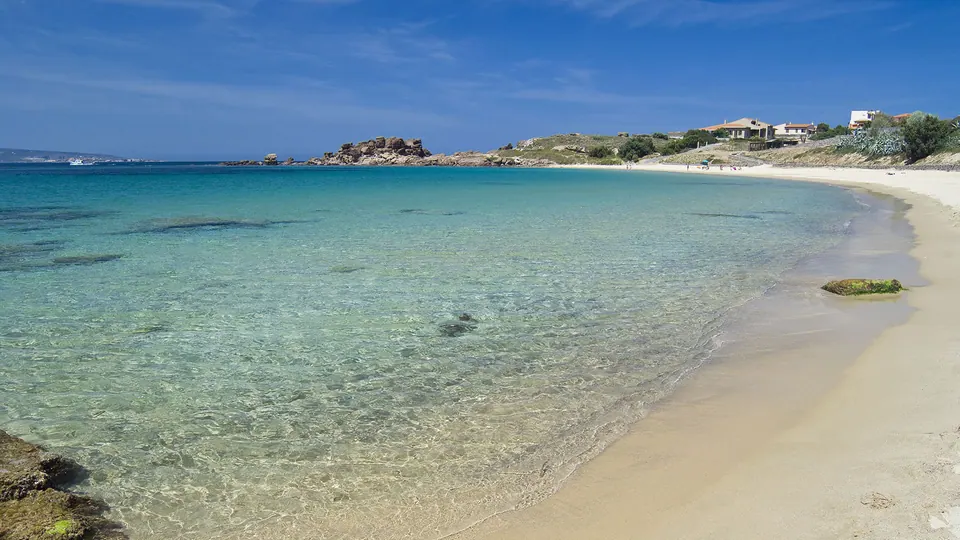 South West
Porto Paglietto is the main beach of the town.
Read on Sardinia Magazine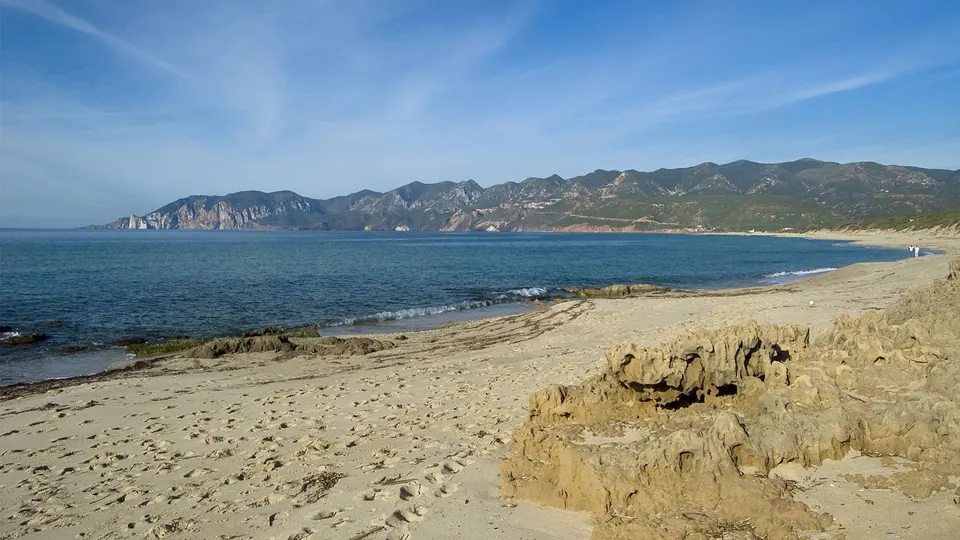 South West
Porto Paglia forms the southern extremity of the long stretch of sand of the gulf of Gonnesa.
Read on Sardinia Magazine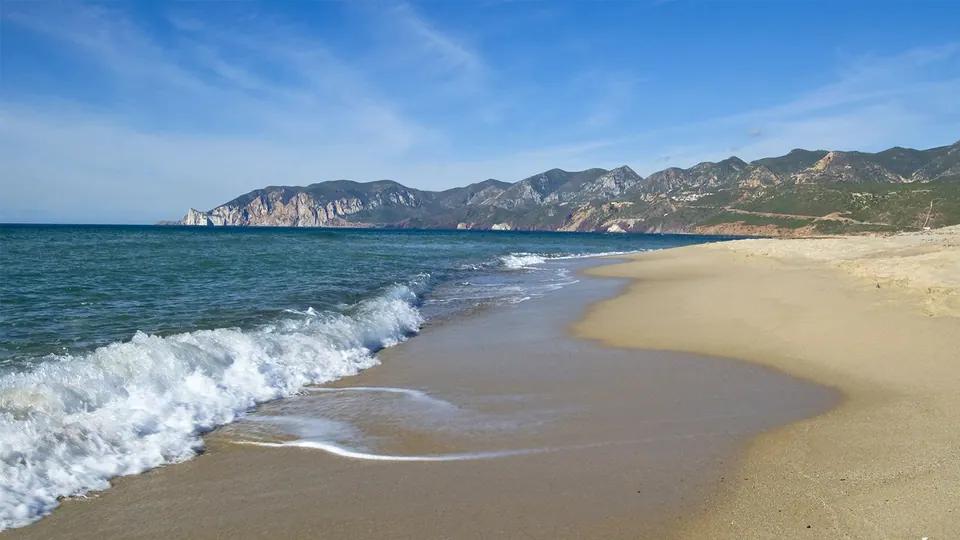 South West
This large beach is characterized by middle-grained golden sand, shallow waters and a sandy seabed.
Read on Sardinia Magazine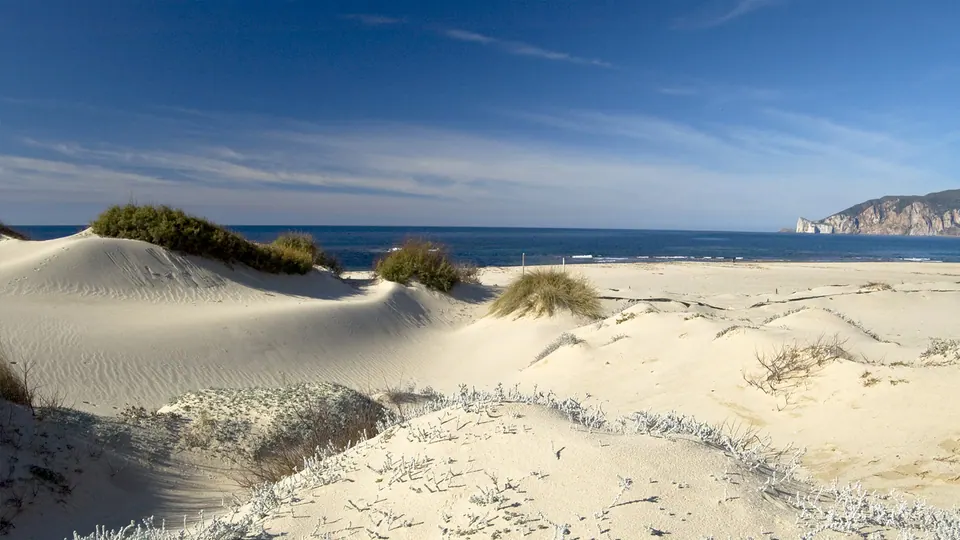 South West
The beach of Plag’e Mesu boasts middle-grained golden sand.
Read on Sardinia Magazine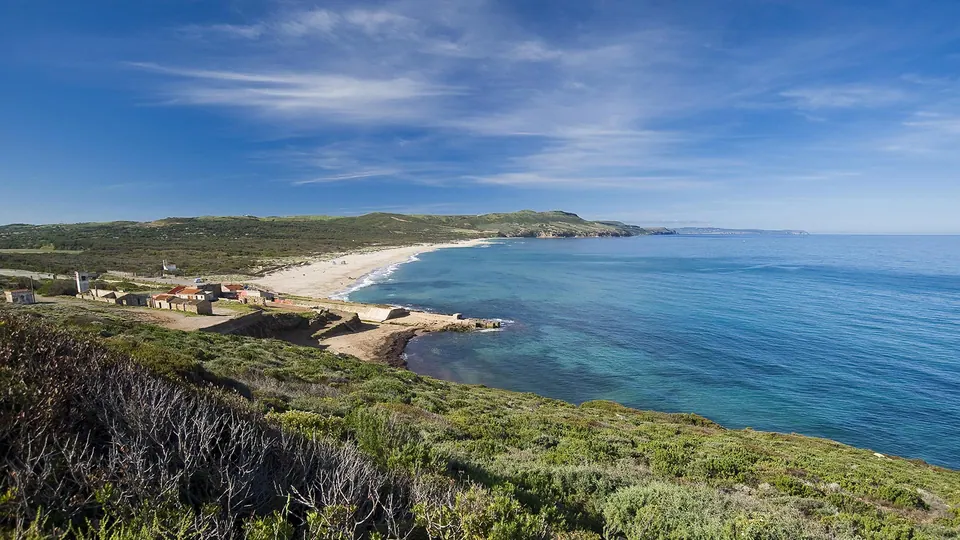 South West
The beach of Fontanamare is made up of middle-grained golden sand.
Read on Sardinia Magazine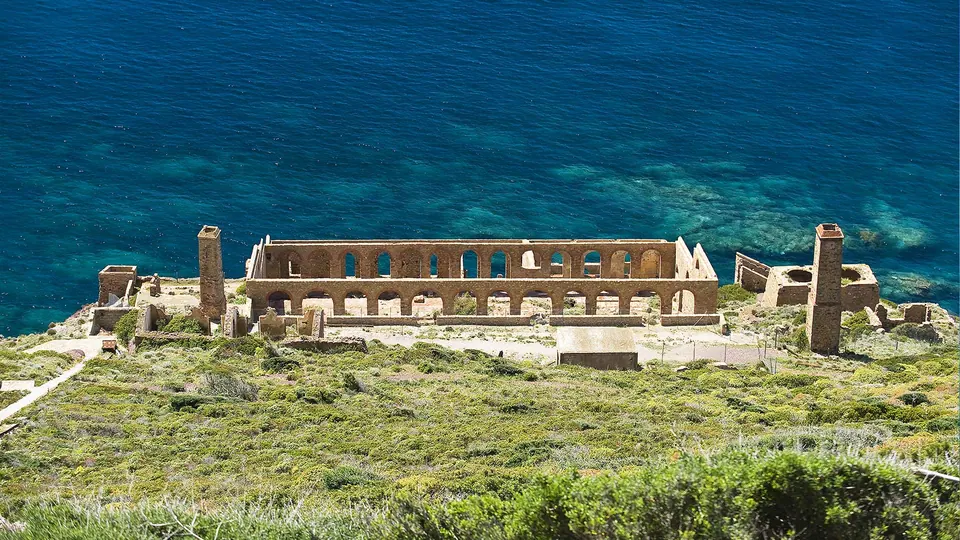 South West
The Laveria Lamarmora consists of the ruins of old industrial buildings dating back to 1897, used for the cleaning and selection of lead and zinc minerals, which arrived there from the mines of the area…
Read on Sardinia Magazine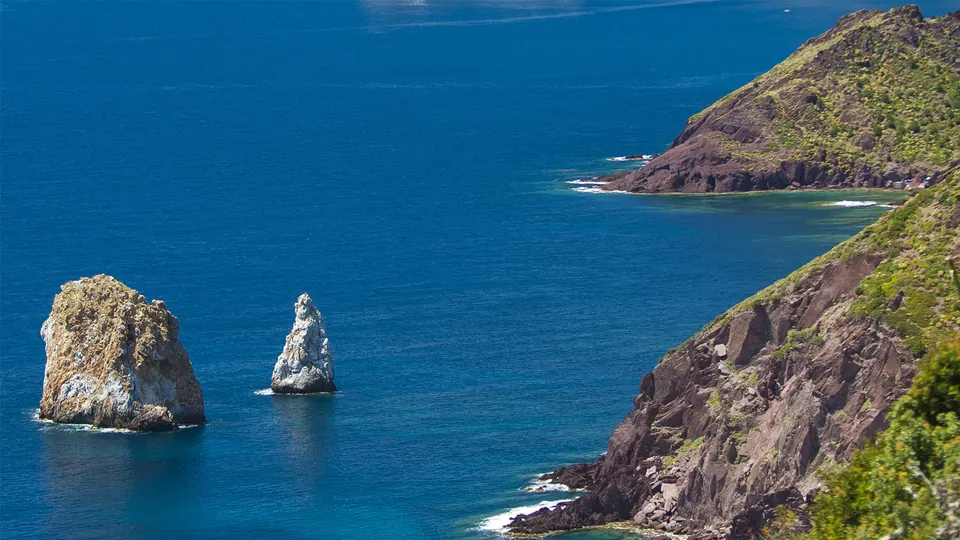 South West
Porto Banda is a small cove made up of pebbles, lapped by a crystalline sea of a light blue colour.
Read on Sardinia Magazine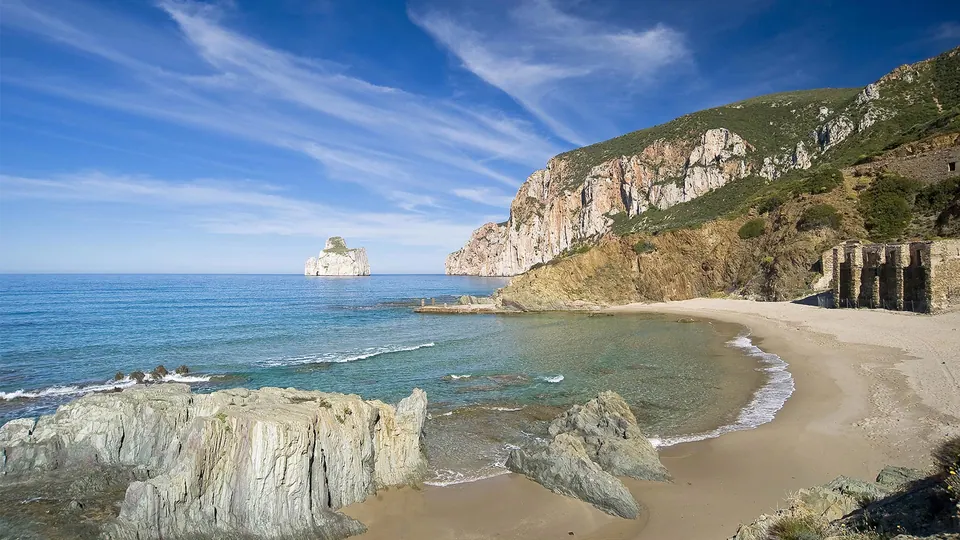 South West
This beach is characterized by middle-grained golden sand.
Read on Sardinia Magazine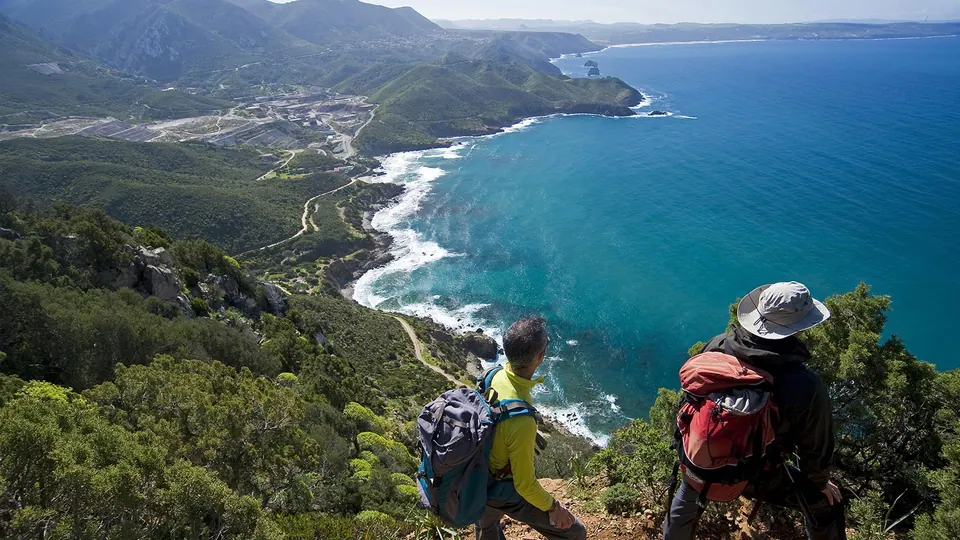 South West
This beach is divided into two small coves made up of pebbles and rocks.
Read on Sardinia Magazine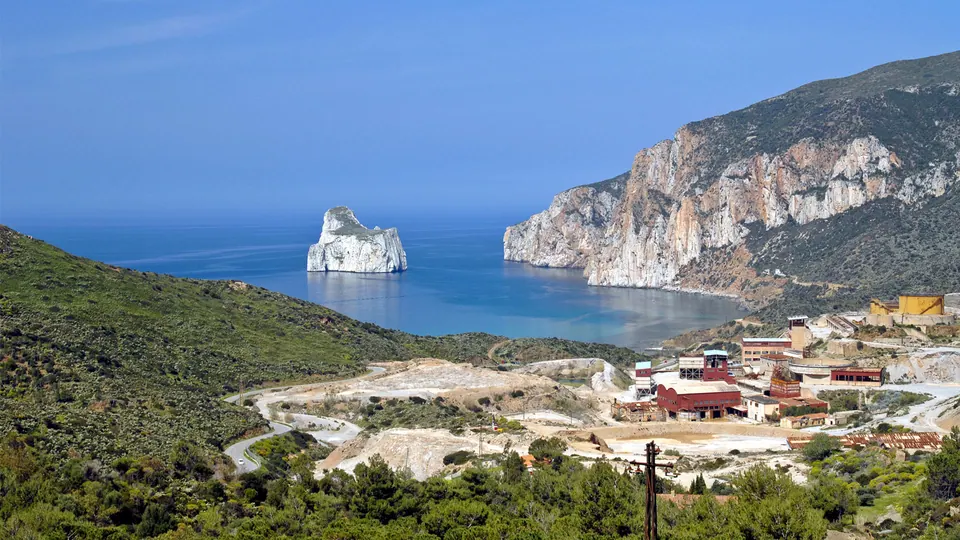 South West
Porto Flavia is an example of high technology.
Read on Sardinia Magazine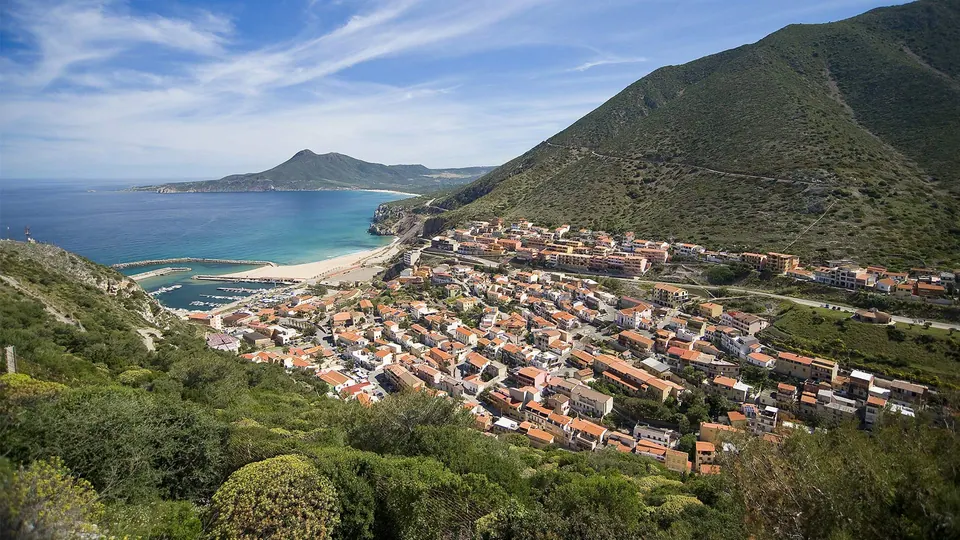 South West
Buggerru is a town of about 1200 inhabitants.
Read on Sardinia Magazine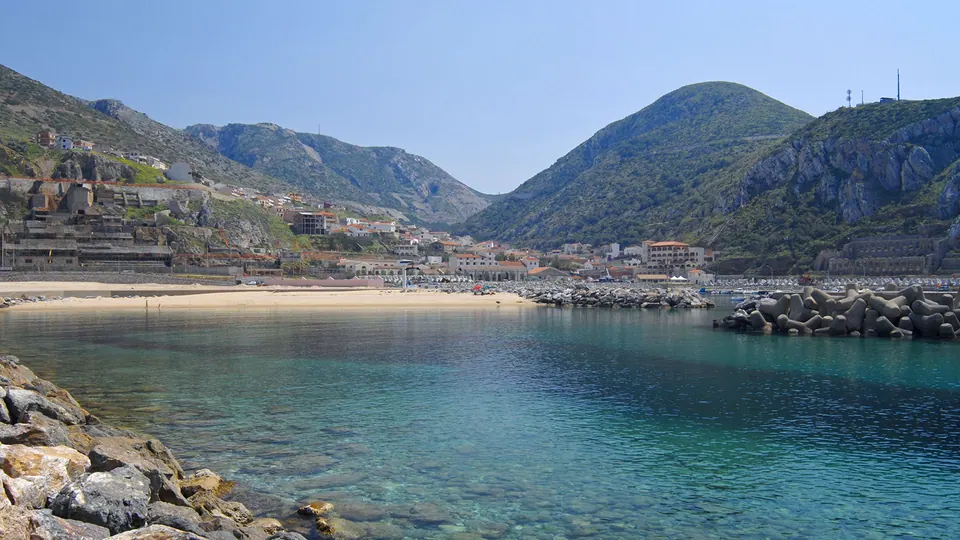 South West
 South West
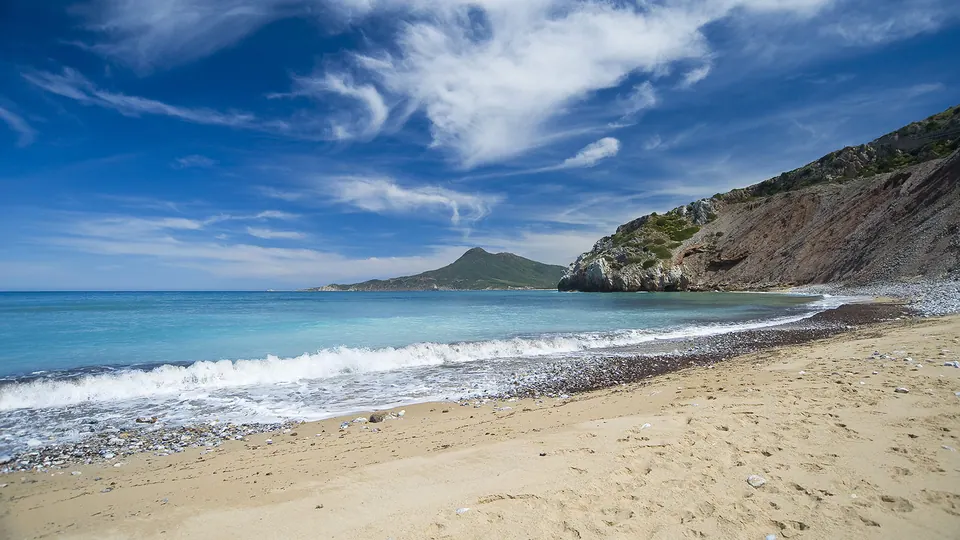
This beach boasts middle-grained golden sand, a light blue sea and a sandy seabed.
Read on Sardinia Magazine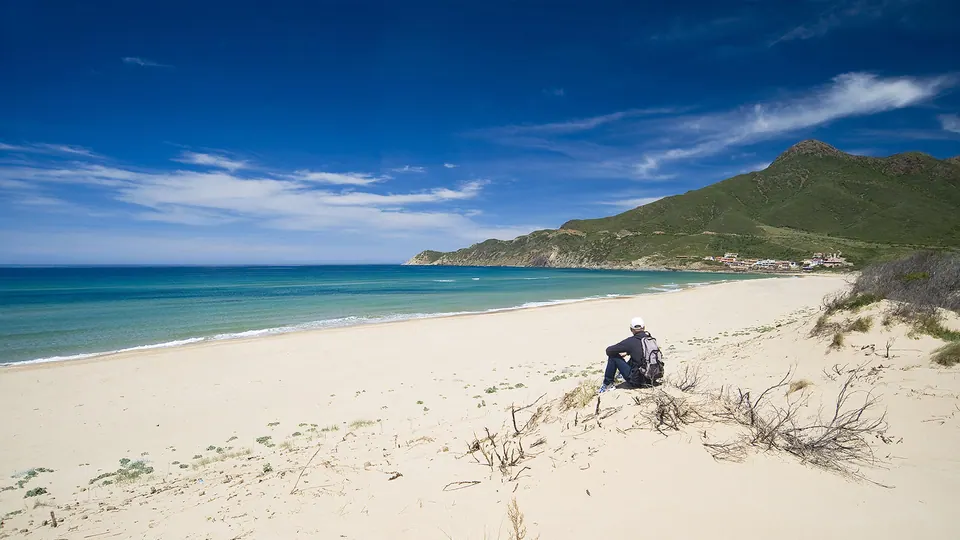 South West
This is a very long beach stretching out for about 3 km.
Read on Sardinia Magazine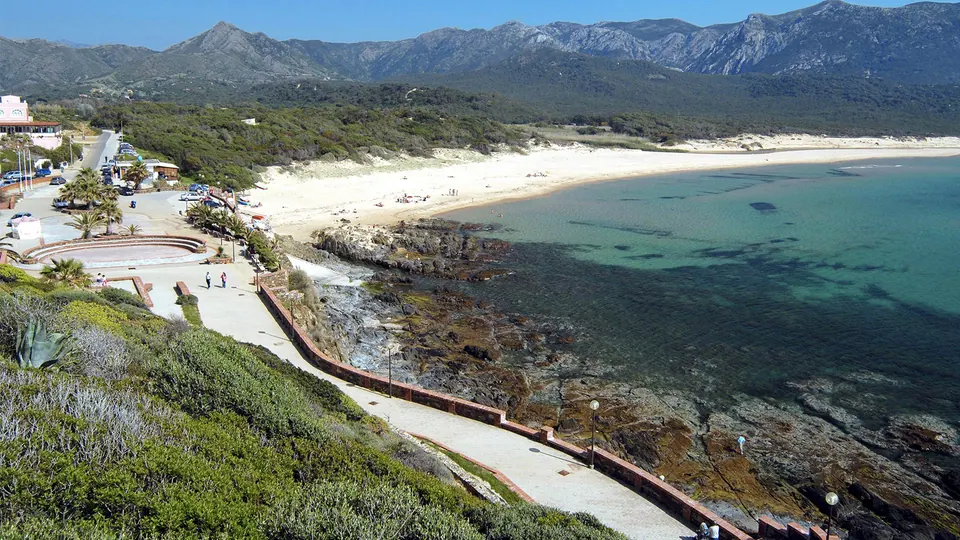 South West
This beach is the natural continuation of the beach of San Nicolò in the municipality of Buggerru.
Read on Sardinia Magazine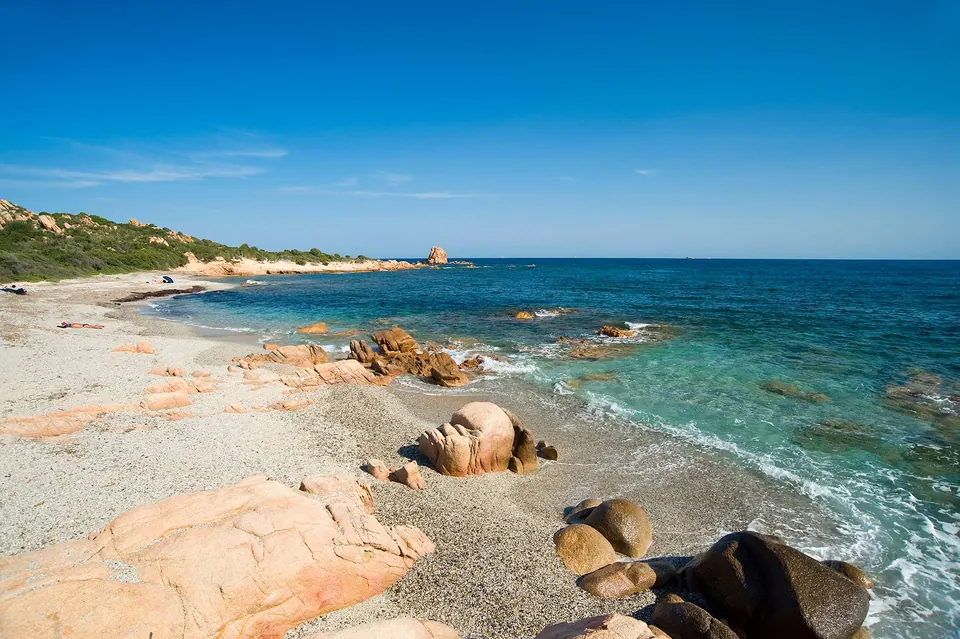 South East
This beach is enchanting, wild and not very crowded.
Read on Sardinia Magazine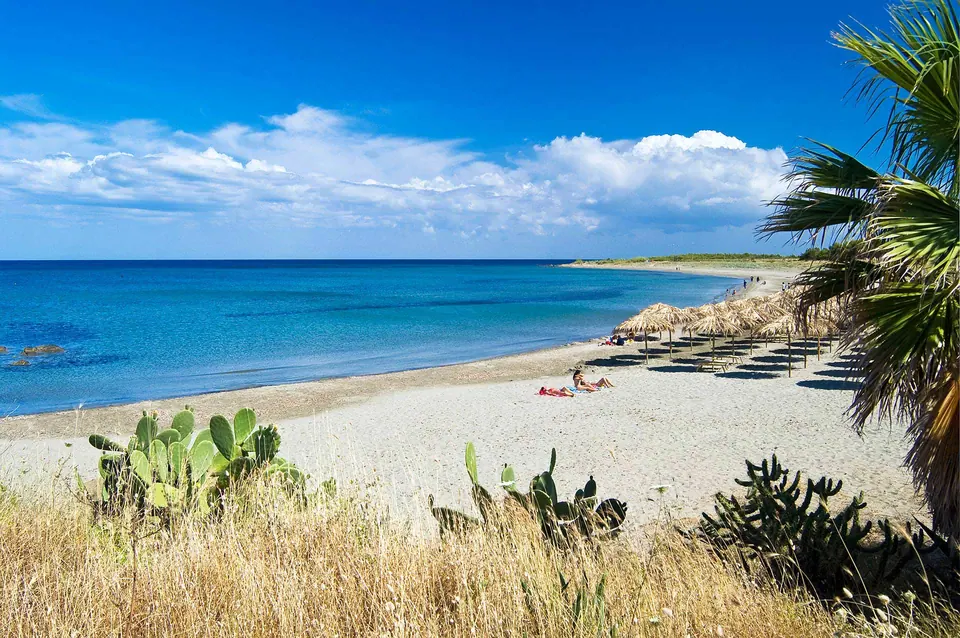 South East
This beach, which is approximately 800 metres long, has fine grey sand.
Read on Sardinia Magazine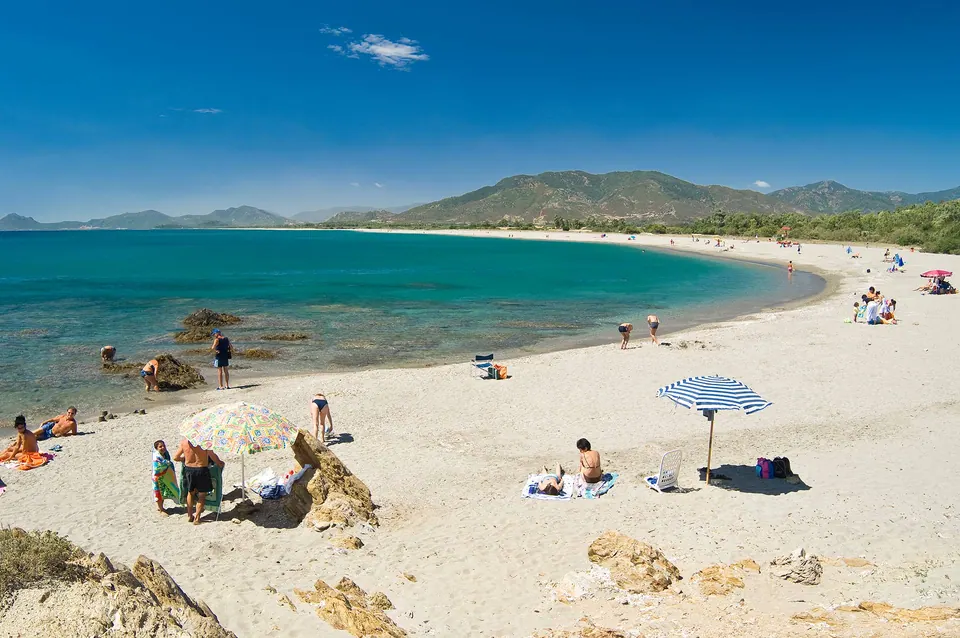 South East
Characterized by coarse-grained grey sand, this beach has clear and not very deep waters.
Read on Sardinia Magazine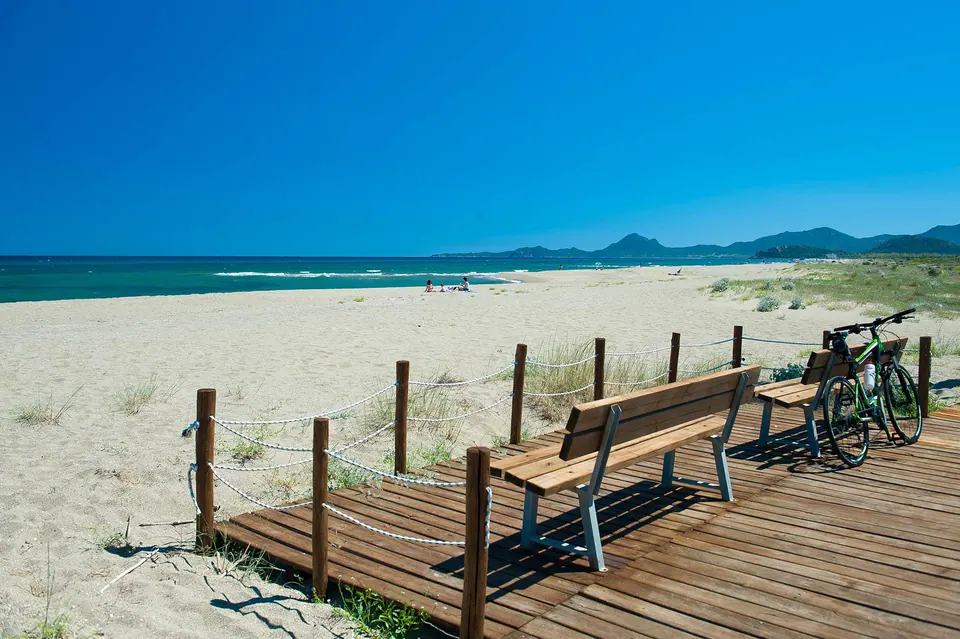 South East
This beach, which is 1.5 km long, is characterized by fine white sand mixed with seashells; it has crystal clear shallow waters and a sandy seabed, ideal for families with children.
Read on Sardinia Magazine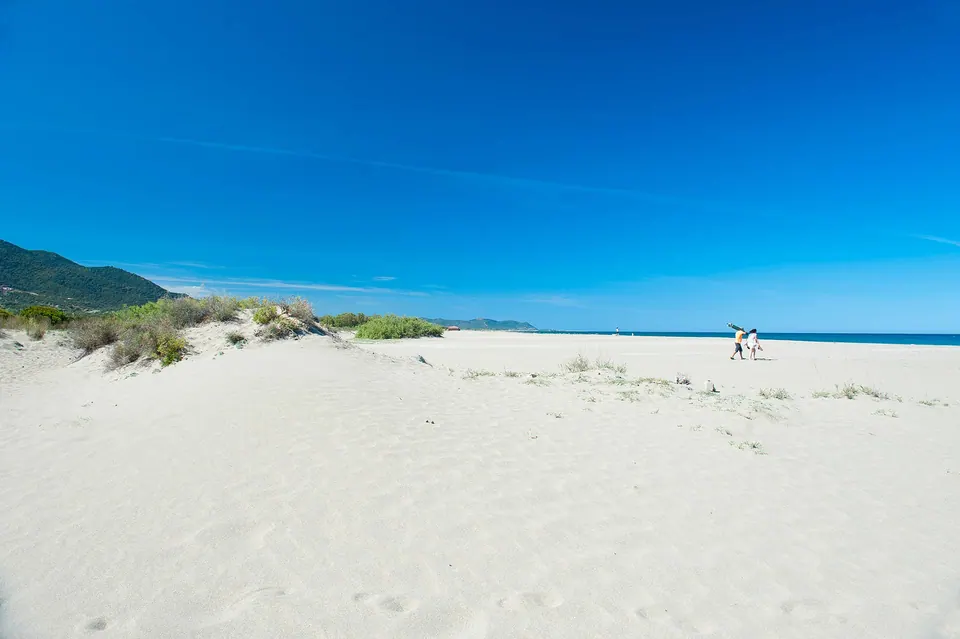 South East
The beach of Capo Picci is characterized by coarse-grained light coloured sand mixed with seashells.
Read on Sardinia Magazine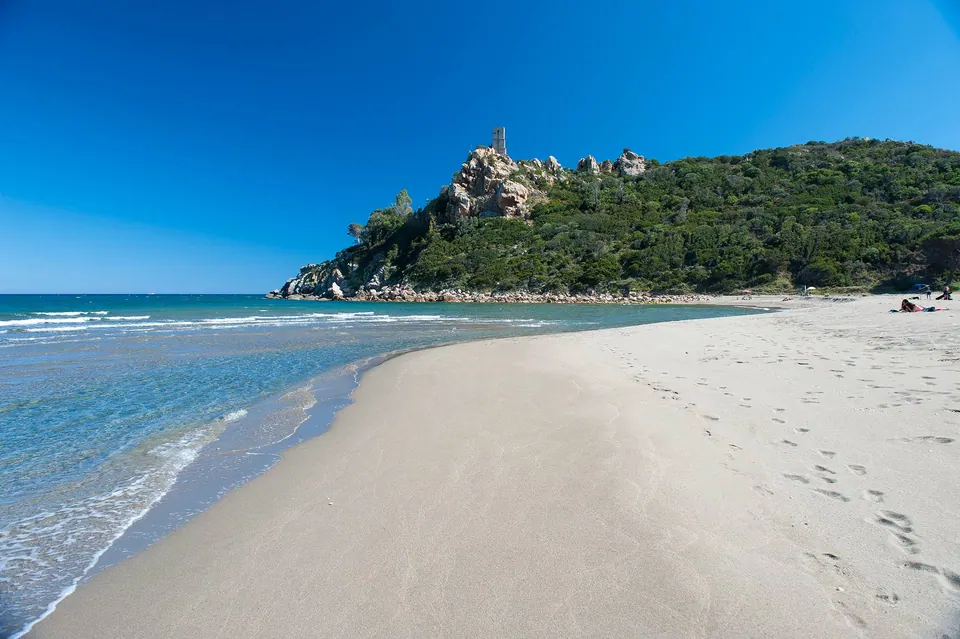 South East
This large beach is bordered on the western side by the promontory topped by Torre Salinas, a tower built approximately in 1650 to guard the saltpans of Colostrai and the surroundings.
Read on Sardinia Magazine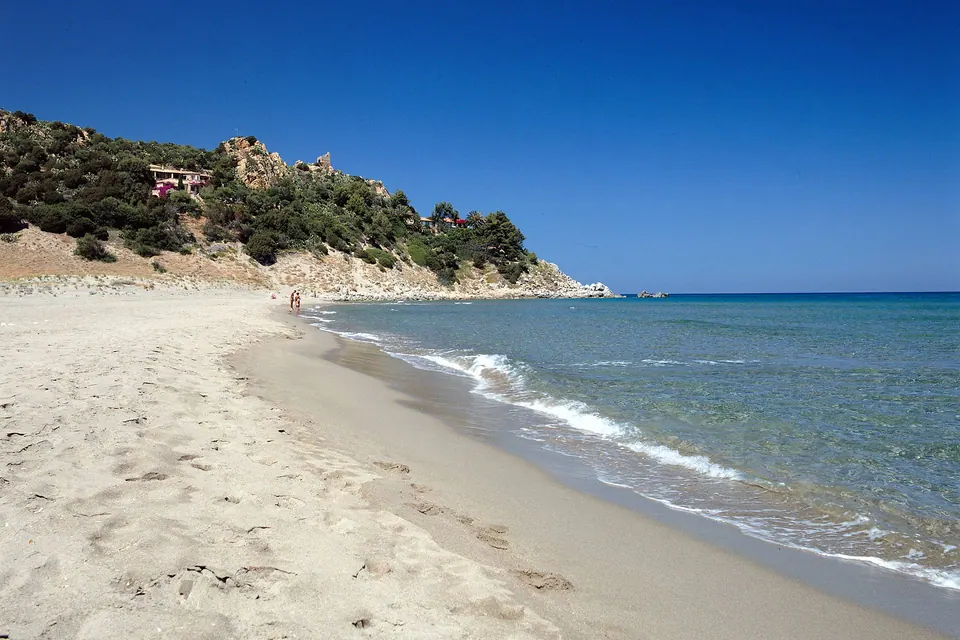 South East
This beach is several kilometres long and has fine, light-coloured, golden sand.
Read on Sardinia Magazine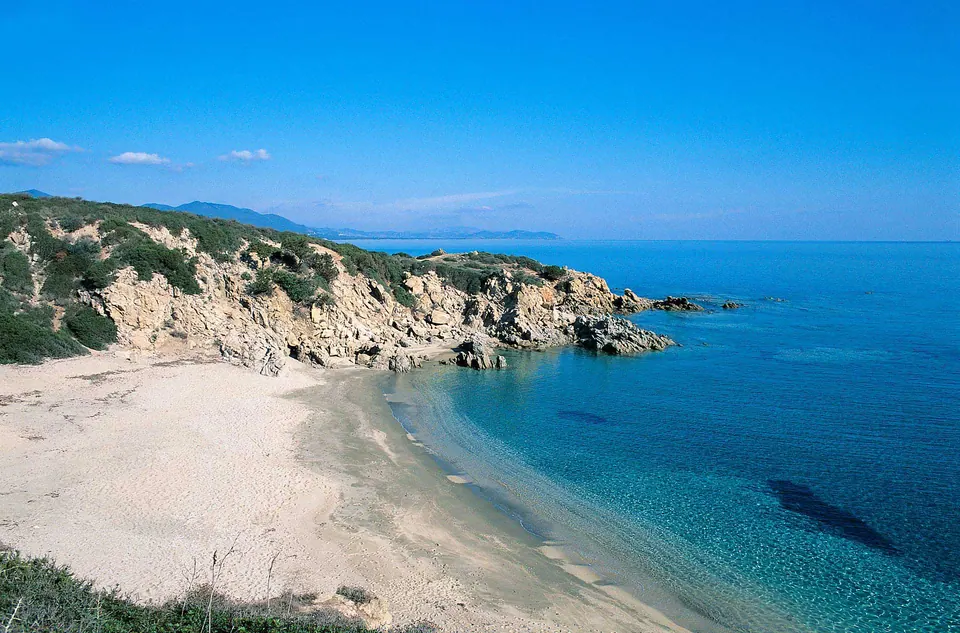 South East
This beach, which is about 4 km long, is characterized by fine cream-coloured sand, crystal clear shallow waters and a sandy seabed.
Read on Sardinia Magazine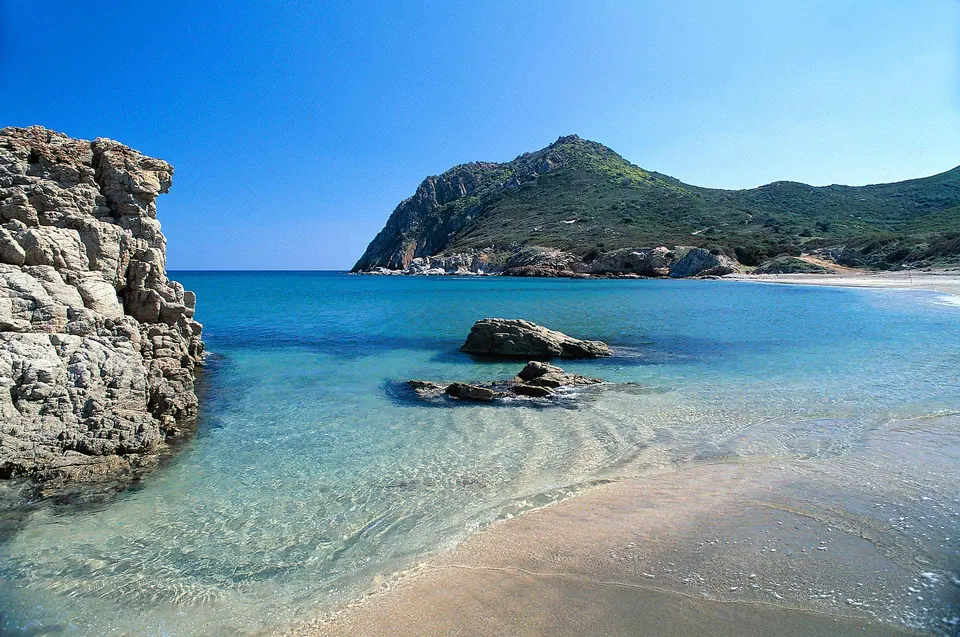 South East
These two small coves are set between the two beaches of Capo Ferrato and Feraxi.
Read on Sardinia Magazine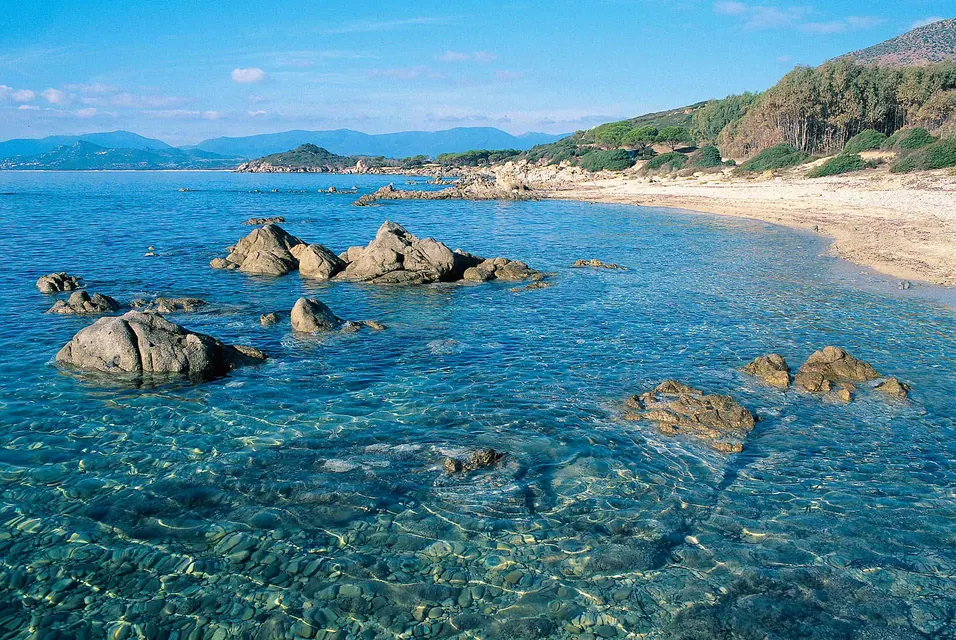 South East
 South East
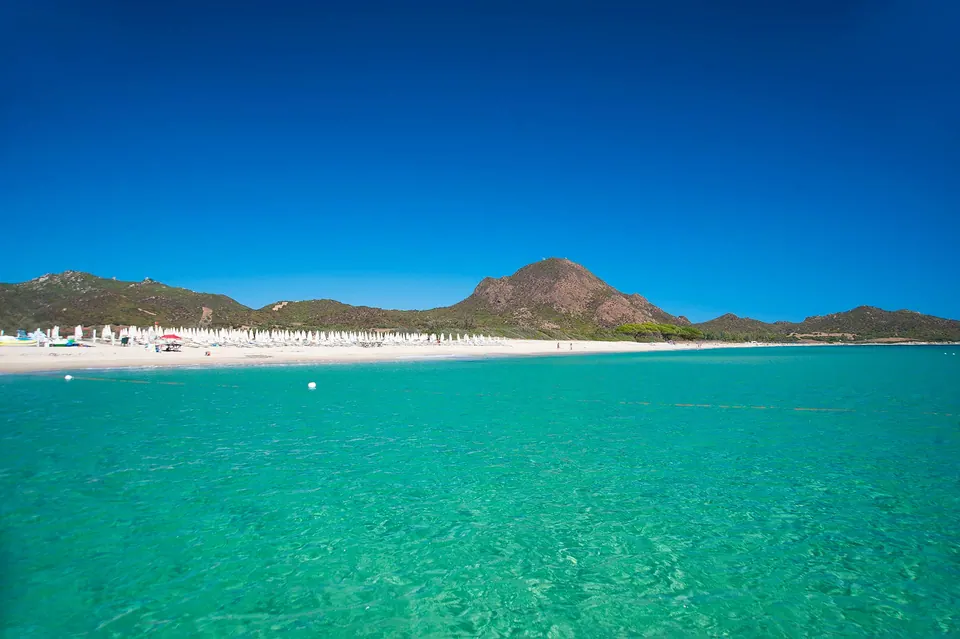
This long beach, characterized by very fine white sand, boasts crystal clear shallow waters of an intense light blue colour and has a sandy seabed.
Read on Sardinia Magazine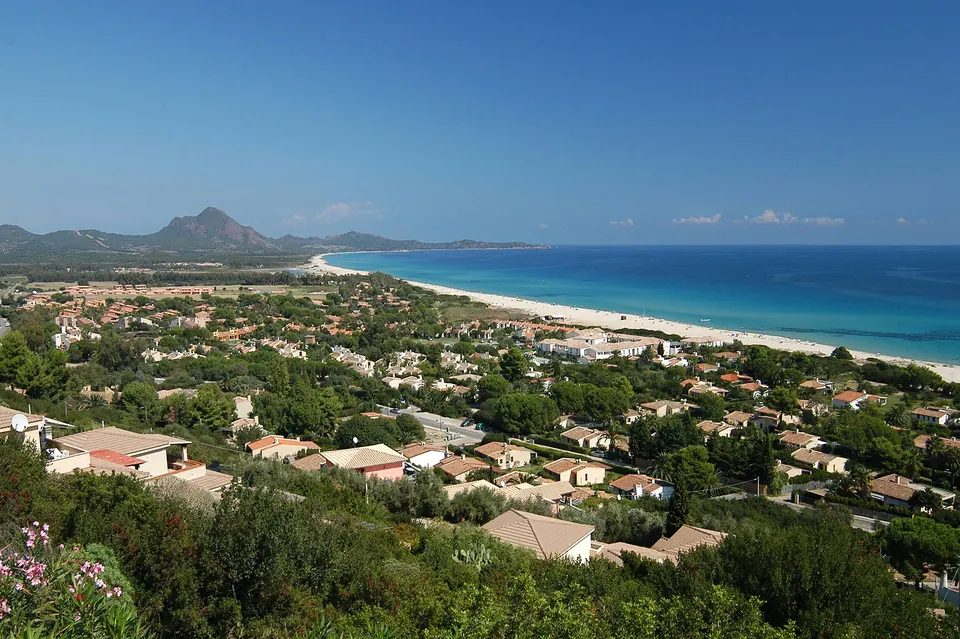 South East
Piscina Rei is a part of an extremely long beach stretching out for some kilometres between Capo Ferrato and Punta Is Cappucinus.
Read on Sardinia Magazine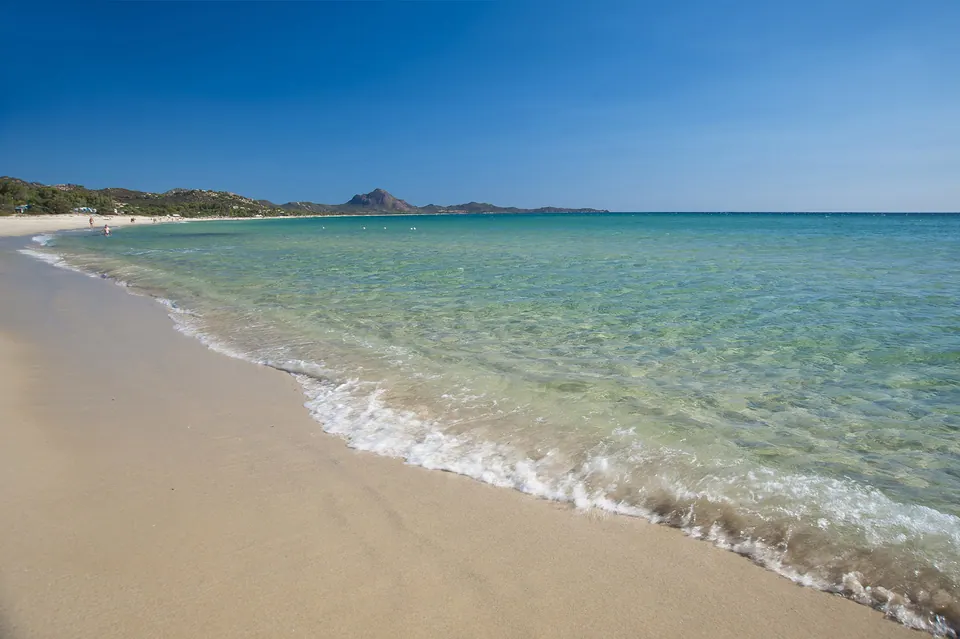 South East
Similarly to the beach of Piscina Rei, of which it is a natural continuation, this beach extends for some kilometres with fine cream-coloured sand.
Read on Sardinia Magazine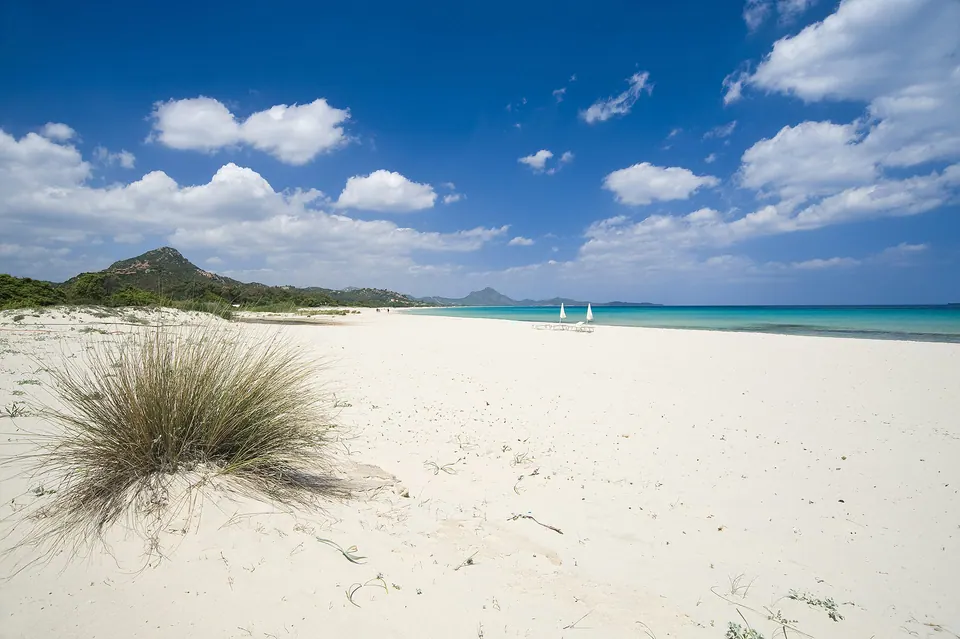 South East
This beautiful large beach is characterized by very fine white sand, has crystal clear shallow waters and a sandy seabed, particularly suitable for families with children.
Read on Sardinia Magazine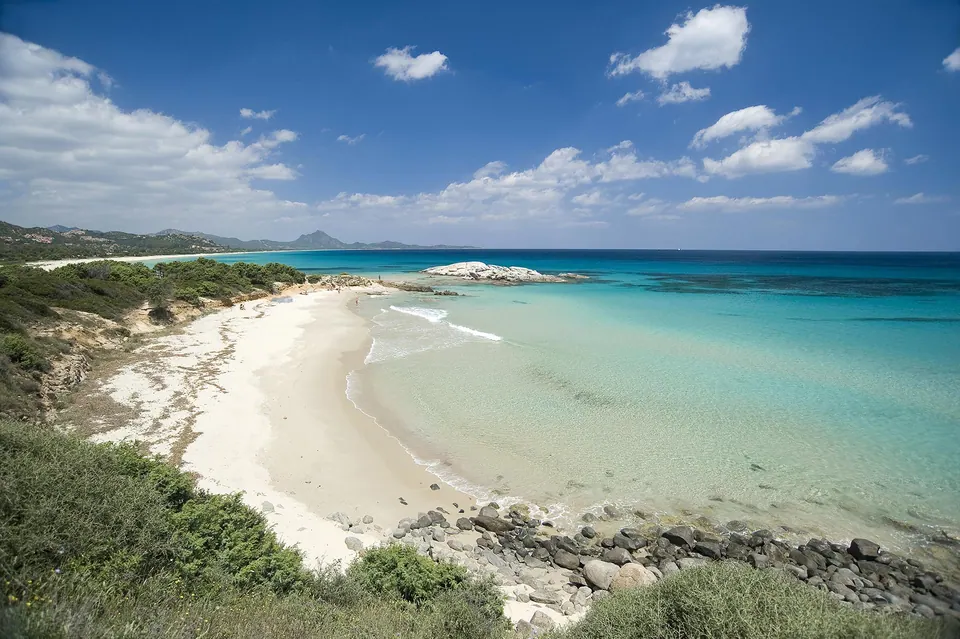 South East
This beach is set in a unique natural landscape, where the Mediterranean maquis reaches the fine cream-coloured sand.
Read on Sardinia Magazine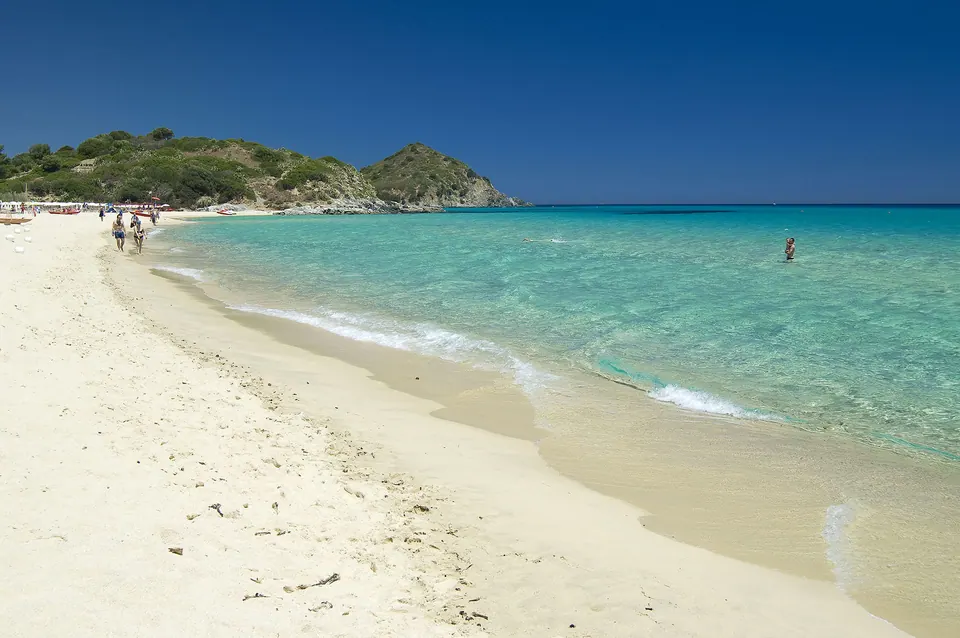 South East
This beautiful beach is characterised by fine light-coloured sand, it has crystal clear waters, and a sandy seabed.
Read on Sardinia Magazine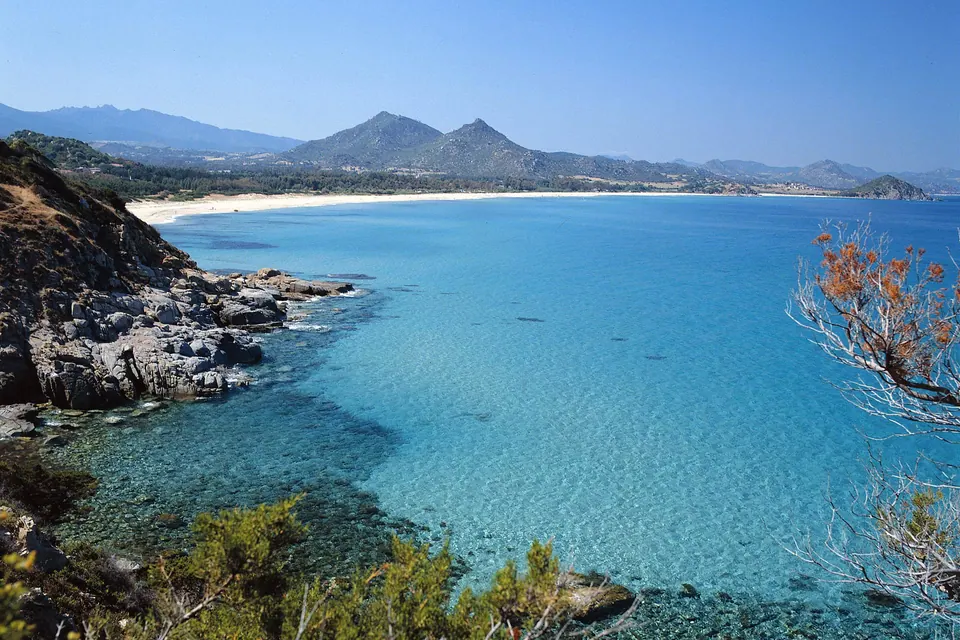 South East
Cala Sinzias is one of the most enchanting places of the area.
Read on Sardinia Magazine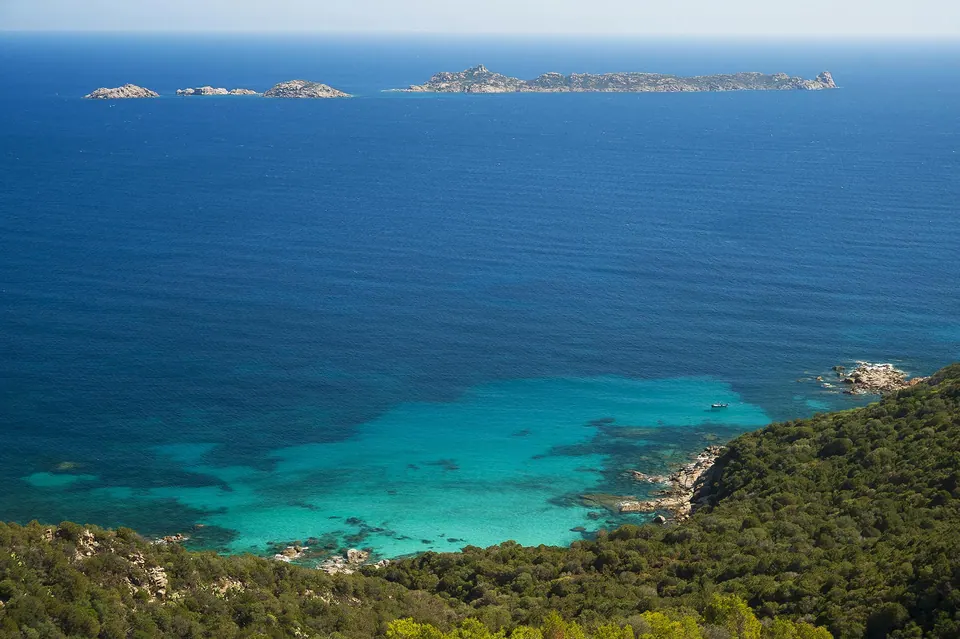 South East
The island owes its name to its shape, which resembles a snake with the head turned southward.
Read on Sardinia Magazine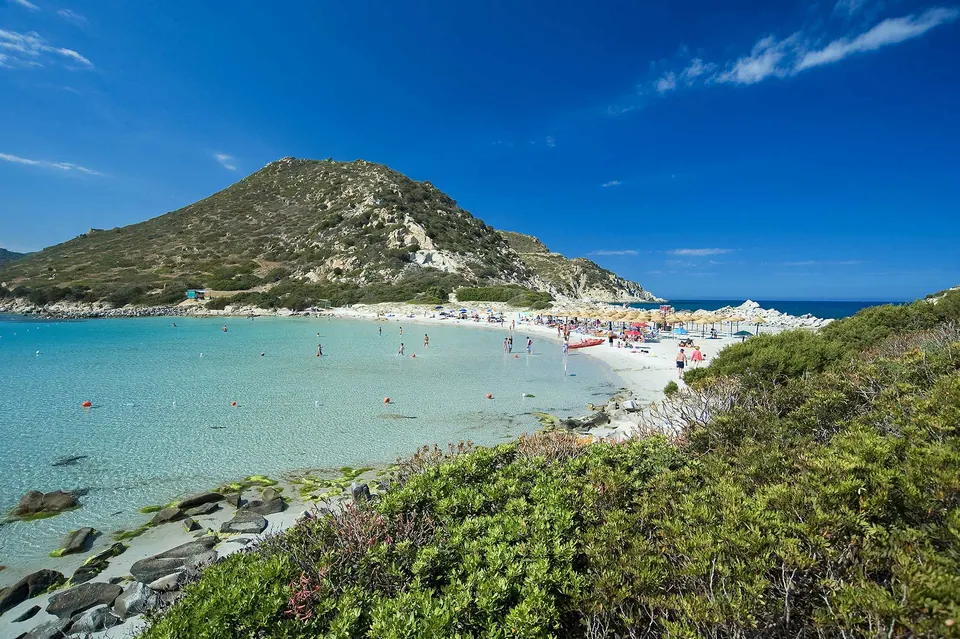 South East
This small beach is set in an enchanting natural backdrop, and is a part of the Marine protected area of Villasimius.
Read on Sardinia Magazine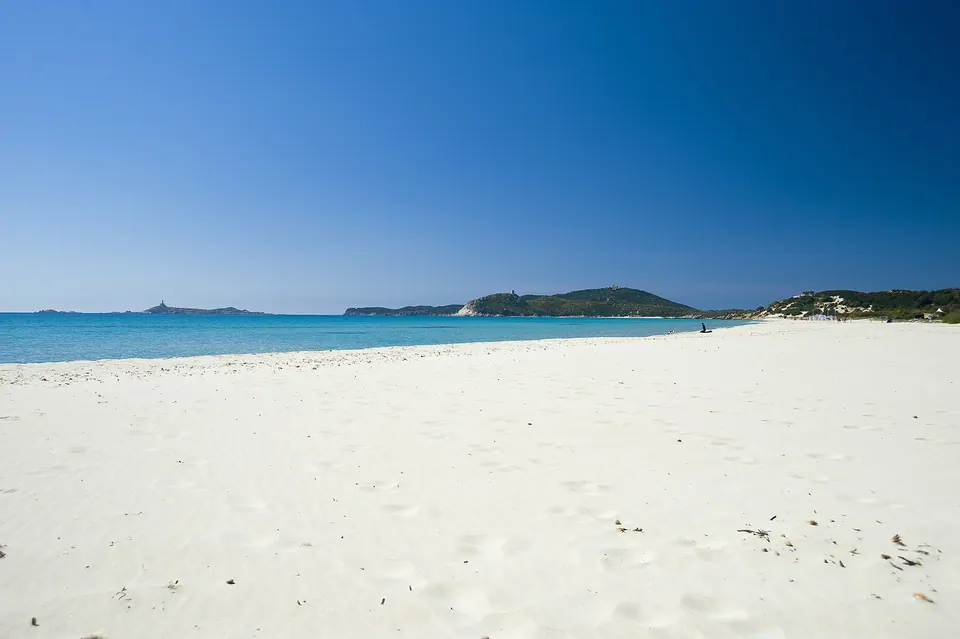 South East
This very large beach has crystal waters of an intense light blue colour and fine white sand.
Read on Sardinia Magazine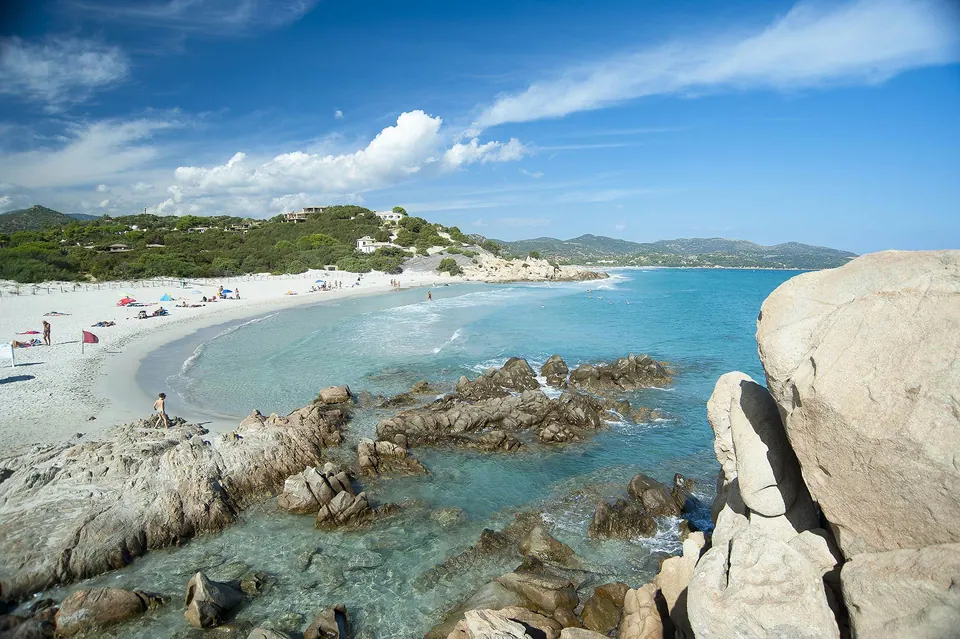 South East
The name of this beach means "Fear of loving" and derives from an ancient legend according to which some fishermen had been bewitched by the melodious singing of a mermaid.
Read on Sardinia Magazine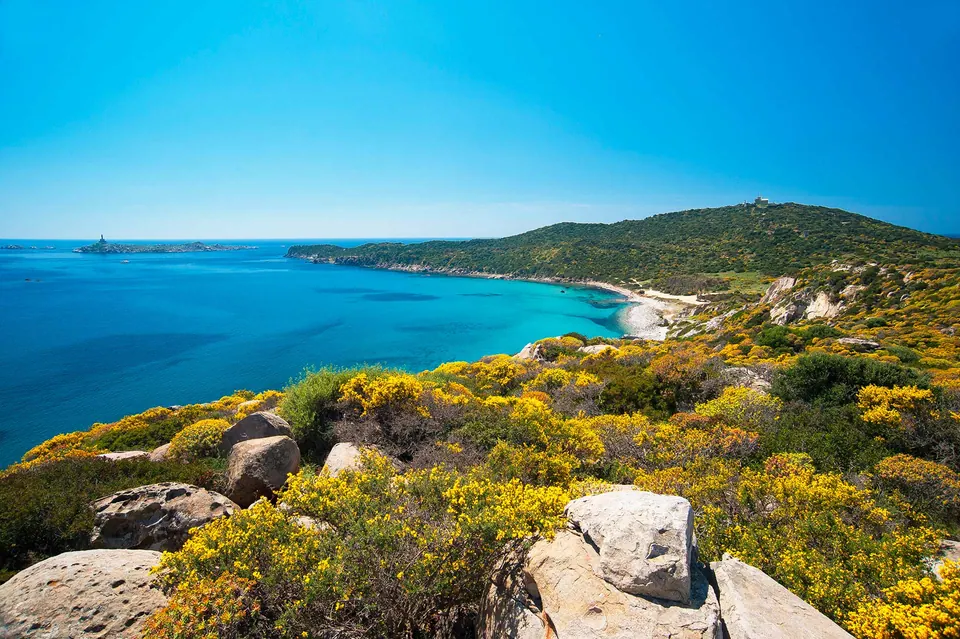 South East
This beach of Cava Usai was known in the past as Sa Cava Manna, and is a small cove surmounted by the promontory of Capo Carbonara.
Read on Sardinia Magazine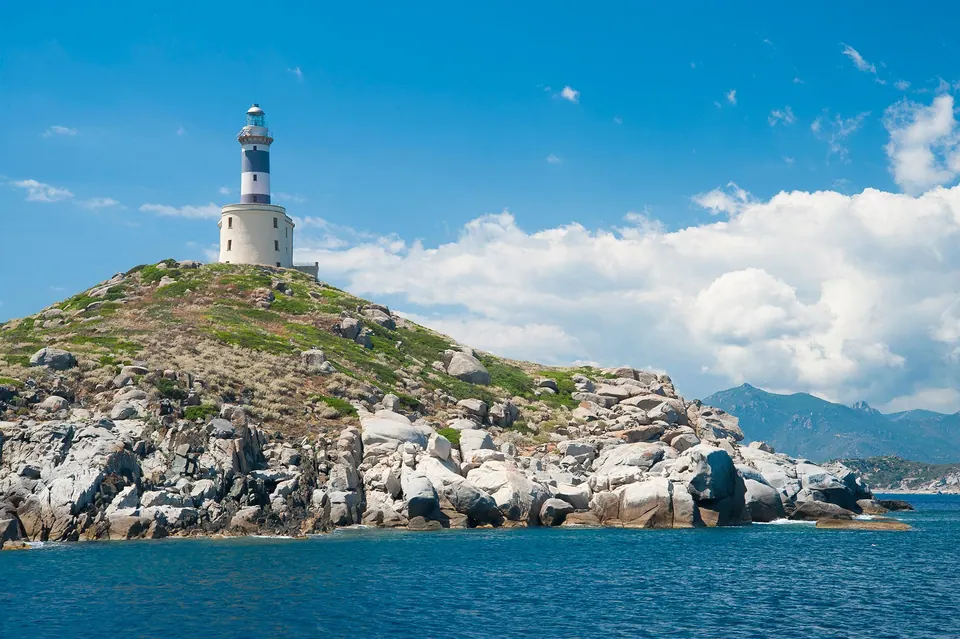 South East
Isola dei Cavoli is a small island which lies less than 1 km south-east of Capo Carbonara.
Read on Sardinia Magazine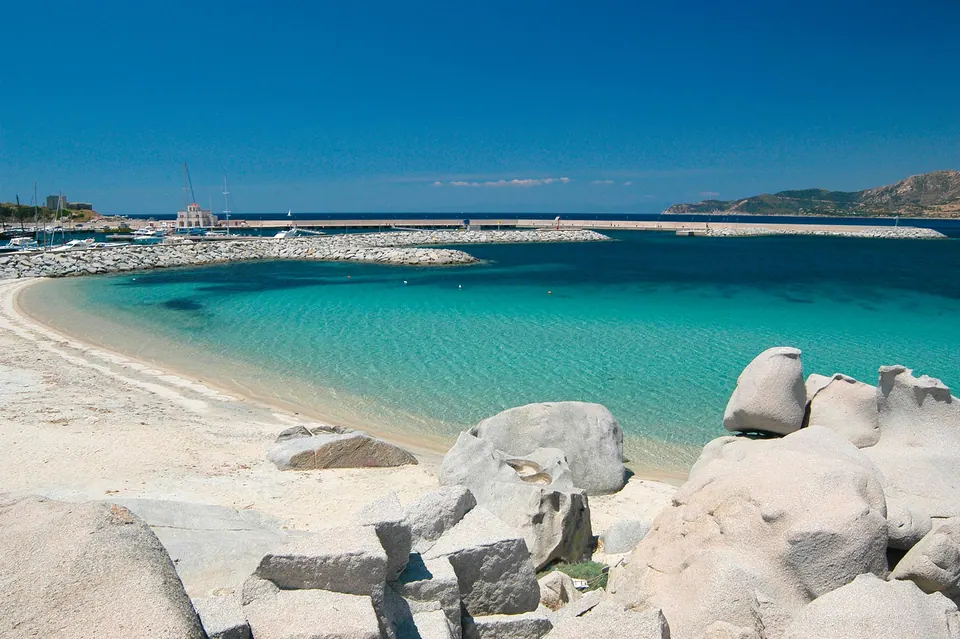 South East
This small beach, characterized by sand mixed with rocks, is close to a medieval fortress with a peculiar star shape.
Read on Sardinia Magazine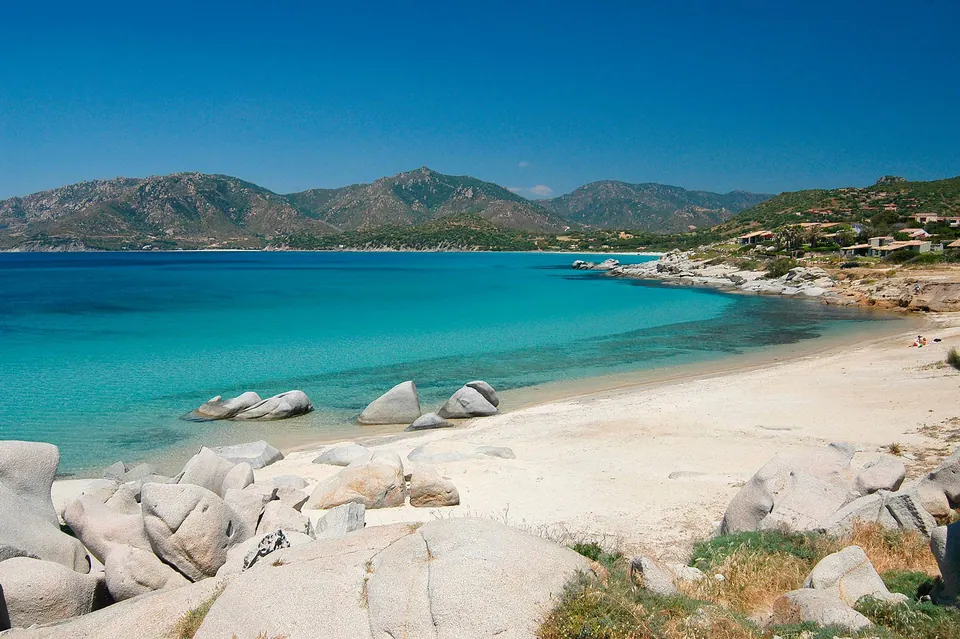 South East
The name of this beach ( Beach of Rice) derives from the peculiar size of its sand grains.
Read on Sardinia Magazine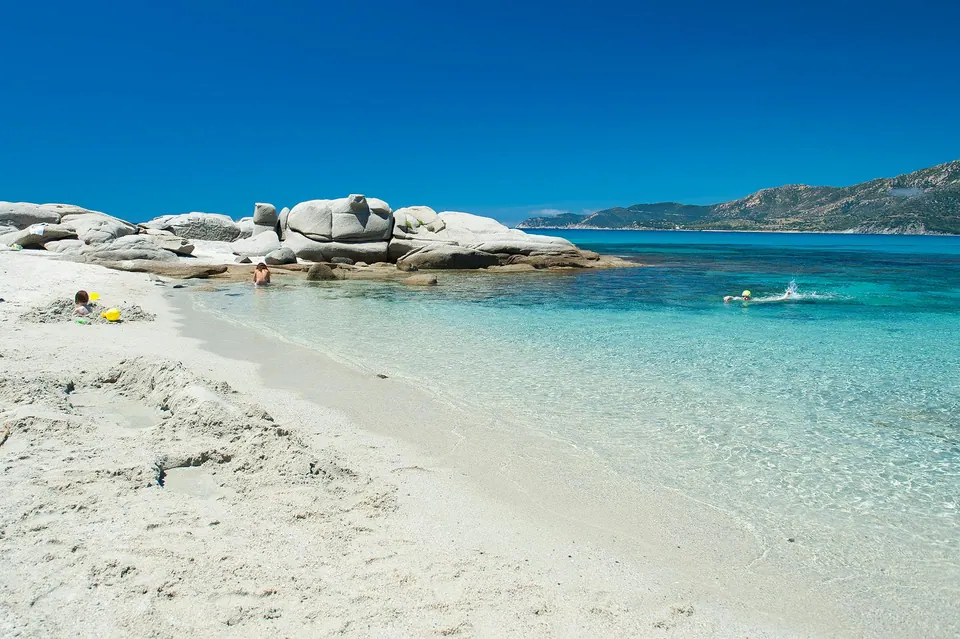 South East
This beach, which is about 500 metres long, is characterized by very fine white sand mixed with pebbles.
Read on Sardinia Magazine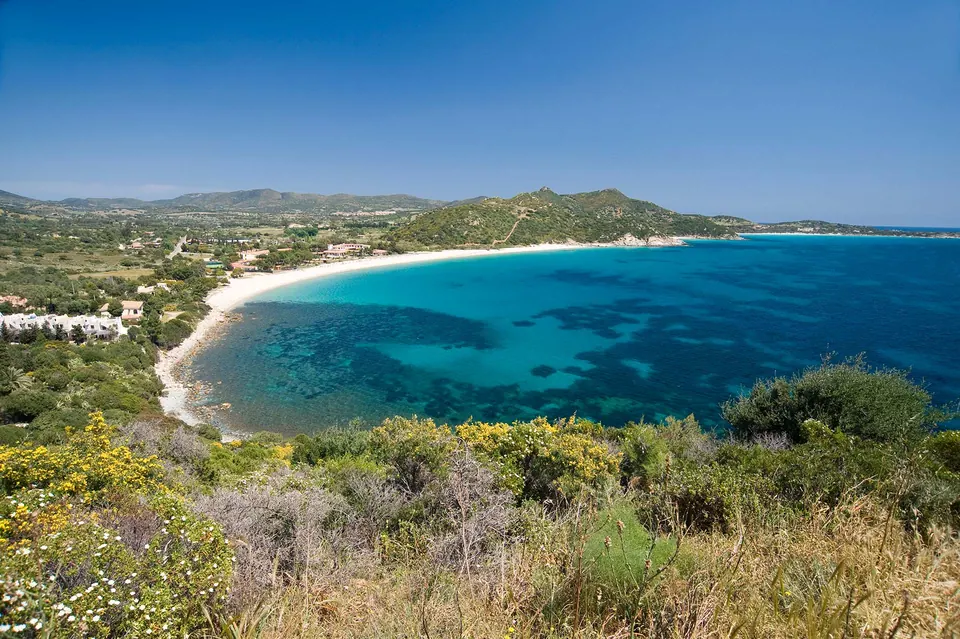 South East
This beach is characterized by middle-grained, golden white sand mixed with some seashells.
Read on Sardinia Magazine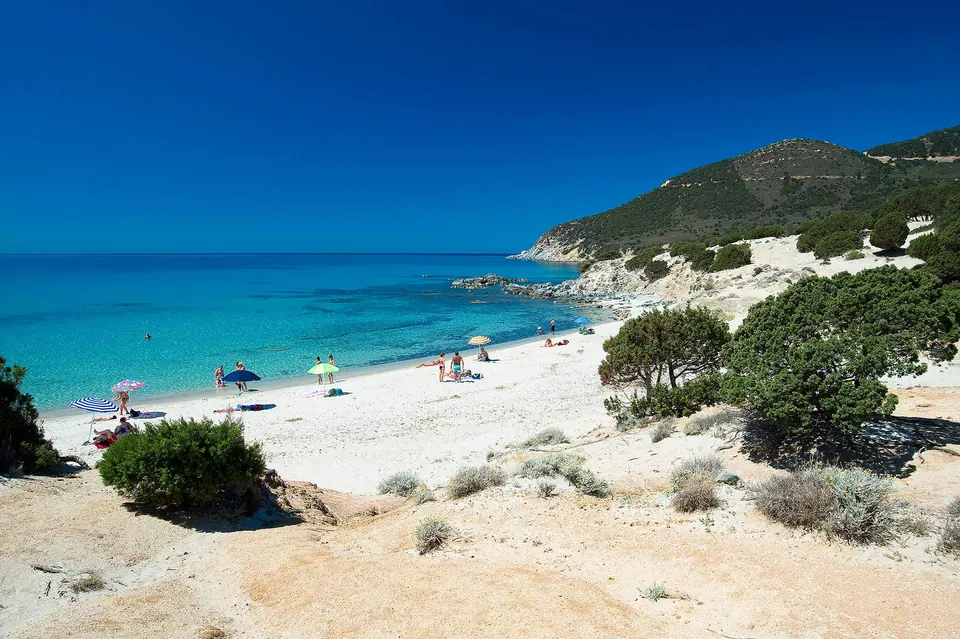 South East
This beach, which is also called "Cove of the red ant", is characterized by coarse-grained, grey and golden sand, and has crystal clear waters.
Read on Sardinia Magazine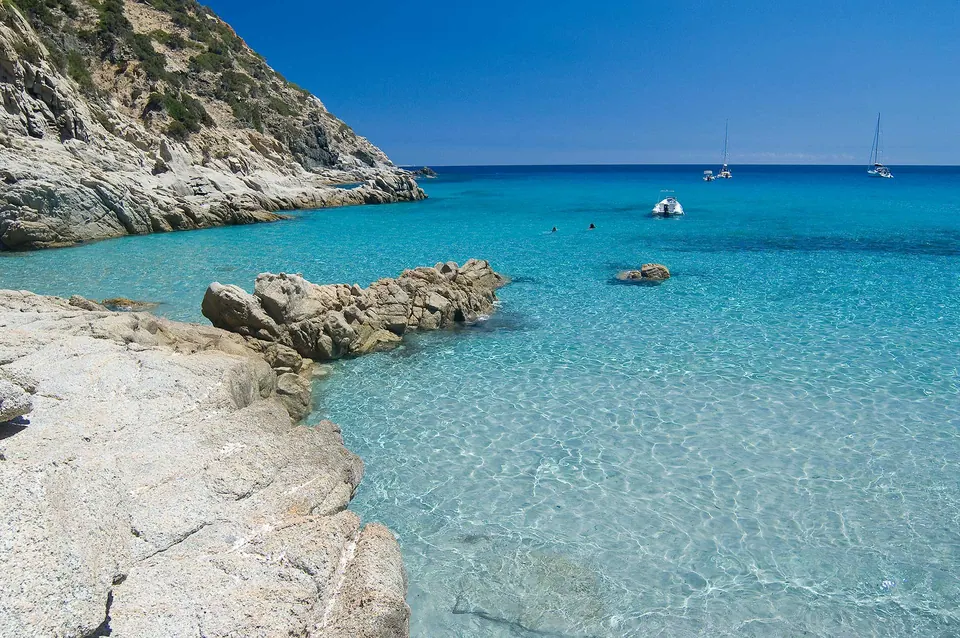 South East
The promontory of Capo Boi is located right on the side of Porto Sa Ruxi, shortly before getting to the beach of Solanas.
Read on Sardinia Magazine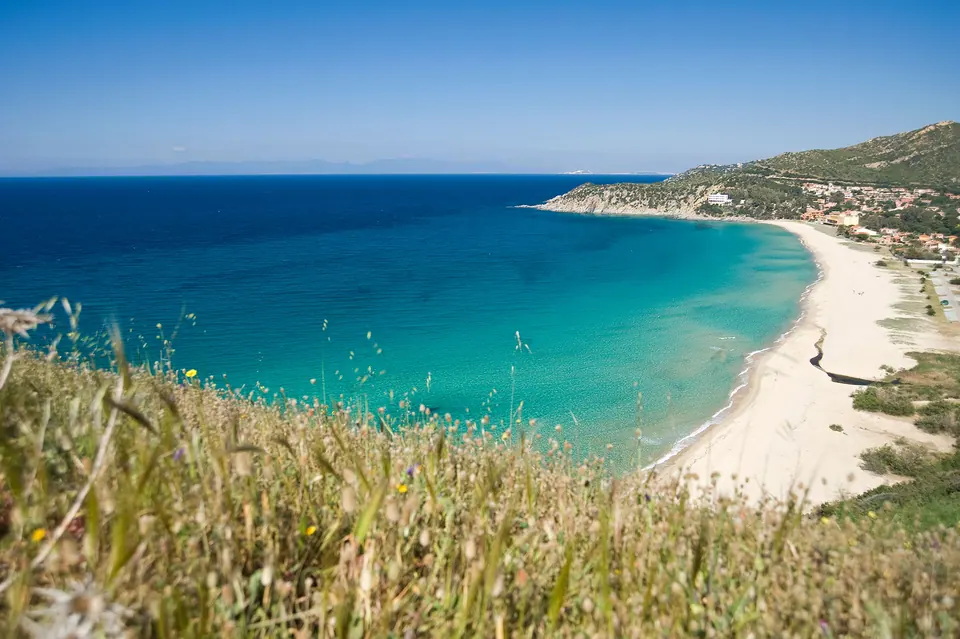 South East
This long beach is named after the Solanas river and is characterized by coarse-grained, cream-coloured sand.
Read on Sardinia Magazine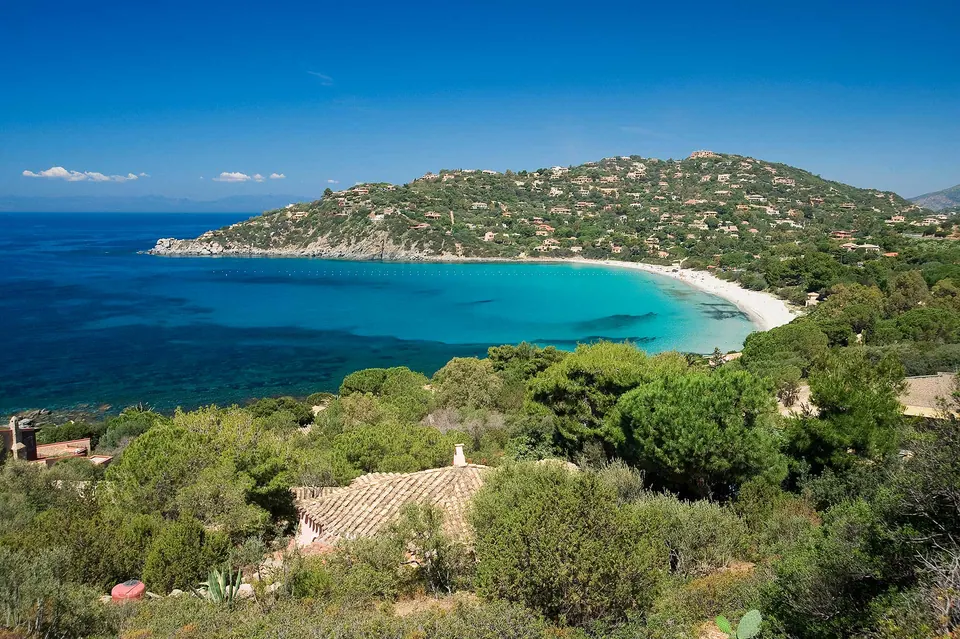 South East
Torre delle Stelle is a middle-sized beach with really fine white sand and crystalline waters.
Read on Sardinia Magazine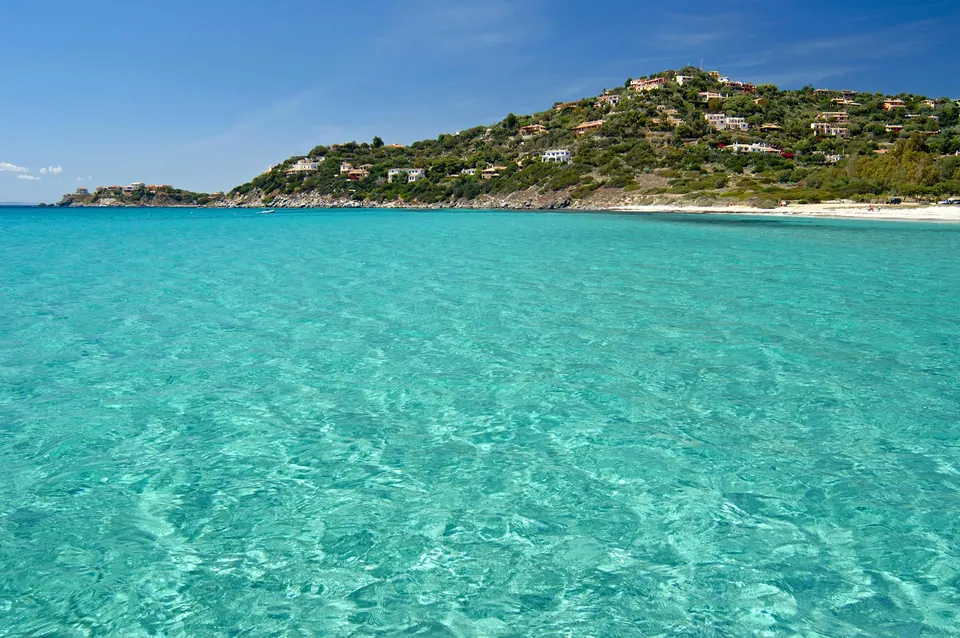 South East
This beach is hemmed in by promontories and by a thick green pinewood.
Read on Sardinia Magazine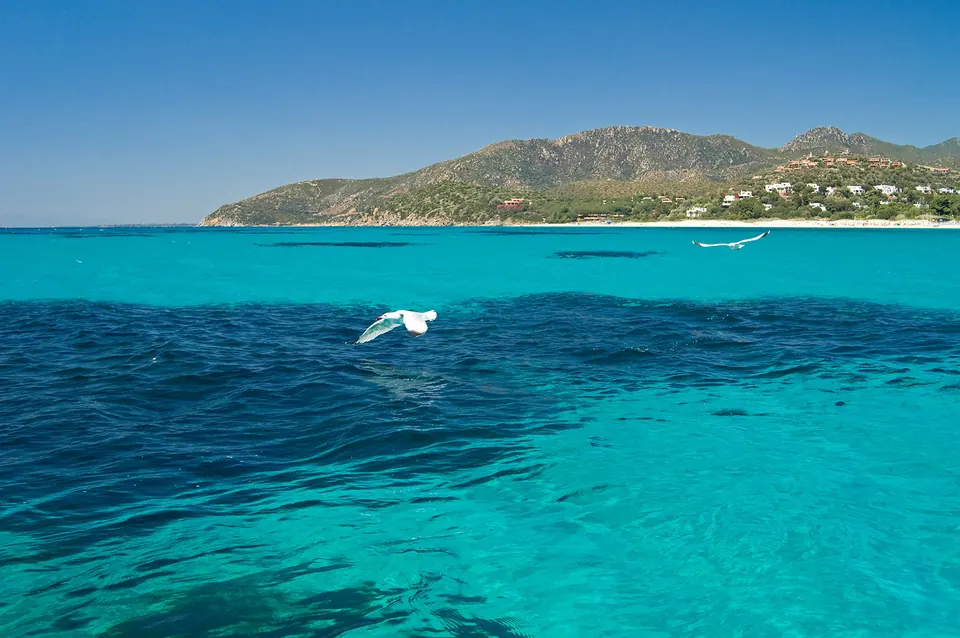 South East
This beach is a few kilometres long, and is characterized by coarse-grained, cream-coloured sand and by a sandy seabed.
Read on Sardinia Magazine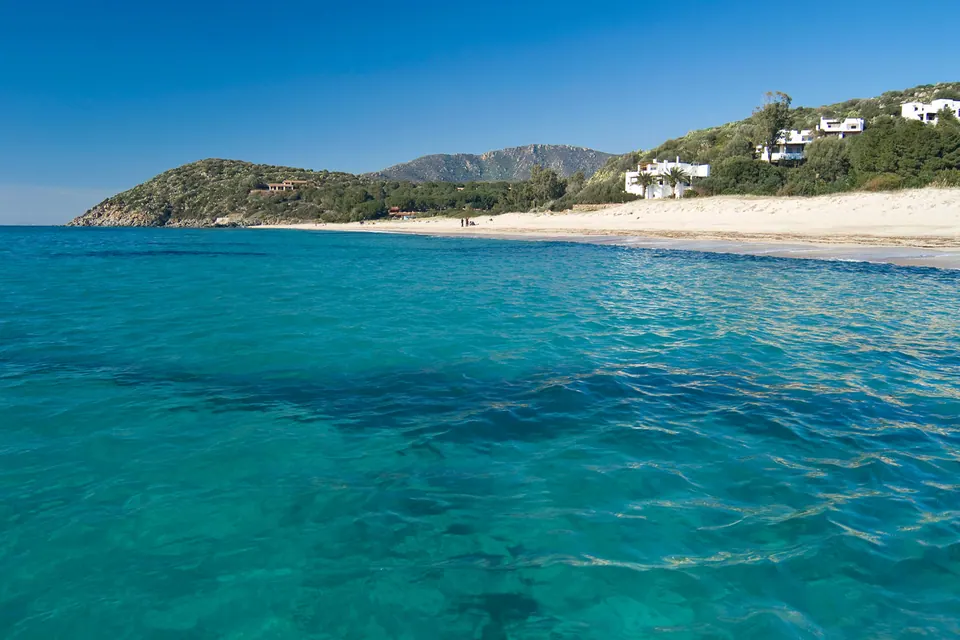 South East
Also known as "Berth of the Saracen", it is characterized by coarse-grained golden sand.
Read on Sardinia Magazine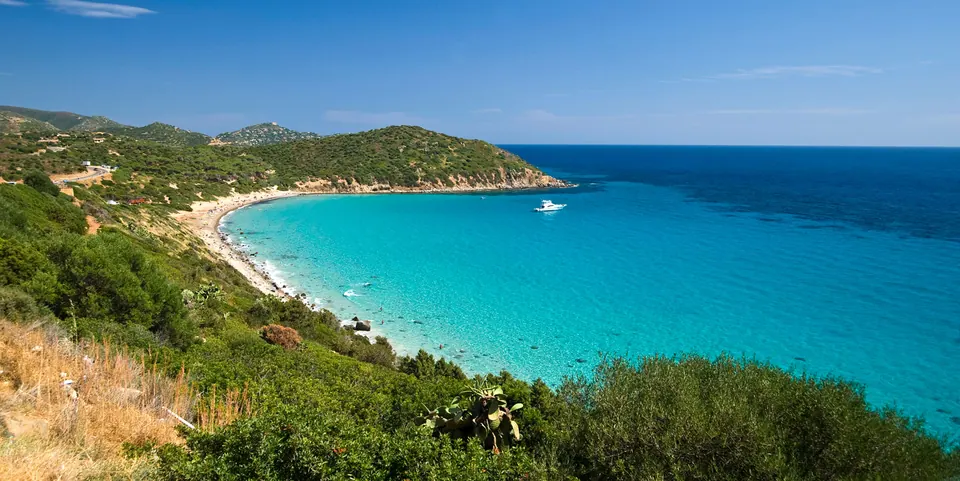 South East
The name Mari Pintau, which means 'painted sea', offers a good representation of this beach.
Read on Sardinia Magazine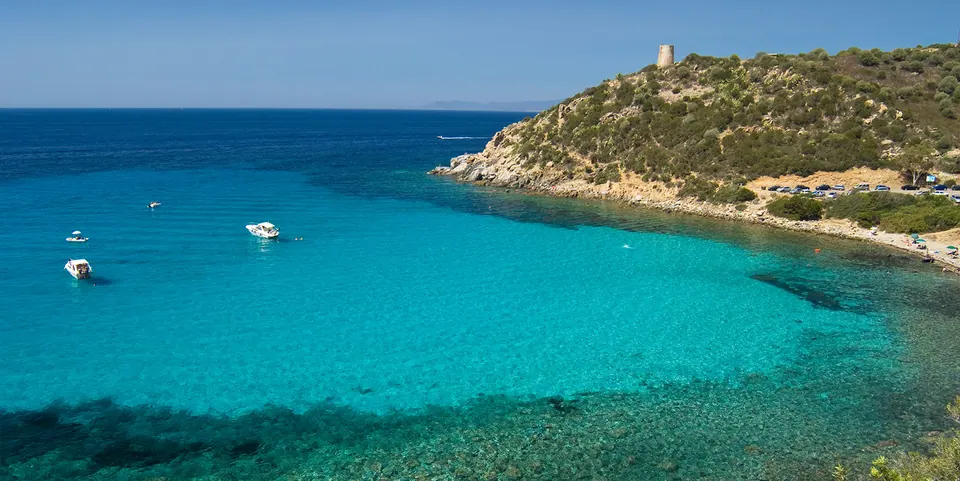 South East
This small beach is made up of pebbles of different sizes and rocks.
Read on Sardinia Magazine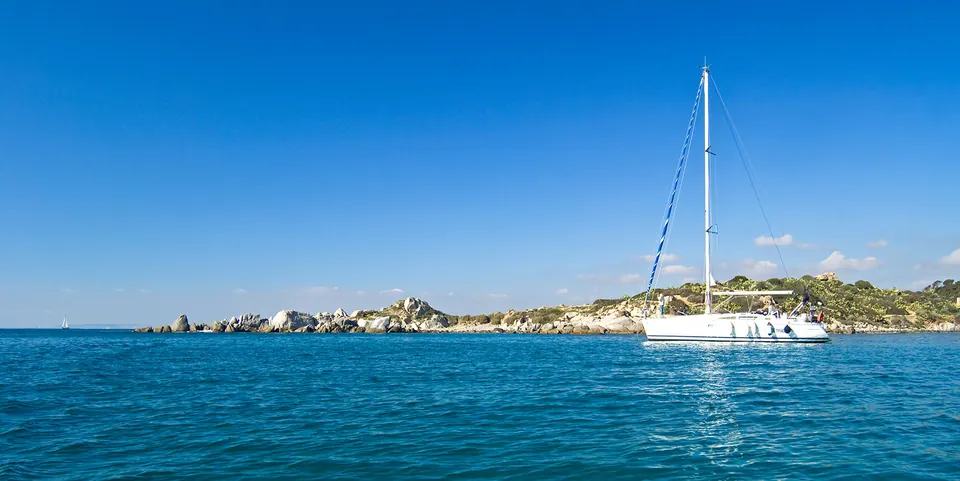 South East
The beach is made up of two small coves characterized by coarse-grained white sand mixed with smoothened large pebbles.
Read on Sardinia Magazine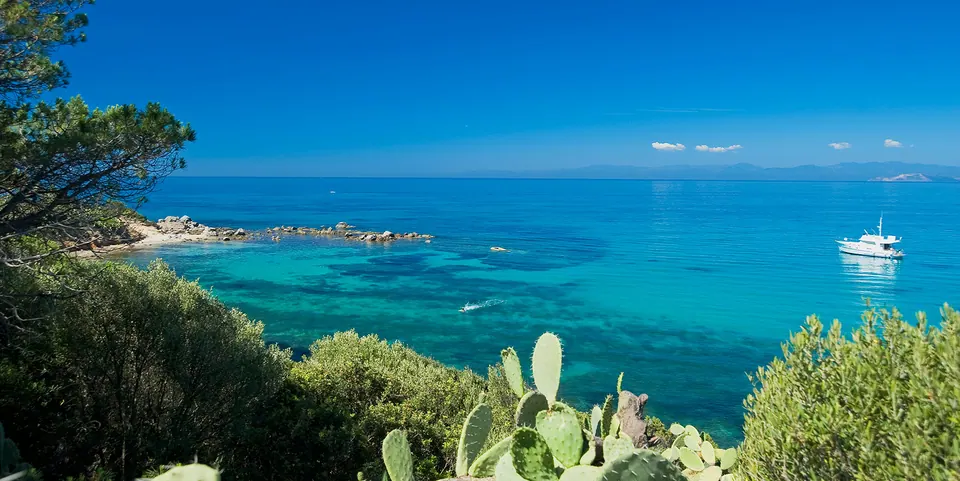 South East
This beach owes its name to a river which runs nearby.
Read on Sardinia Magazine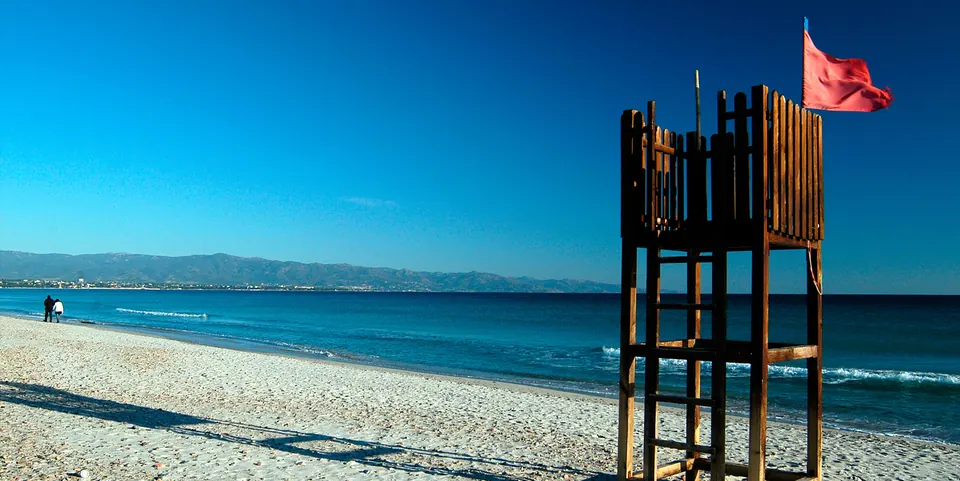 South East
This is the continuation of the long sandy shore extending from Cagliari to Foxi.
Read on Sardinia Magazine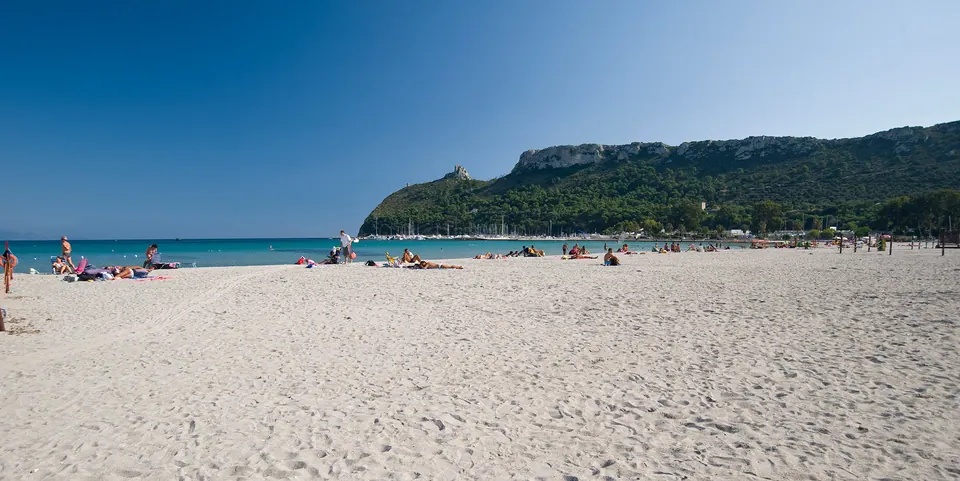 South East
The traditional beach of Cagliari, Poetto is one of the longest of Sardinia, stretching for 9 km from Cagliari to Quartu Sant’Elena.
Read on Sardinia Magazine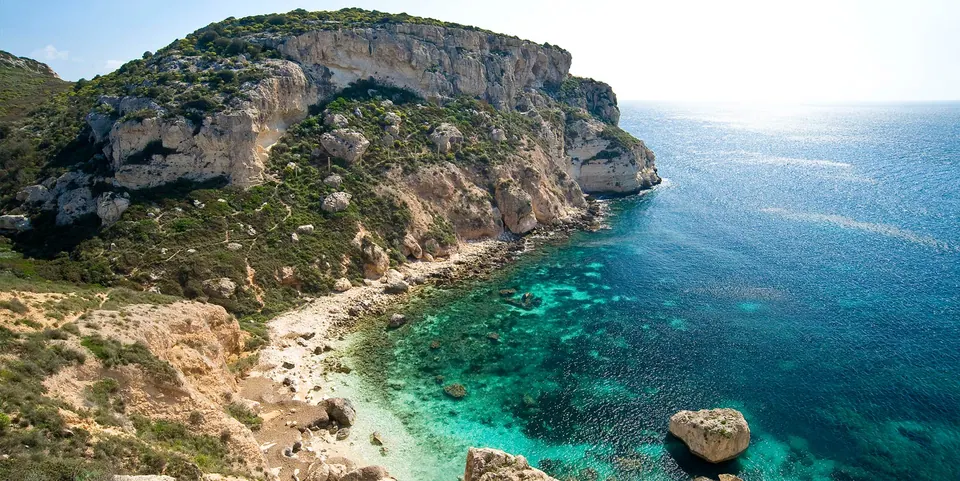 South East
The small beach of Cala Fighera is set in a very small inlet protected from winds and sea storms.
Read on Sardinia Magazine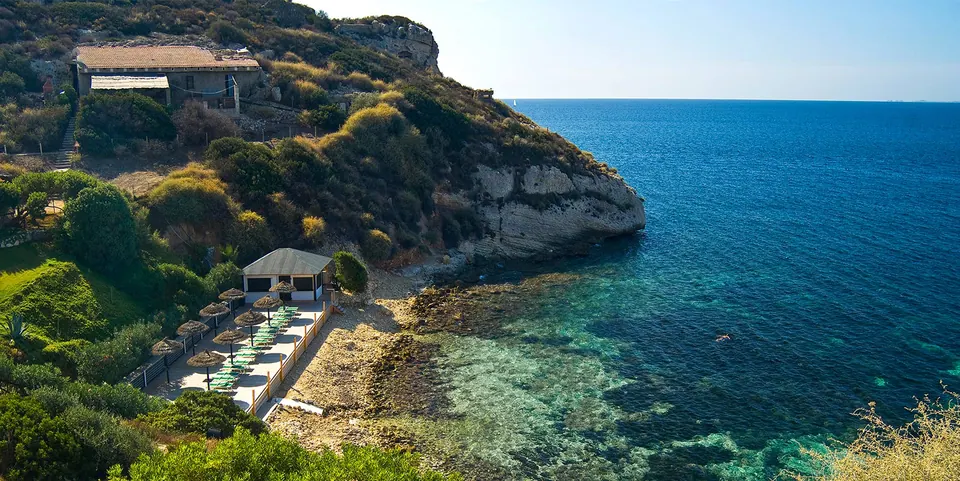 South East
This is a small cove close to the Devil's Saddle, a promontory which is a symbol of the city of Cagliari.
Read on Sardinia Magazine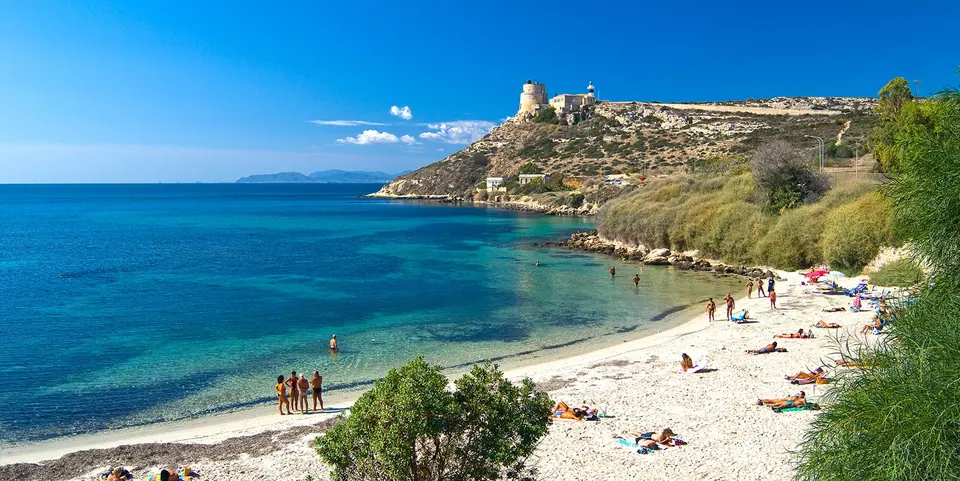 South East
Cala Mosca is a small in the proximity of the Devil's Saddle, a promontory which is a symbol of the city of Cagliari.
Read on Sardinia Magazine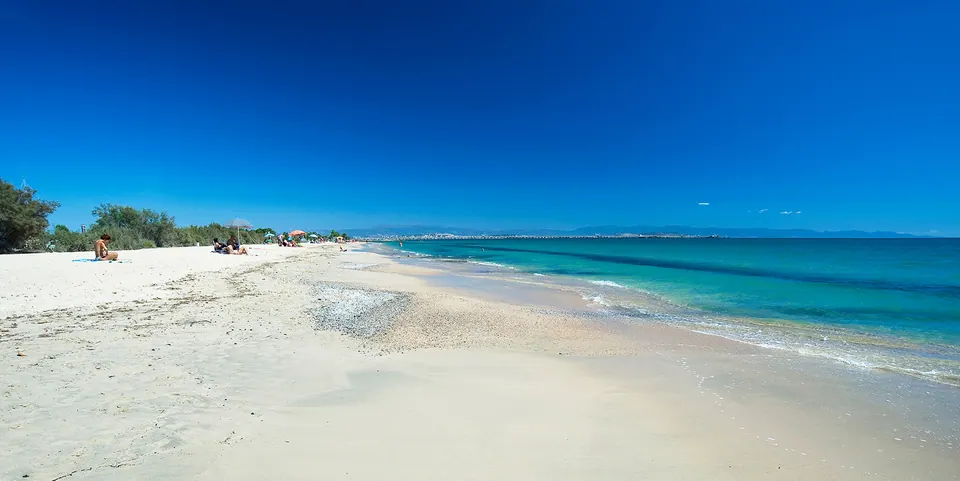 South West
This is a very large beach, suitable for children, located in the locality of Lido di Capoterra.
Read on Sardinia Magazine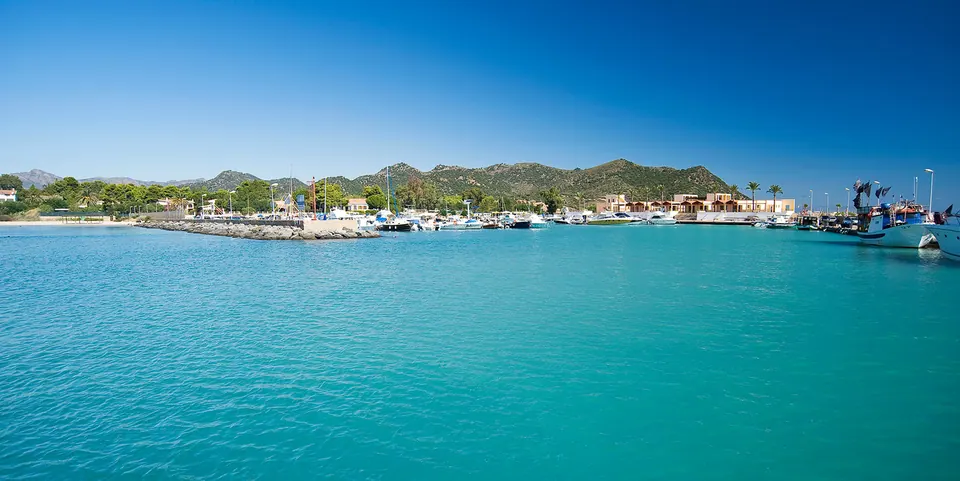 South West
The beach, located in the proximity of the harbour, is characterized by coarse-grained sand and deep waters.
Read on Sardinia Magazine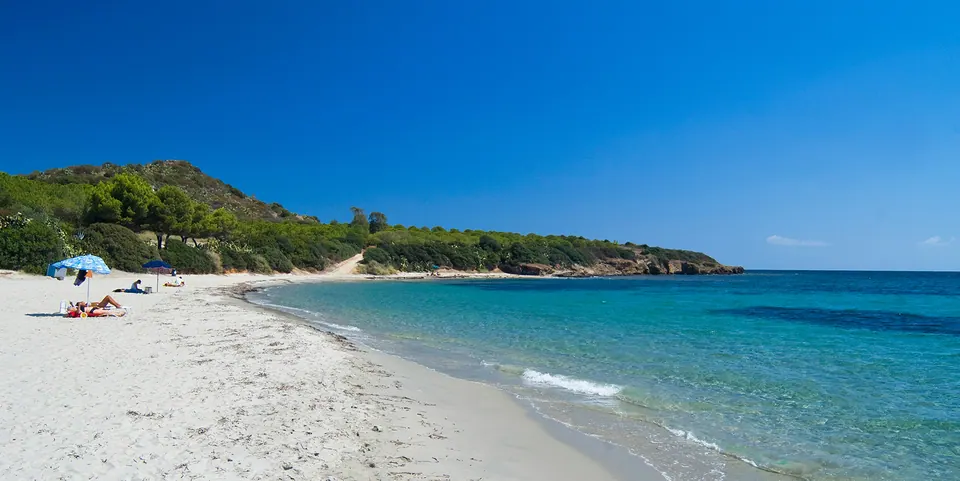 South West
This beach stretches out from the promontory called Punta Vittoria to the beach of Nora.
Read on Sardinia Magazine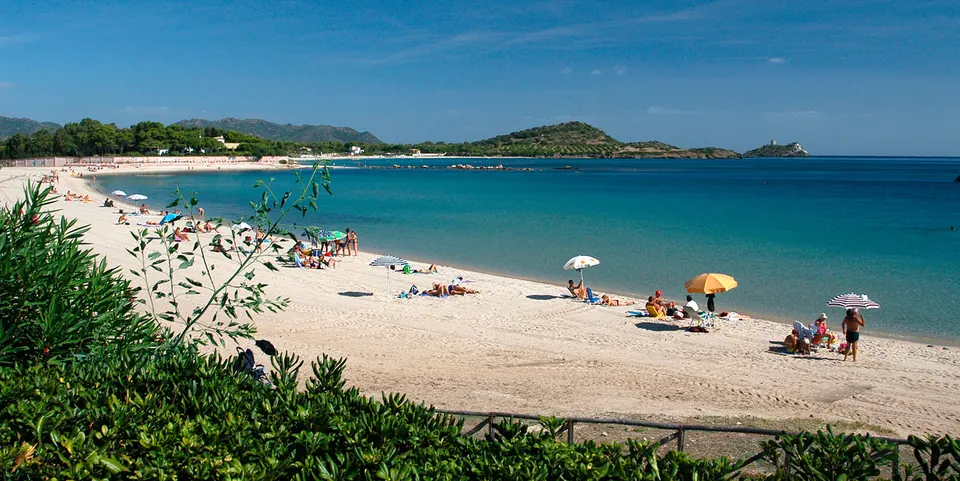 South West
This beach, adjacent to the archaeological area, has light-coloured sand and crystalline shallow waters of an intense light blue colour.
Read on Sardinia Magazine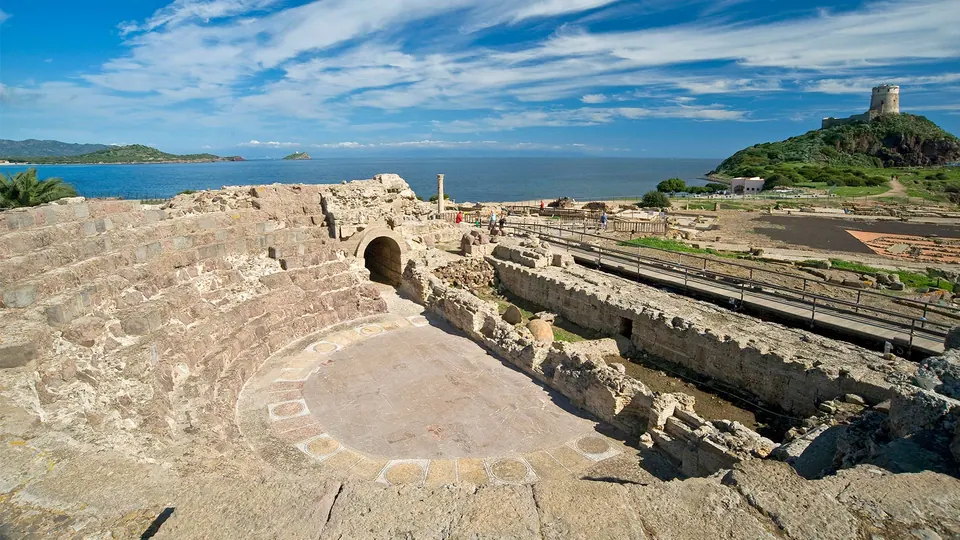 South West
The city was founded by the Phoenicians between the 7th and the 8th century B.C.
Read on Sardinia Magazine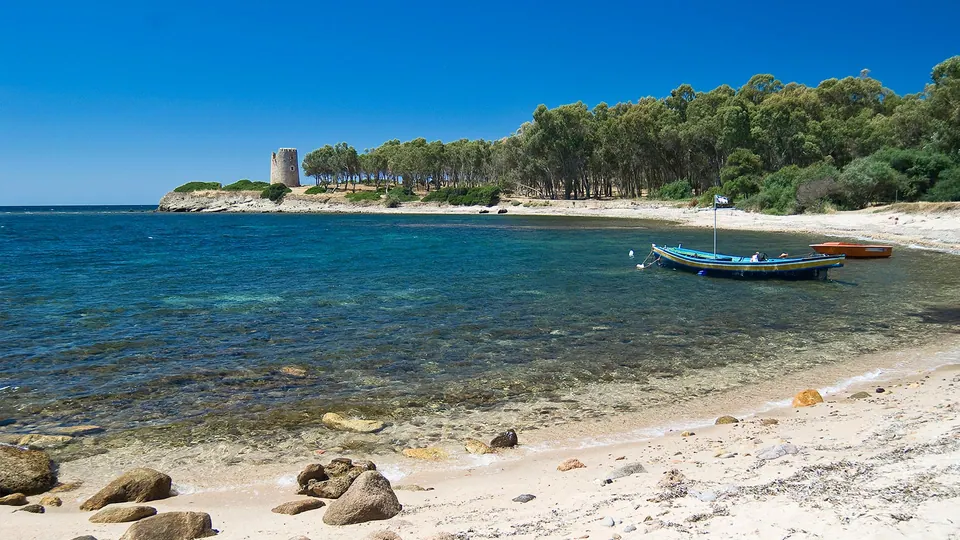 South West
The small cove, adjacent to the ruins of an ancient Spanish tower, has coarse-grained, light-coloured sand and pebbles of different sizes.
Read on Sardinia Magazine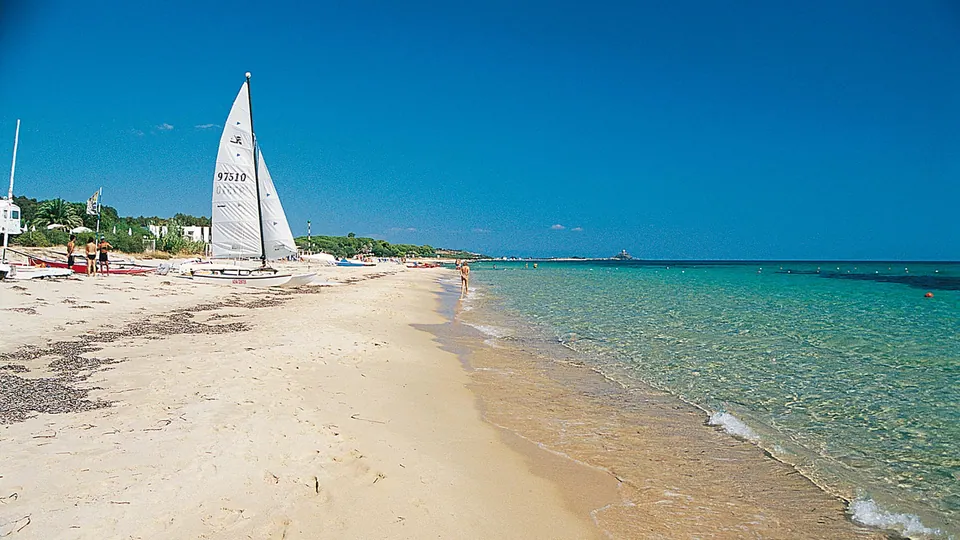 South West
This long beach, one of the most famous of Sardinia, is characterised by grey sand with pink hues and a sea that brings together all the different shades of light blue.
Read on Sardinia Magazine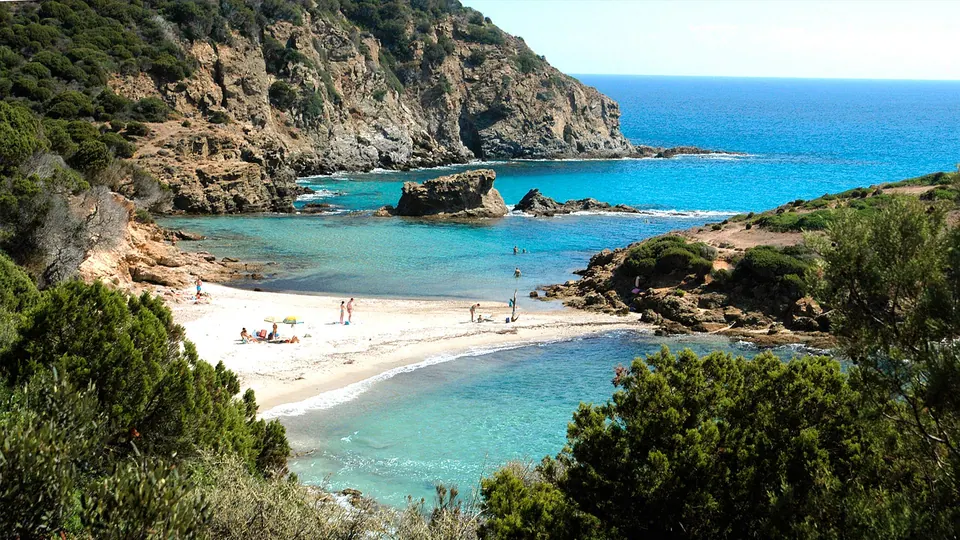 South West
The beach, a small triangle of golden sand, lies at the extremity of a larger bluff of yellowish rocks, covered in Mediterranean maquis.
Read on Sardinia Magazine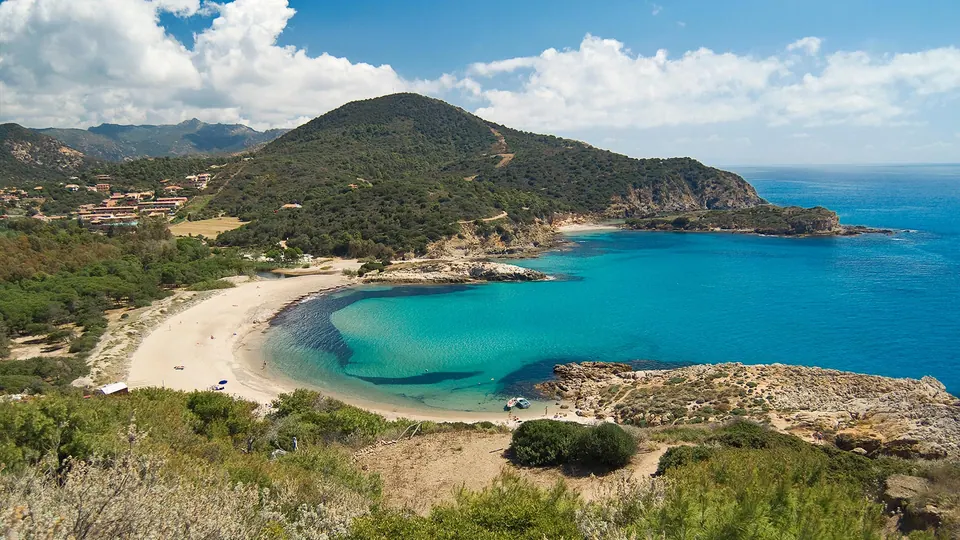 South West
Cala Chia is a small bay, dominated by the Tower of Chia, covered in cream-coloured sand dotted with rocks.
Read on Sardinia Magazine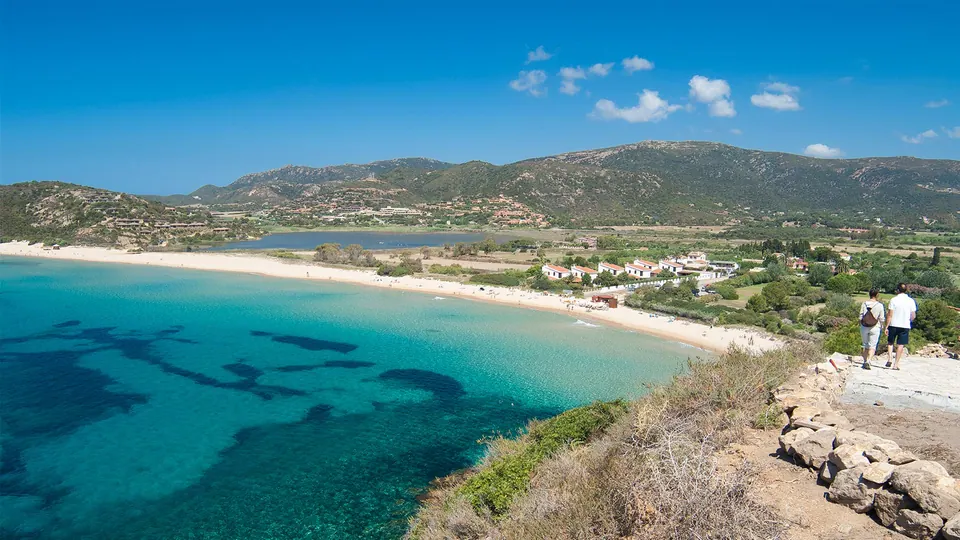 South West
The beach of Sa Colonia can also be reached on foot from Su Portu through an evocative footpath on the promontory of Torre di Chia.
Read on Sardinia Magazine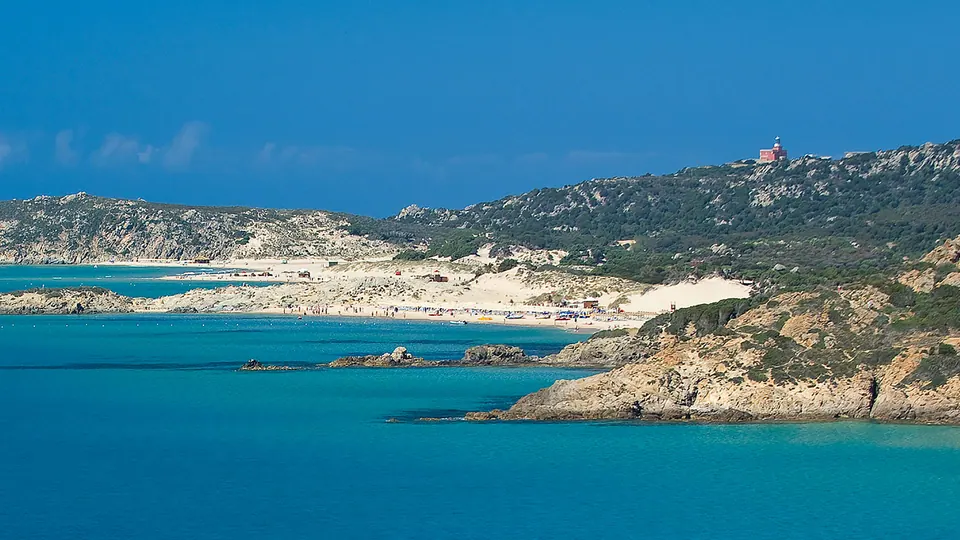 South West
Due to the constant winds that blow in this stretch of littoral, this is a usual surfing spot.
Read on Sardinia Magazine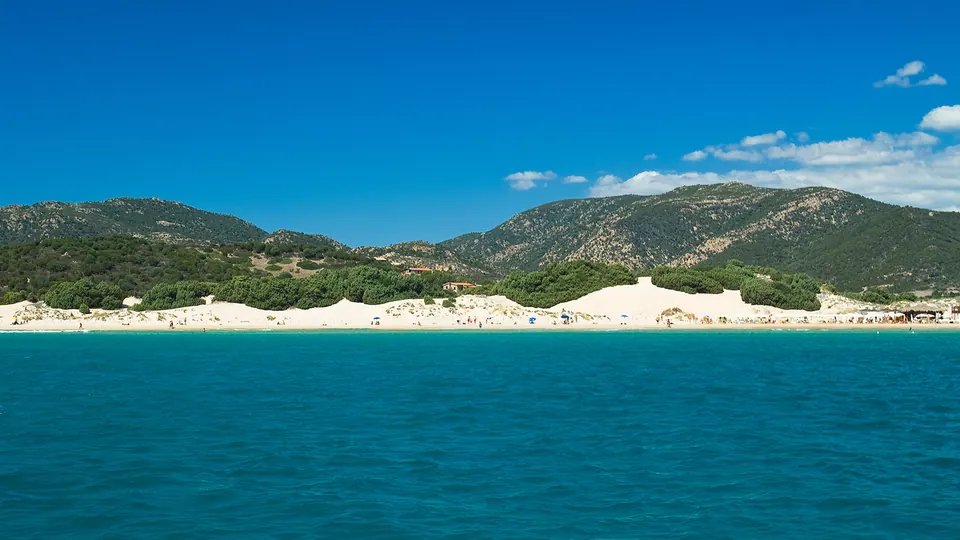 South West
This beach is characterized by the presence of dunes of fine and extremely white sand, some of which rise up to 20 metres.
Read on Sardinia Magazine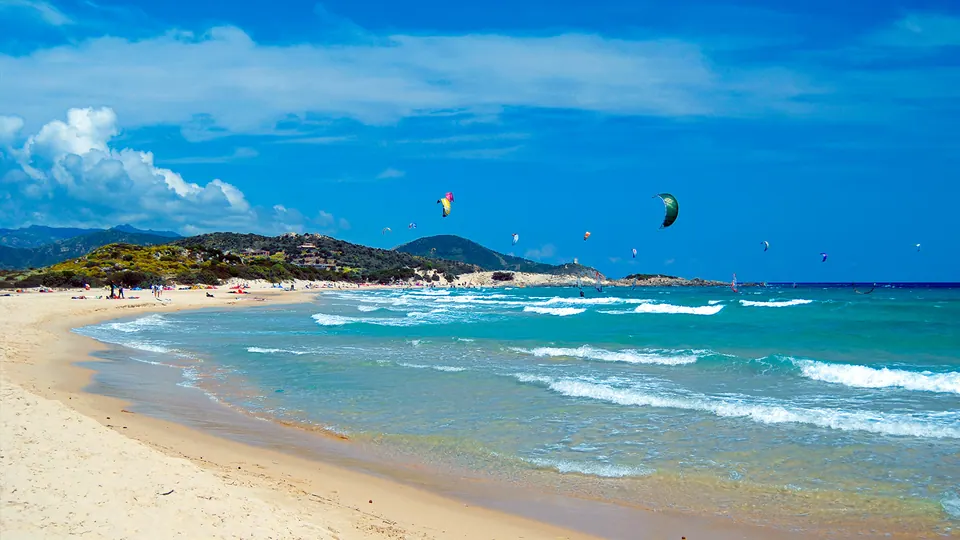 South West
Campana is considered one of the most beautiful beaches in Sardinia, thanks to the clearness of its waters, the white golden sand and the length of about 1 kilometre.
Read on Sardinia Magazine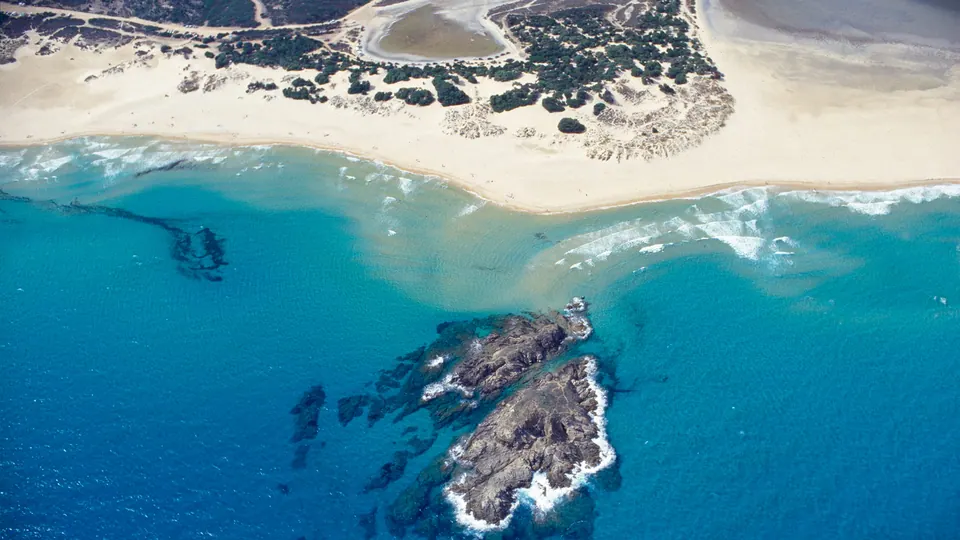 South West
These are two neighbouring beaches which boast fine golden sand and extremely clear waters.
Read on Sardinia Magazine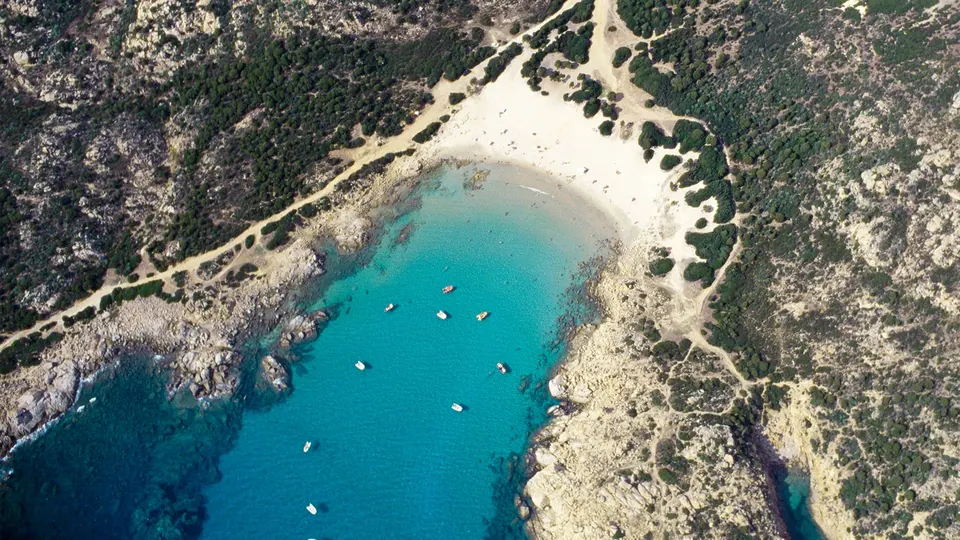 South West
The old name of this beach is Portu Simoni Cibudda.
Read on Sardinia Magazine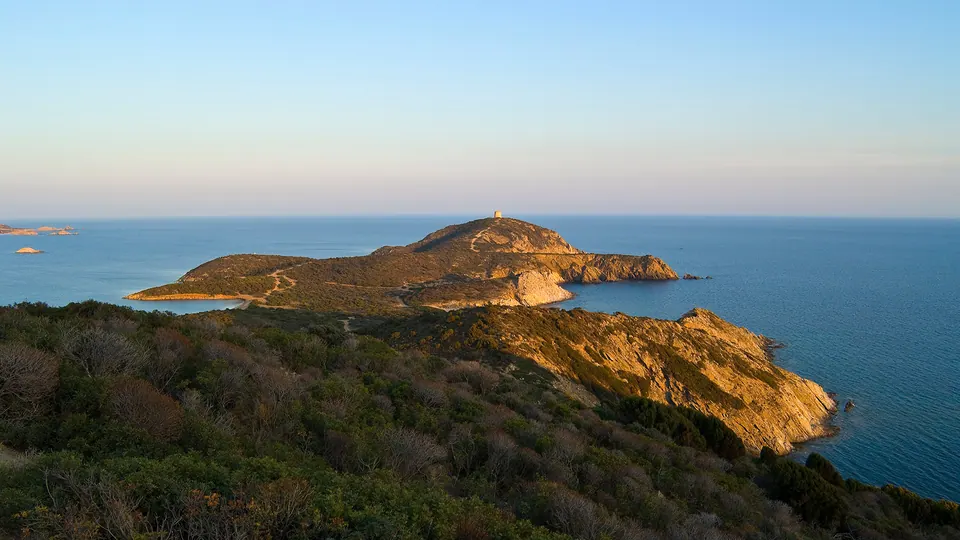 South West
The entire promontory of Capo Malfatano is punctuated by small coves and inlets located along the cliff of granite and schist.
Read on Sardinia Magazine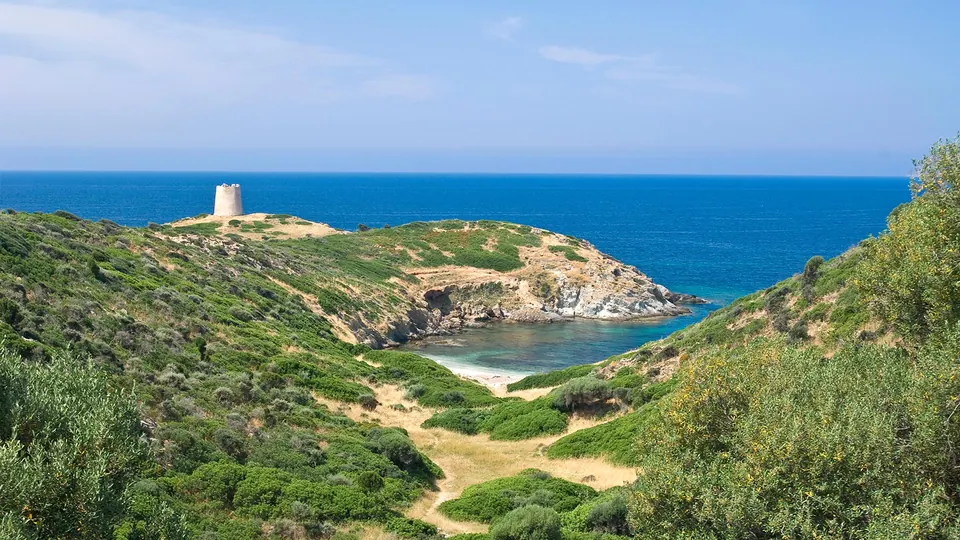 South West
There are two small beaches separated by small a promontory.
Read on Sardinia Magazine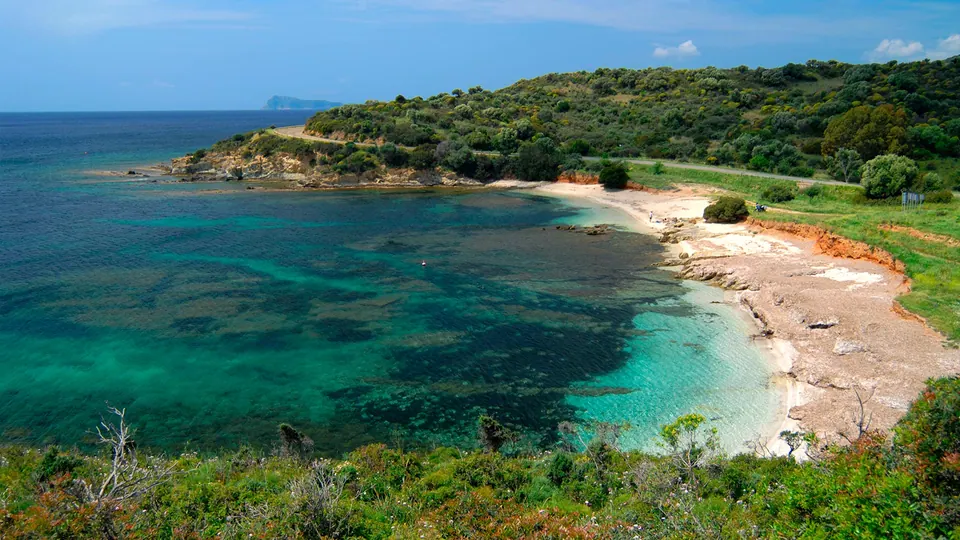 South West
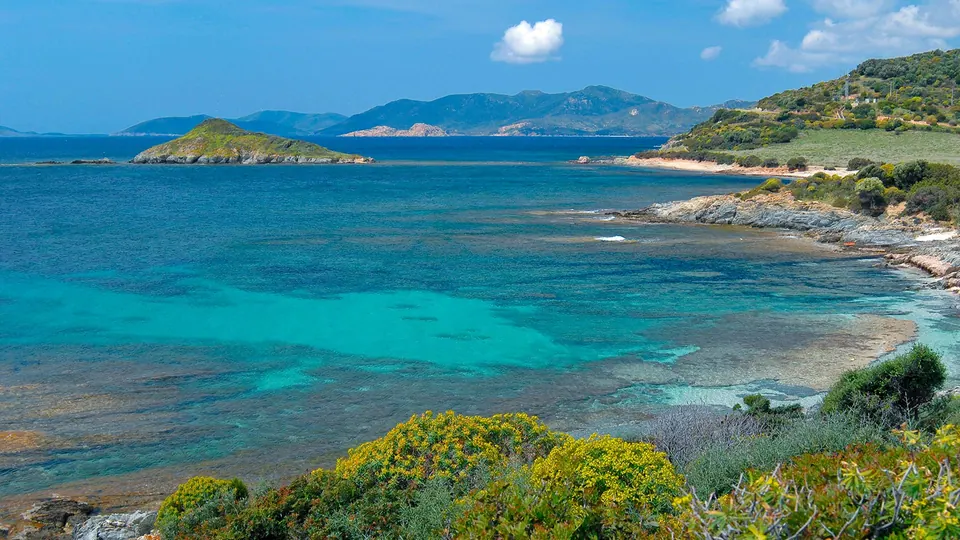 South West
The beach is made up of fine multicoloured gravel mixed with rocks.
Read on Sardinia Magazine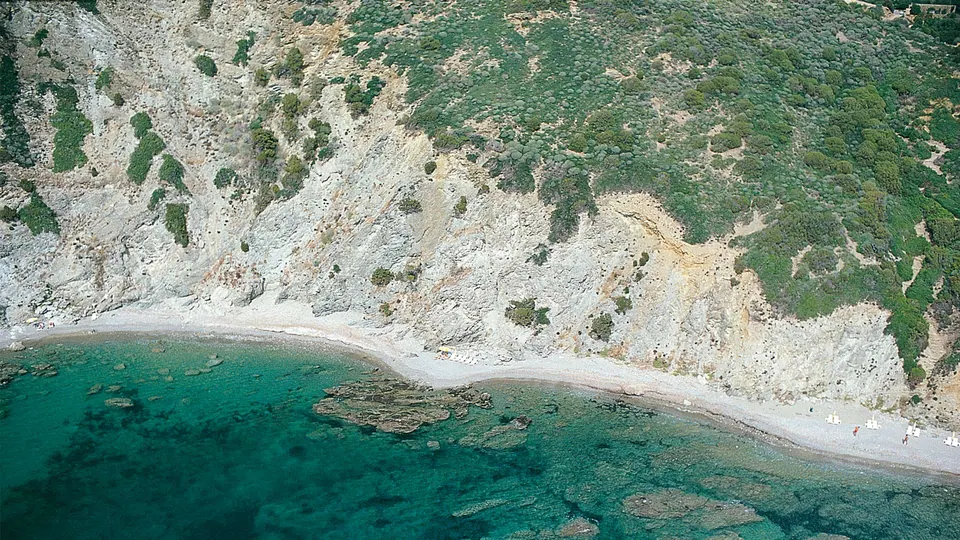 South West
This place is mainly frequented by scuba-diving and underwater fishing enthusiasts.
Read on Sardinia Magazine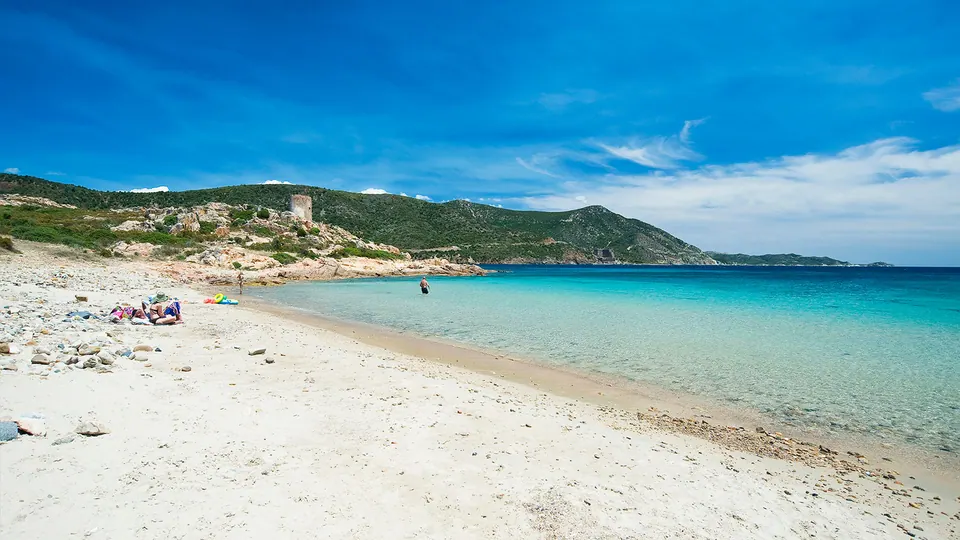 South West
The beach is located at the foot of Torre del Budello, a Spanish lookout tower built at the beginning of the 1600s.
Read on Sardinia Magazine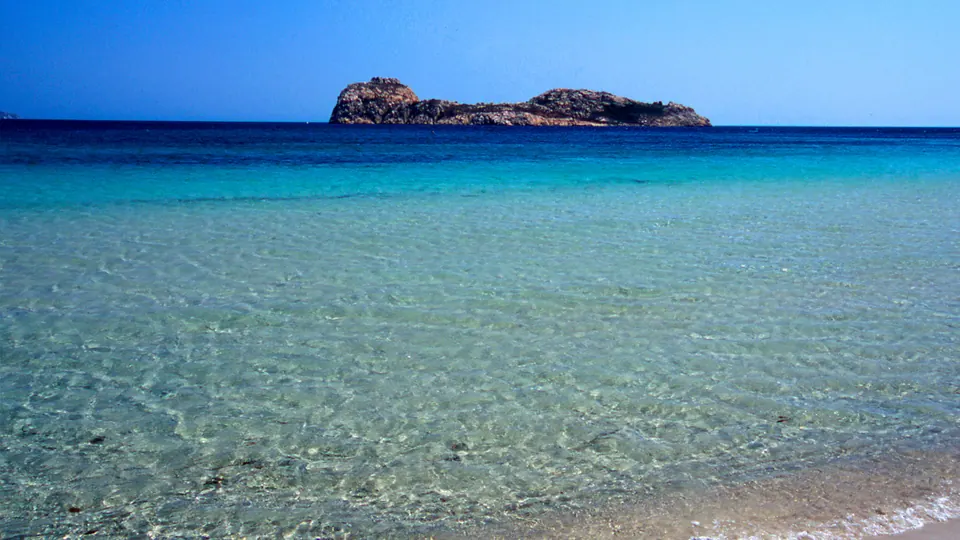 South West
The beach, which is approximately 800 metres long, faces the charming Isola Rossa.
Read on Sardinia Magazine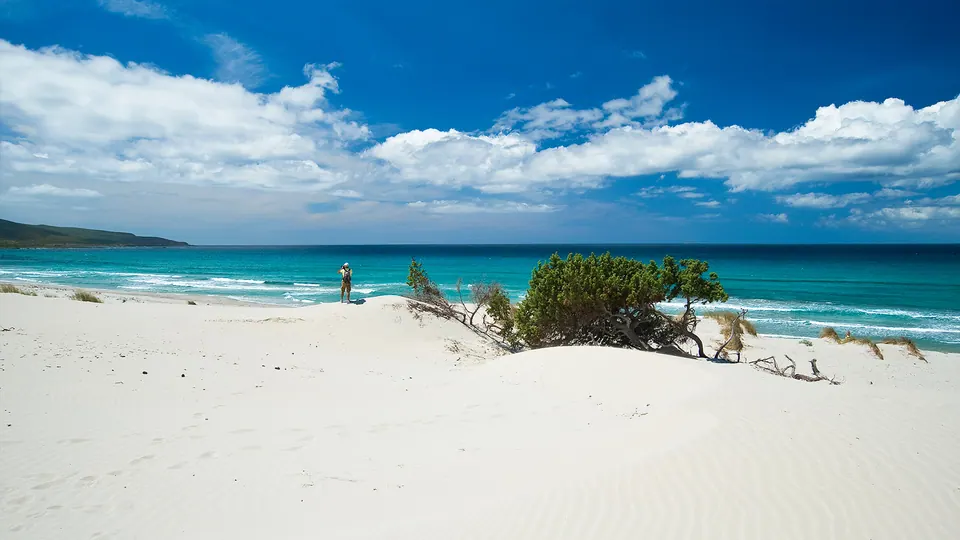 South West
This is one of the most characteristic beaches of the south-western coast of Sardinia.
Read on Sardinia Magazine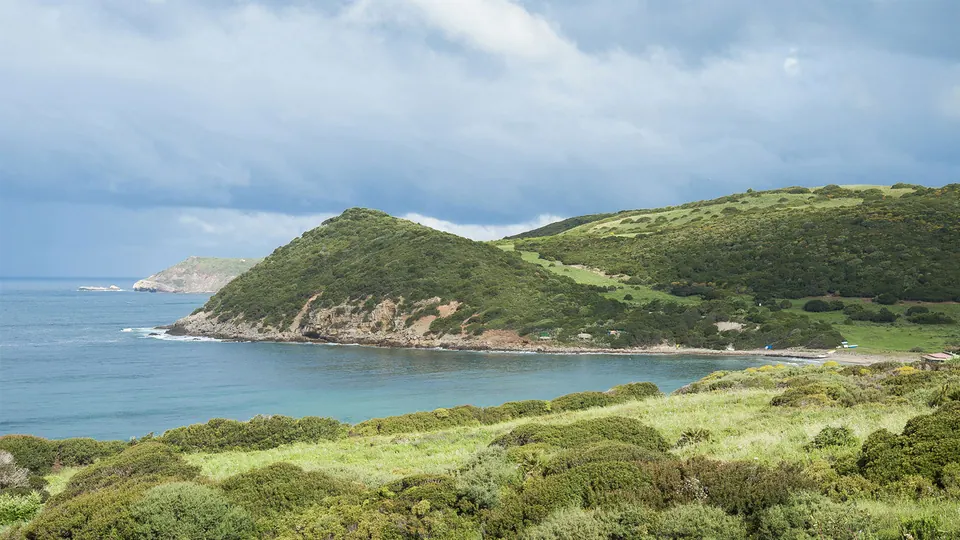 North West
This beach is characterized by fine golden grains of sand.
Read on Sardinia Magazine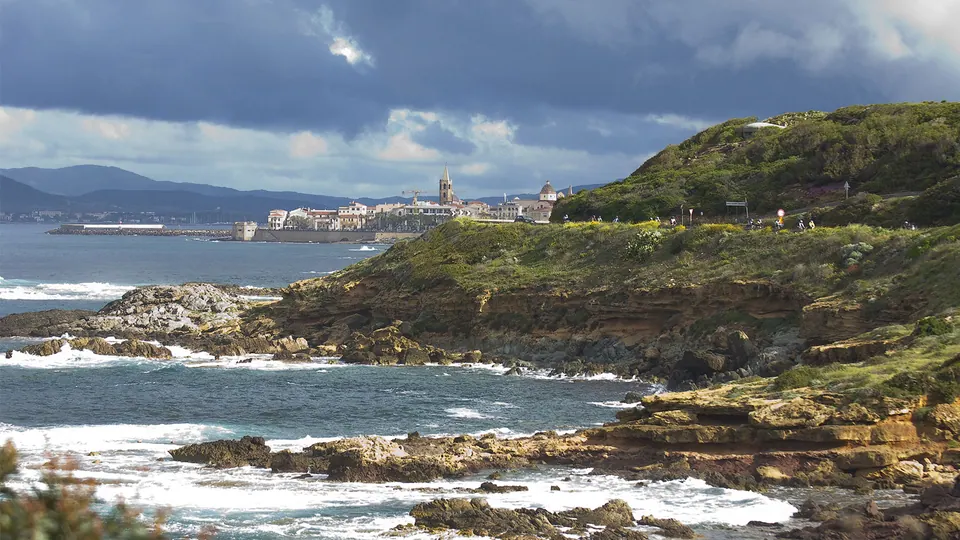 North West
This small cove is characterized by stretches of sand and rocks.
Read on Sardinia Magazine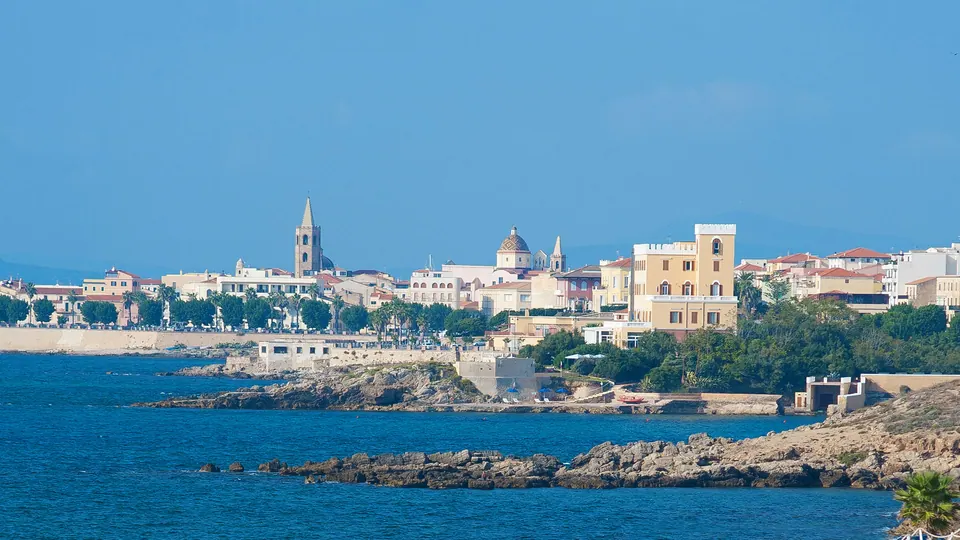 North West
This part of the coast is characterized by a small beach with fine white sand and a stretch of rocks.
Read on Sardinia Magazine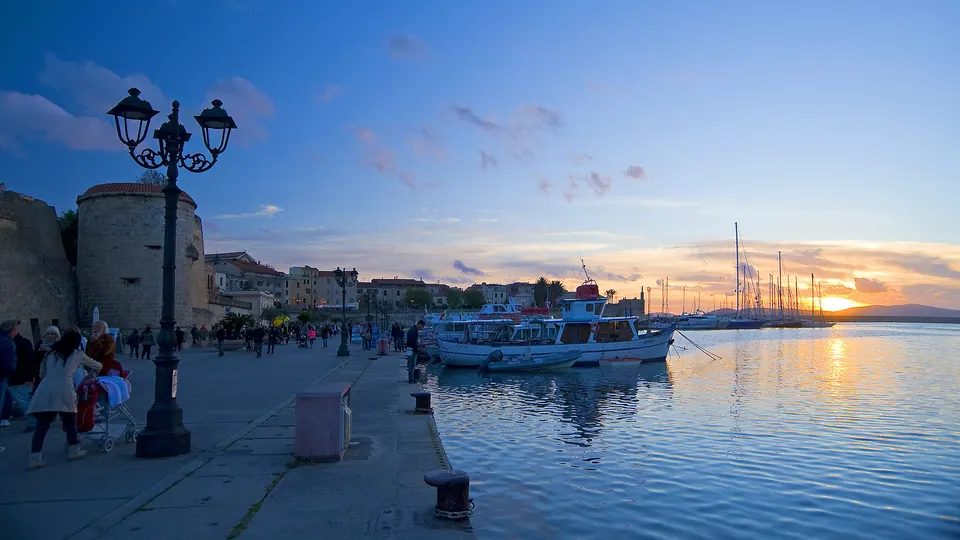 North West
Alghero is a town of around 45,000 inhabitants on Sardinia’s north-western coast.
Read on Sardinia Magazine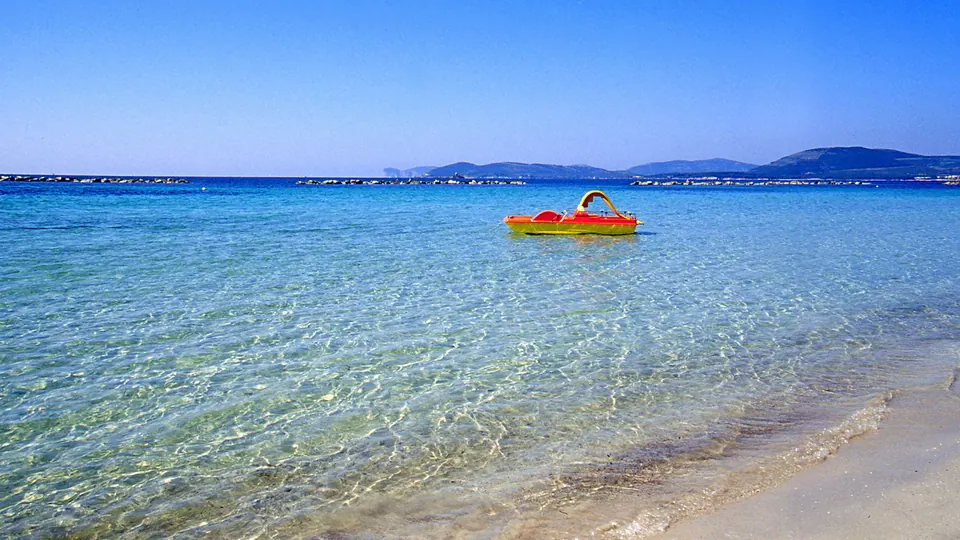 North West
This beach is about 3 km long and it is characterized by fine white sand.
Read on Sardinia Magazine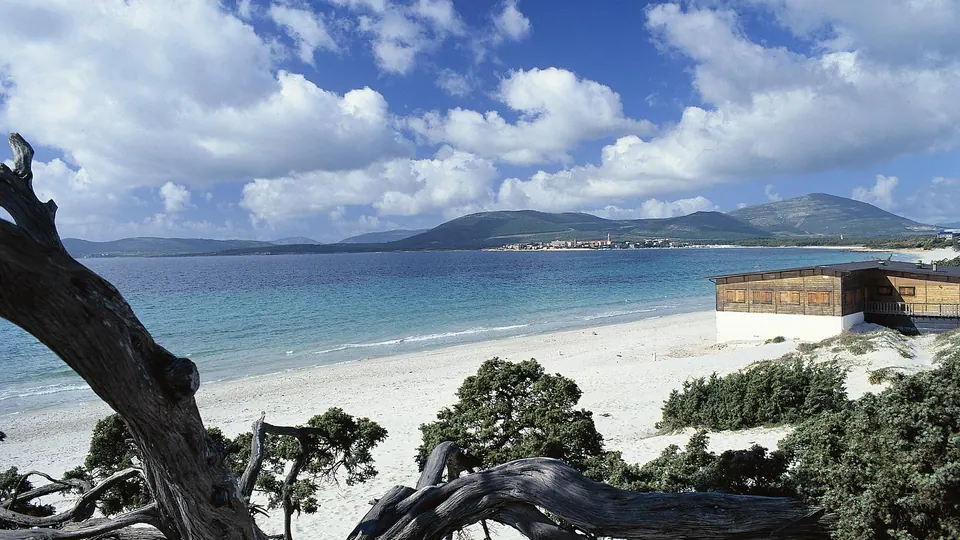 North West
Maria Pia is a long beach characterized by fine white sand.
Read on Sardinia Magazine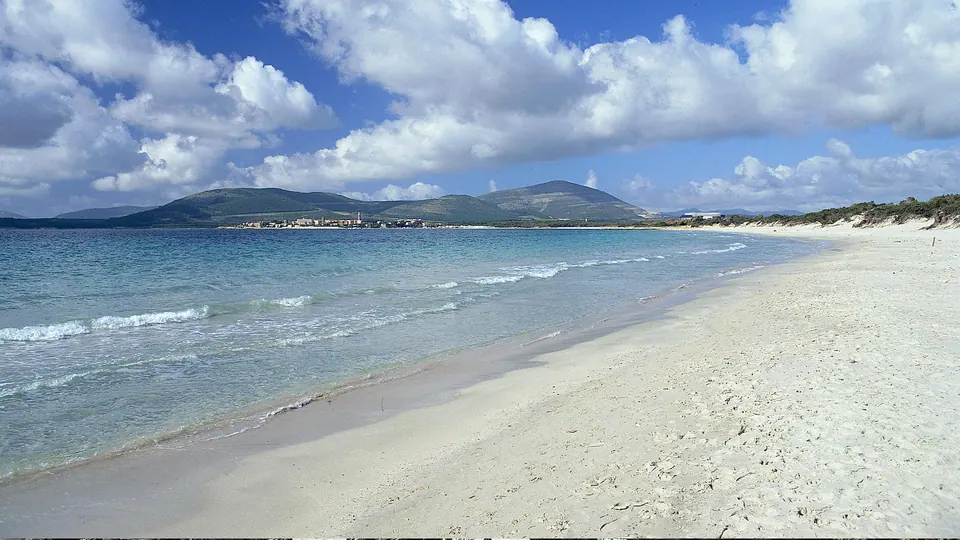 North West
 North West
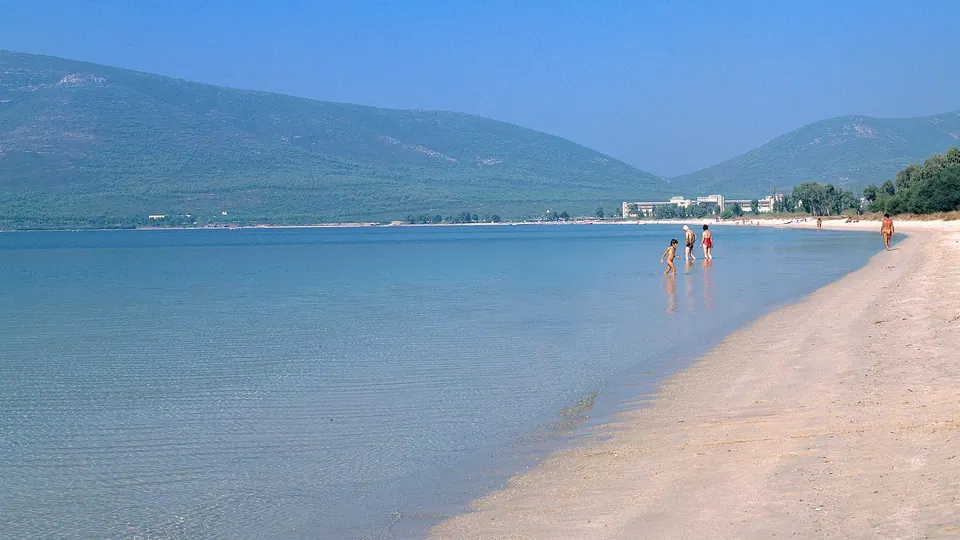
This beach is characterized by fine golden-white sand and a shallow crystalline azure sea with a sandy sea-bottom.
Read on Sardinia Magazine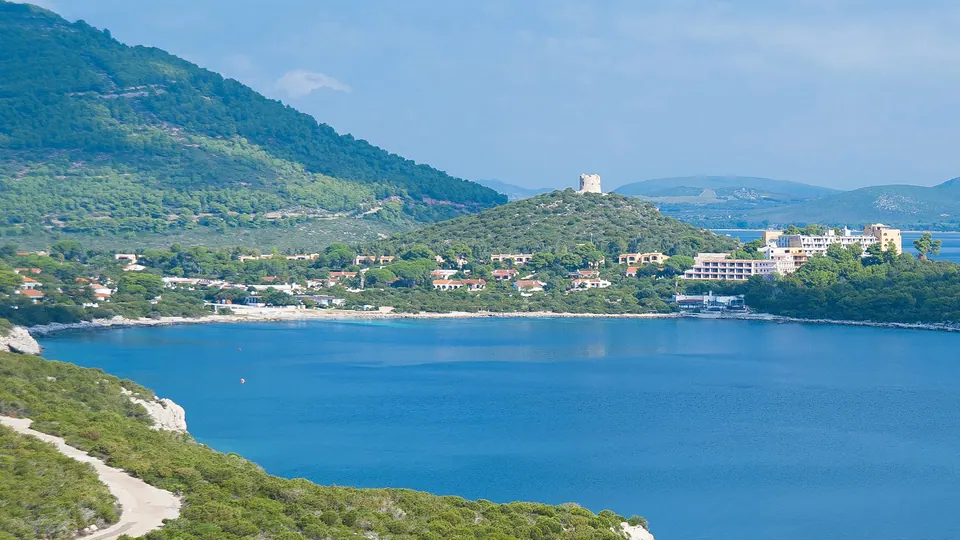 North West
This beach is characterized by fine golden sand mixed with gravel.
Read on Sardinia Magazine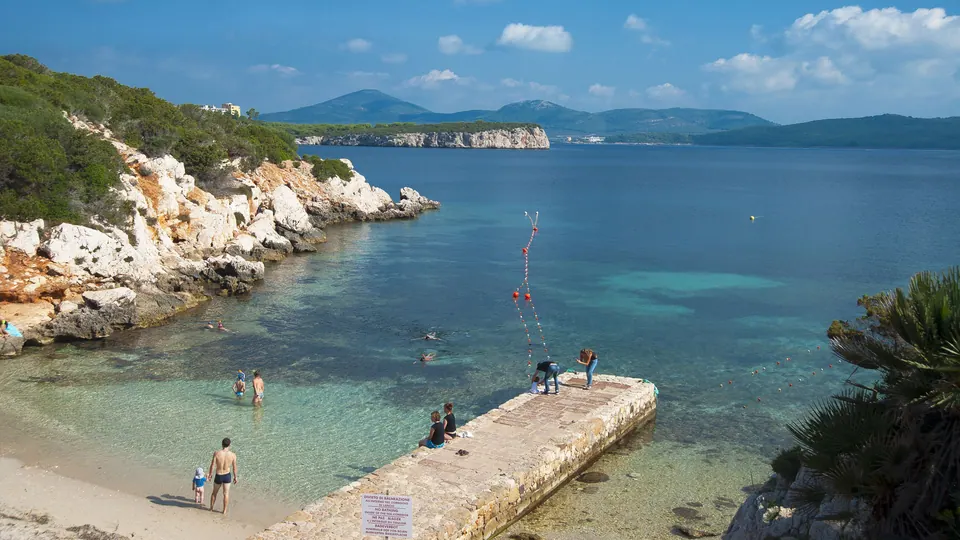 North West
Cala Dragunara is a small cove characterized by fine white sand.
Read on Sardinia Magazine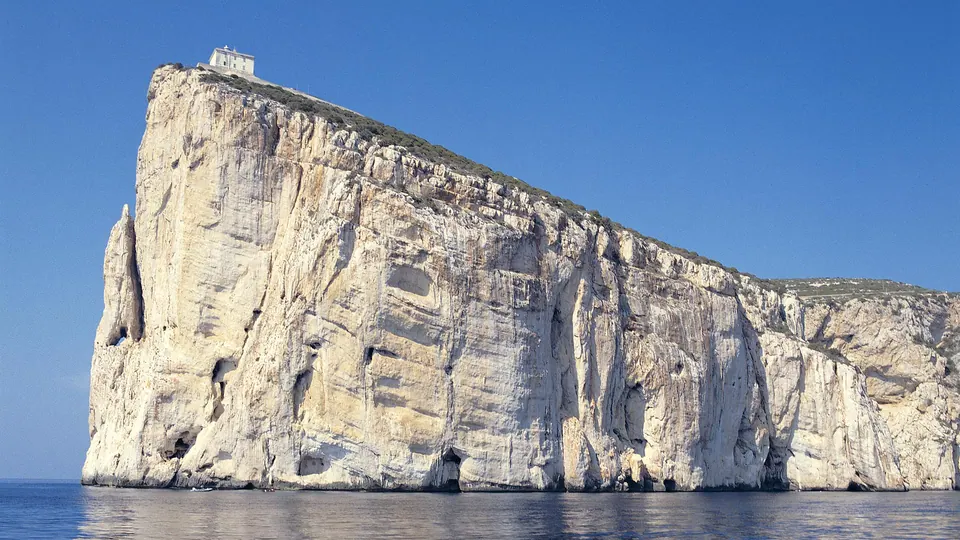 North West
Capo Caccia is an imposing limestone promontory, which is the westernmost point of Sardinia; the Algherians call it "lu fruntini" which means "the big forehead".
Read on Sardinia Magazine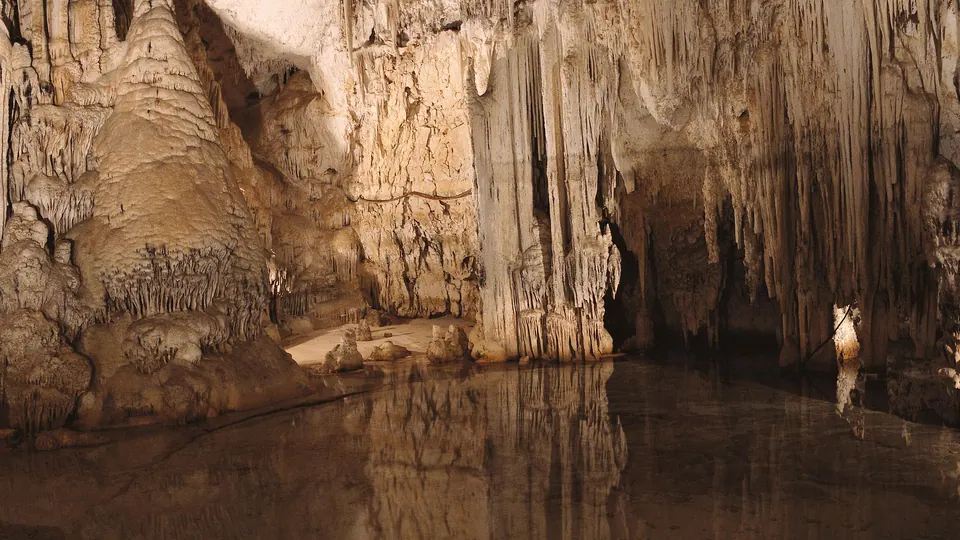 North West
The Grotte di Nettuno (Neptune Caves) are the most beautiful in the Mediterranean basin.
Read on Sardinia Magazine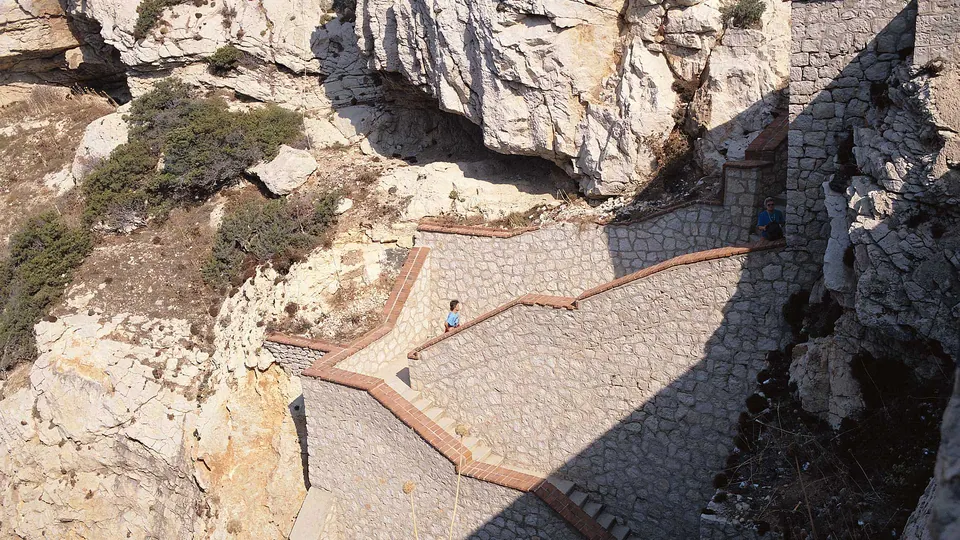 North West
The famous Scala del Capriolo (Roe Stairs) allows you to access the entrance of the Grotta di Nettuno (Neptune Caves) from the Capo Caccia lookout.
Read on Sardinia Magazine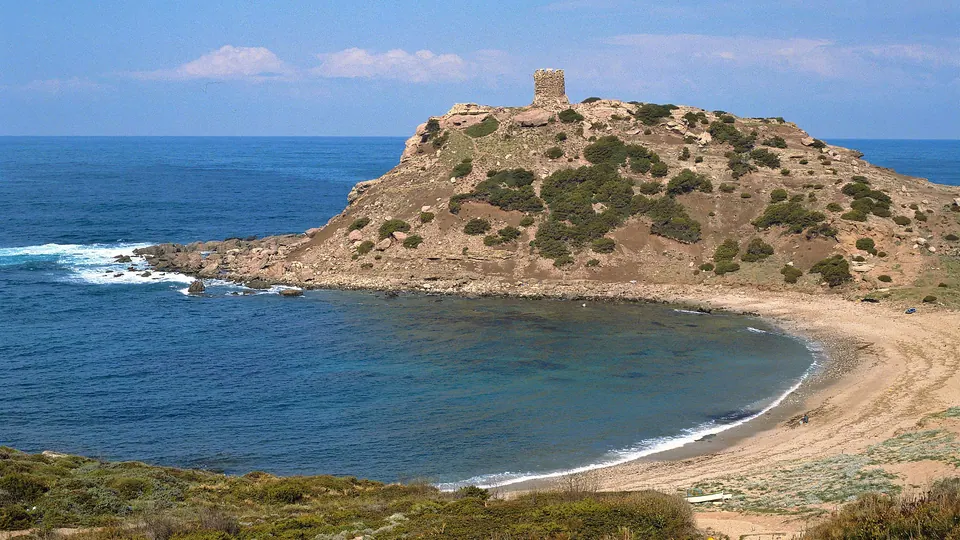 North West
This spectacular small cove is characterized by fine white sand.
Read on Sardinia Magazine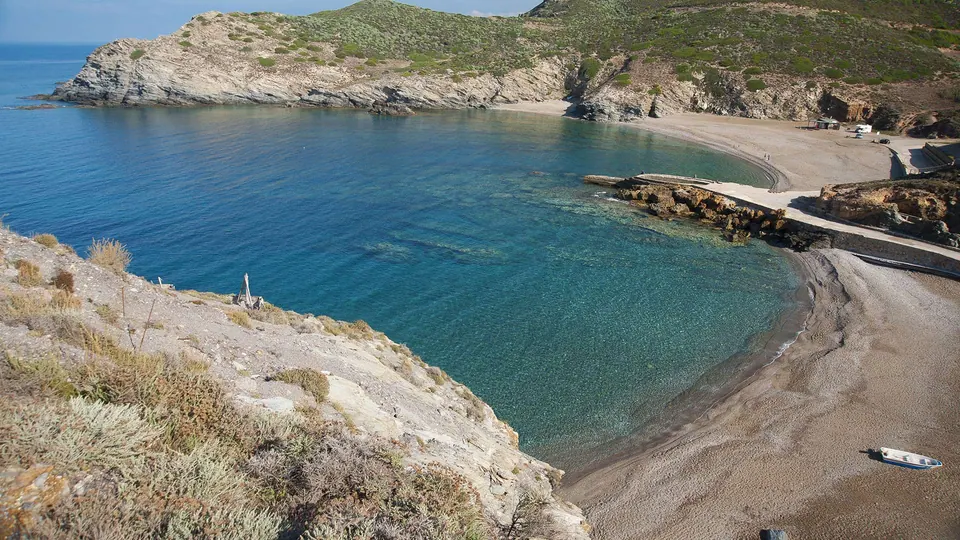 North West
This beach is characterized by gray fine and coarse sand.
Read on Sardinia Magazine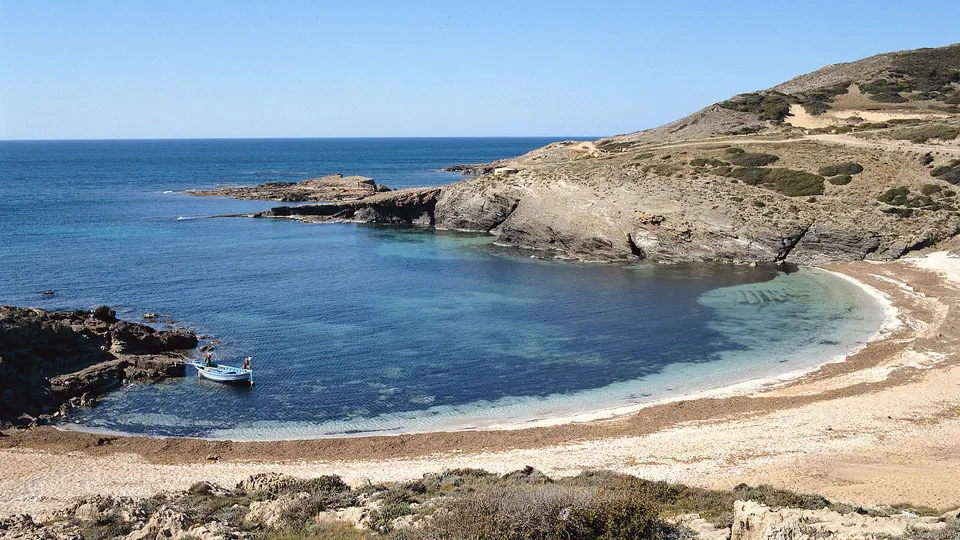 North West
Porto Palmas is a small cove of about 200 metres long, characterized by fine and coarse white sand.
Read on Sardinia Magazine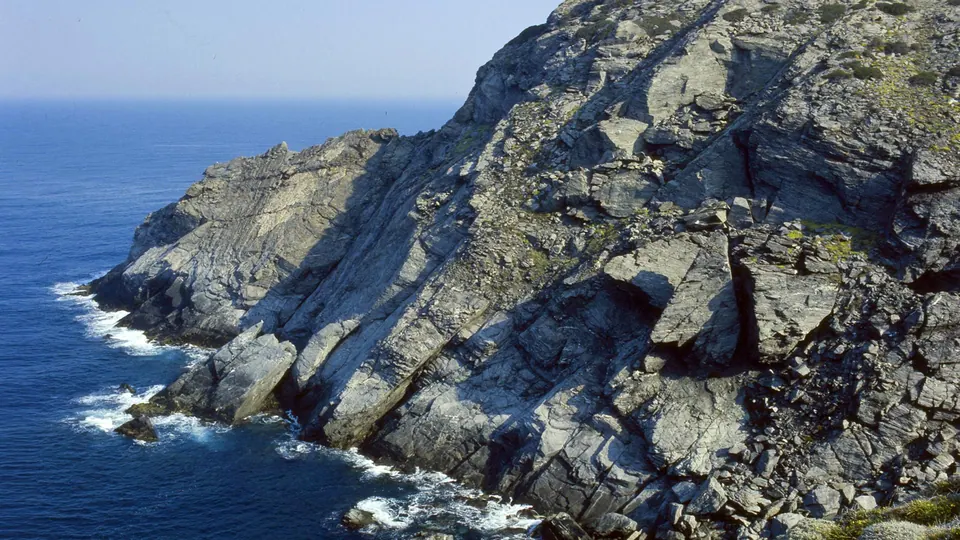 North West
Capo Falcone is the north-western edge of Sardinia.
Read on Sardinia Magazine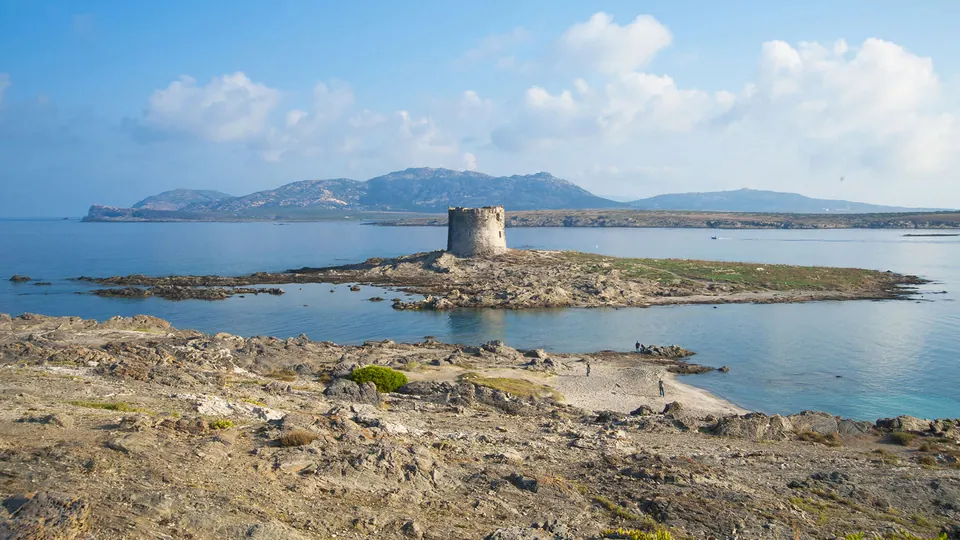 North West
The Pelosetta is a small beach between Capo Falcone, which it delimitates up north the Pelosetta, and La Pelosa beach which it develops down south.
Read on Sardinia Magazine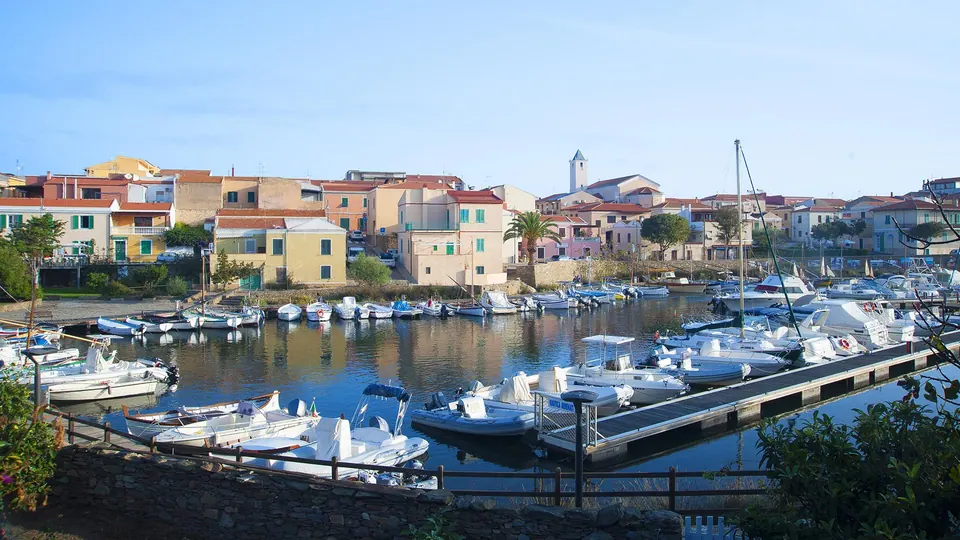 North West
Stintino is a town of about 1.600 residents, in the homonymous peninsula, which it stretches out to the Isola dell'Asinara, nearby, and it ends with Capo Falcone.
Read on Sardinia Magazine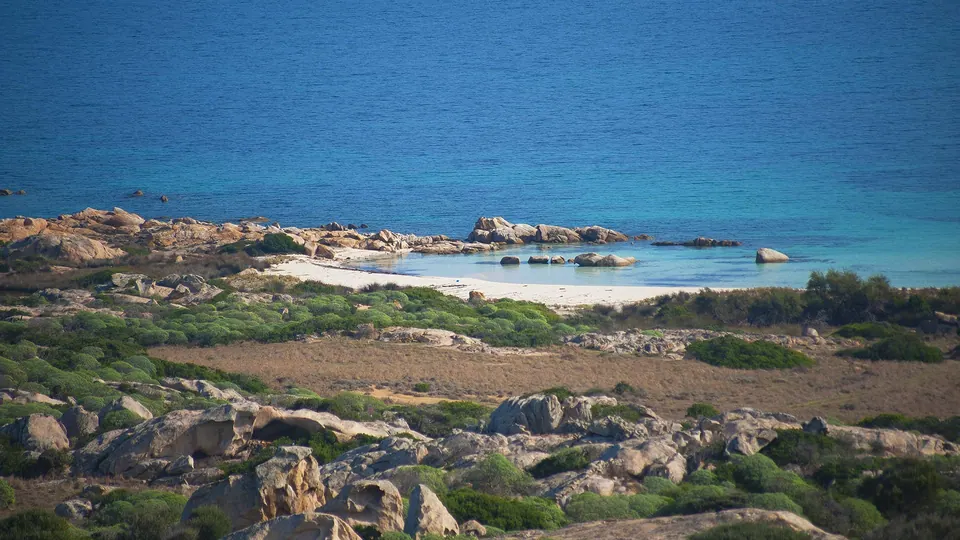 North West
These two small coves are two pieces of heaven included into a protected ambiental area, so they cannot be visited nor by foot nor by boat.
Read on Sardinia Magazine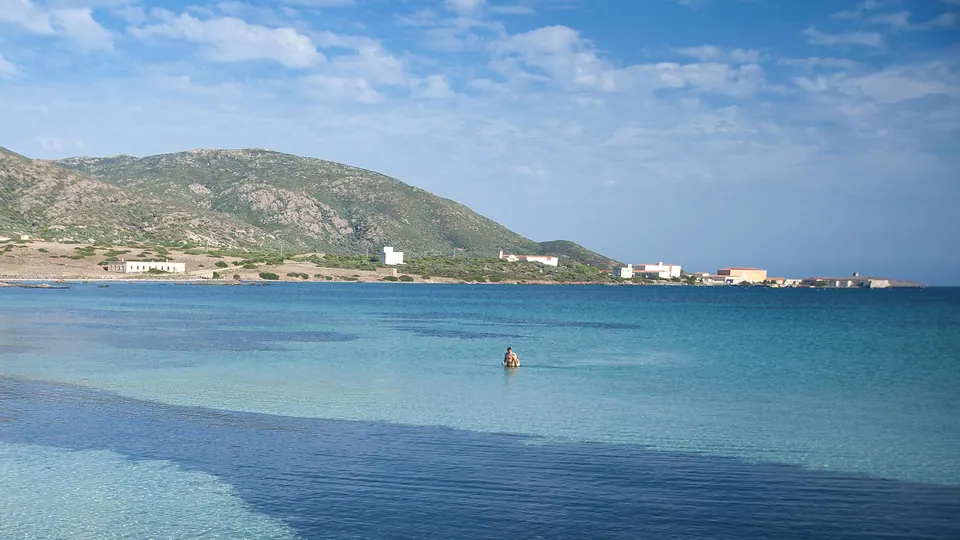 North West
Behind the Cala Reale small port the old buildings of the Lazzaretto and Palazzo Reale rise.
Read on Sardinia Magazine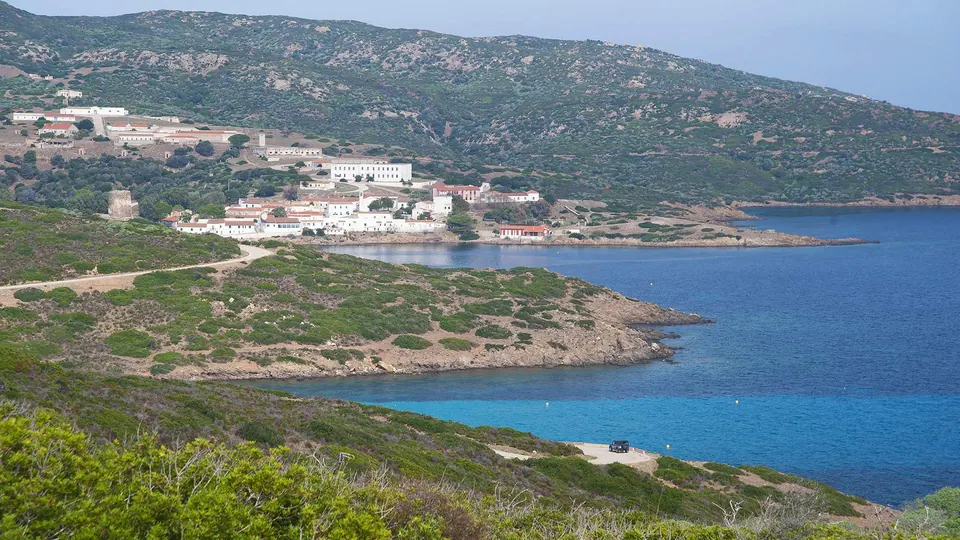 North West
Cala d'Oliva is the only centre with people in the island, made of buildings from the 1885 to host the prisoners, whom they are now employed by the park organization.
Read on Sardinia Magazine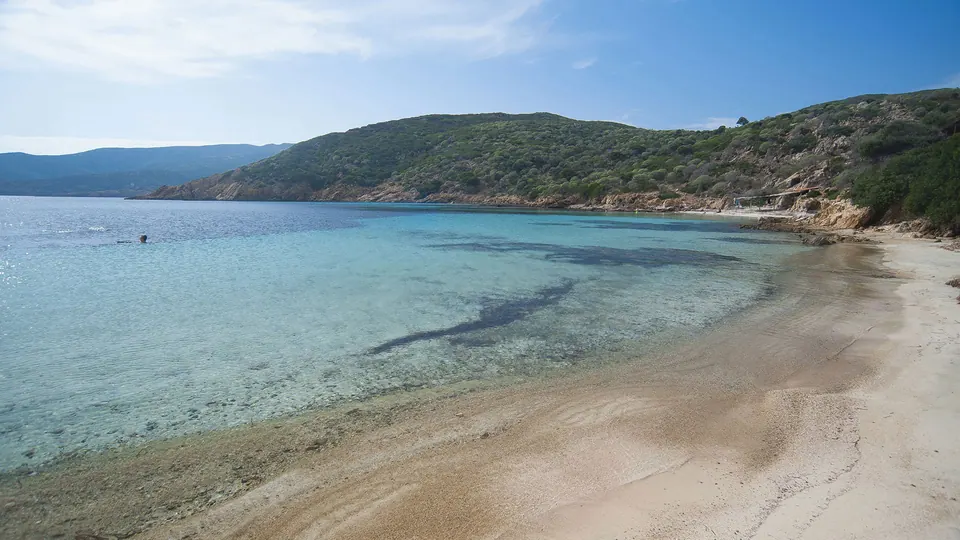 North West
Cala Sabina is the only beach on the Isola dell'Asinara where it is allowed to bathe.
Read on Sardinia Magazine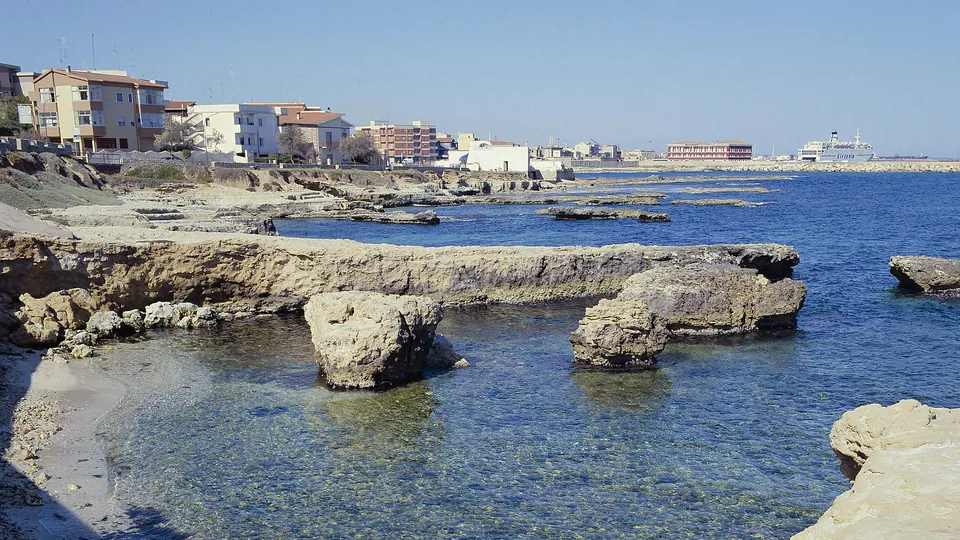 North West
 North West
 North West
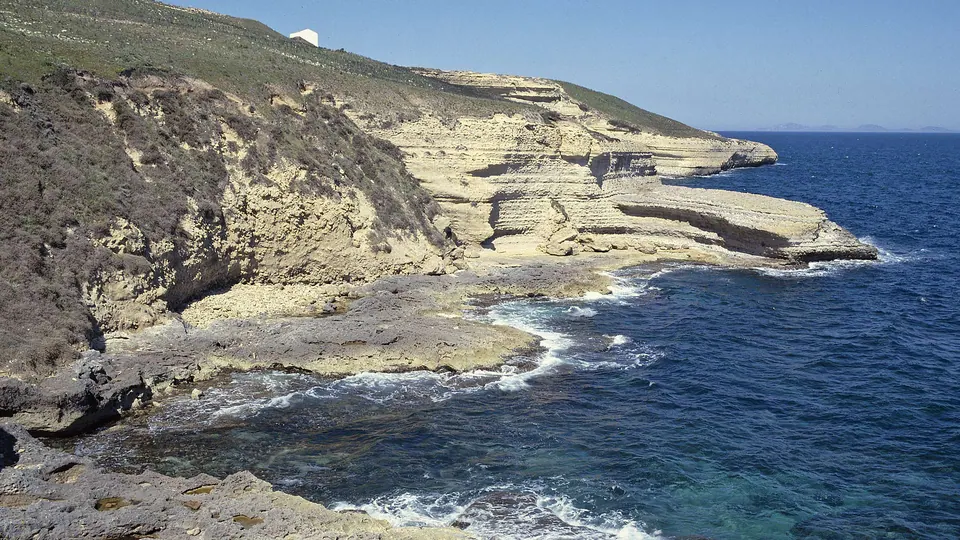
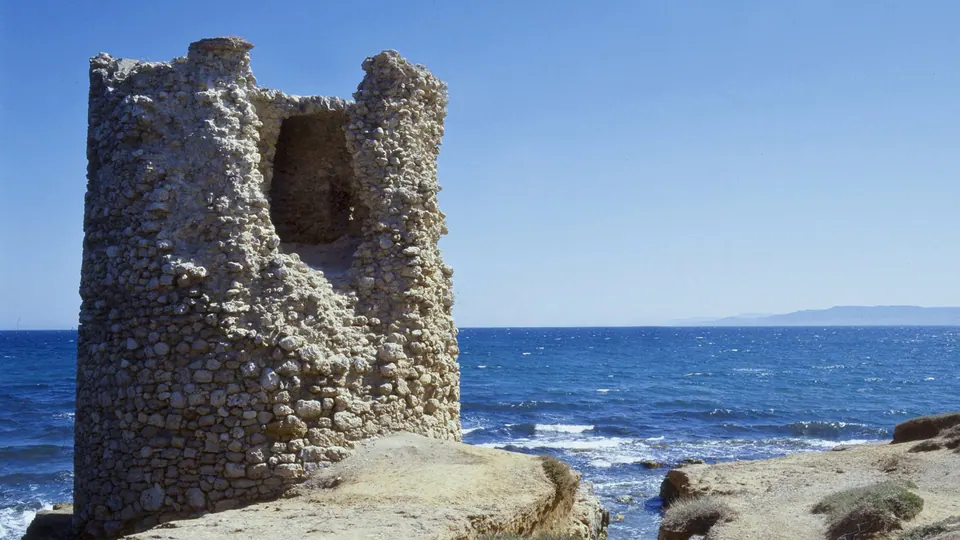
The landscape of this part of the coast is characterized by the Abbacurrente Spanish tower which it marks the change from a high cliff rich of small coves at east, to a sandy shore a few km long at west.
Read on Sardinia Magazine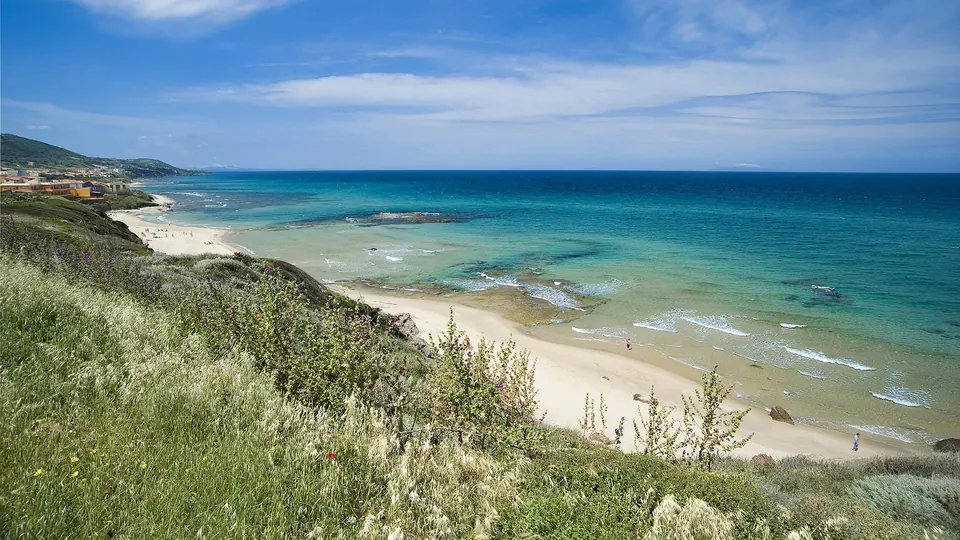 North West
 North West
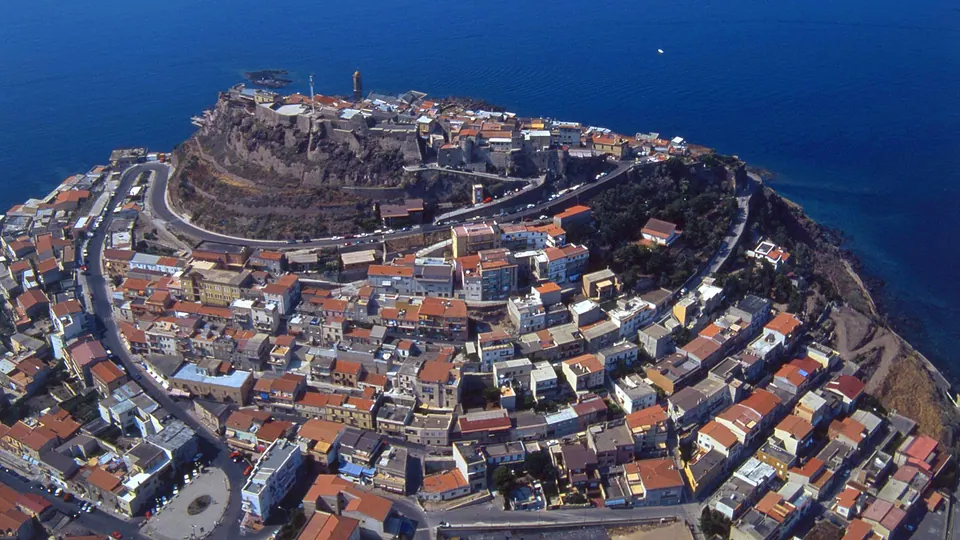
Castelsardo is a small town of more or less 6.000 inhabitants, which it has a strategic location, in the centre of the Golfo dell'Asinara, on the northern part of Sardinia.
Read on Sardinia Magazine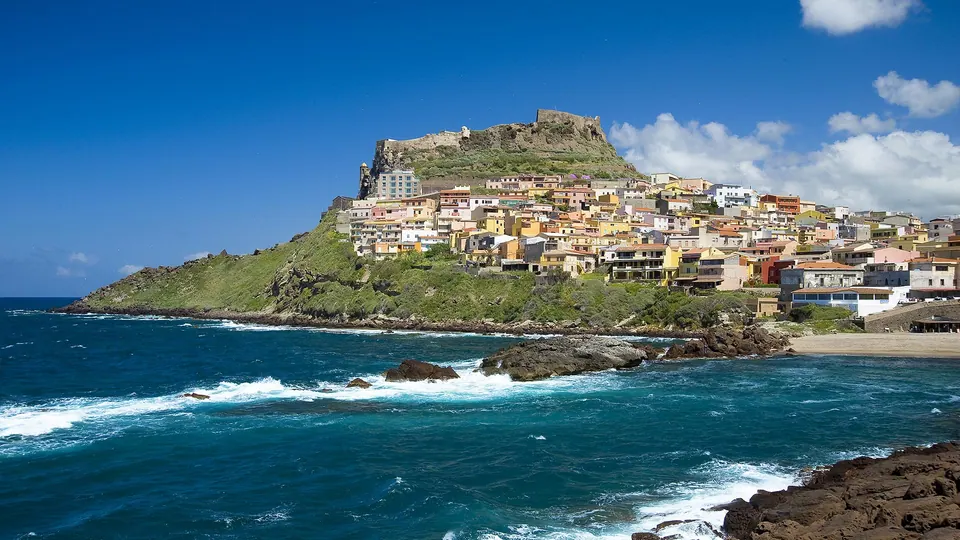 North West
Marina di Castelsardo is a small cove characterized by golden fine and medium grains of sand with some rocks spread along the beach.
Read on Sardinia Magazine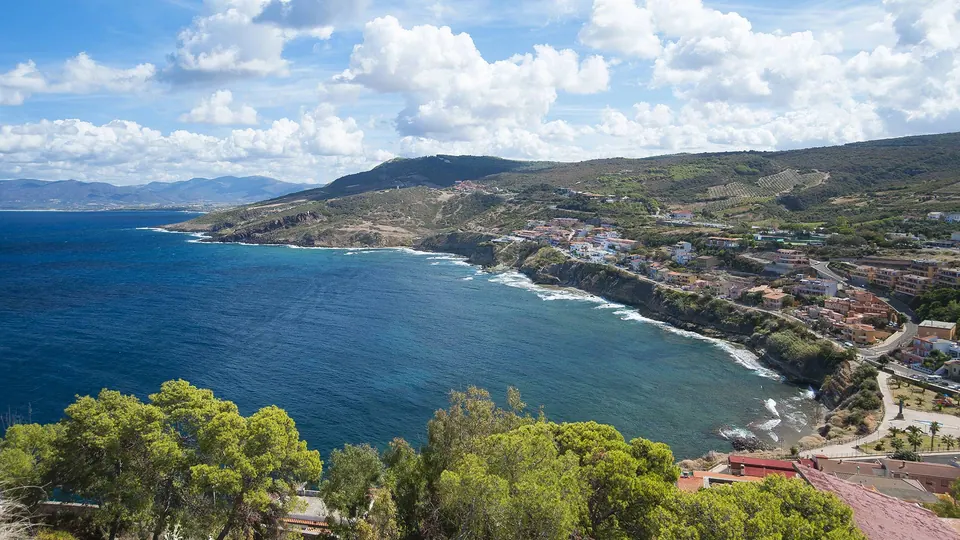 North West
This small cove is characterized by gray medium and coarse grains of sand and by stretches of flat and practicable rocks.
Read on Sardinia Magazine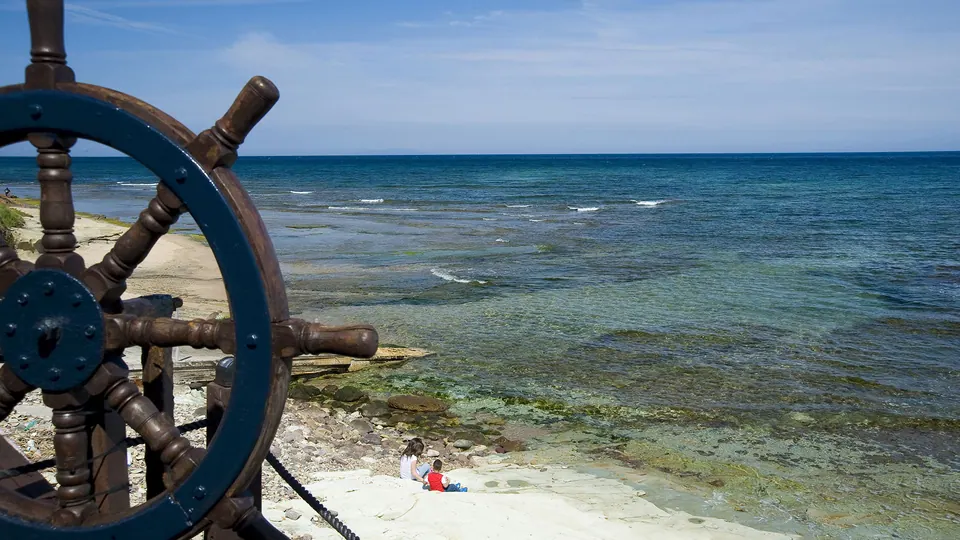 North West
La Ciaccia is characterized by white golden medium and coarse grains of sand and spread rocks.
Read on Sardinia Magazine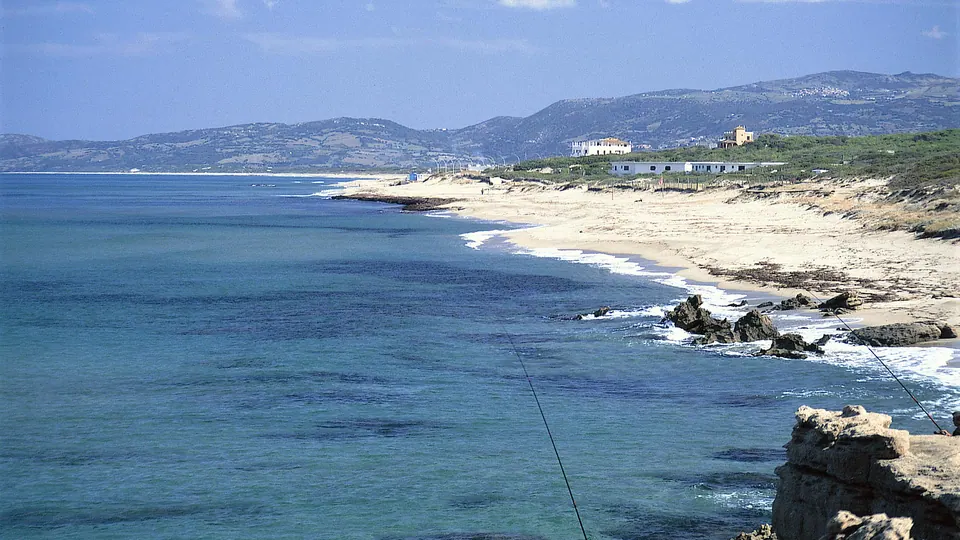 North West
This long beach is characterized by white fine sand and spread rocks.
Read on Sardinia Magazine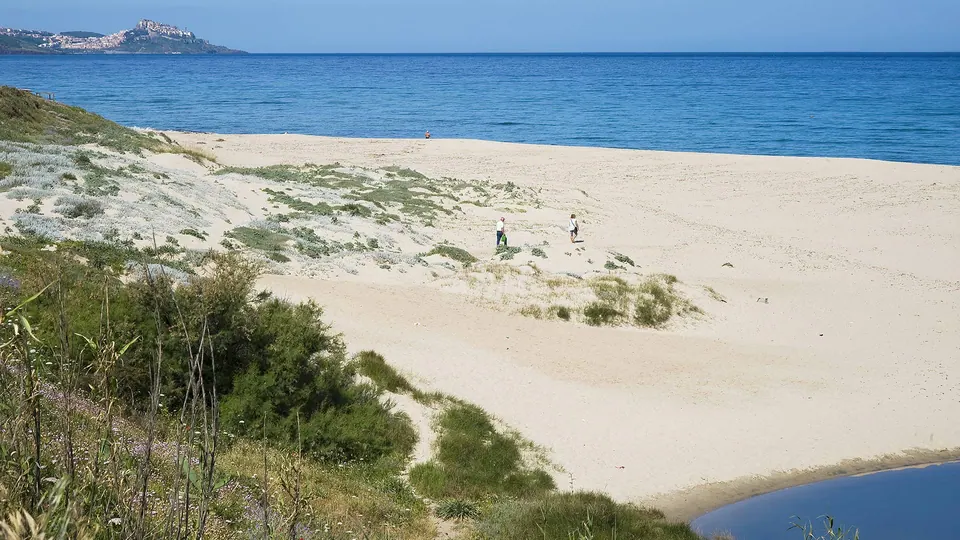 North West
San Pietro beach is the natural continuation of Maragnani beach which is itself the continuation of La Ciaccia beach.
Read on Sardinia Magazine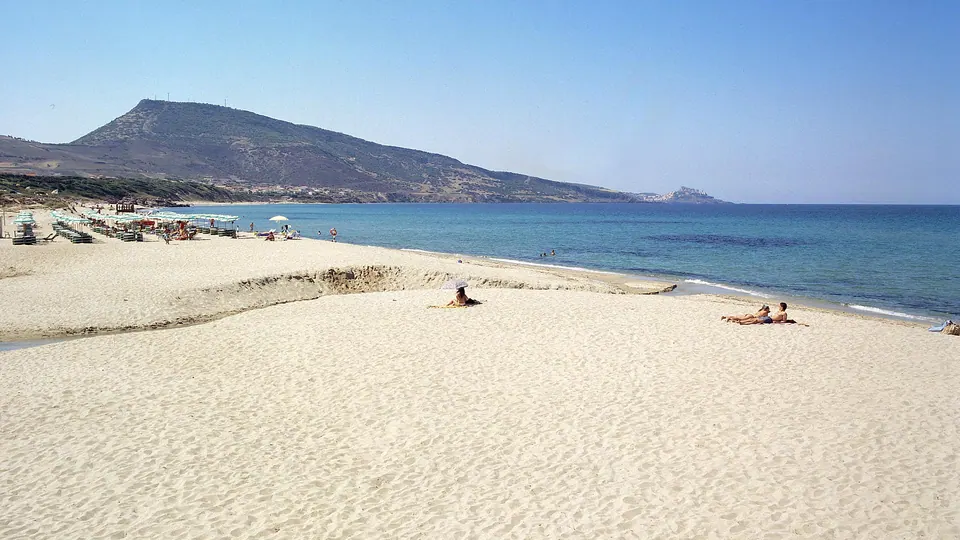 North West
Li Junchi beach is characterized by golden fine sand.
Read on Sardinia Magazine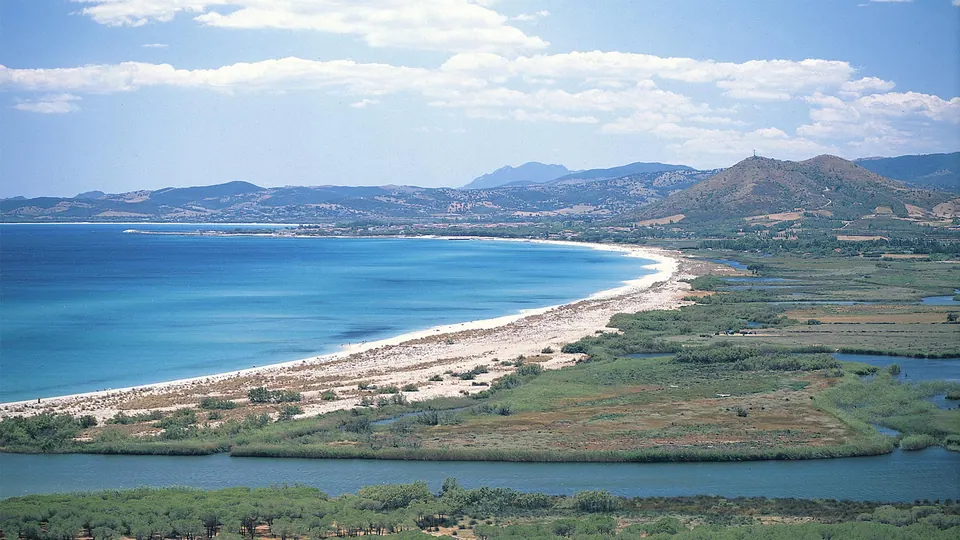 North East
This long and wide beach is made up of fine white sand, and is lapped by a crystal clear light blue sea.
Read on Sardinia Magazine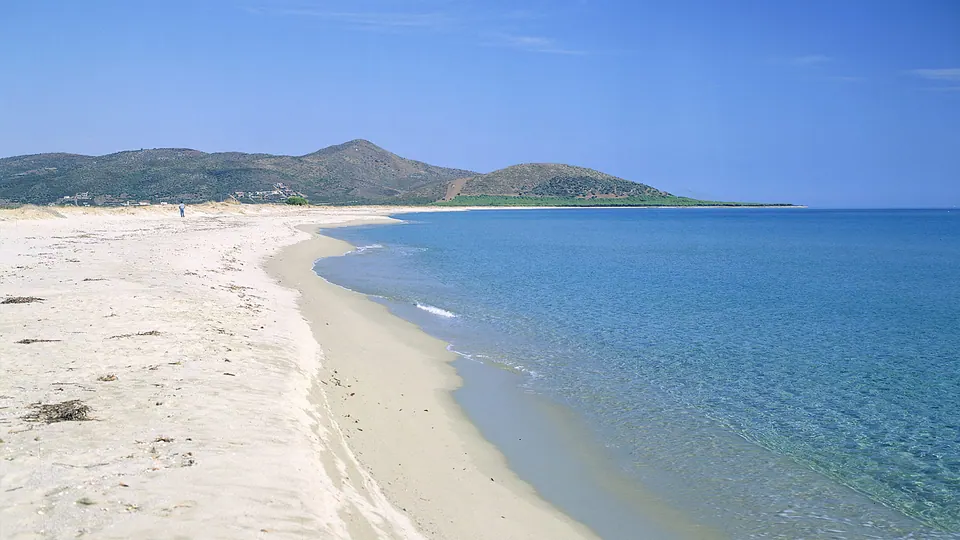 North East
This beach is characterized by fine, light-grey sand mixed with seashells, and is lapped by crystal clear shallow waters beneath which lies a sandy sea-bottom.
Read on Sardinia Magazine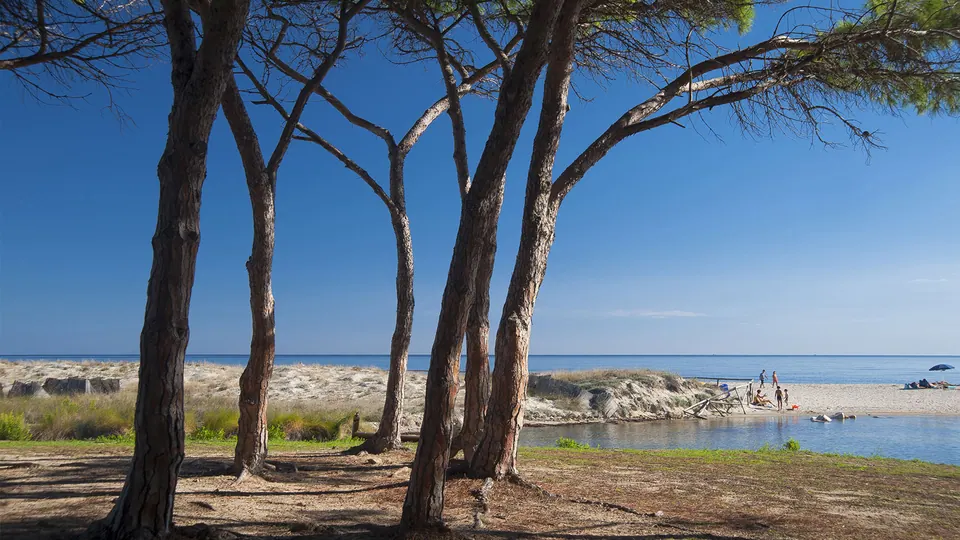 North East
This small beach, characterized by middle-grained white sand, is lapped by crystal clear shallow waters beneath which lies a sandy sea-bottom: for these reasons it is an ideal place for families with children.
Read on Sardinia Magazine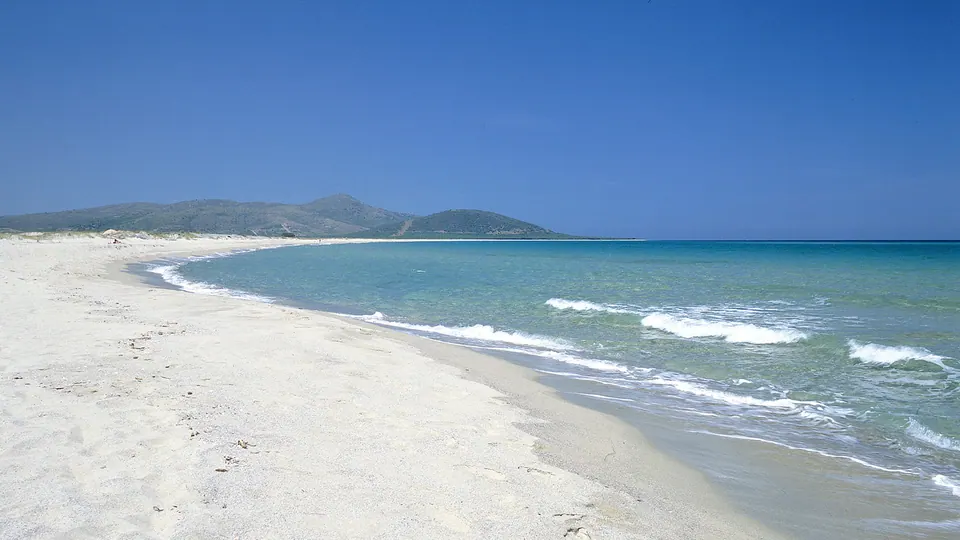 North East
This long beach is characterized by middle-grained white sand, and is lapped by crystal clear waters.
Read on Sardinia Magazine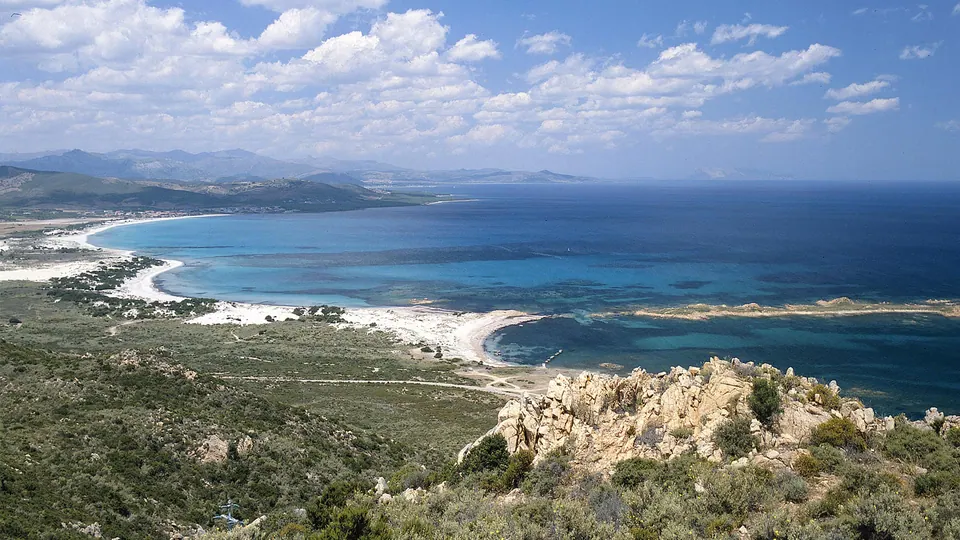 North East
The beach of Santa Lucia is characterized by white sand, pebbles and rocks, and is lapped by a beautiful light blue sea beneath which lies a sea-bottom made up of sand and rocks.
Read on Sardinia Magazine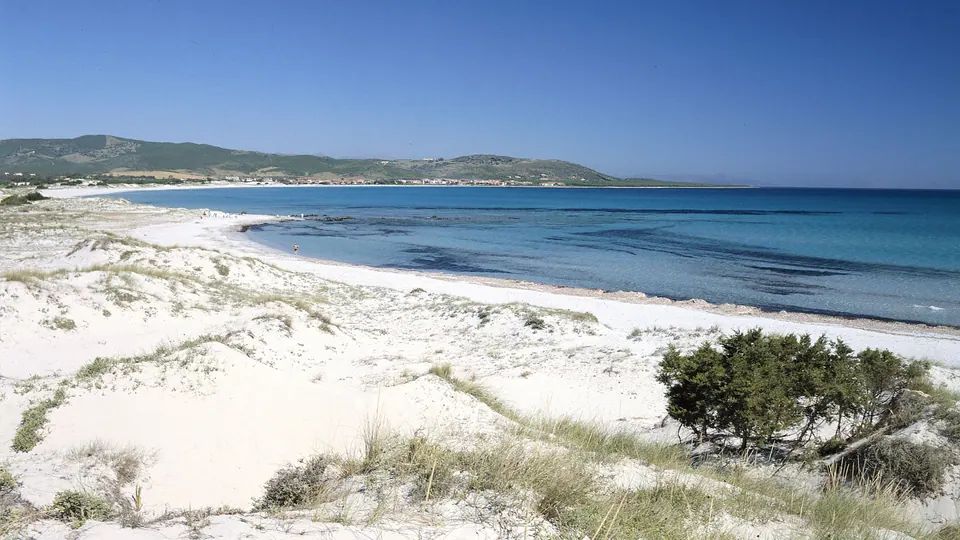 North East
The beach of Capo Comino is characterized by fine white sand mixed with rocks.
Read on Sardinia Magazine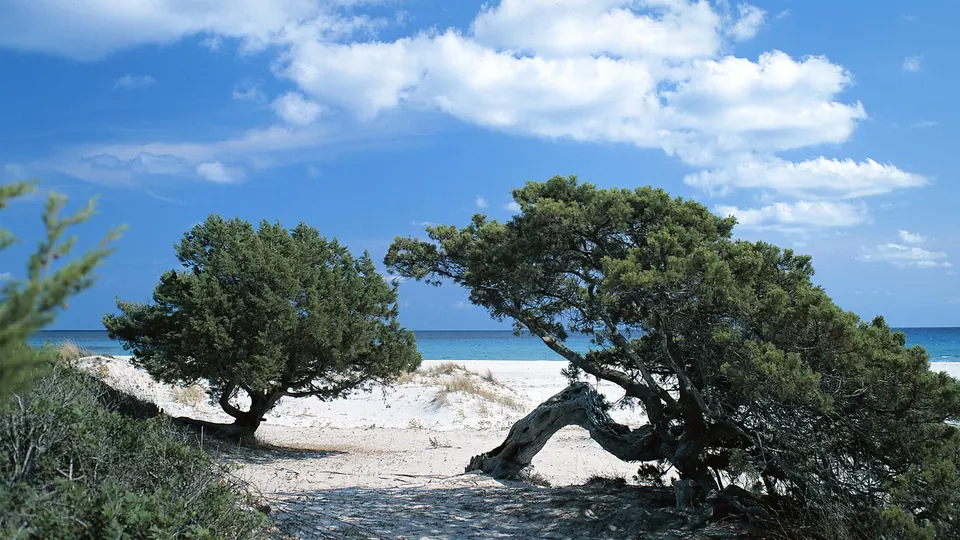 North East
This long beautiful beach is characterized by fine, white sand mixed with pebbles and seashells, and is lapped by crystal clear waters.
Read on Sardinia Magazine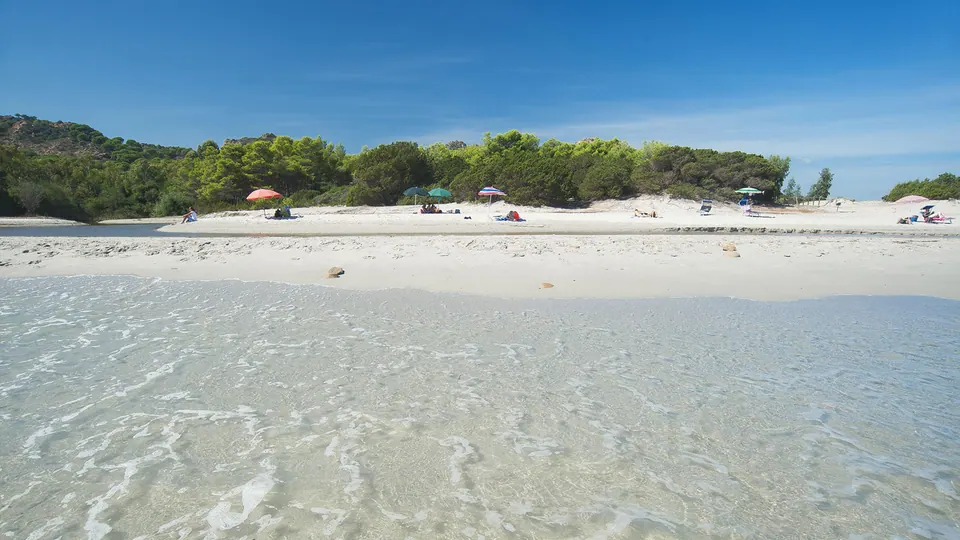 Central East
This stretch of coastline is characterized by five beaches made up of extremely fine, grey sand, separated by pink rocks, junipers and sea daffodils.
Read on Sardinia Magazine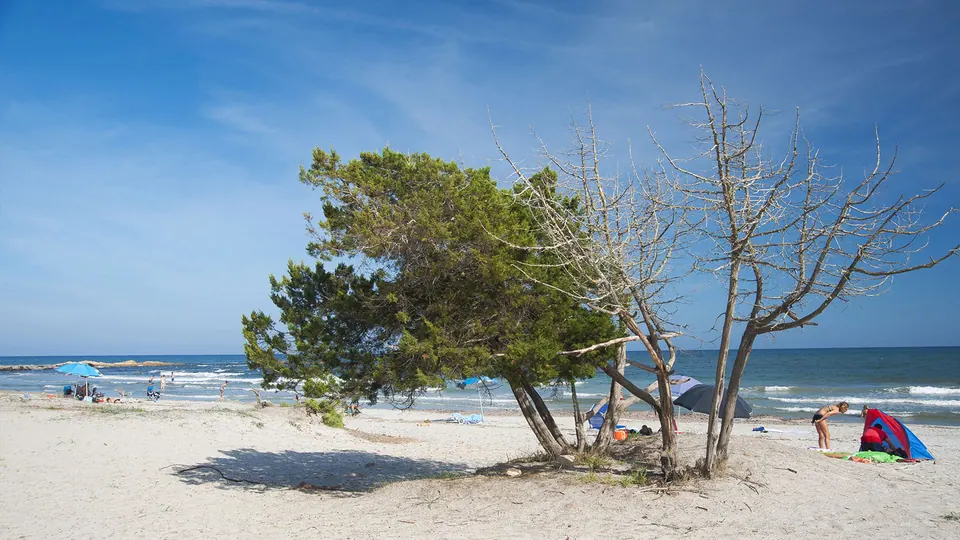 Central East
This beach is characterized by fine, light-grey sand, and is lapped by crystal clear waters.
Read on Sardinia Magazine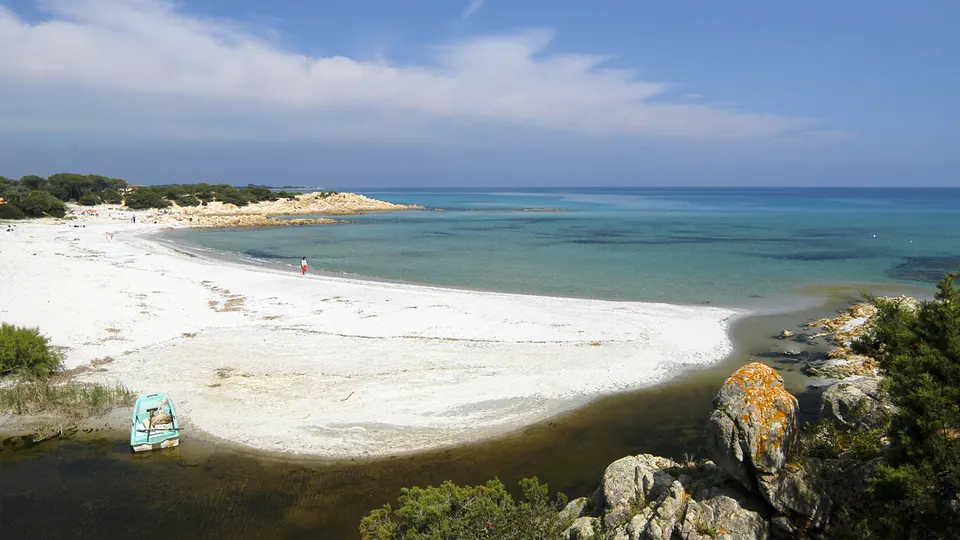 Central East
The stretch of coast of Cala Liberotto is characterized by different small beaches separated by cliffs.
Read on Sardinia Magazine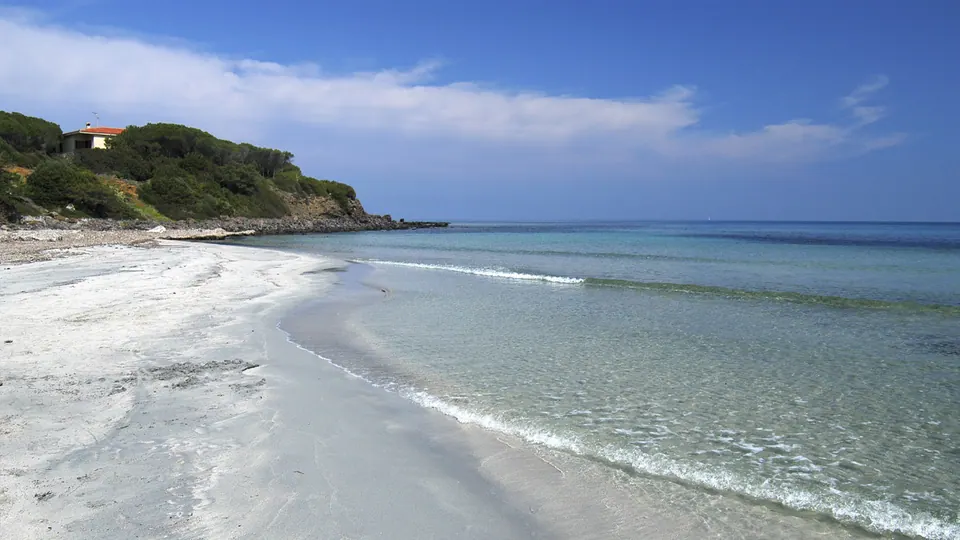 Central East
This small beach, which is about 300 metres long, is characterized by fine, grey sand mixed with rocks, and is lapped by crystal clear waters.
Read on Sardinia Magazine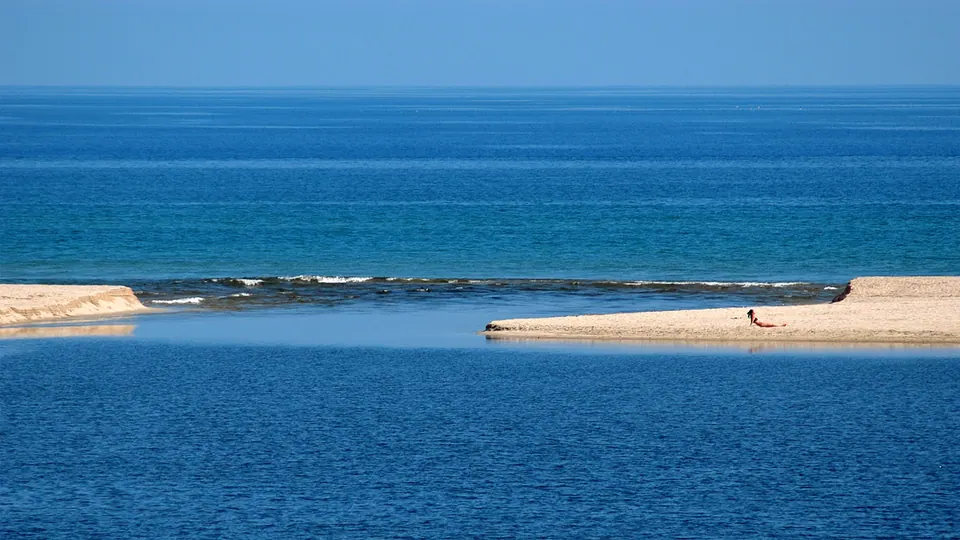 Central East
This beach is characterized by middle-grained ochre sand and is much frequented by scuba diving enthusiasts on account of the deep waters and mixed sea-bottom.
Read on Sardinia Magazine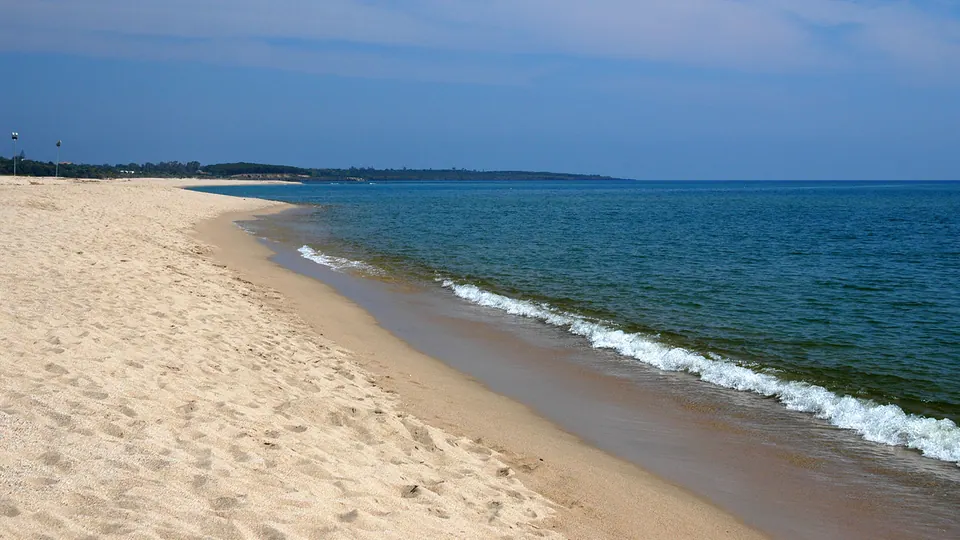 Central East
This 2-km beach is characterized by coarse, golden sand mixed with pebbles and seashells.
Read on Sardinia Magazine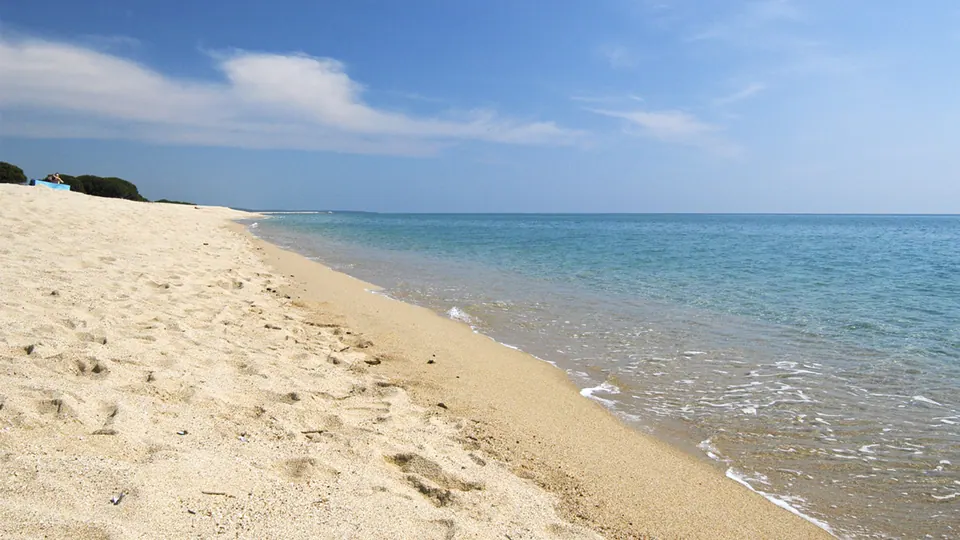 Central East
Characterized by middle-grained golden sand mixed with seashells, the beach is lapped by waters that become deep within a short distance from the shore.
Read on Sardinia Magazine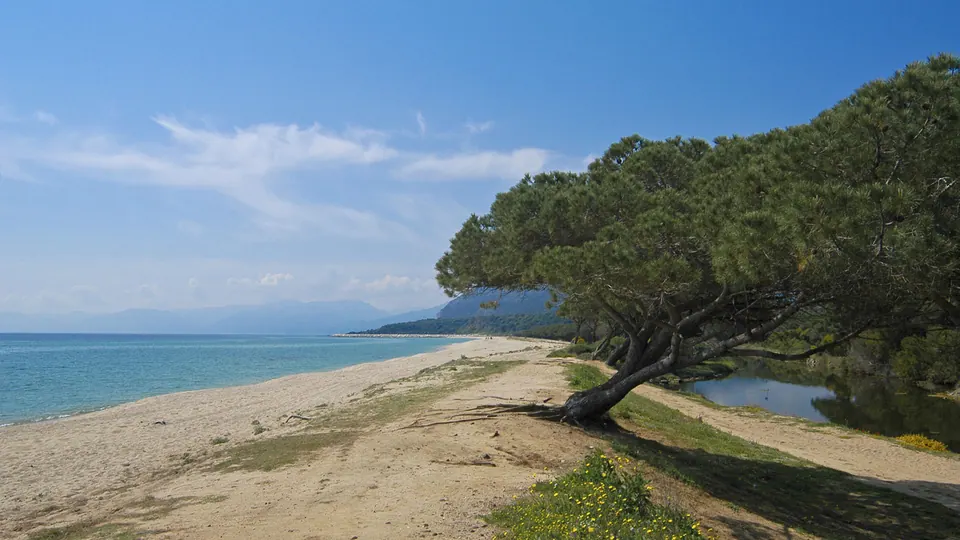 Central East
This beach forms the southern part of the coastline of Marina di Orosei.
Read on Sardinia Magazine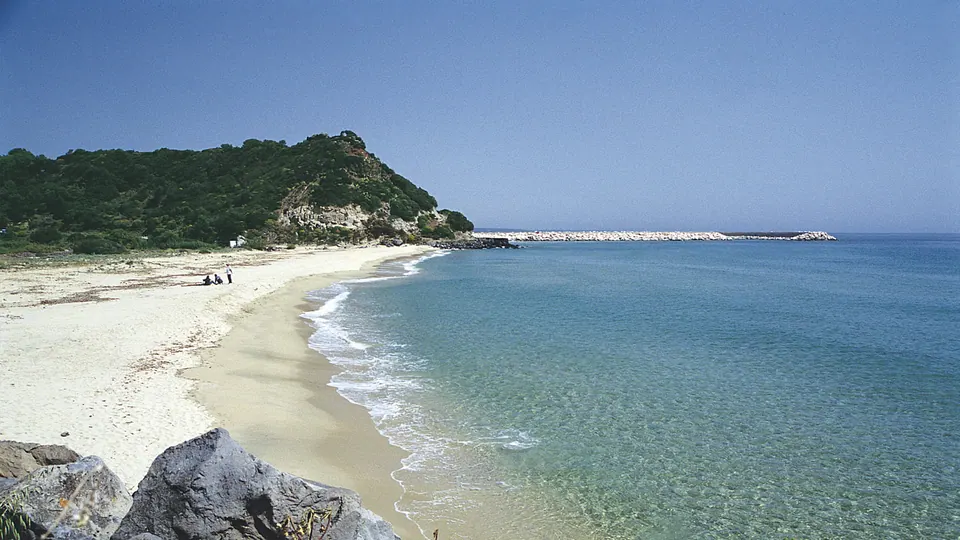 Central East
This small beach is characterized by middle-grained golden sand, and is lapped by shallow crystalline waters beneath which lies a sandy sea-bottom.
Read on Sardinia Magazine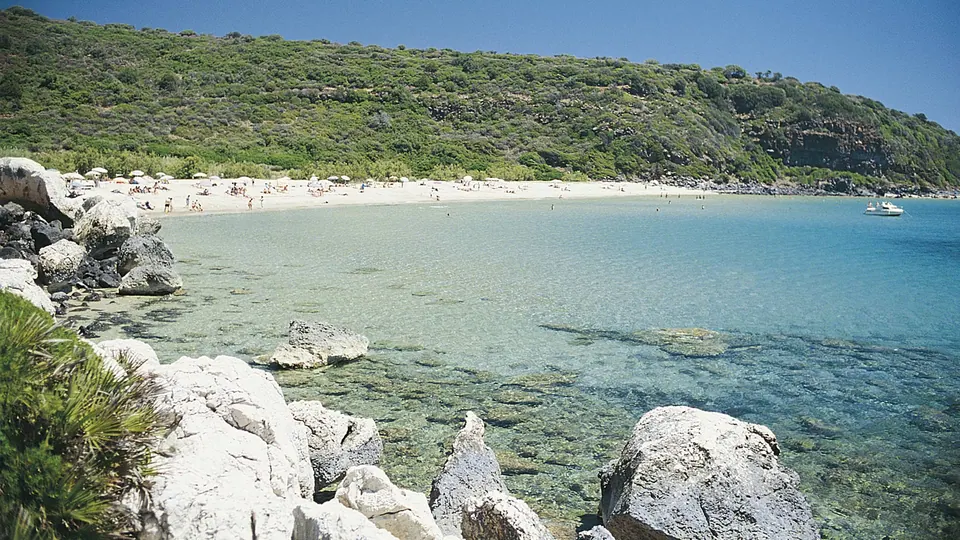 Central East
This beach is characterized by coarse golden sand, and is lapped by a crystal clear sea.
Read on Sardinia Magazine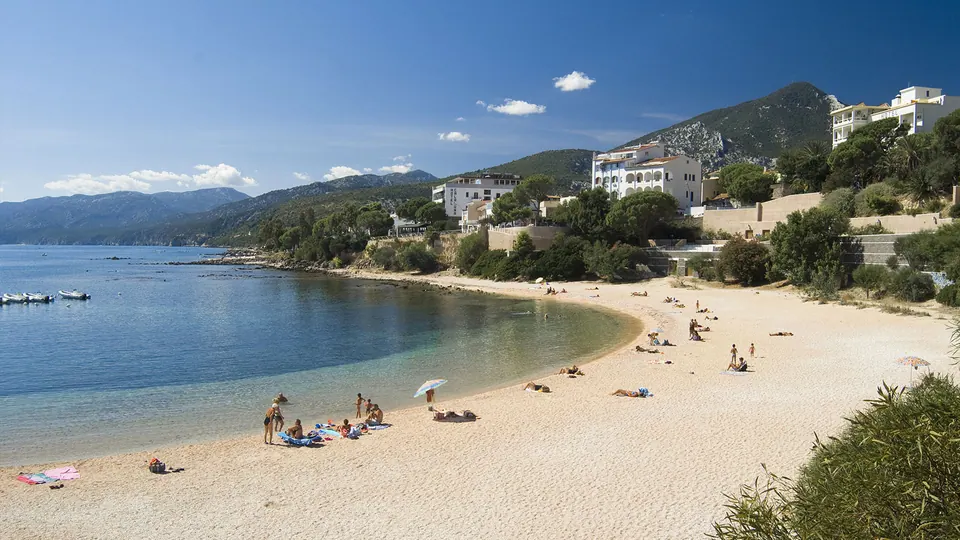 Central East
This small beach is characterized by golden coarse sand which has a limpid and crystalline sea with shallow water and sandy sea-bottom mixed with pebbles.
Read on Sardinia Magazine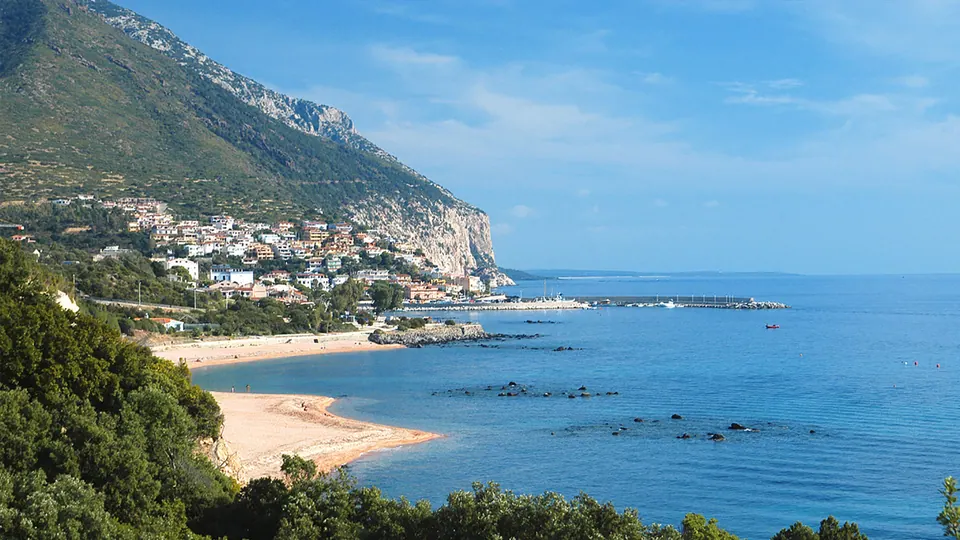 Central East
This beach is characterized by small reddish pebbles mixed with white and pink sand that was spread on the beach to prevent further erosion.
Read on Sardinia Magazine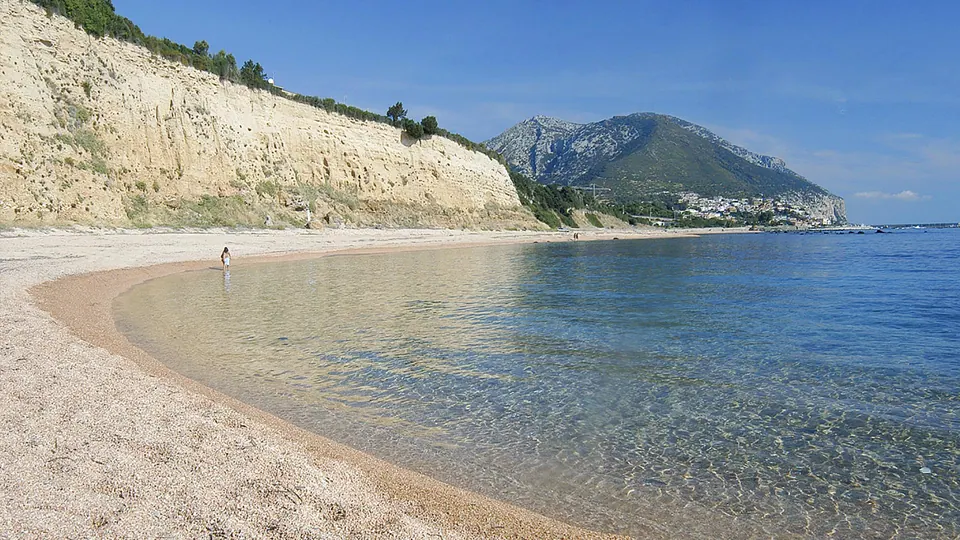 Central East
This beach is characterized by medium-sized golden sand, the sea is limpid and crystalline, the water is shallow and the sea-bottom is sandy mixed with rocks.
Read on Sardinia Magazine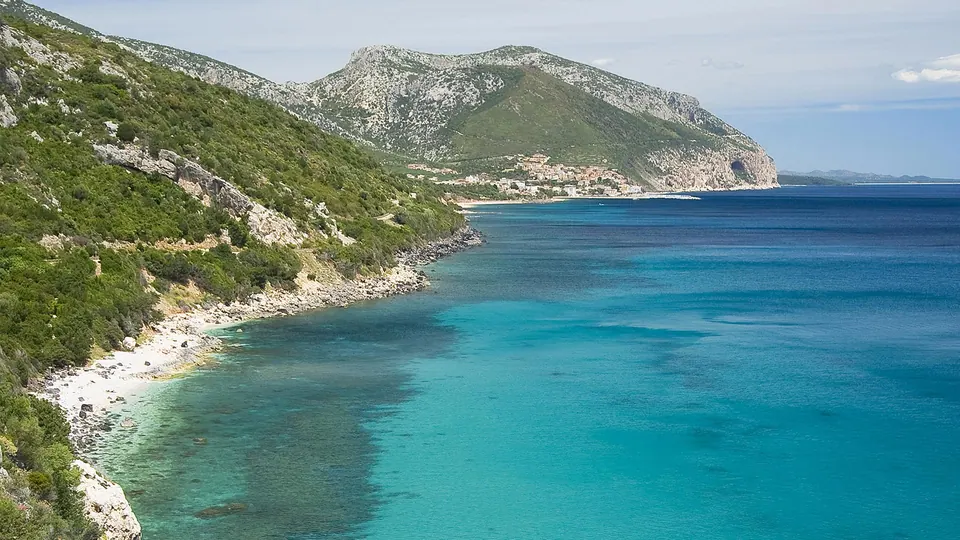 Central East
This small beach is characterized by grey fine sand mixed with pebbles, it inserts itself in a beautiful promontory covered with vegetation.
Read on Sardinia Magazine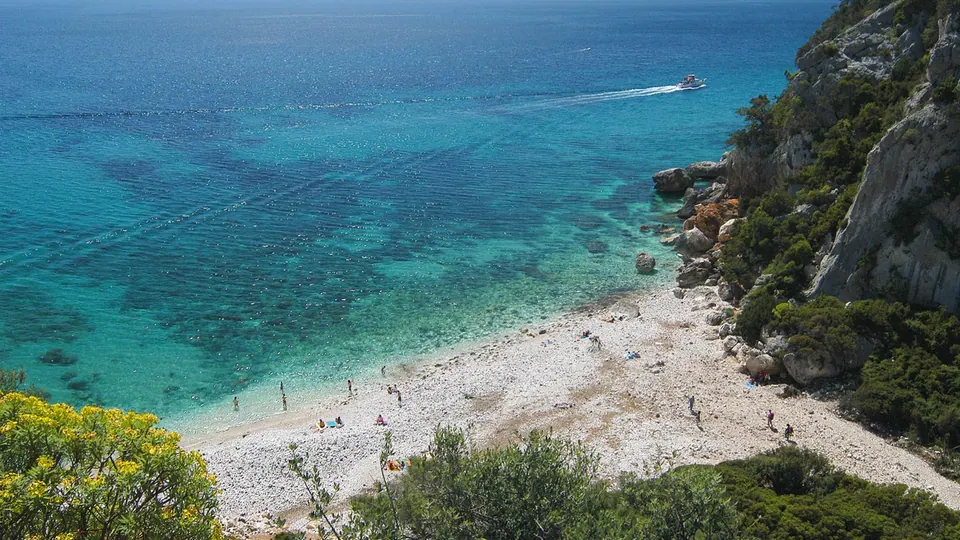 Central East
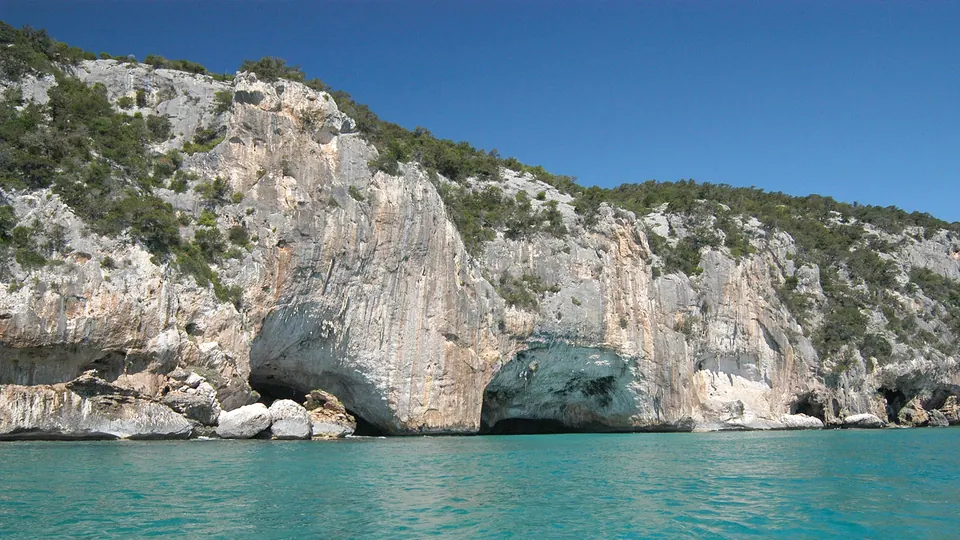 Central East
The Grotte del Bue Marino (Sea Ox Caves) owe their name to the Monk seal Sardinian name, a marine mammal considered disappeared from the area in the 80s.
Read on Sardinia Magazine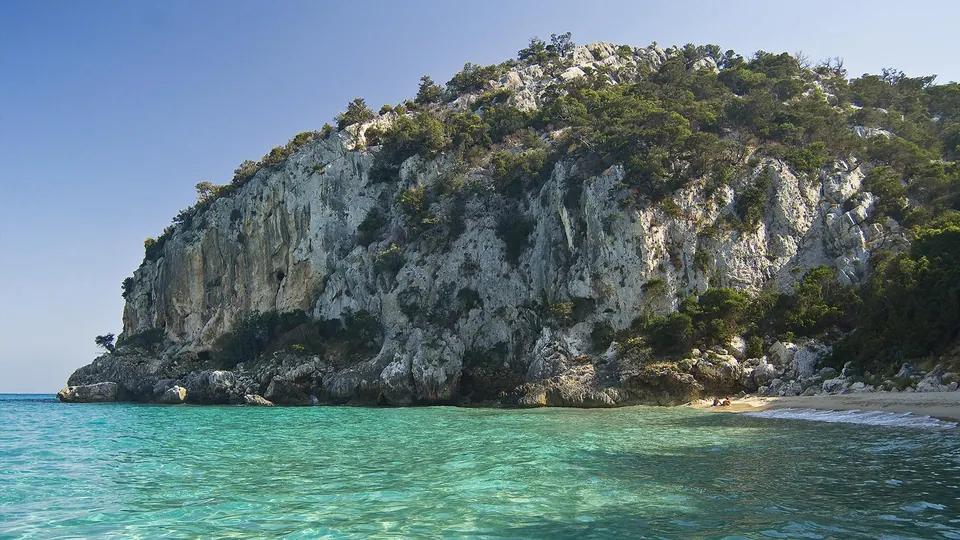 Central East
This small cove is characterized by rocks, the beautiful sea is turquoise, very limpid and very well loved by diving enthusiasts.
Read on Sardinia Magazine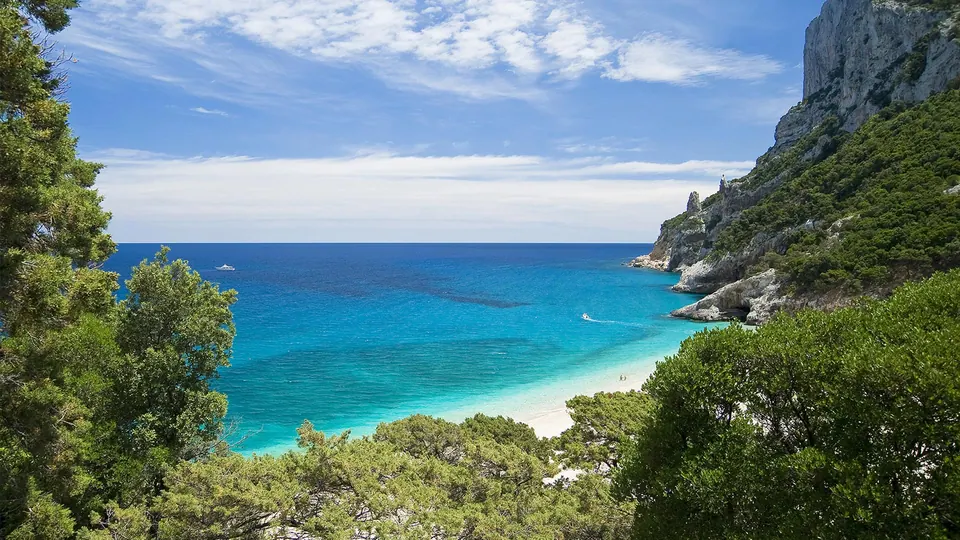 Central East
This beautiful cove is characterized by coarse sand mixed with pebbles and like Cala Luna is between beautiful cliffs that drop straight down to the sea.
Read on Sardinia Magazine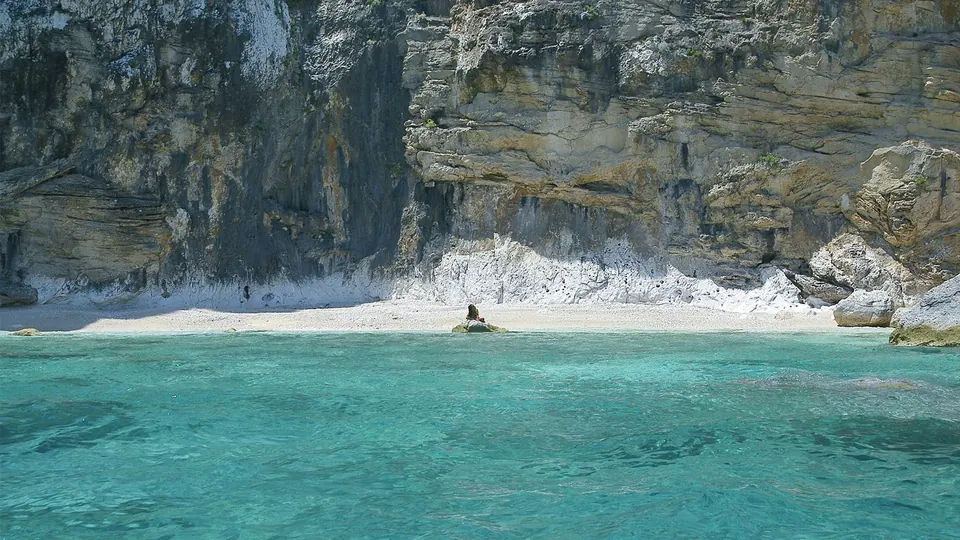 Central East
Like the other coves along this wonderful stretch of coast, this too has a thin shore with light sand mixed with rocks, the sea-bottom is transparent and crystalline.
Read on Sardinia Magazine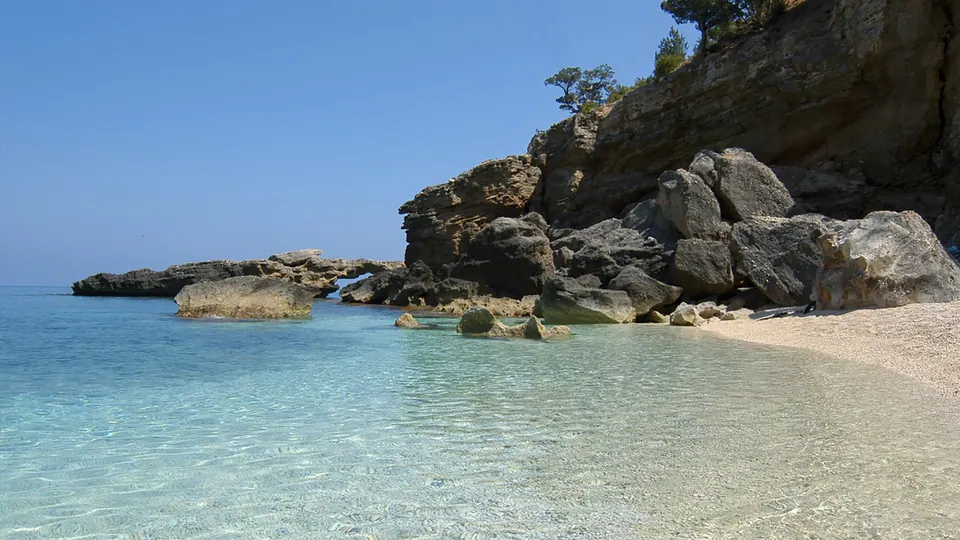 Central East
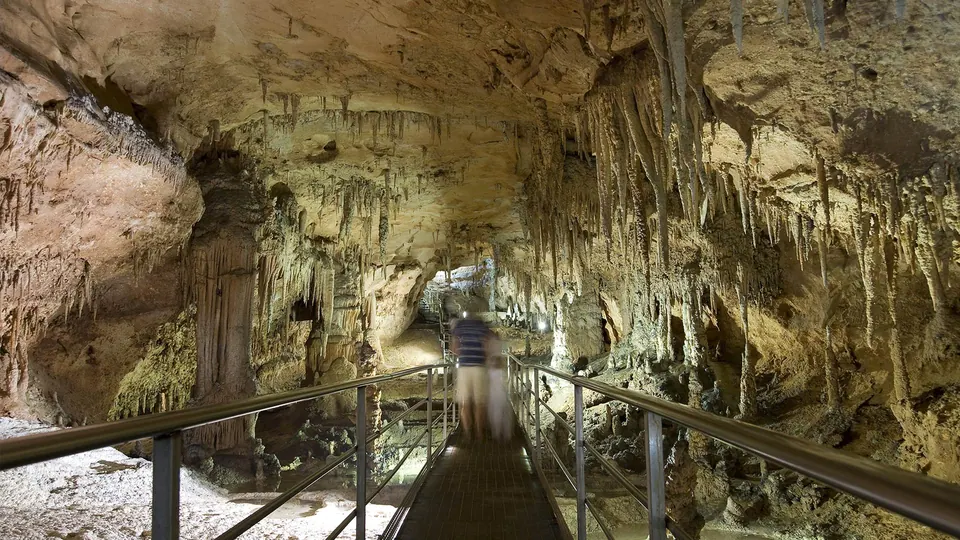 Central East
It opened to the public in 2003 and is considered one of the most beautiful and important caves of Sardinia.
Read on Sardinia Magazine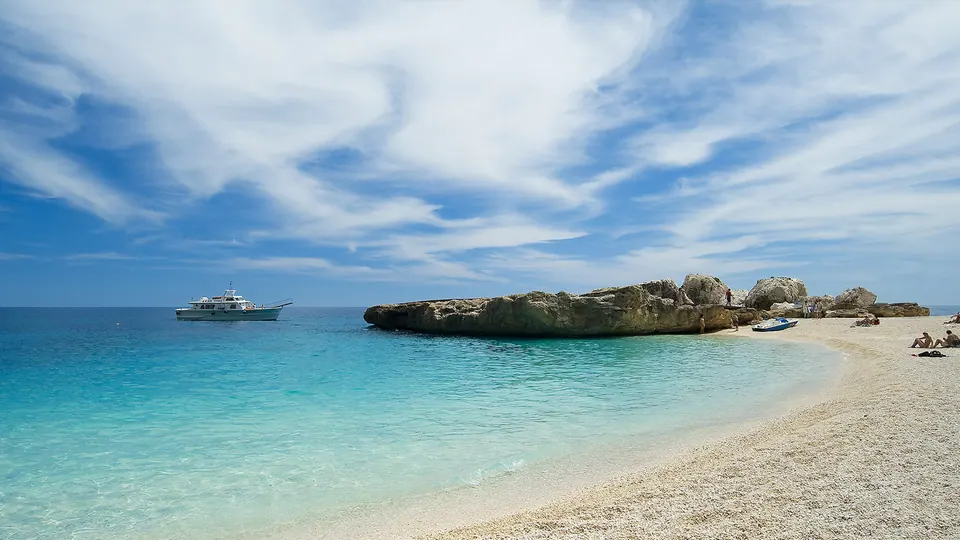 Central East
Standing to what everybody says it is one of the most enchanting beaches of the Mediterranean sea.
Read on Sardinia Magazine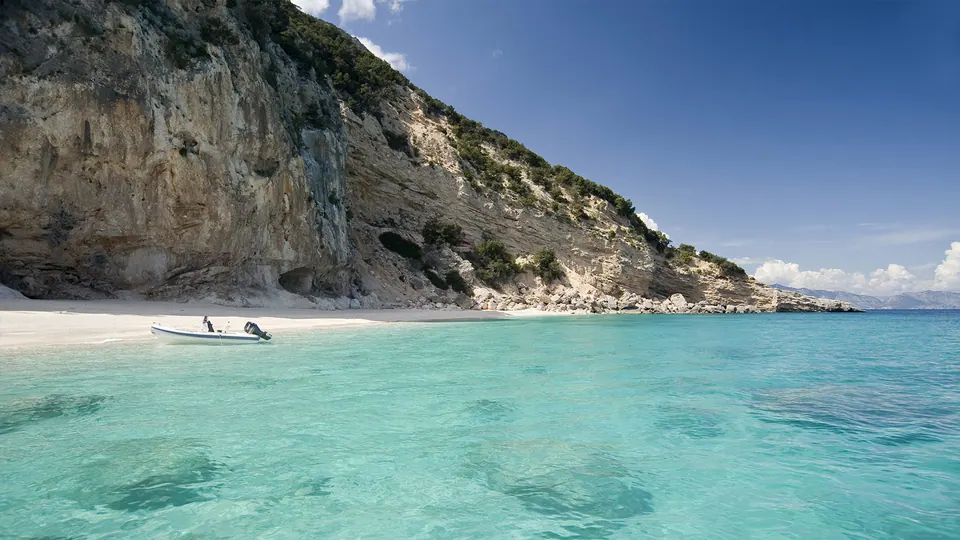 Central East
Cala dei Gabbiani (Seagull Cove) is a beach of 300 metres long in Punta Ispuligi and is considered by everyone a paradise not to be missed.
Read on Sardinia Magazine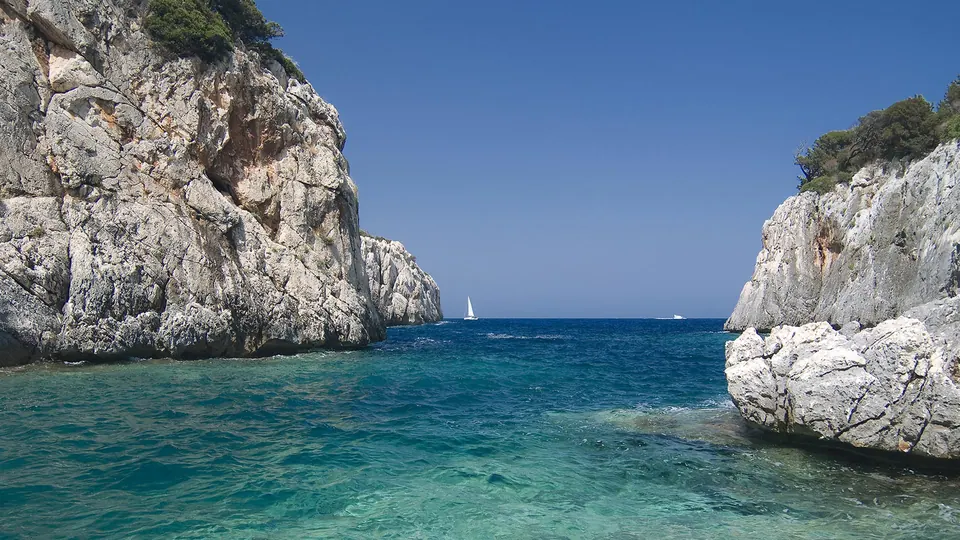 Central East
The name Quau in Sardinian means "hidden" and it comes from the locality that this suggestive small cove occupies.
Read on Sardinia Magazine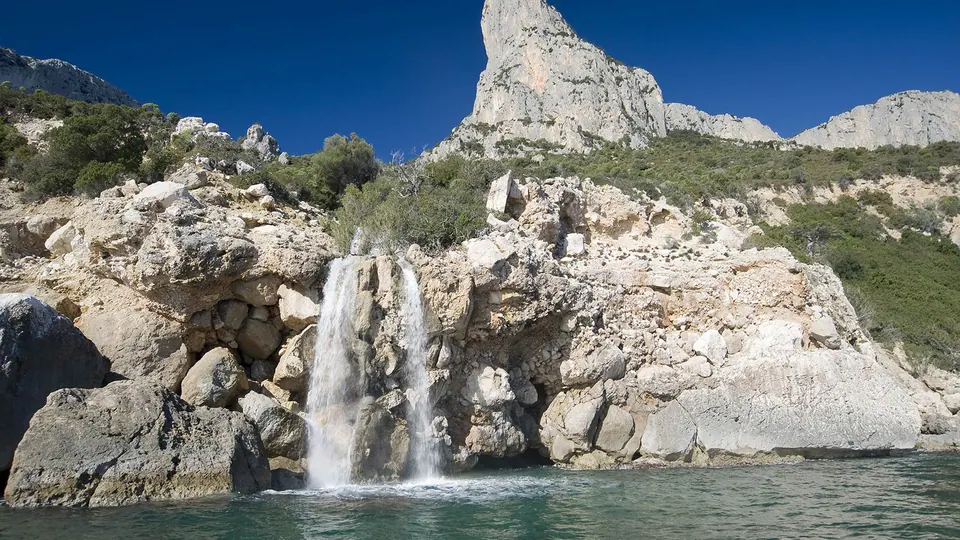 Central East
Baus beach is a small stretch of sand mixed with gravel inserted in a wild and uncontaminated natural context.
Read on Sardinia Magazine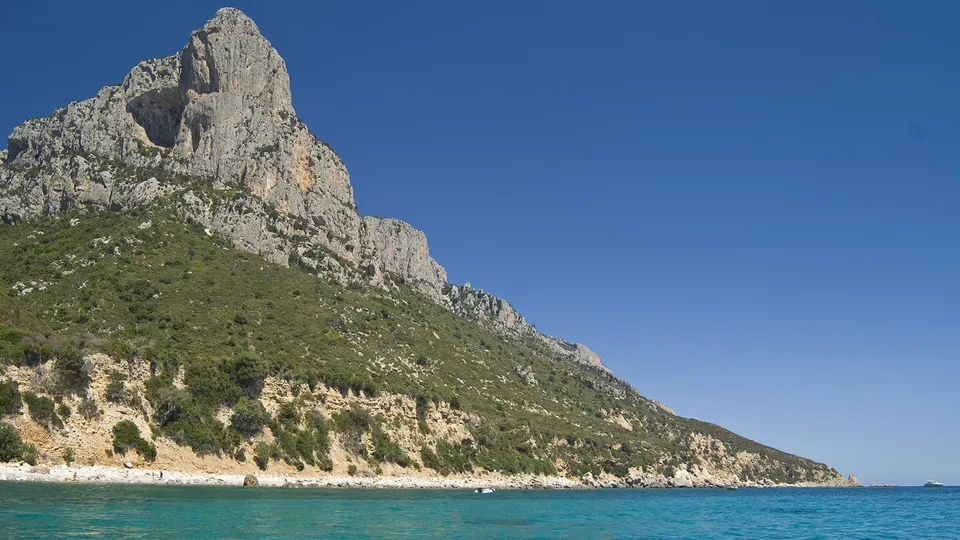 Central East
Forrola beach is a small stretch of white rocks, behind it there are very steep cliffs that drop straight down to the sea, on which the Mediterranean maquis grows challenging the force of gravity.
Read on Sardinia Magazine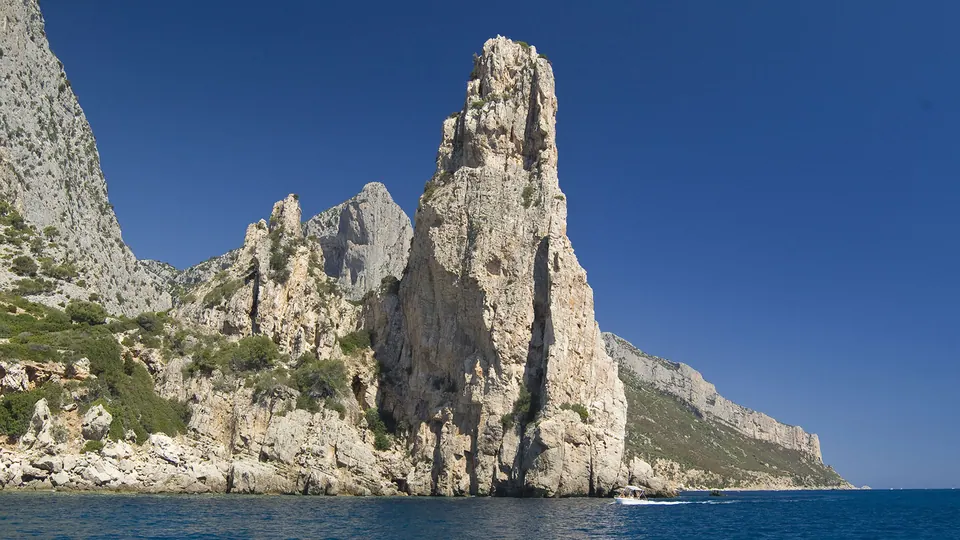 Central East
Along this stretch of coast nature is wild and uncontaminated and dominated by the famous pinnacle of Pedra Longa.
Read on Sardinia Magazine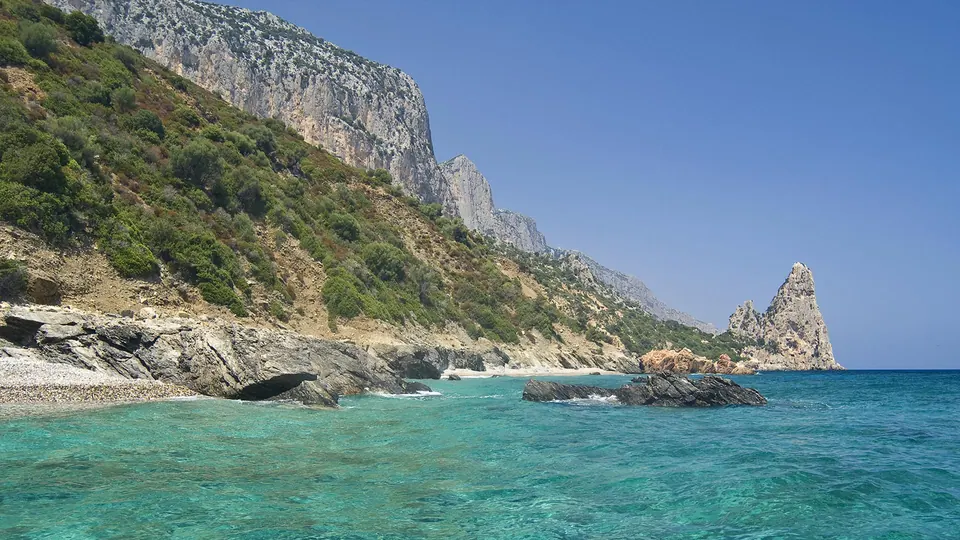 Central East
This is a small beach with vary coloured gravel which is divided by a cliff in two stretches.
Read on Sardinia Magazine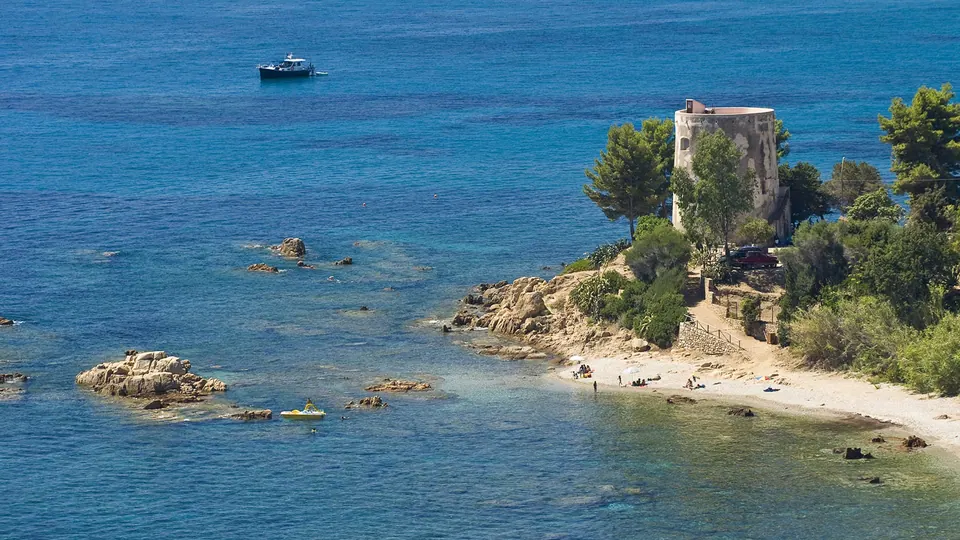 Central East
This small beach is characterized by small light pebbles and rising rocks, the sea is limpid and crystalline, the sea-bottom is mostly rocky and these features make of this beach a destination for…
Read on Sardinia Magazine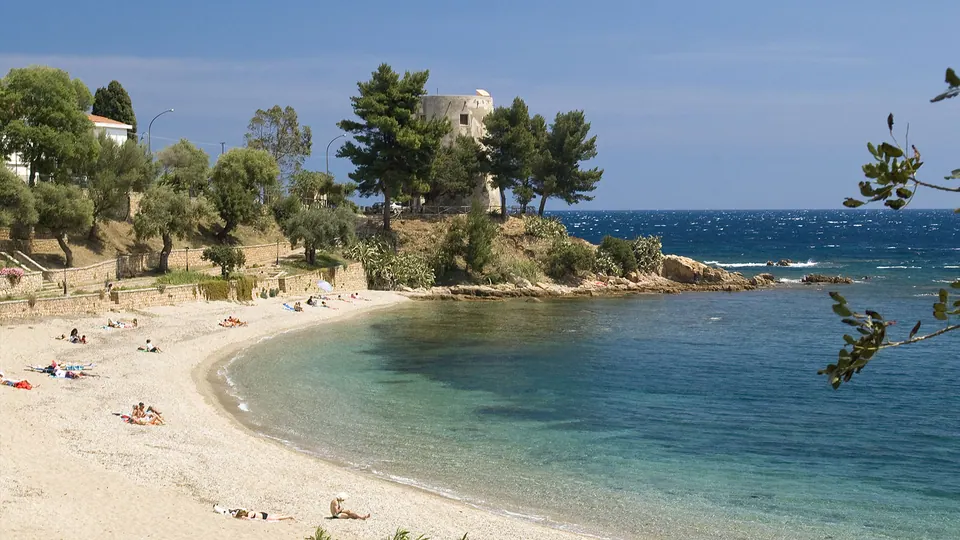 Central East
This long beach is frequented by the inhabitants of the town a lot and is characterized by light small pebbles mixed with coarse sand.
Read on Sardinia Magazine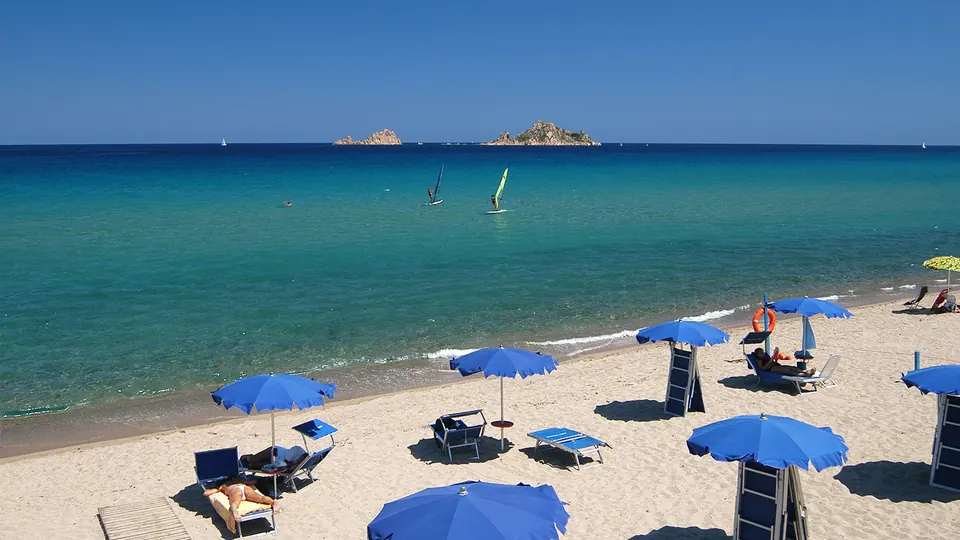 Central East
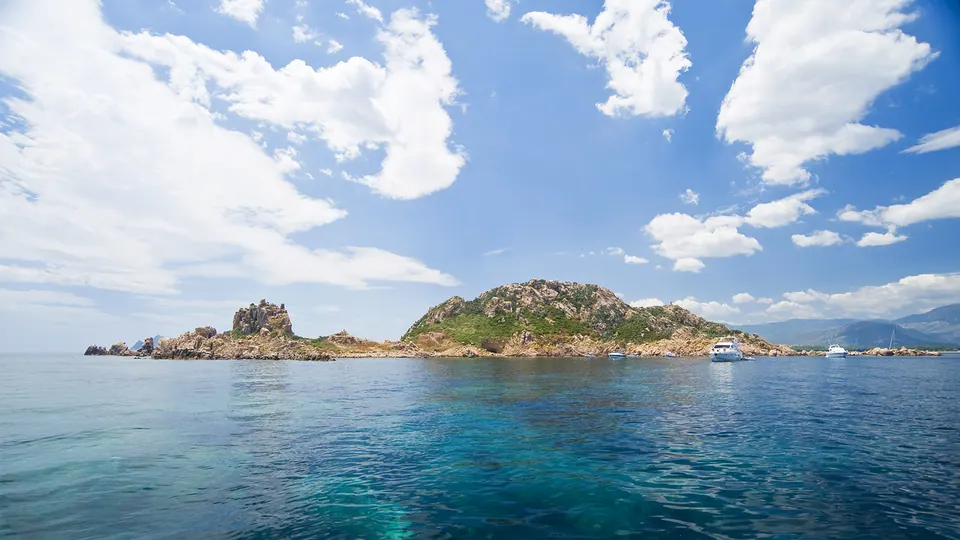 Central East
Ogliastra Islet is in front of Lotzorai beach and is a wonderful reddish granitic mass 47 metres high.
Read on Sardinia Magazine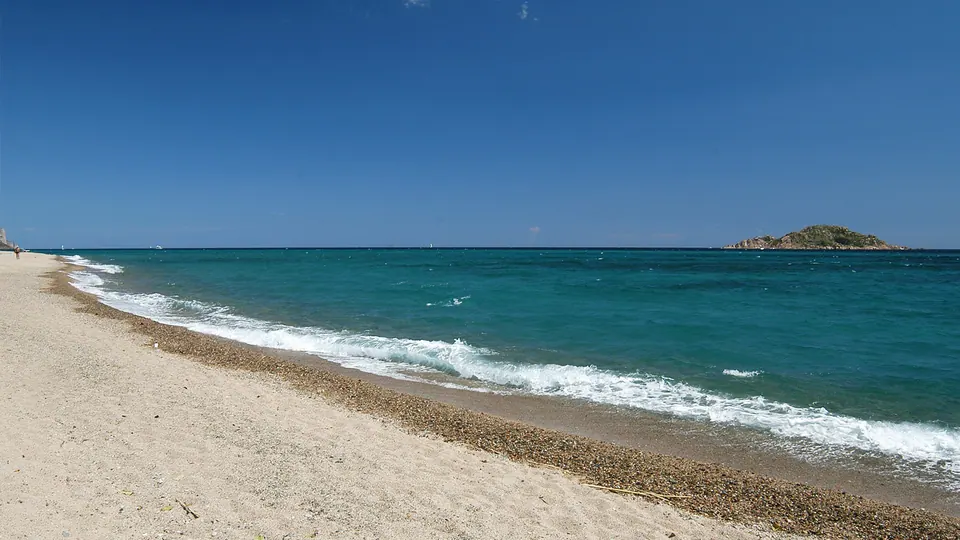 Central East
Pollu is Lotzorai's stretch of shore that starts near the mouth of Rio Palmavera (Palmavera Stream) and continues south to Spiaggia delle Rose.
Read on Sardinia Magazine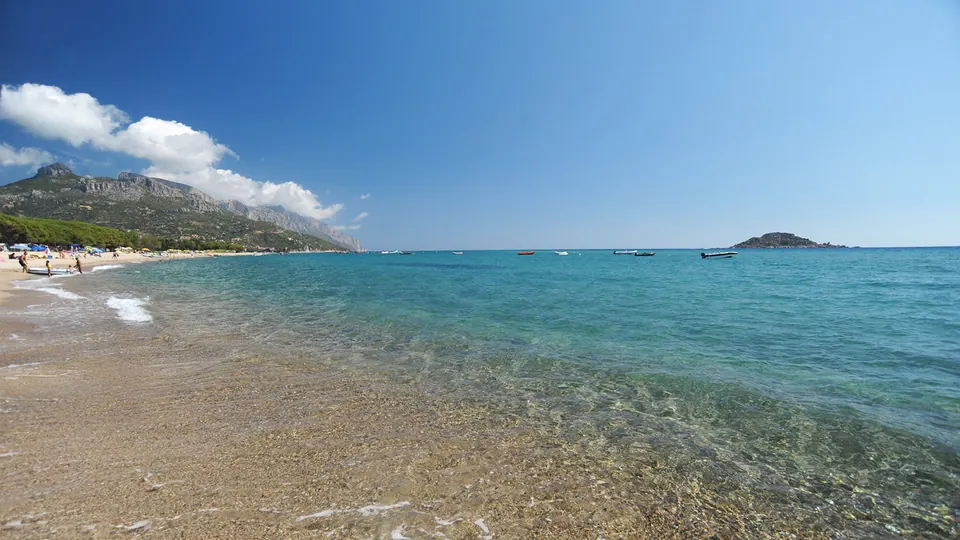 Central East
This beautiful beach is the natural continuation of Pollu beach.
Read on Sardinia Magazine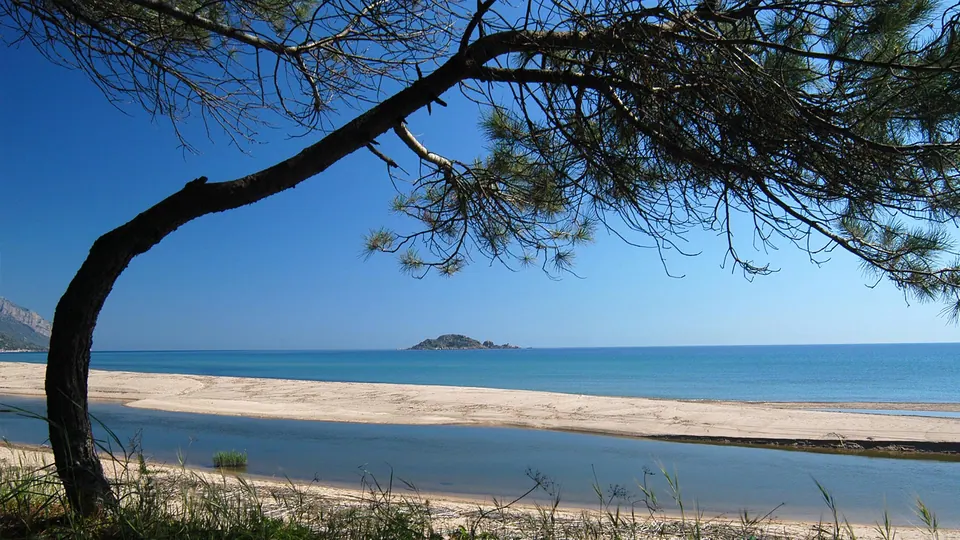 Central East
This beach stretches from Rio Girasole's (Girasole Stream) mouth out to Tortolì's marsh.
Read on Sardinia Magazine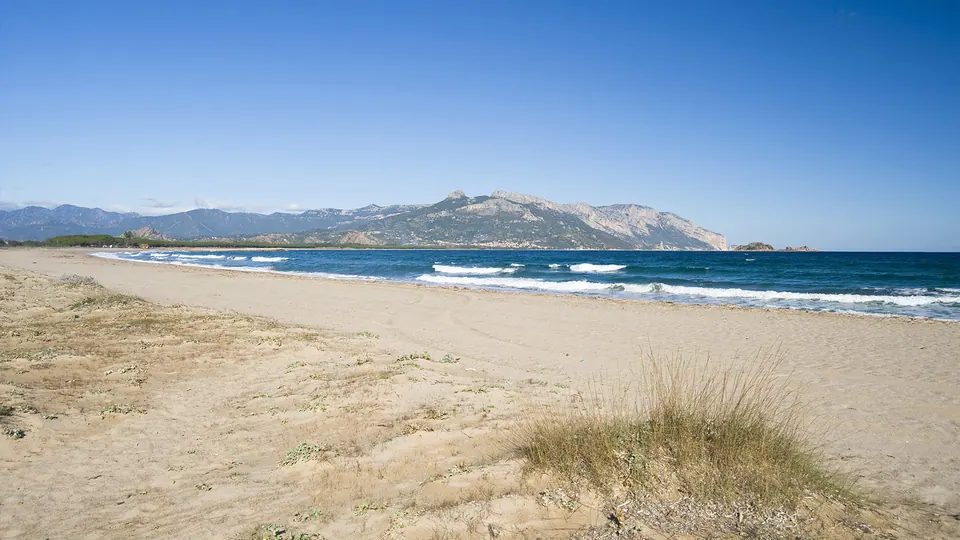 Central East
This long beach is characterized by light grey sand mixed with pebbles and shells.
Read on Sardinia Magazine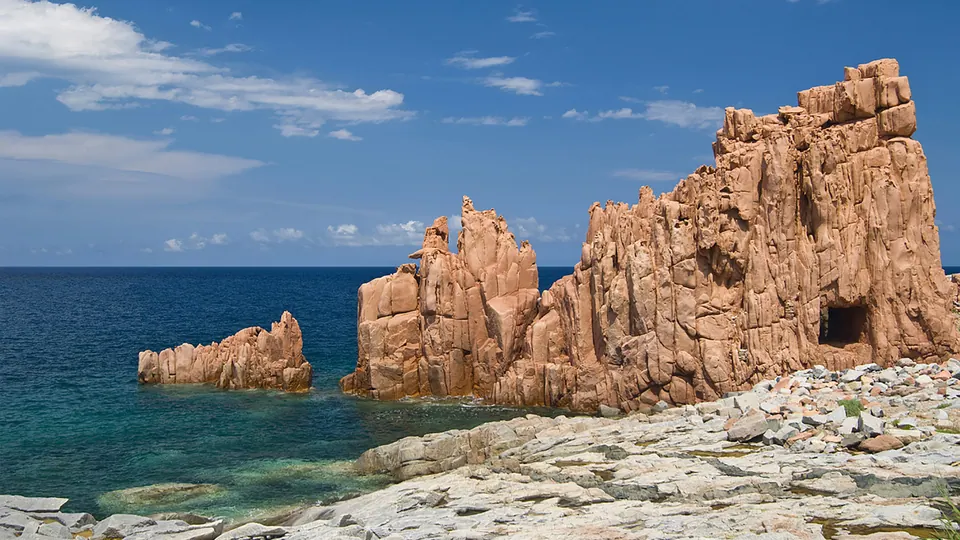 Central East
The Rocce Rosse (Red Rocks) are the natural monument most known of Arbatax and also one of Sardinia's symbols.
Read on Sardinia Magazine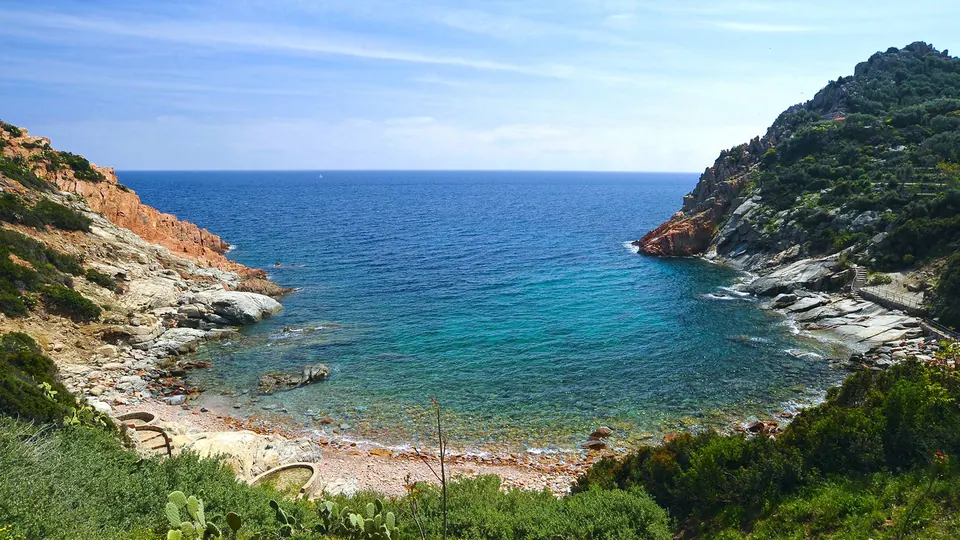 Central East
This small beach is especially made of big pebbles averagely okra.
Read on Sardinia Magazine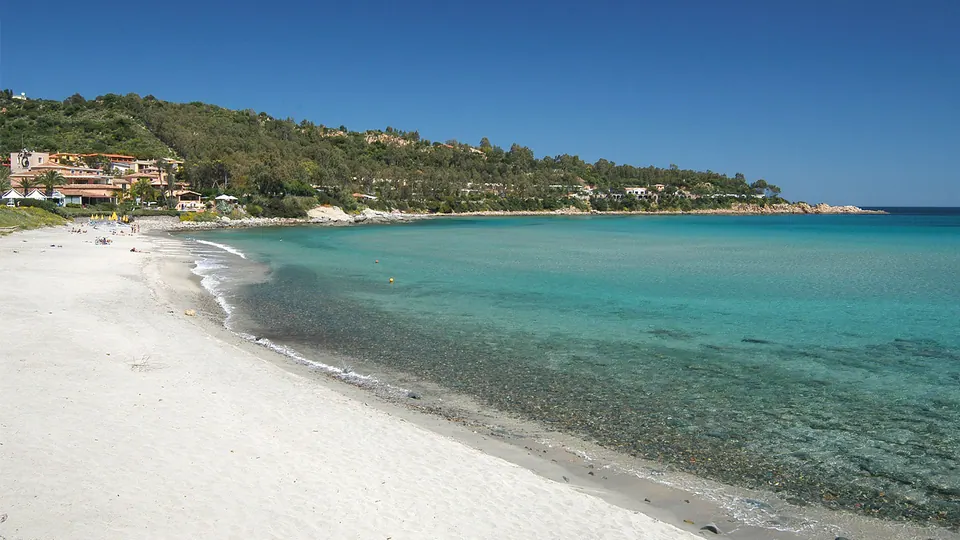 Central East
This beautiful beach is characterized by light fine sand and delimitated by cliffs, the sea is limpid and transparent, the water is shallow and the sea-bottom is sandy, because of it is a popular…
Read on Sardinia Magazine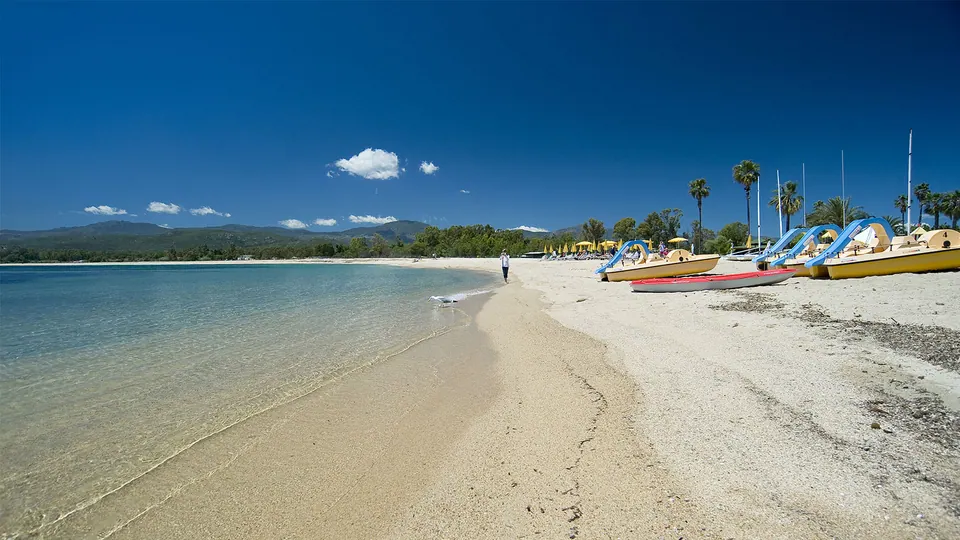 Central East
This beach is longer than 2 km and is characterized by golden medium-sized grains of sand.
Read on Sardinia Magazine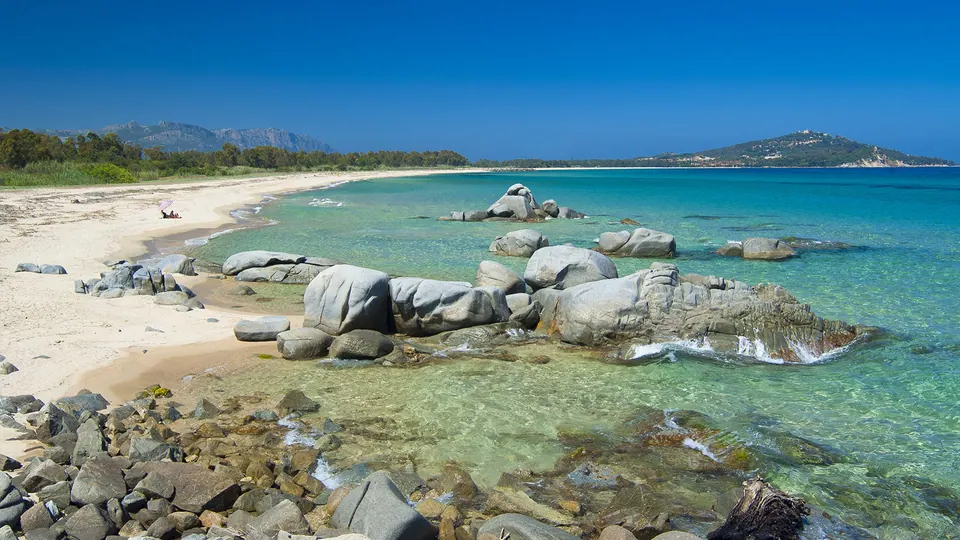 Central East
This long beach is characterized by light medium-sized grains of sand mixed with rocks.
Read on Sardinia Magazine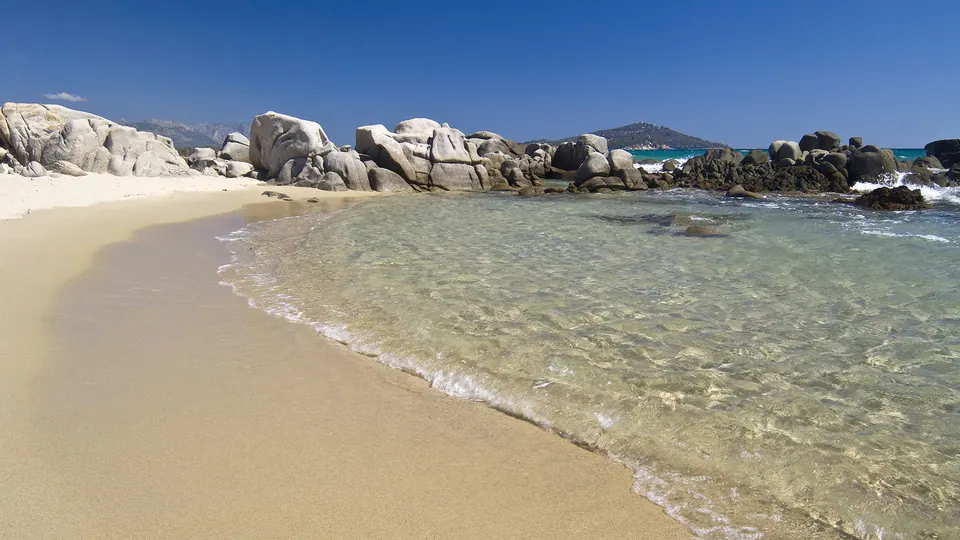 Central East
This beach is characterized by grey fine sand with a few rare granitic rocks rounded by erosion.
Read on Sardinia Magazine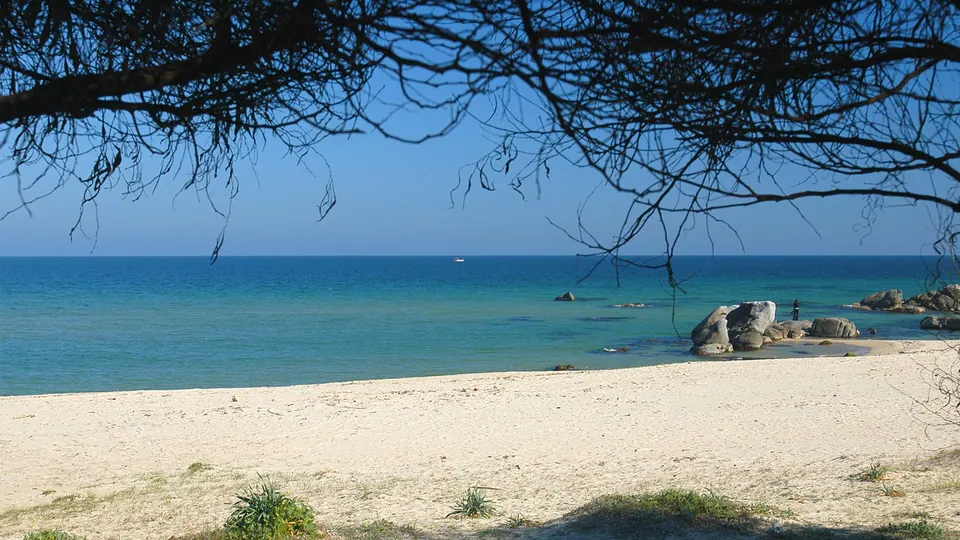 Central East
This beach, which is more or less a km long, is characterized by grey fine sand, the sea is limpid and crystalline, the water is shallow and the sea-bottom is sandy mixed with rocks.
Read on Sardinia Magazine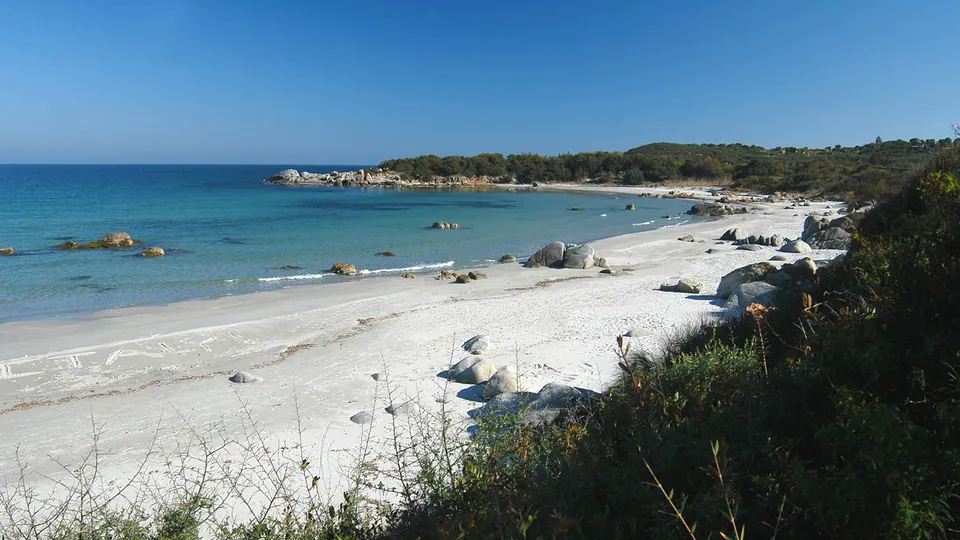 Central East
Cala Ginepro is a small cove characterized by light grey fine sand with some rocks.
Read on Sardinia Magazine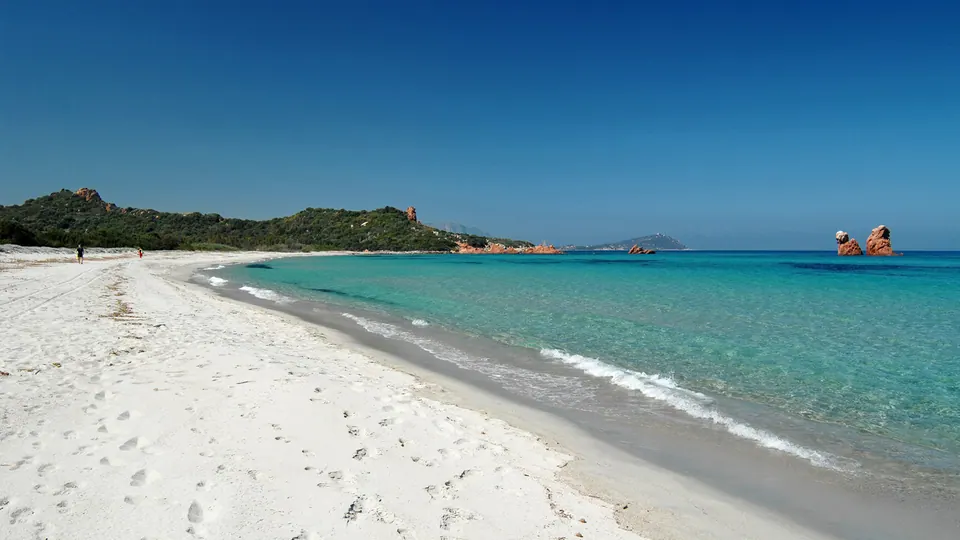 Central East
This beach, which is long 1,5 km, is characterized by white fine sand, the sea is limpid and crystalline, the water is shallow and the sea-bottom is sandy, perfect for smaller children.
Read on Sardinia Magazine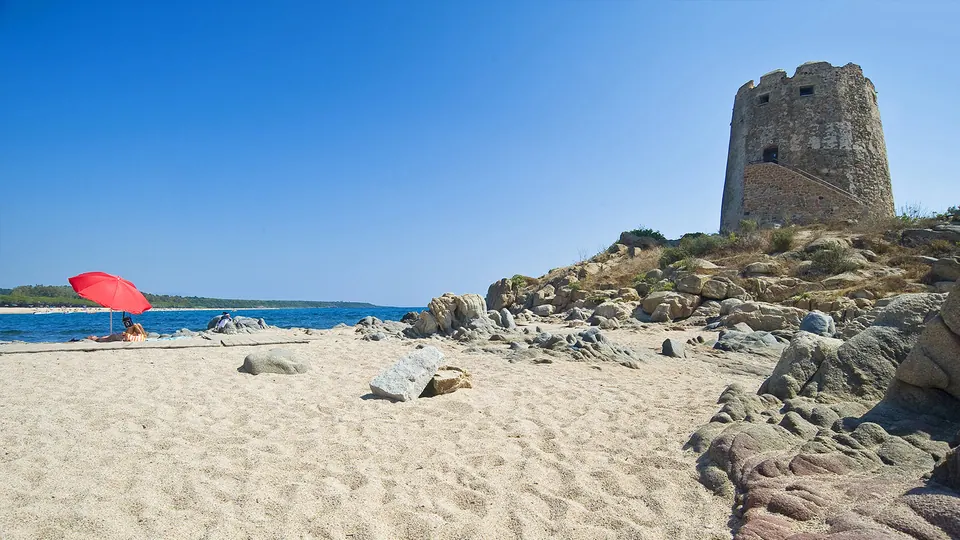 Central East
This wide beach is characterized by coarse sand with different hues and rocks, the sea is limpid, the sea-bottom is sandy mixed with rocks, very well loved by snorkelling and diving enthusiasts.
Read on Sardinia Magazine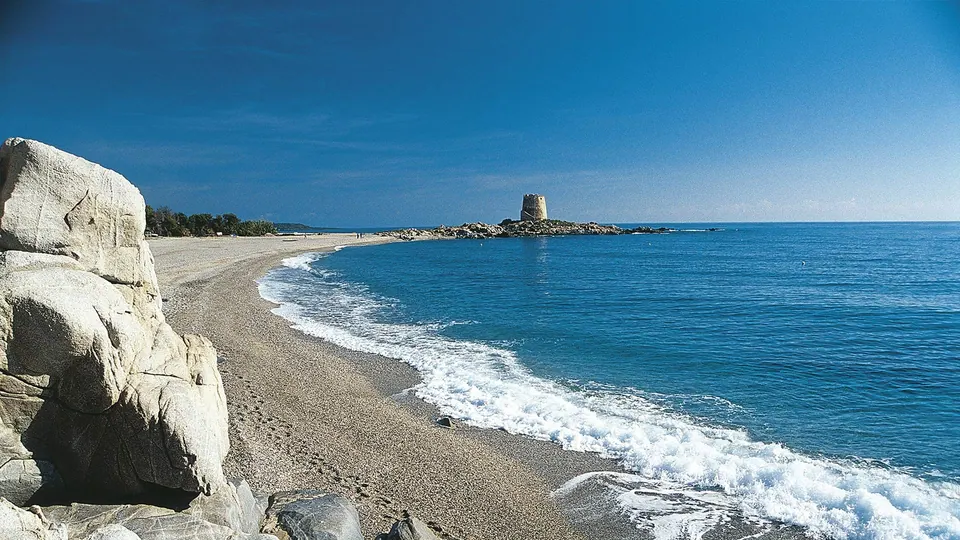 Central East
This beach is divided in two parts by a cliff.
Read on Sardinia Magazine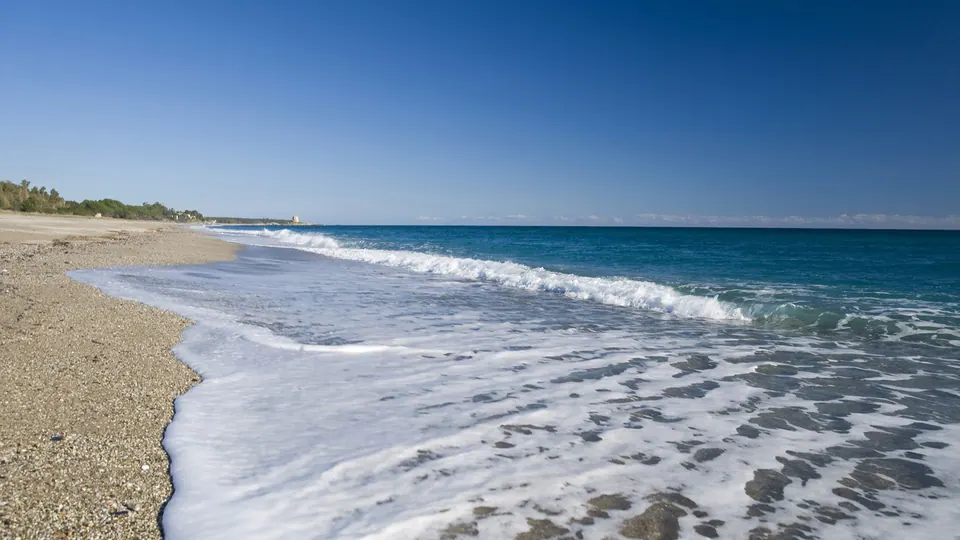 Central East
This wide beach is characterized by light sand with a limpid and crystalline deep azure sea, the water is immediately high and the sea-bottom is sandy, it is the natural continuation of Sa Marina beach.
Read on Sardinia Magazine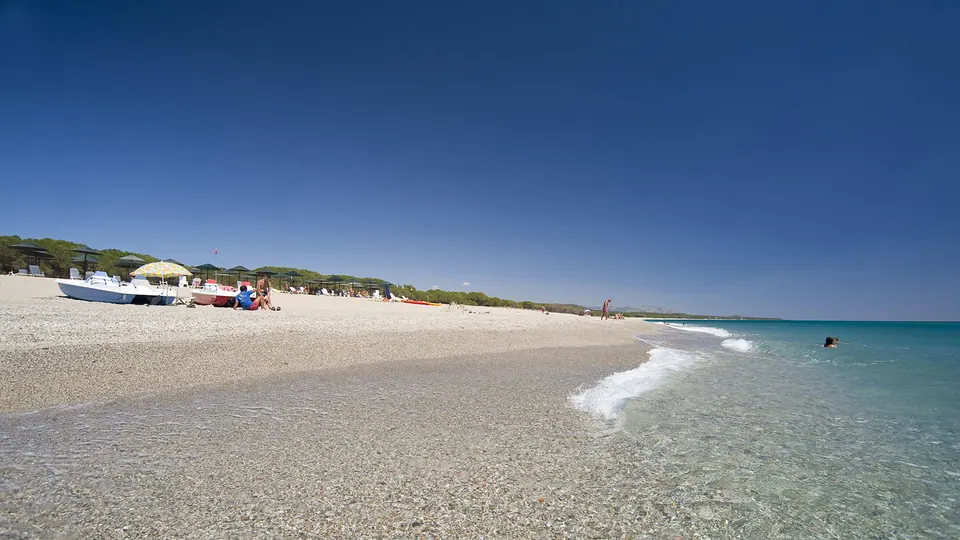 Central East
This beach is very long and characterized by grey medium-sized sand.
Read on Sardinia Magazine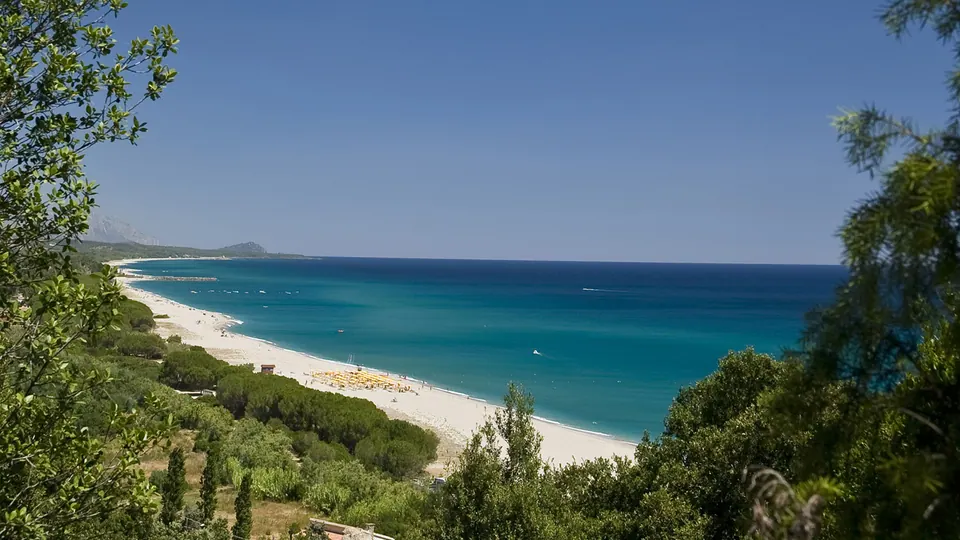 Central East
Museddu is a long beach characterized by grey coarse sand, the sea is limpid and azure, the water is immediately high.
Read on Sardinia Magazine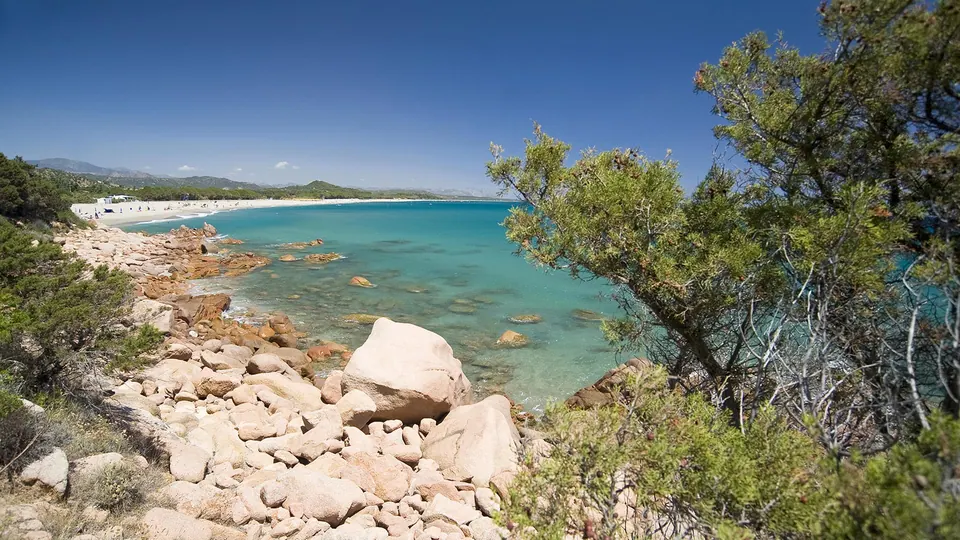 Central East
This long beautiful beach is characterized by white medium-sized sand, the sea is limpid and crystalline, the water is immediately high and the sea-bottom is sandy.
Read on Sardinia Magazine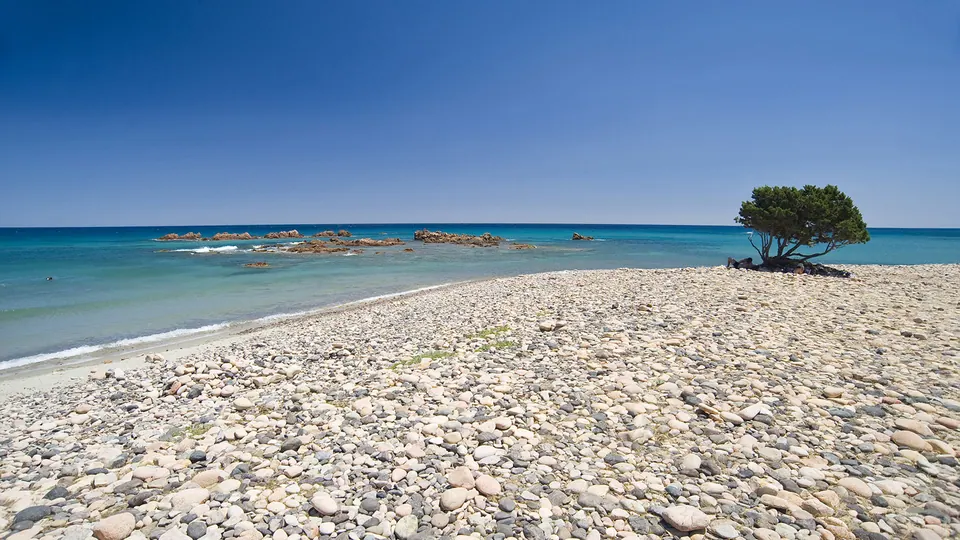 Central East
This small beach is characterized especially by vary-sized pebbles and rocks, the sea is limpid and the sea-bottom is rocky.
Read on Sardinia Magazine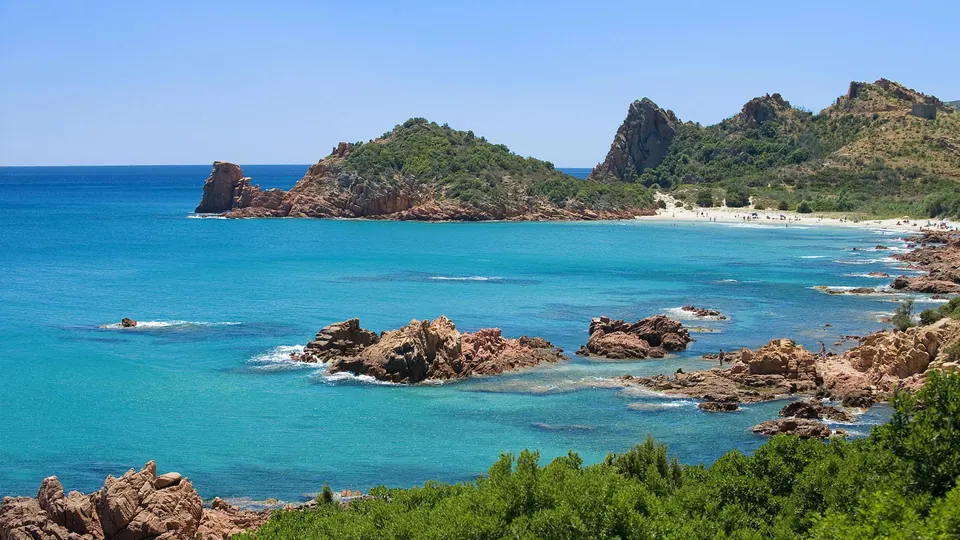 Central East
This beach is characterized by medium-sized light grey sand, the sea is limpid, the sea-bottom is sandy and the water is shallow, perfect for smaller children.
Read on Sardinia Magazine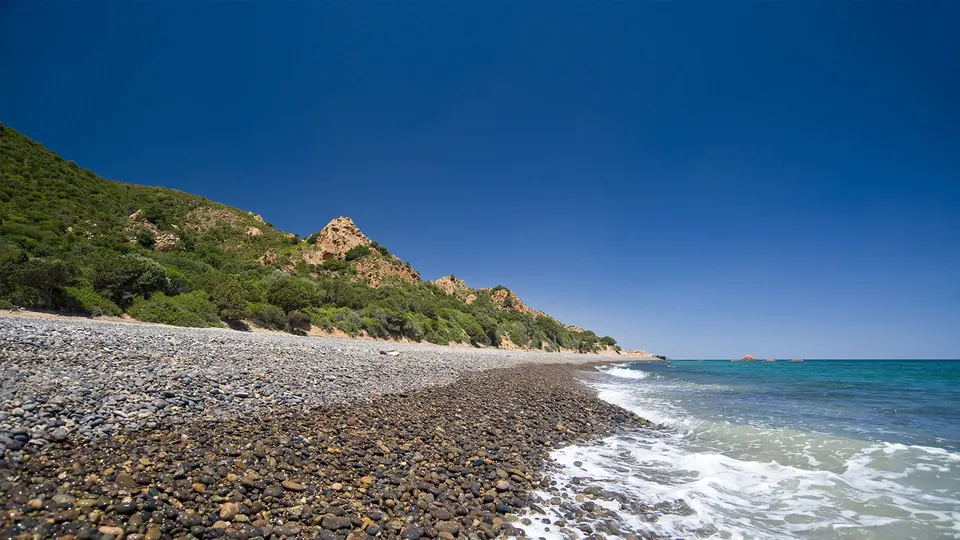 Central East
This beach, more or less a km long, is characterized by vary-sized dark pebbles.
Read on Sardinia Magazine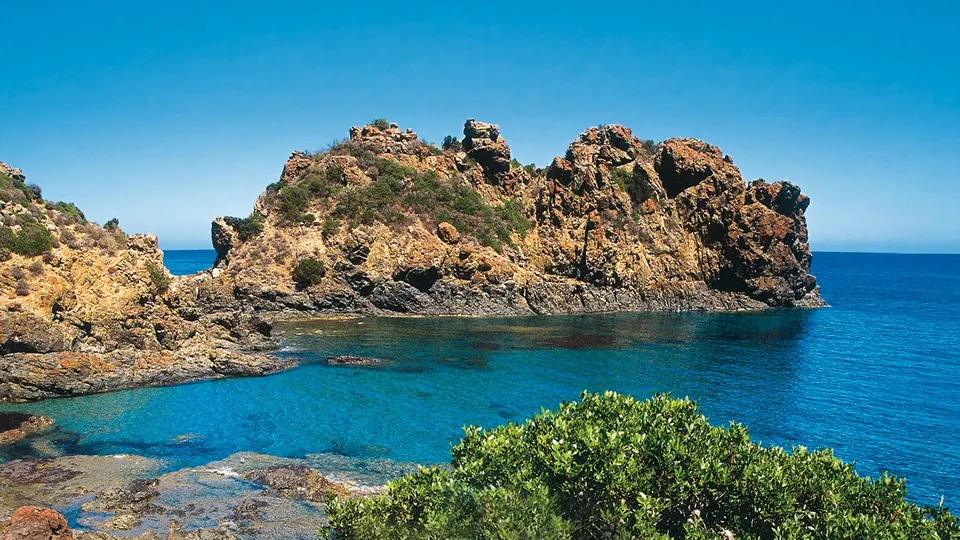 Central East
Su Brecconi is a small cove where stretches of grey sand and rocks alternate and is washed by a crystalline and azure sea.
Read on Sardinia Magazine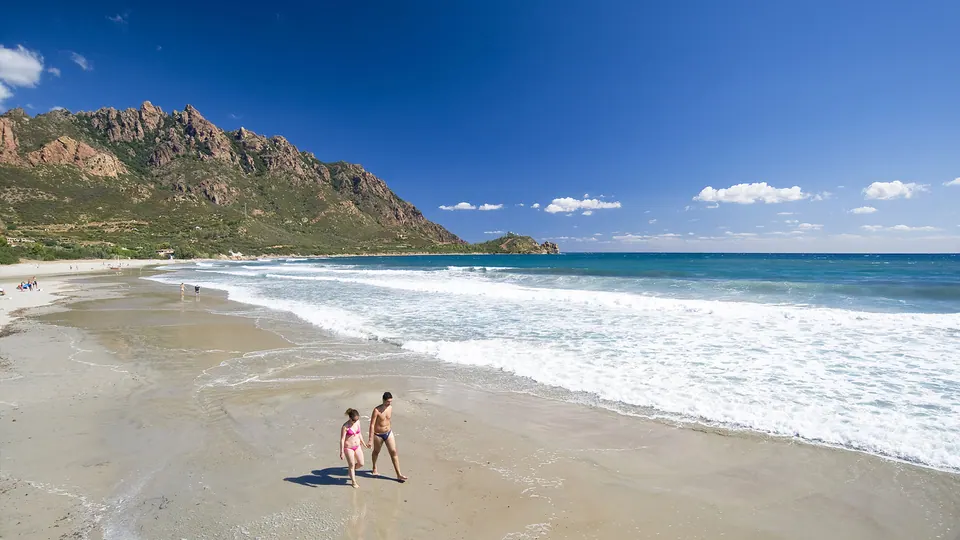 Central East
This beach is more or less a km long and is characterized by white fine sand and delimitated by rocks.
Read on Sardinia Magazine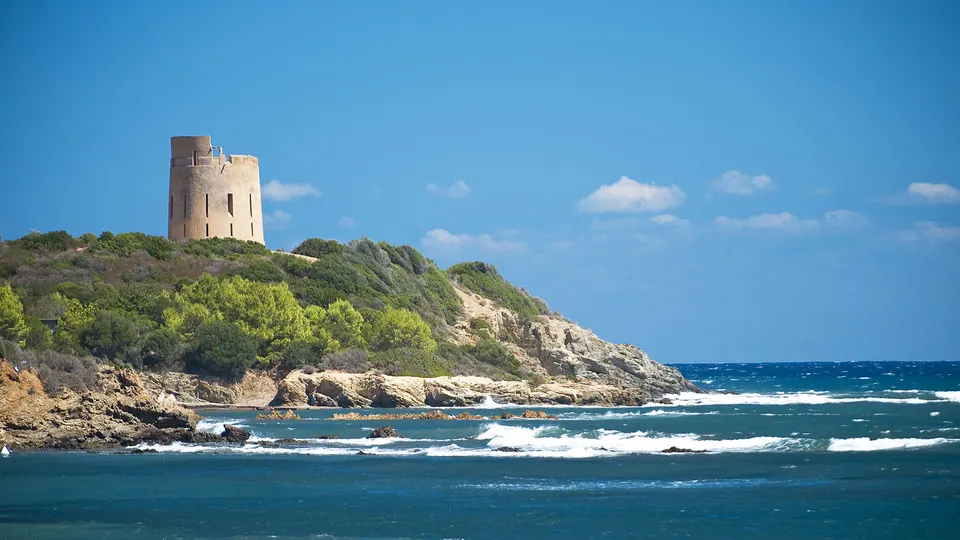 Central East
This small beach is delimitated by rocks and characterized by vary-sized pebbles, the water is shallow and the sea-bottom is pebbled.
Read on Sardinia Magazine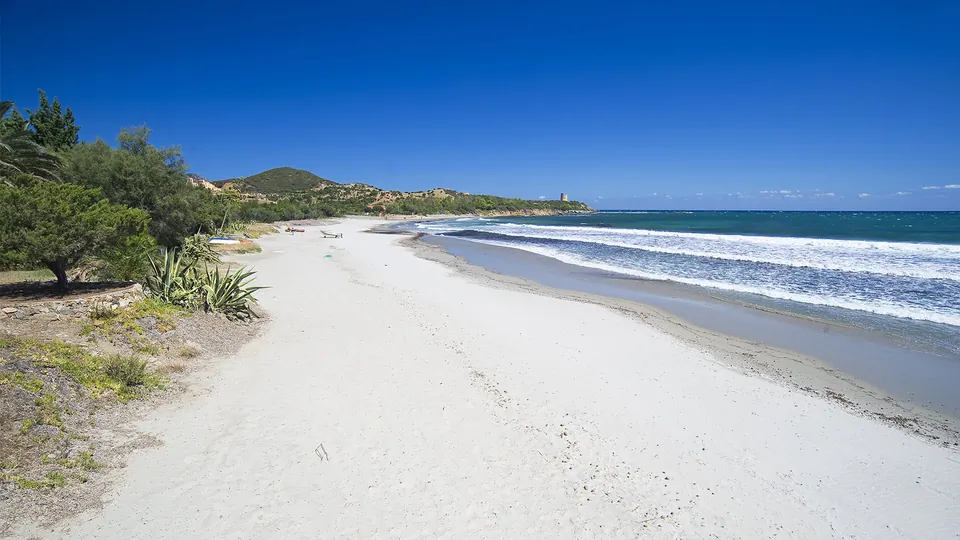 Central East
This small beach is characterized mostly by vary-sized pebbles and rocks, the sea is limpid and the sea-bottom is coloured by the rocks, it is very well loved by spear-fishing enthusiasts.
Read on Sardinia Magazine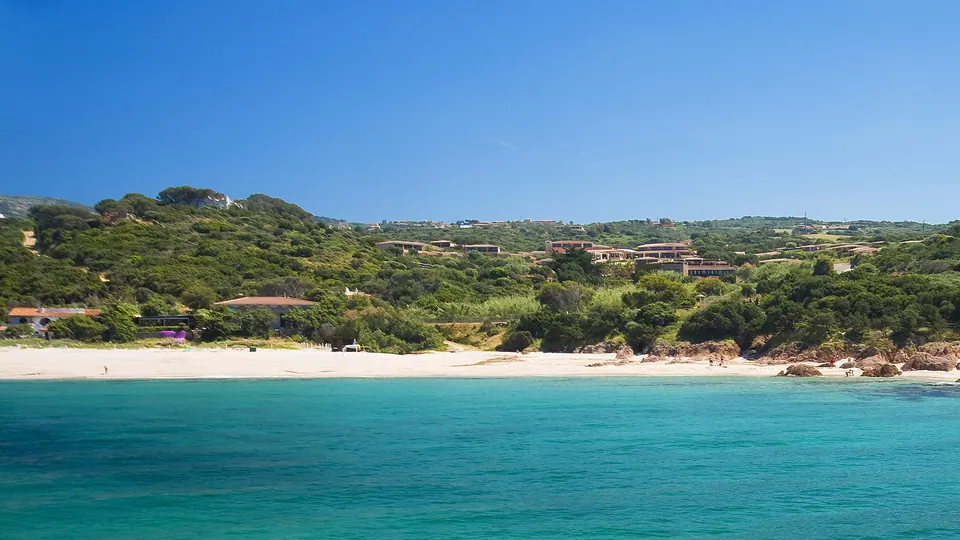 North East
La Marinedda beach is characterized by medium-sized grains of golden sand, and rocks spread along the shore.
Read on Sardinia Magazine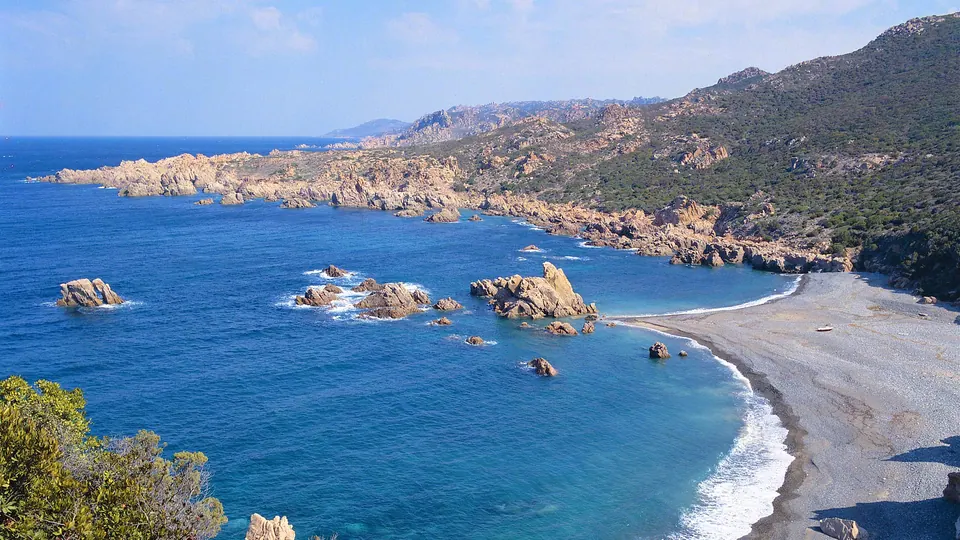 North East
This beach is characterized by coloured porfid pebbles.
Read on Sardinia Magazine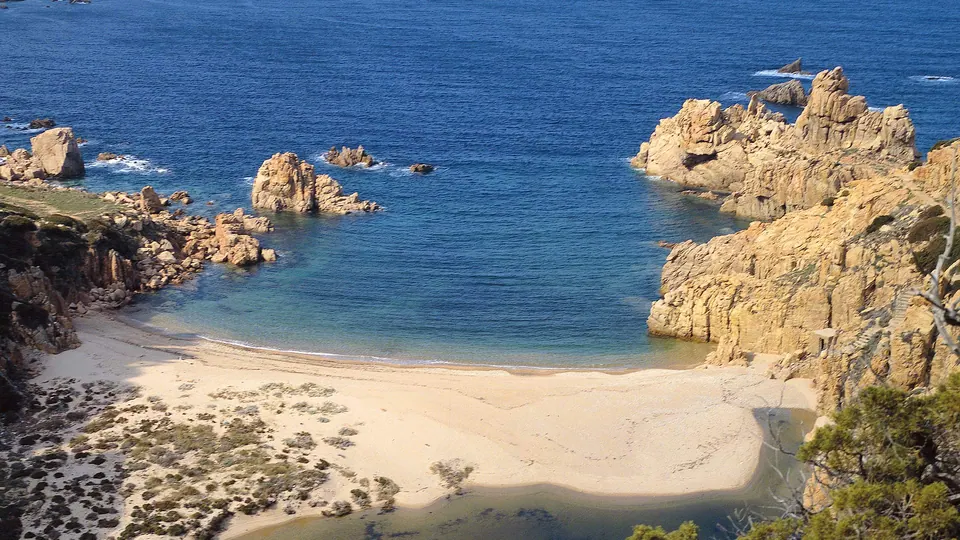 North East
This beach is characterized by pink-golden medium-sized grains of sand.
Read on Sardinia Magazine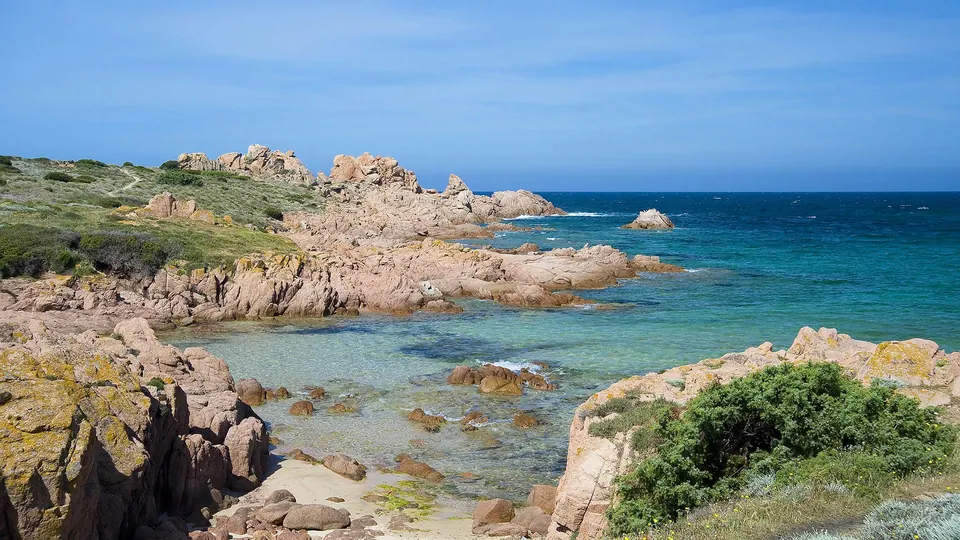 North East
This beach is characterized by pink fine sand.
Read on Sardinia Magazine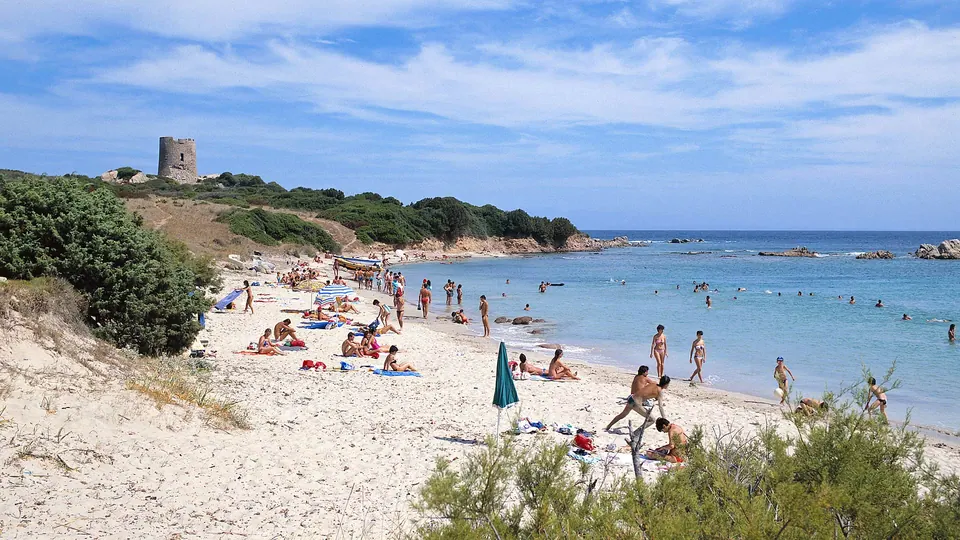 North East
This beach is characterized by golden fine sand.
Read on Sardinia Magazine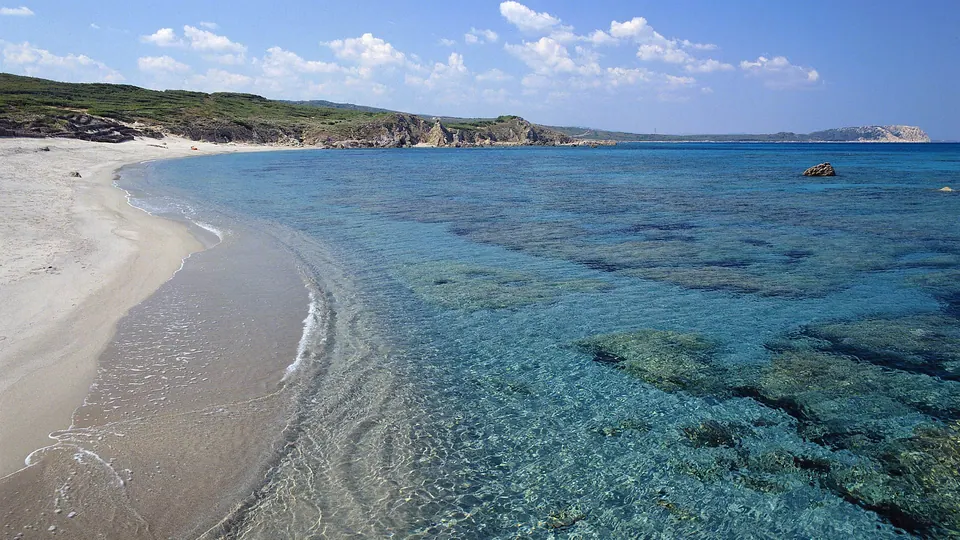 North East
This beach is characterized by very white fine sand.
Read on Sardinia Magazine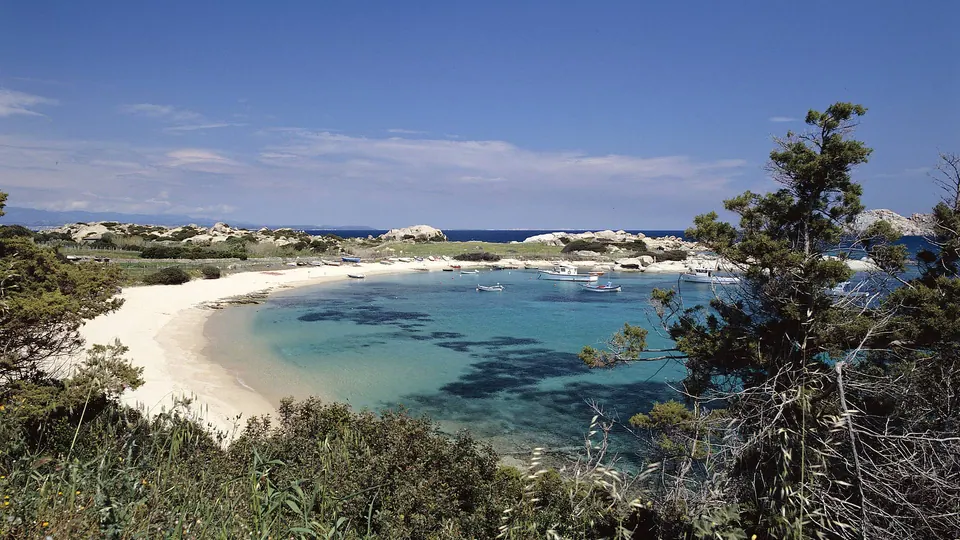 North East
Santa Reparata beach is characterized by white-greyish fine sand.
Read on Sardinia Magazine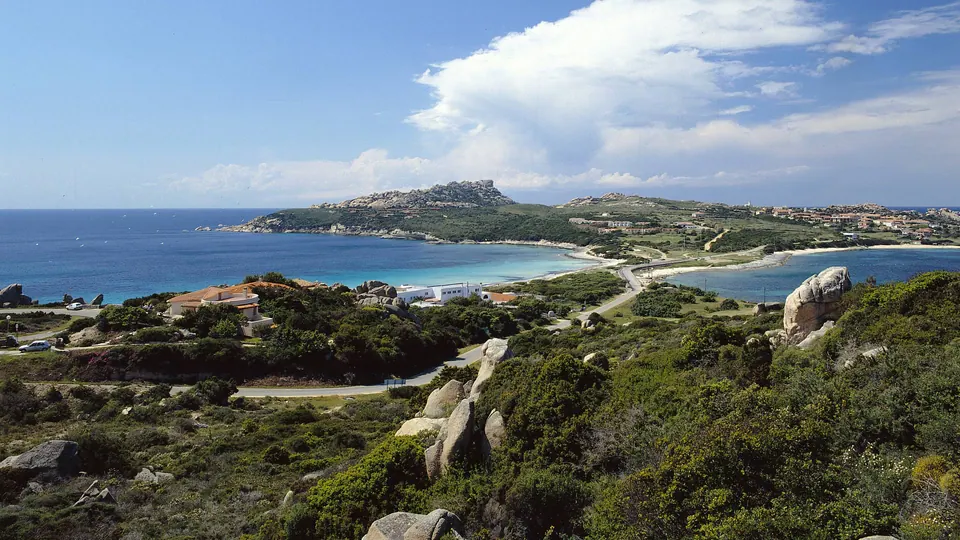 North East
The Due Mari (Two Seas) beach is so called because of the particular position of the two wonderful beaches on the sides of the isthmus, a 100 metres thin, which connects Sardinia to the Capo Testa (Head…
Read on Sardinia Magazine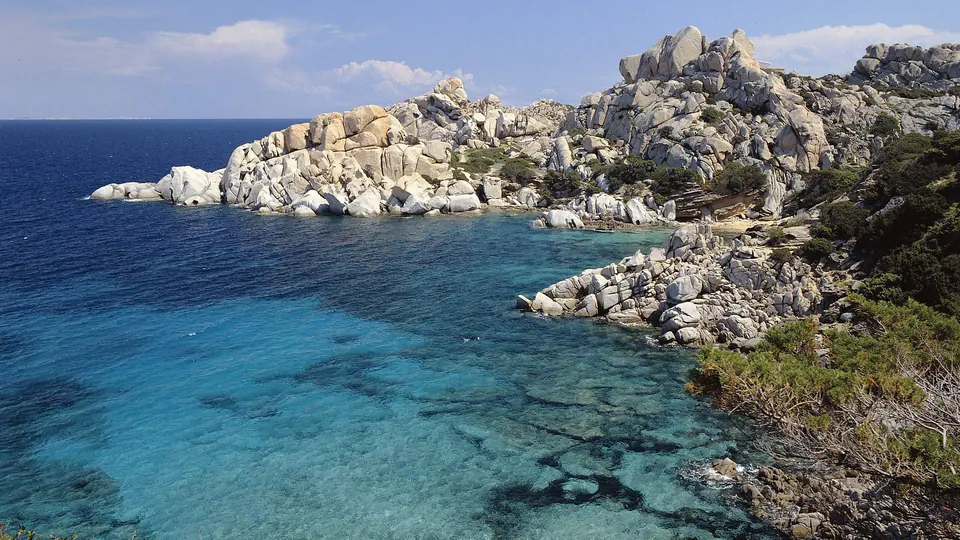 North East
This beach is characterized by golden medium-sized grains of sand.
Read on Sardinia Magazine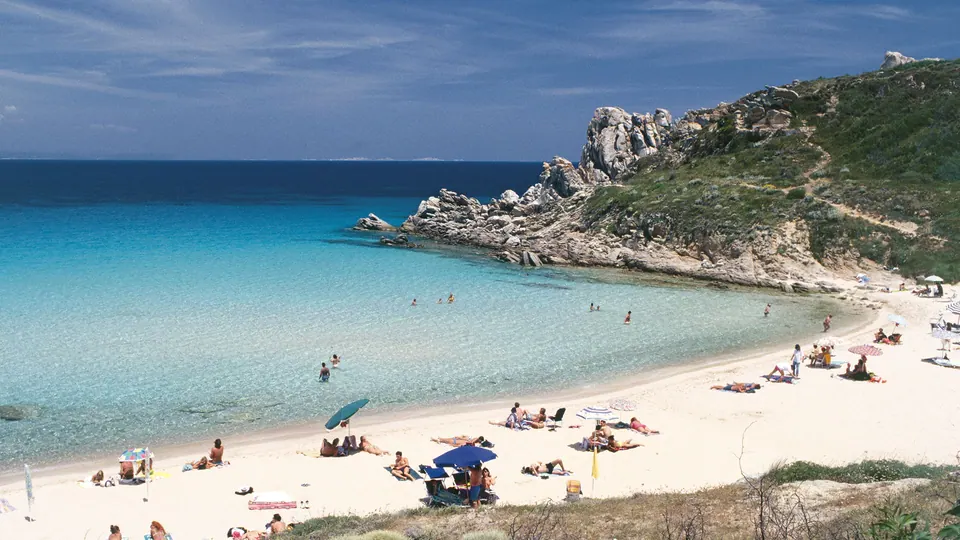 North East
This beach is characterized by white fine sand.
Read on Sardinia Magazine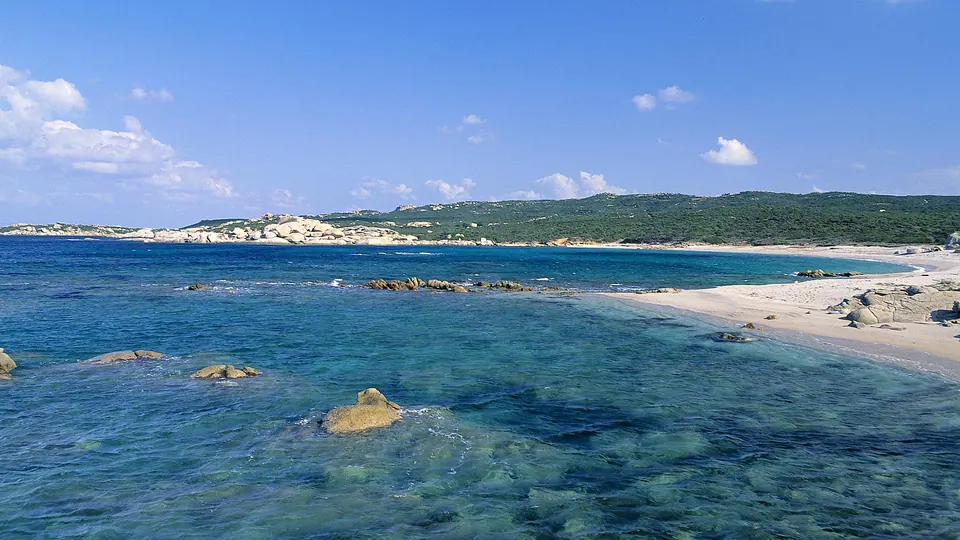 North East
This beach is characterized by golden medium-sized grains of sand.
Read on Sardinia Magazine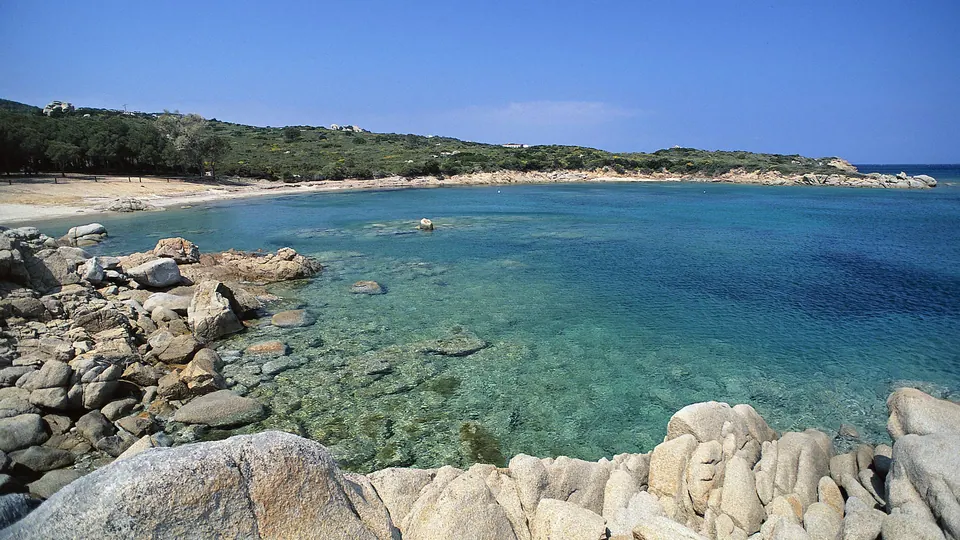 North East
Porto Pozzo beach is characterized by gray medium-sized grains of sand.
Read on Sardinia Magazine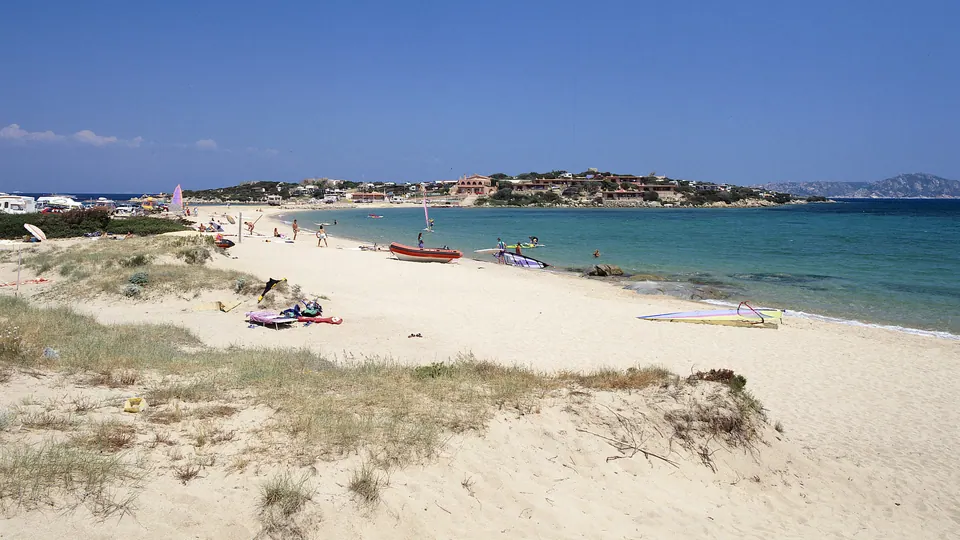 North East
L'Isola dei Gabbiani (Seagull Island) is connected to the firm land by a thin isthmus of very white sand.
Read on Sardinia Magazine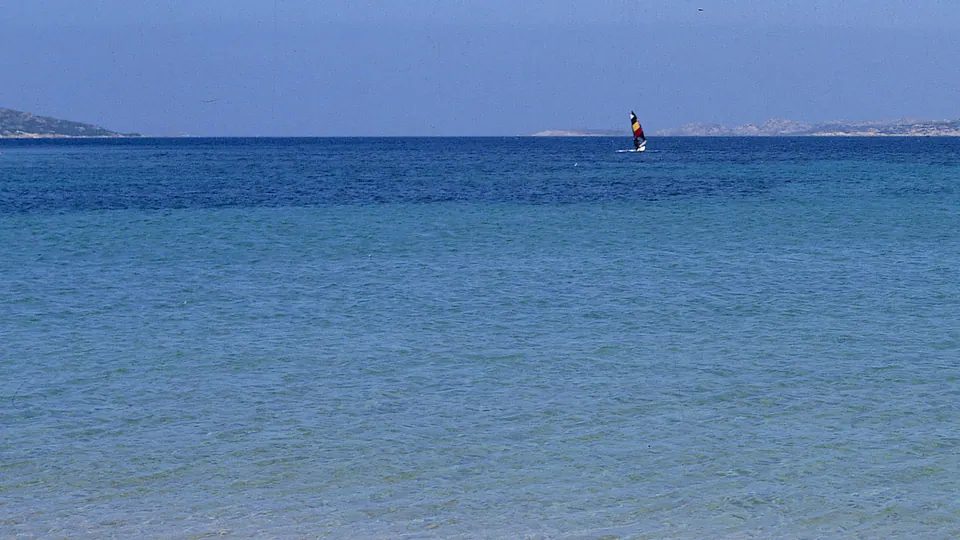 North East
This beach is characterized by white medium-sized grains of sand.
Read on Sardinia Magazine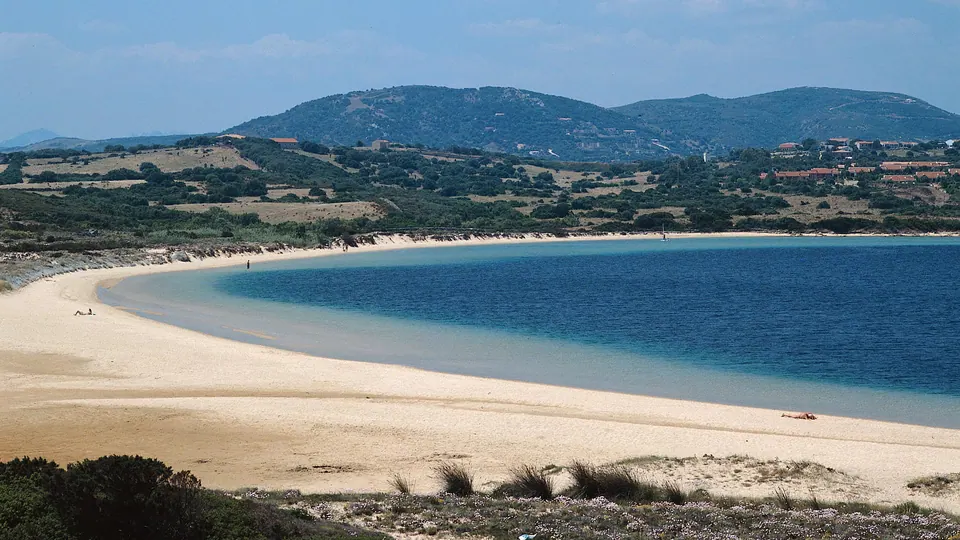 North East
Costa Serena (Serene Coast) beach is characterized by golden medium-sized grains of sand.
Read on Sardinia Magazine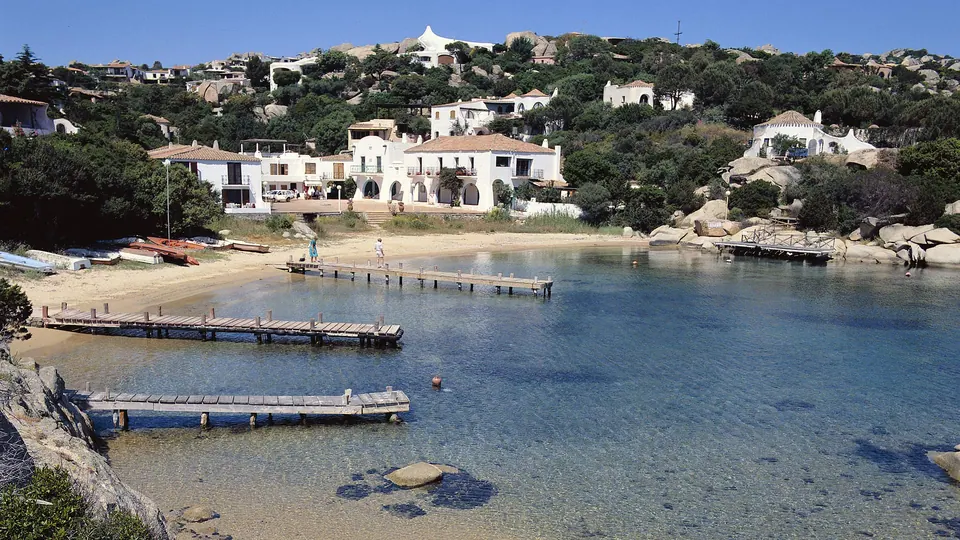 North East
This beach is characterized by golden medium-sized grains of sand.
Read on Sardinia Magazine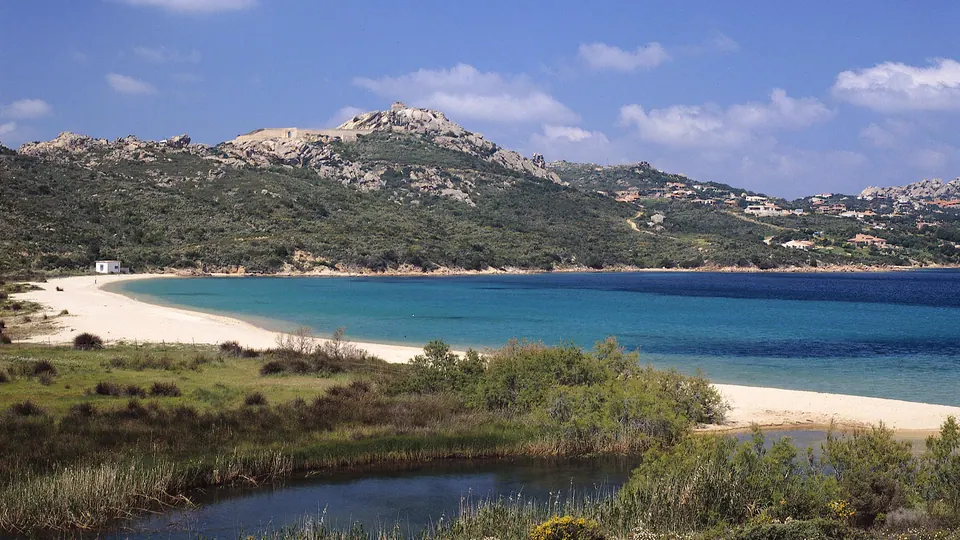 North East
This beach is characterized by golden medium-sized grains of sand.
Read on Sardinia Magazine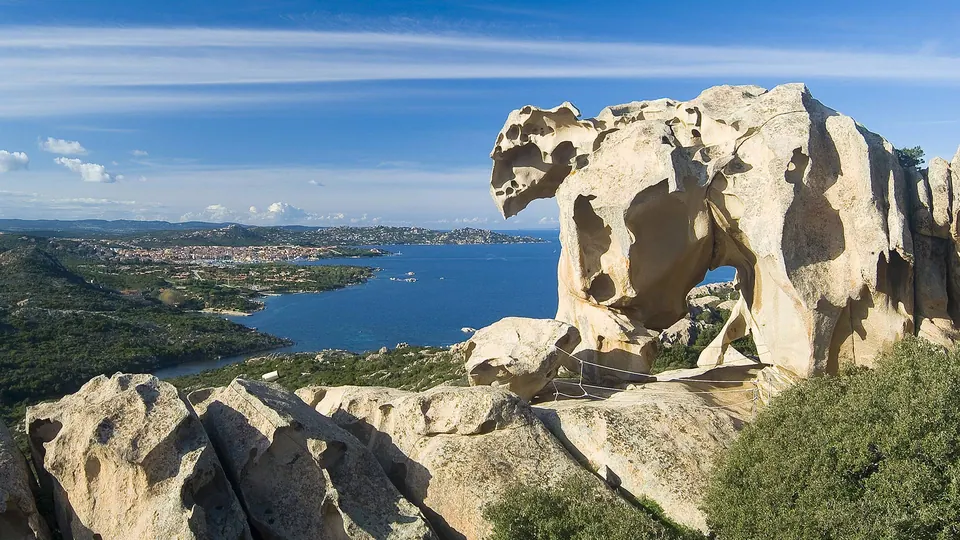 North East
La Roccia dell'Orso (Bear's Rock) is an extraordinary natural monument consisting in a big granitic mass modelled by the atmospheric agents.
Read on Sardinia Magazine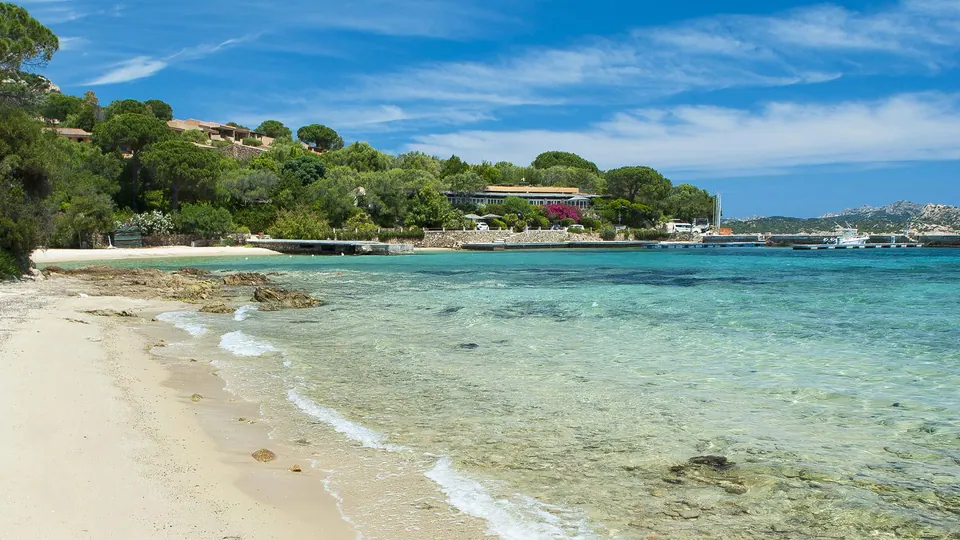 North East
This beach is characterized by golden medium-sized grains of sand.
Read on Sardinia Magazine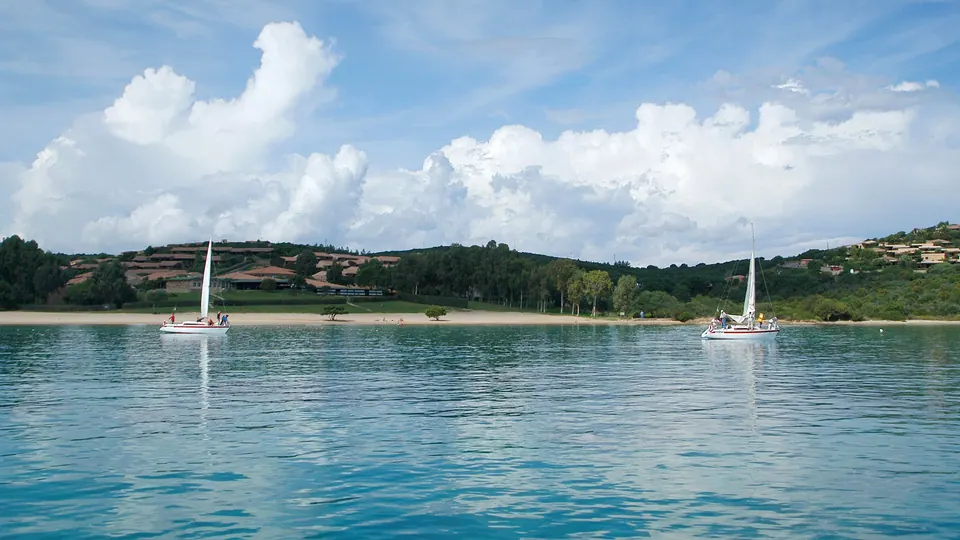 North East
Le Saline (Salines) beach is characterized by golden medium-sized grains of sand.
Read on Sardinia Magazine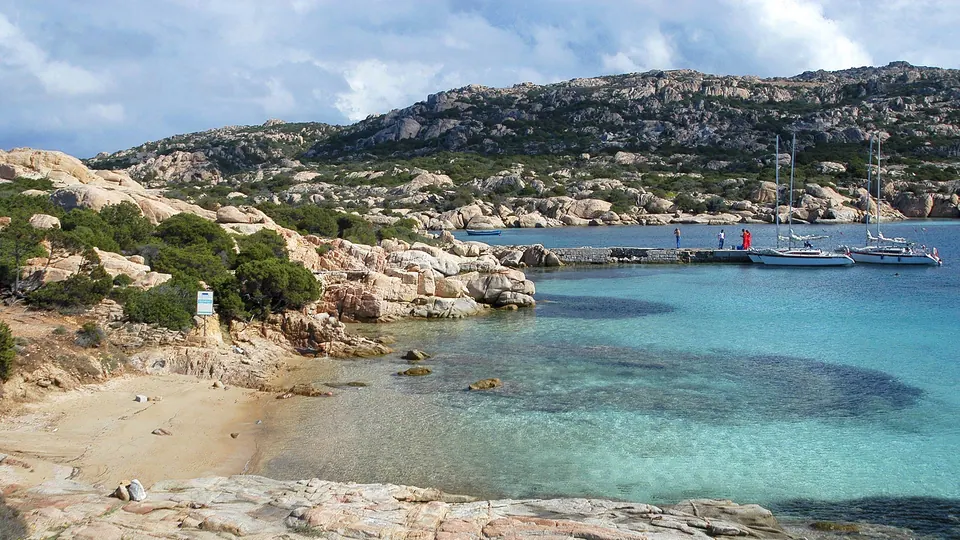 North East
Cala Francese (French Cove) is a deep inlet in the granitic cliffs that characterize the whole area.
Read on Sardinia Magazine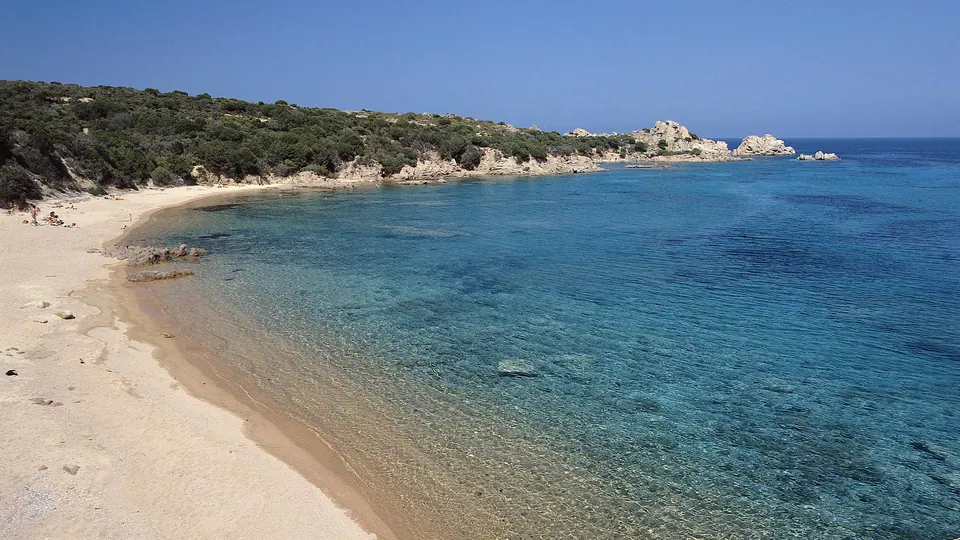 North East
Cala Spalmatore (Spreader Cove) is characterized by golden medium-sized grains of sand.
Read on Sardinia Magazine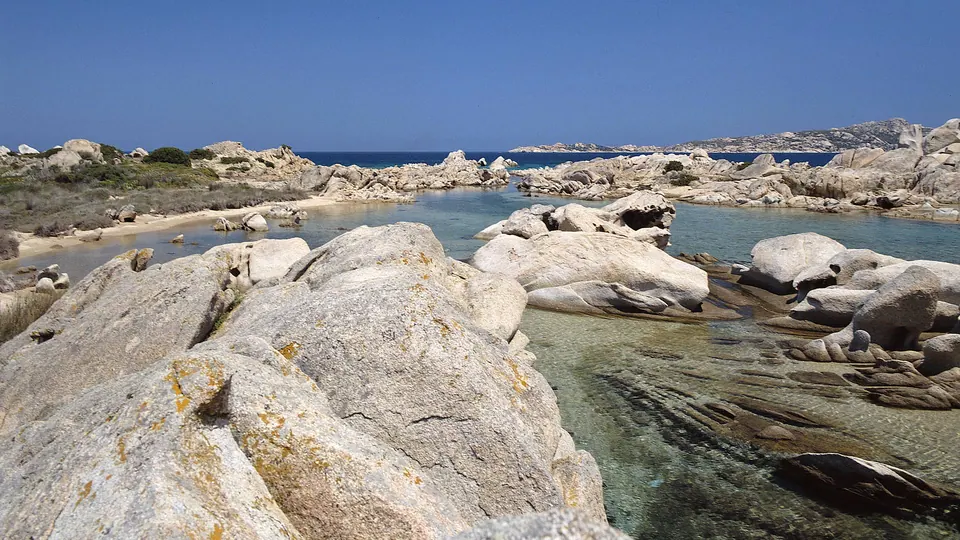 North East
Giardinelli is not an island, but a peninsula.
Read on Sardinia Magazine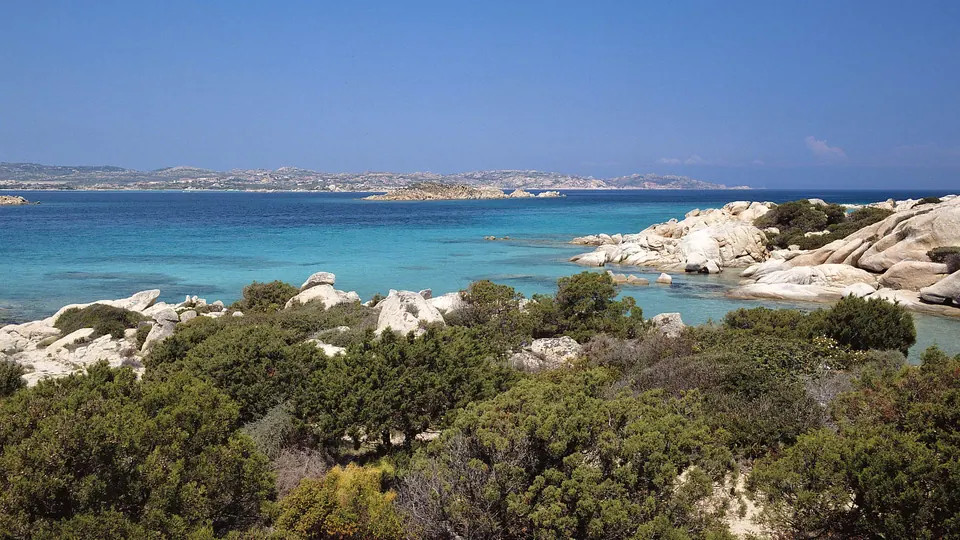 North East
This beach presents golden medium-sized grains of sand.
Read on Sardinia Magazine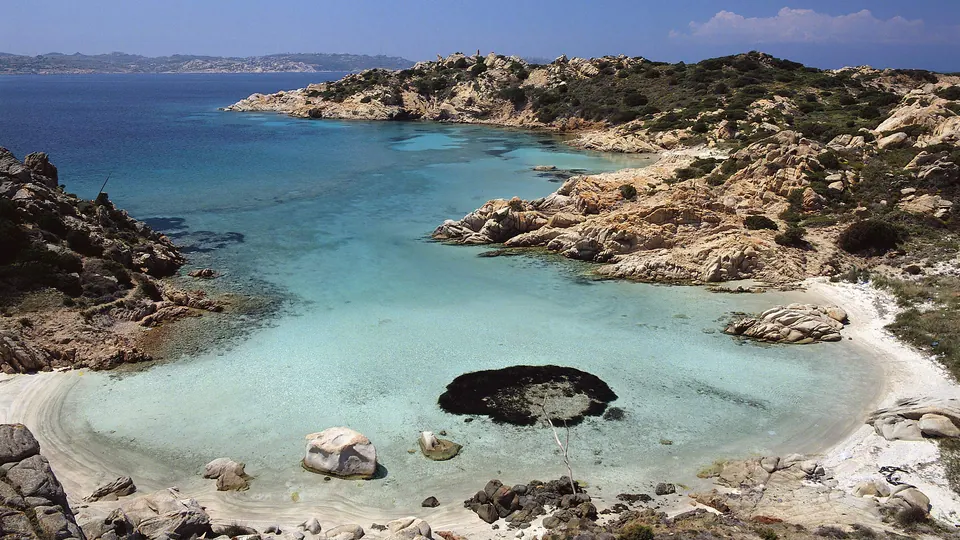 North East
Cala Napoletana (Neapolitan Cape) is an incredibly beautiful corner of heaven, on the north-western edge of Caprera Island, south of Punta Galera.
Read on Sardinia Magazine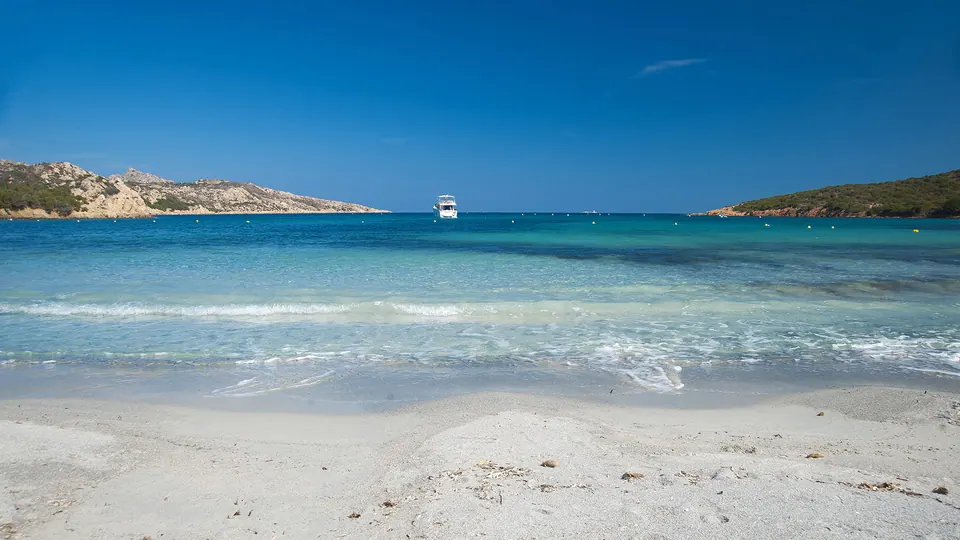 North East
Cala Portese is characterized by very white fine sand.
Read on Sardinia Magazine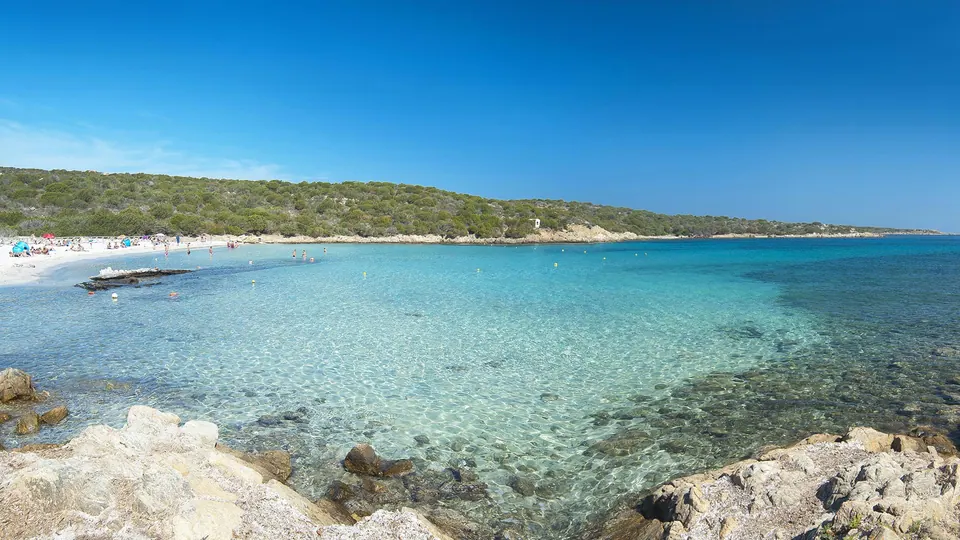 North East
Spiaggia del Relitto (Relict beach) is characterized by white fine sand.
Read on Sardinia Magazine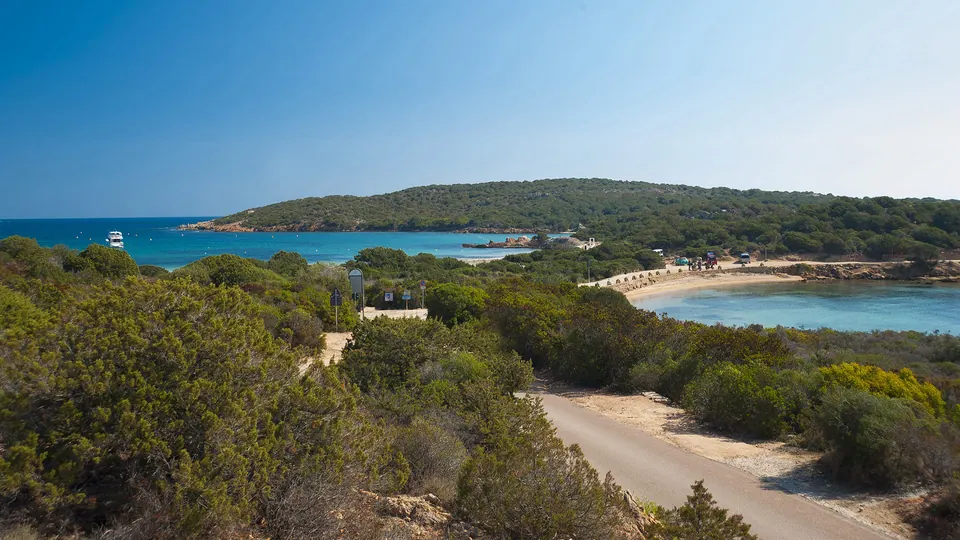 North East
The Spiaggia dei Due Mari (Two Seas beach) is characterized by white fine sand.
Read on Sardinia Magazine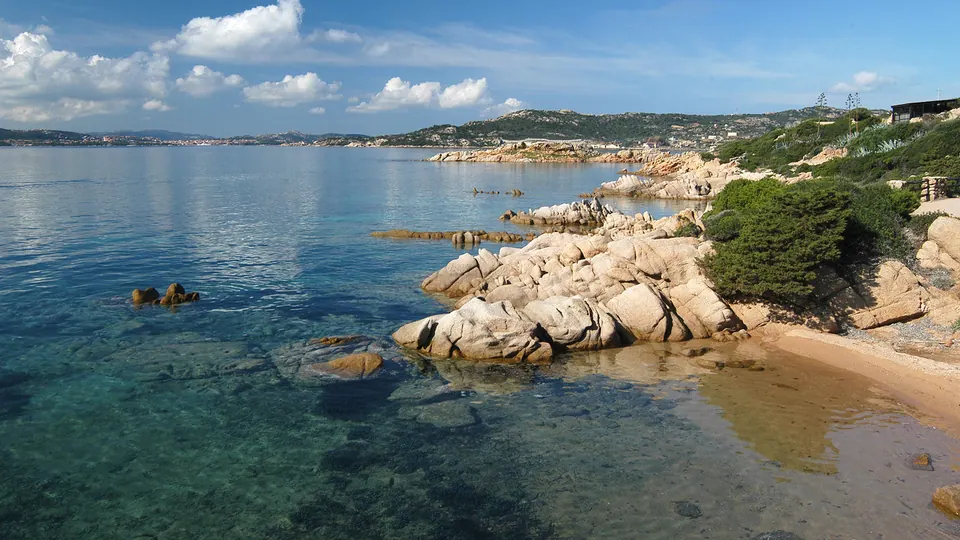 North East
Porto Palma is characterized by golden fine sand.
Read on Sardinia Magazine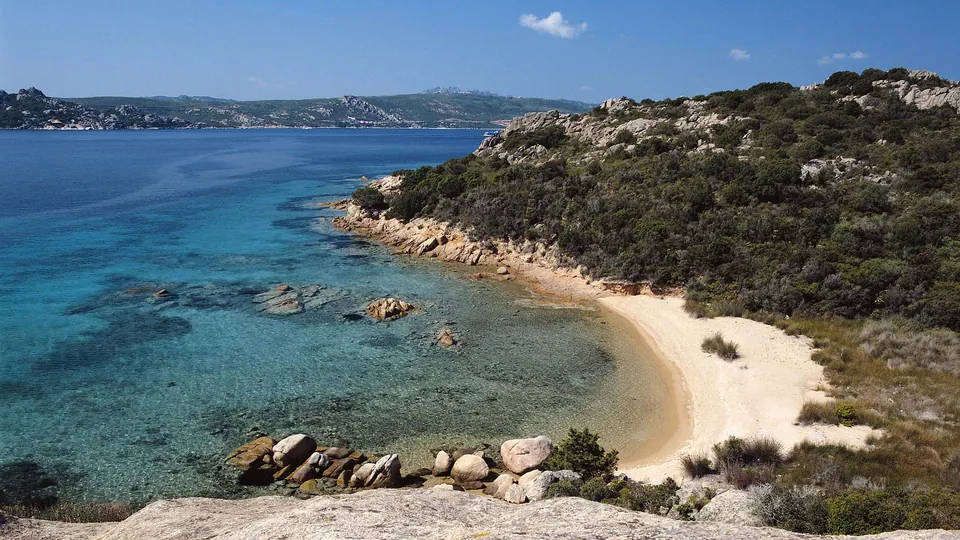 North East
Cala Punta di Santo Stefano has fine golden sand.
Read on Sardinia Magazine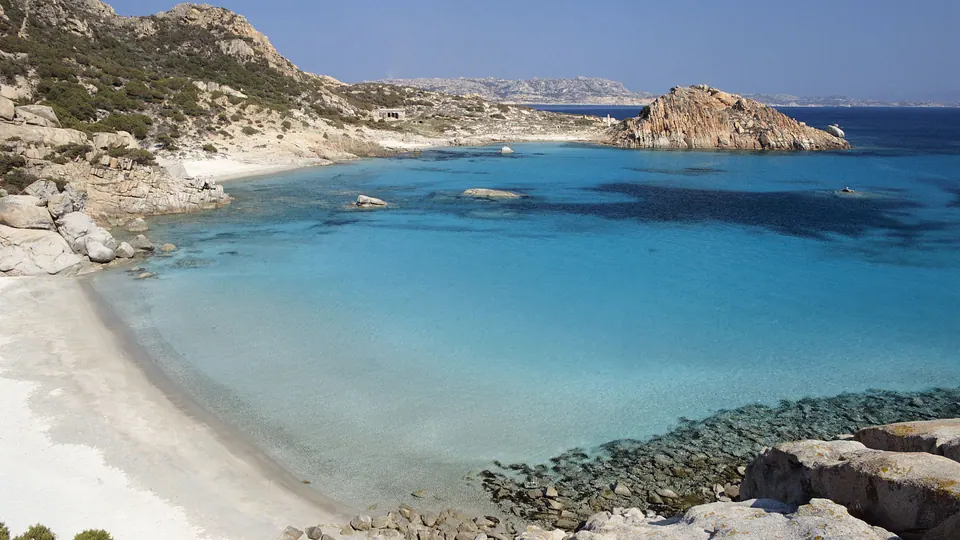 North East
Cala Corsara (Privateer Cove) is characterized by very white fine sand.
Read on Sardinia Magazine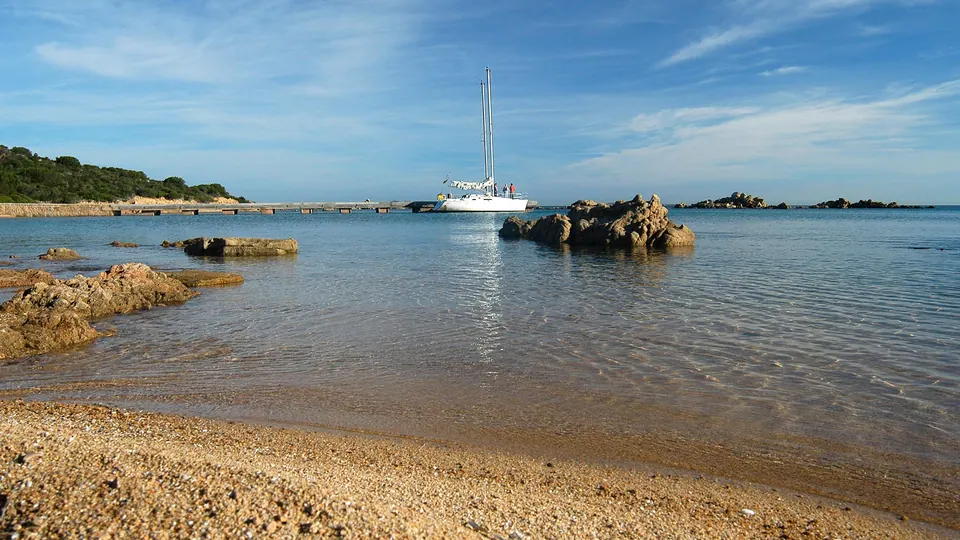 North East
Cala Canniccio is characterized by pink-golden medium-sized grains of sand.
Read on Sardinia Magazine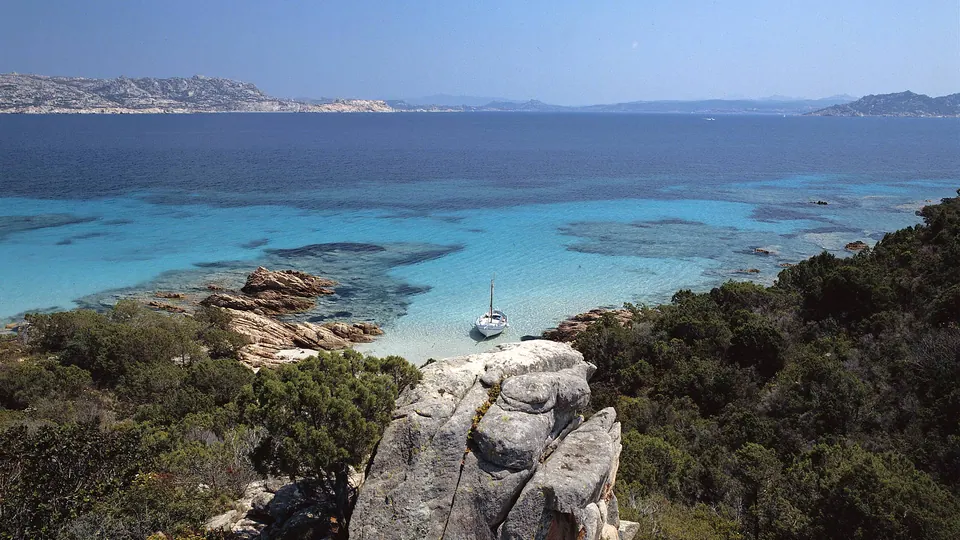 North East
Cala Granara is characterized by white fine sand.
Read on Sardinia Magazine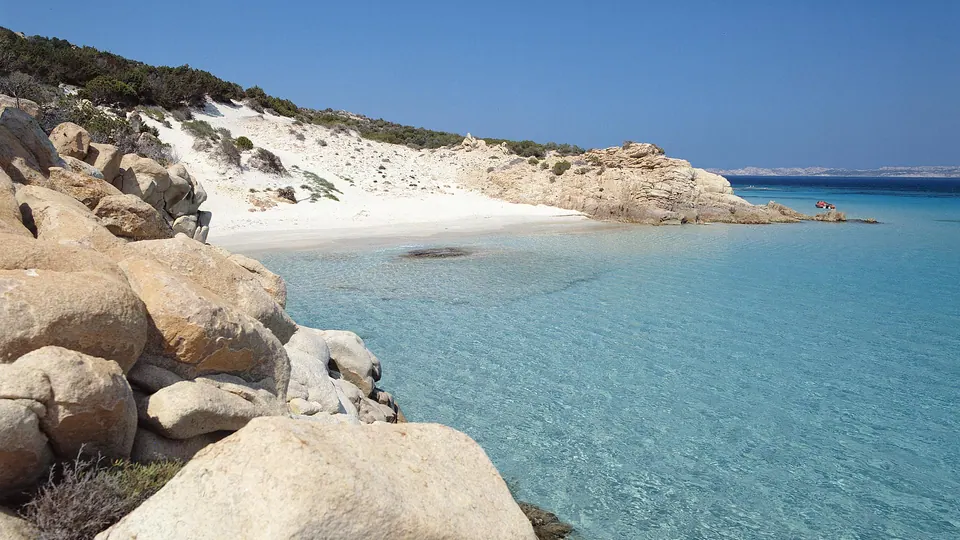 North East
This beach is characterized by very white fine sand.
Read on Sardinia Magazine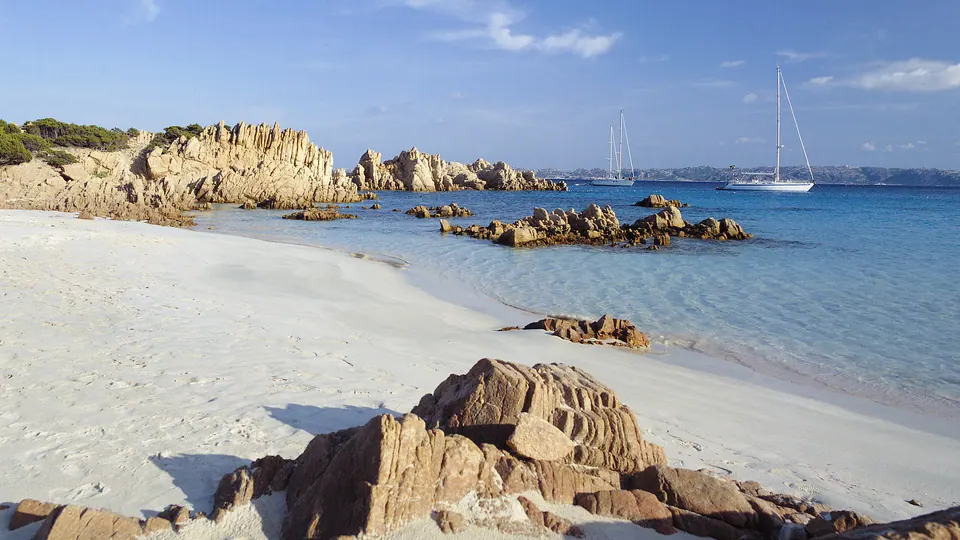 North East
The Spiaggia Rosa (Pink beach) is characterized by pink fine sand mixed with sea microorganisms residue.
Read on Sardinia Magazine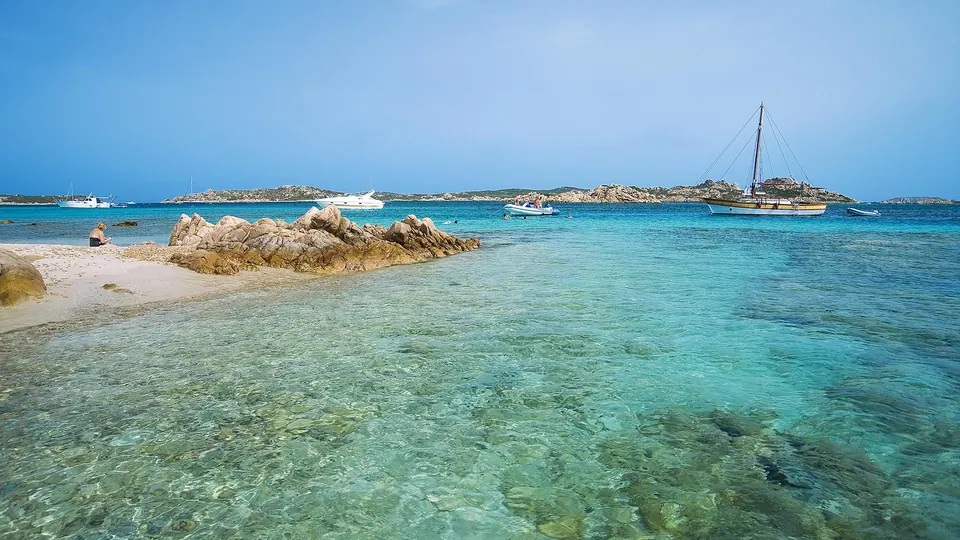 North East
This beach is characterized by white fine sand.
Read on Sardinia Magazine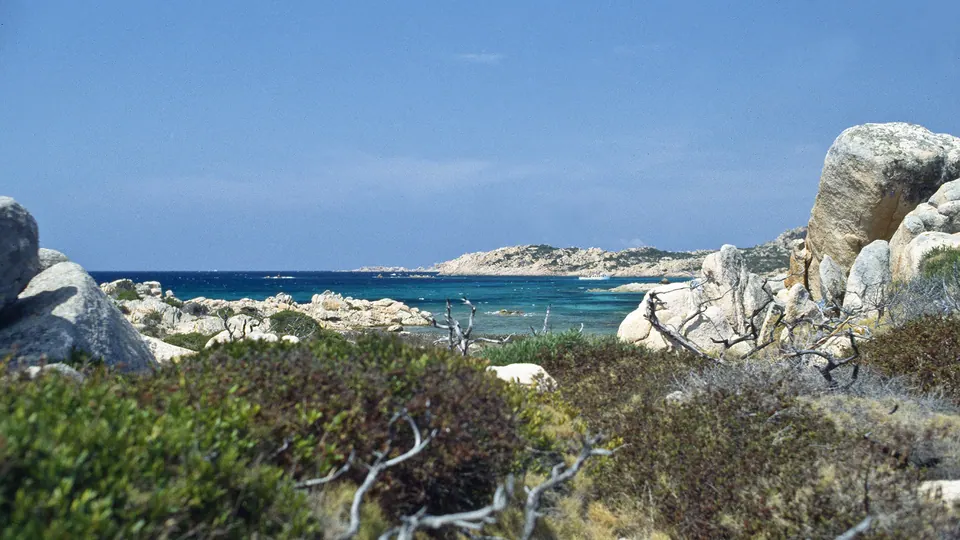 North East
Cala Drappo is characterized by gray fine sand mixed with pebbles.
Read on Sardinia Magazine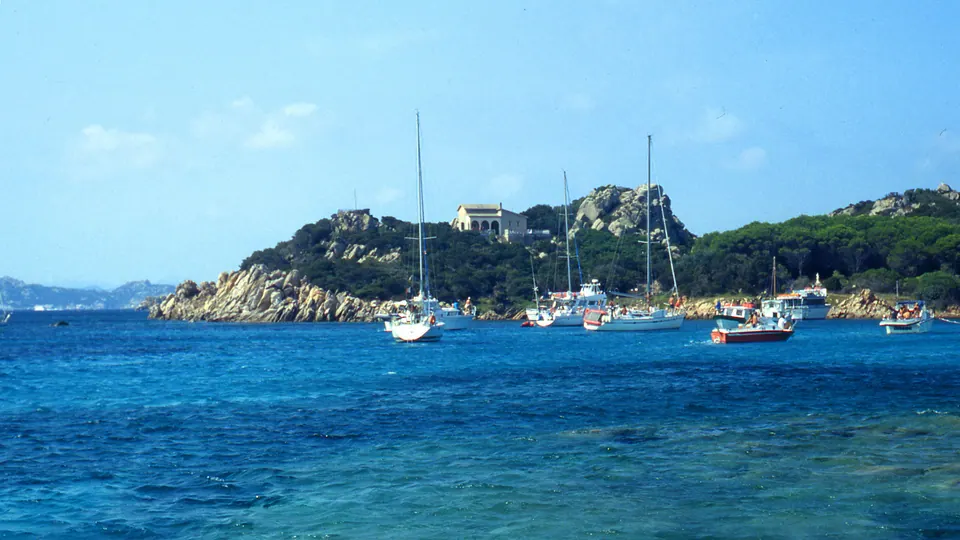 North East
This beach is characterized by gray fine sand.
Read on Sardinia Magazine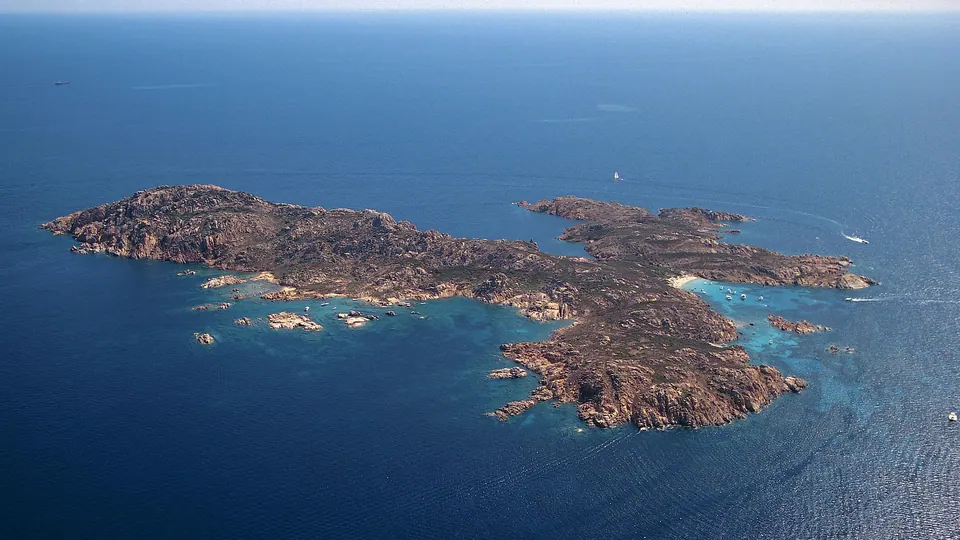 North East
These small islands are part of the southern group of La Maddalena archipelago islands.
Read on Sardinia Magazine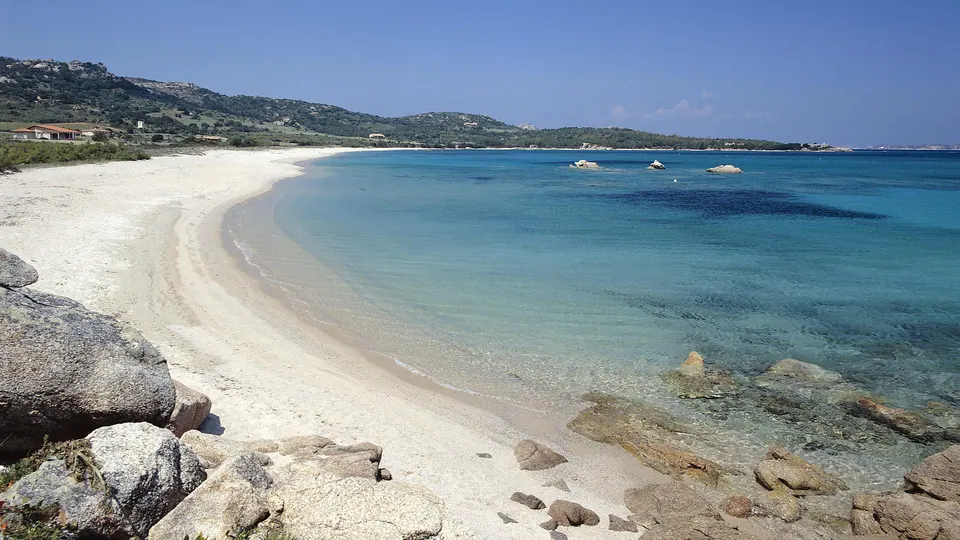 North East
This long beach is characterized by white fine sand.
Read on Sardinia Magazine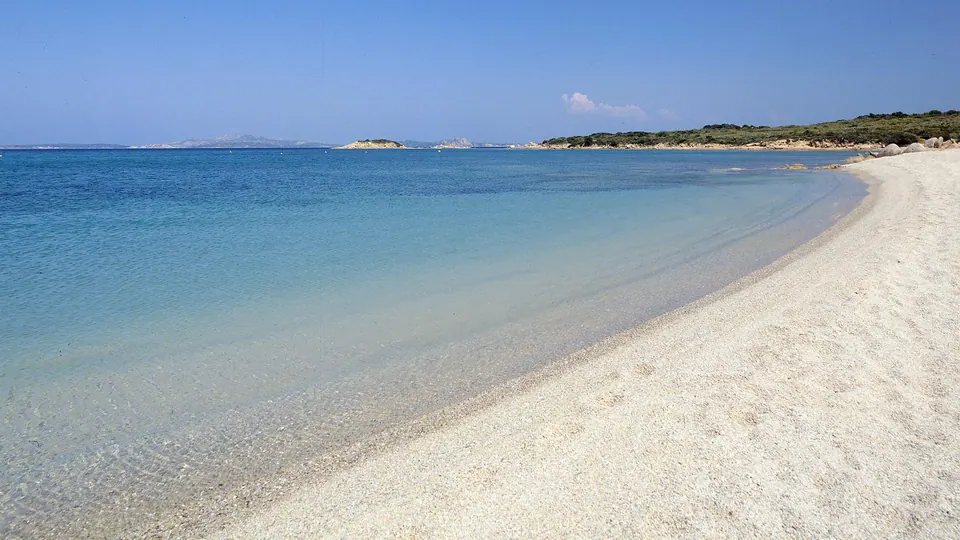 North East
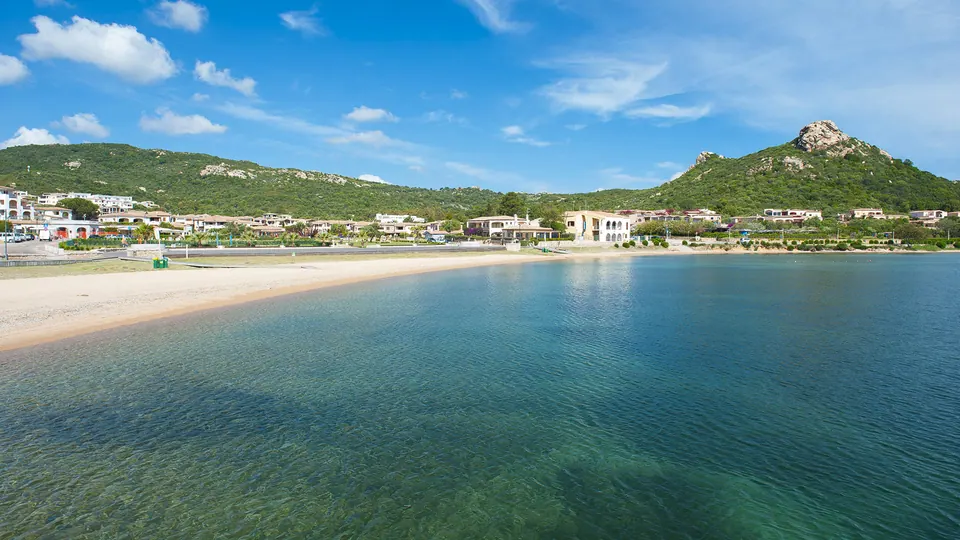
Tanca Manna beach is characterized by golden medium-sized grains of sand and is washed by a crystalline azure sea.
Read on Sardinia Magazine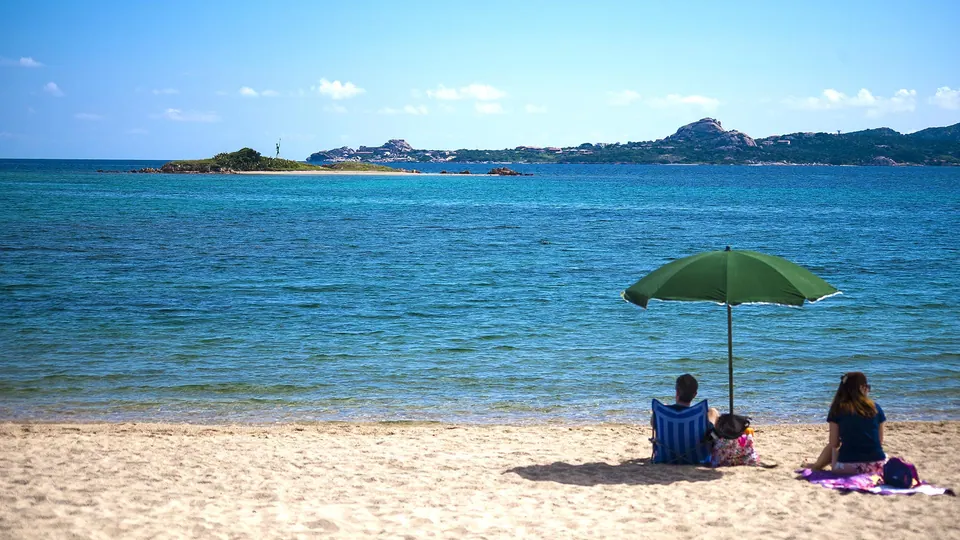 North East
 North East
 North East
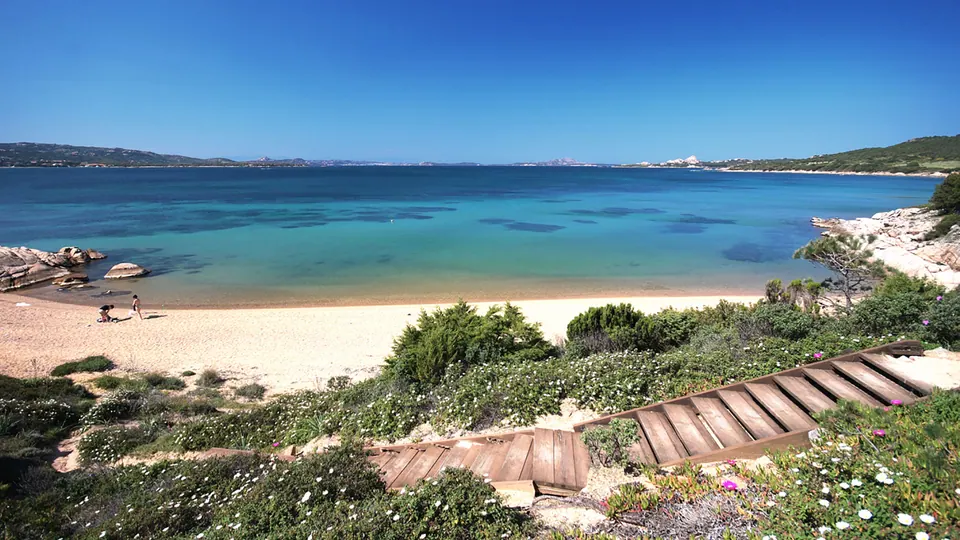
This beach is characterized by golden medium-sized grains of sand.
Read on Sardinia Magazine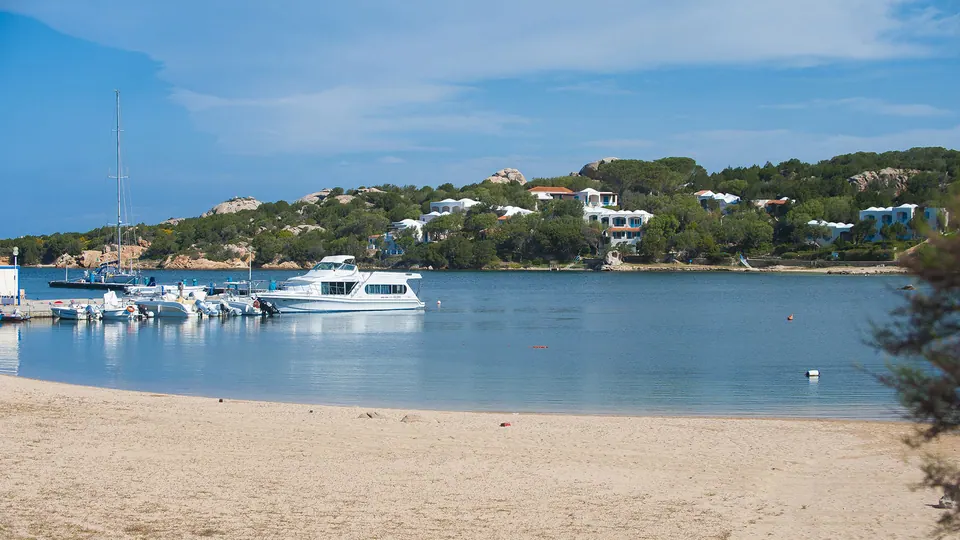 North East
 North East
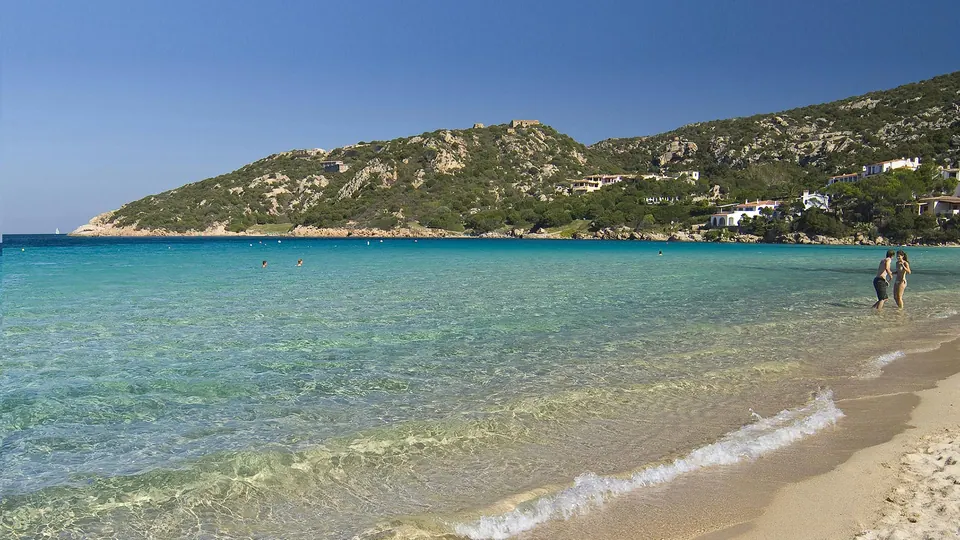
Cala Battistoni is characterized by very white fine sand.
Read on Sardinia Magazine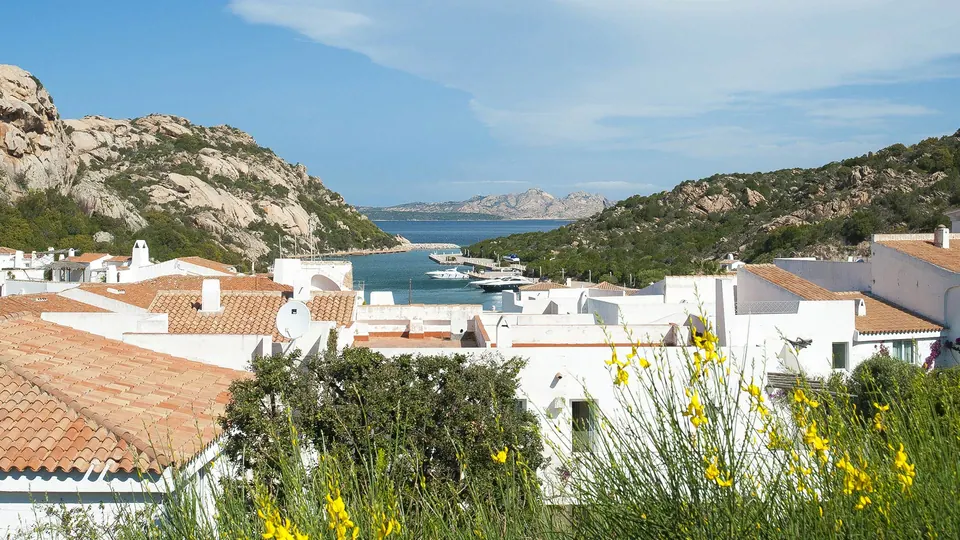 North East
Poltu Quatu is a touristic centre that offers an equipped port in a deep and thin inlet.
Read on Sardinia Magazine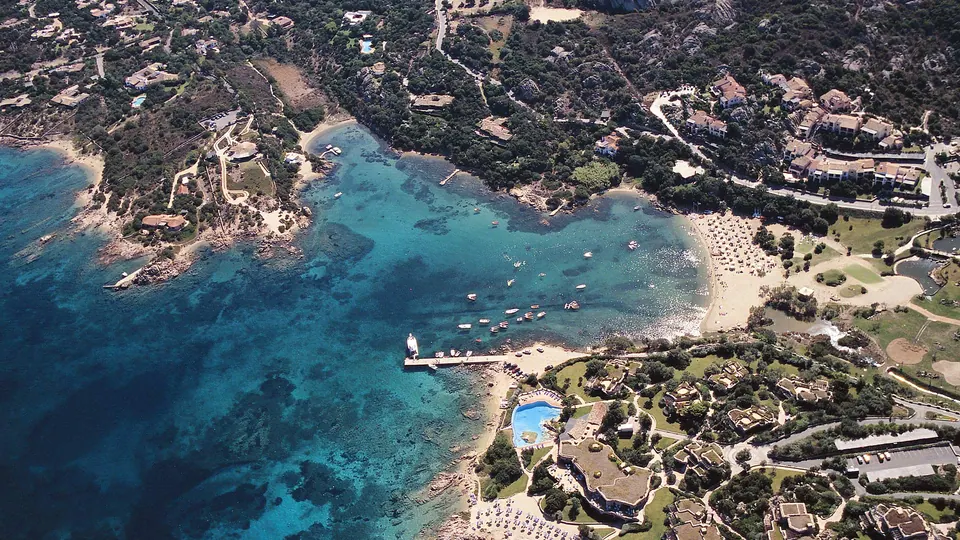 North East
Liscia di Vacca is a beach characterized by white fine sand and washed by a transparent and azure sea.
Read on Sardinia Magazine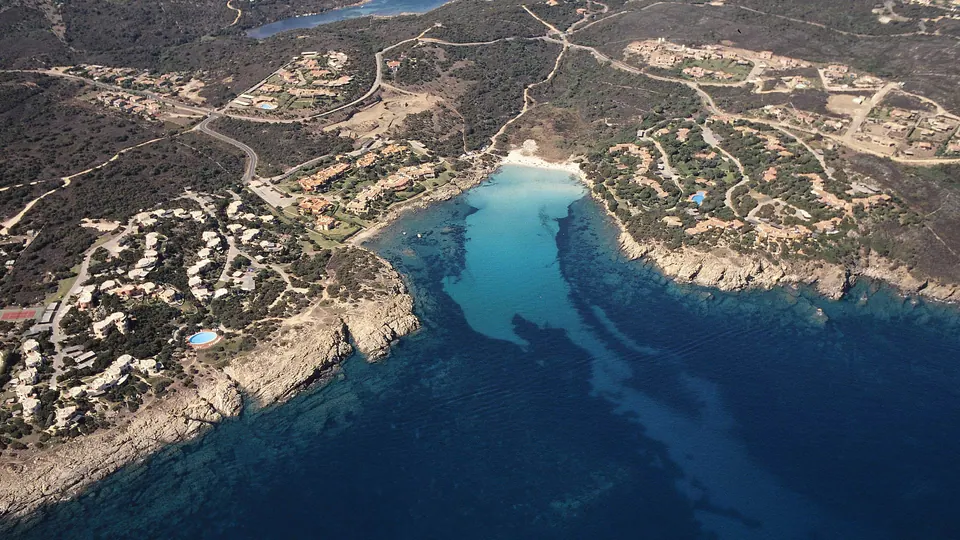 North East
Cala Granu is a small beach characterized by white fine sand.
Read on Sardinia Magazine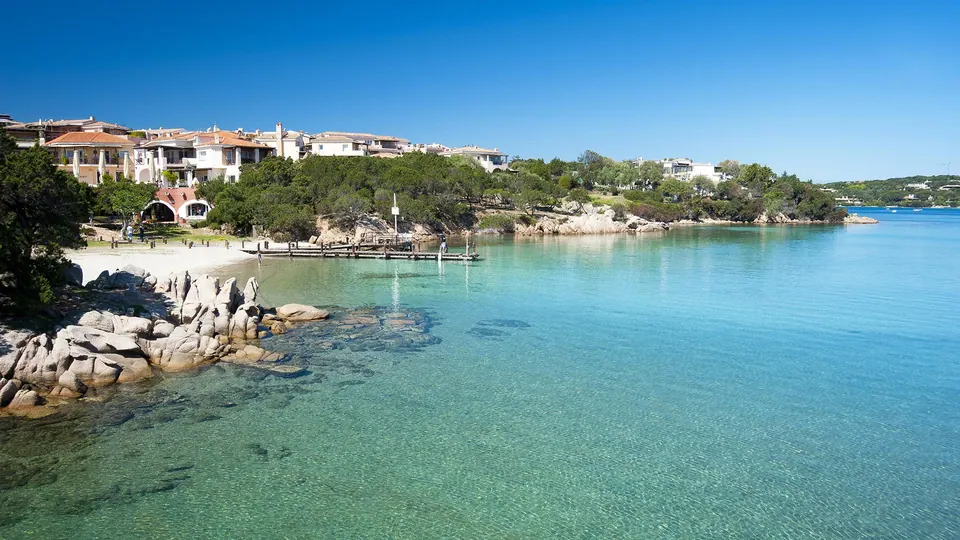 North East
Porto Cervo is the most important and known touristic centre of Costa Smeralda.
Read on Sardinia Magazine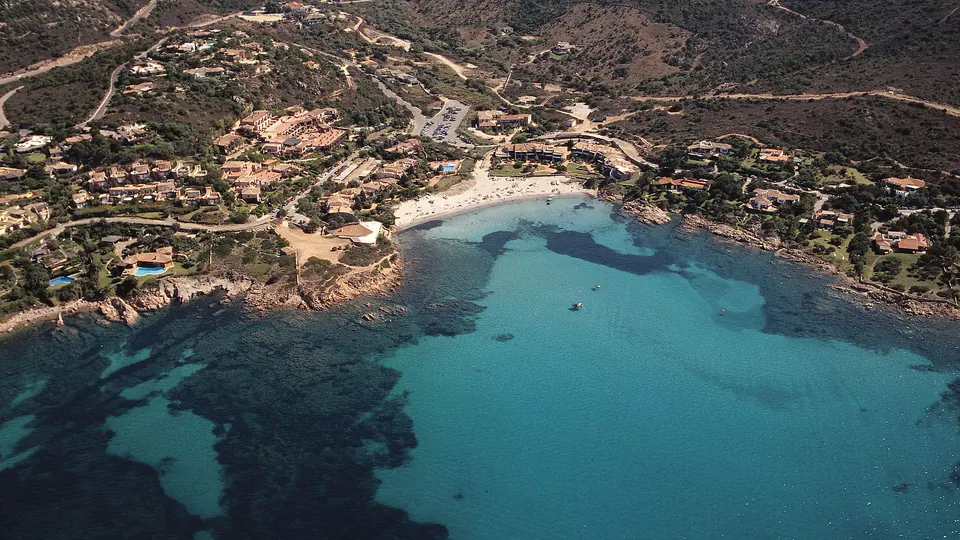 North East
In the Golfo del Pero (Pear's Gulf) there are two beautiful beaches, Piccolo Pevero beach, in the heart of the gulf, and Grande Pevero beach, further south-east, which are separated by a promontory.
Read on Sardinia Magazine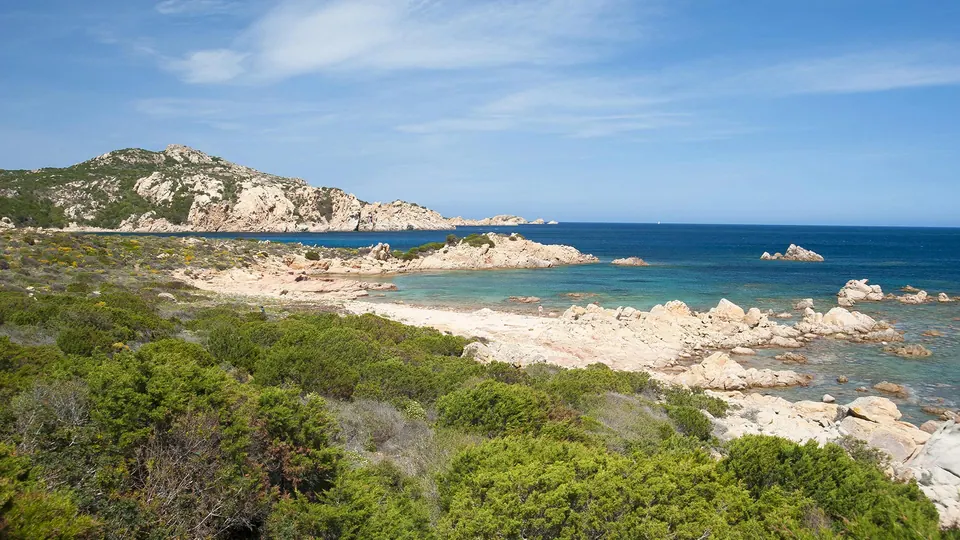 North East
This beach is characterized by white fine sand, is washed by a crystalline sea, it has shallow water and a sandy sea-bottom.
Read on Sardinia Magazine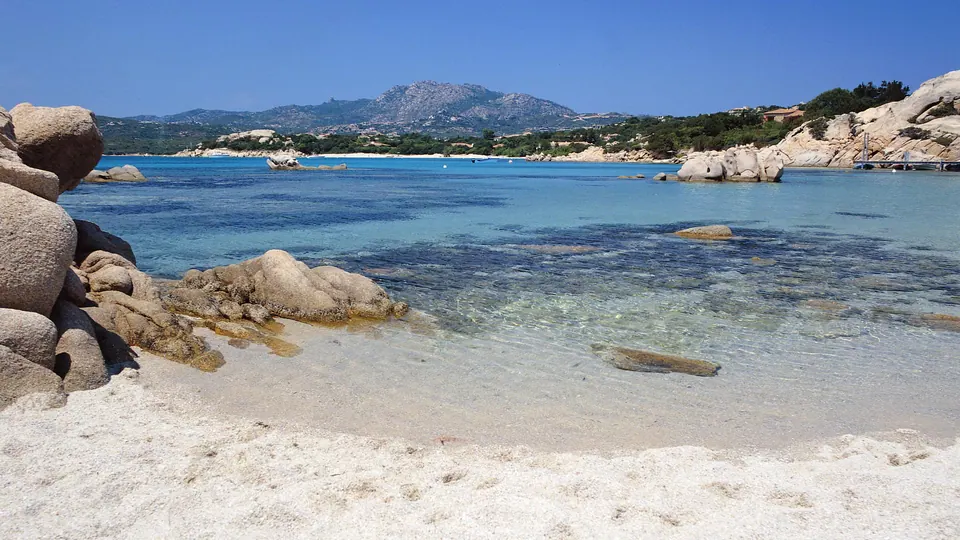 North East
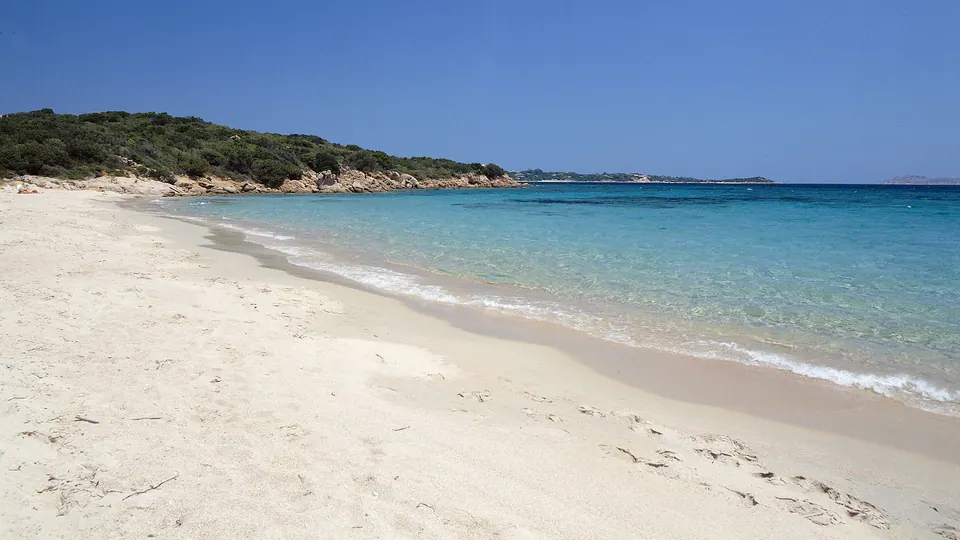
Capriccioli is a small cove characterized by very white fine sand.
Read on Sardinia Magazine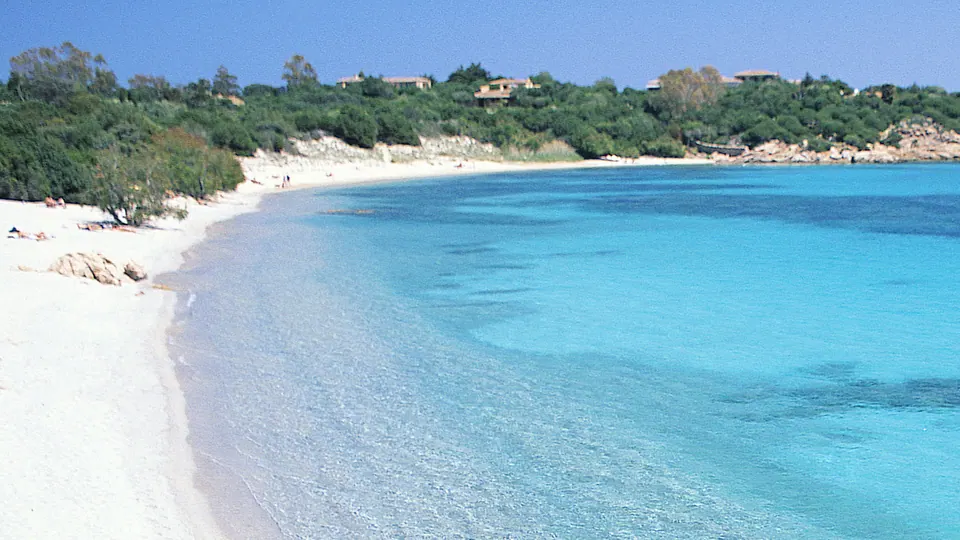 North East
 North East
 North East
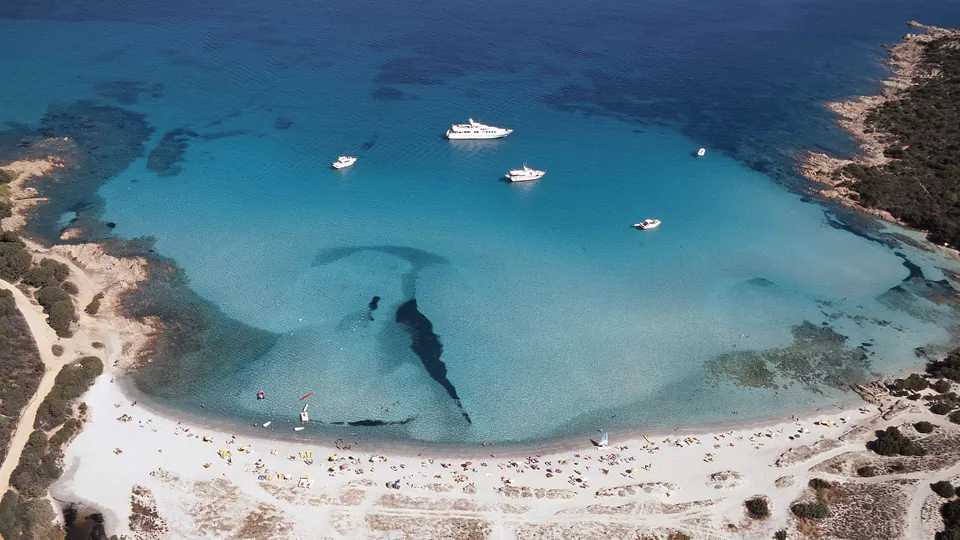
Petra Ruja represents the wilder area on Costa Smeralda.
Read on Sardinia Magazine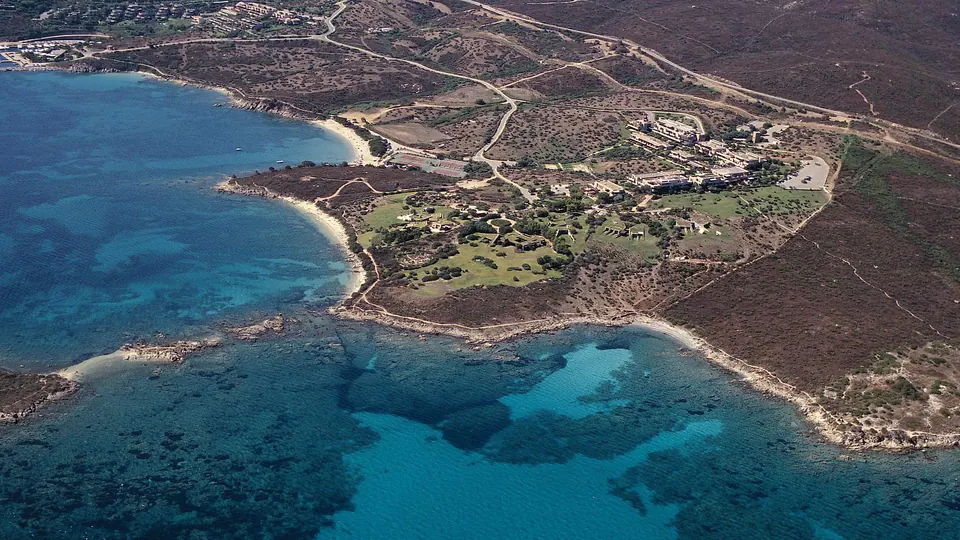 North East
Rena Bianca is a corner of heaven which is the southern edge of Costa Smeralda.
Read on Sardinia Magazine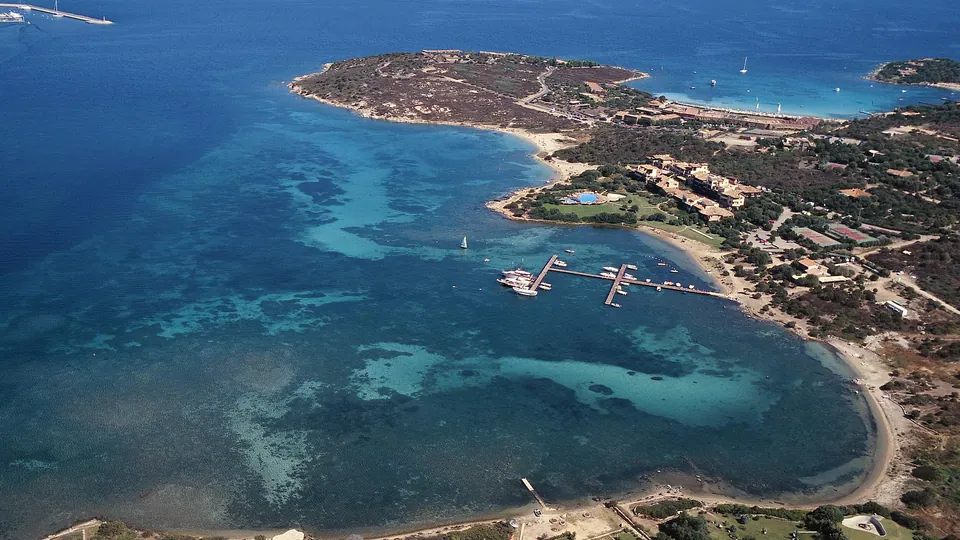 North East
Marina di Caugnana presents a gravelled and rocky shore.
Read on Sardinia Magazine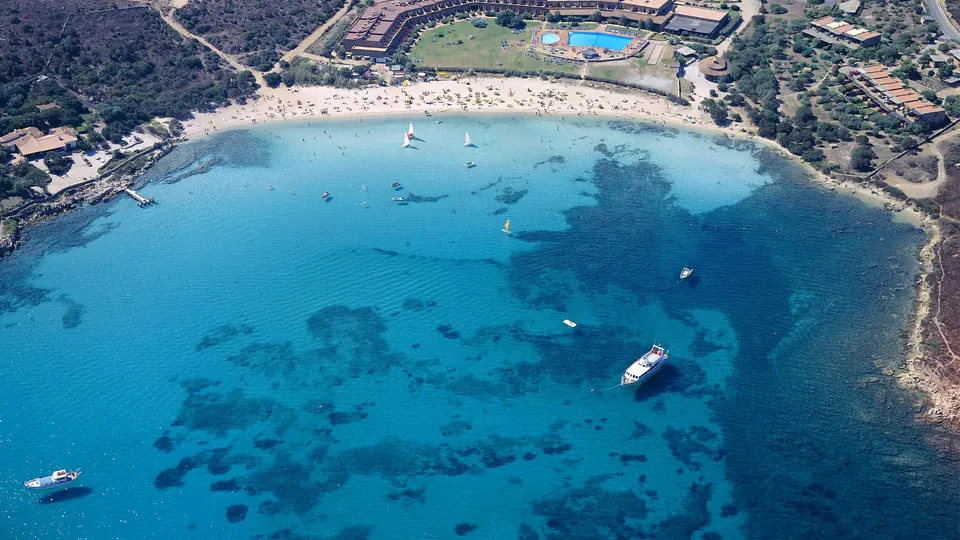 North East
 North East
The two beaches are on the sides of the isthmus which connects Punta di Volpe's small peninsula with Sardinia.
Read on Sardinia Magazine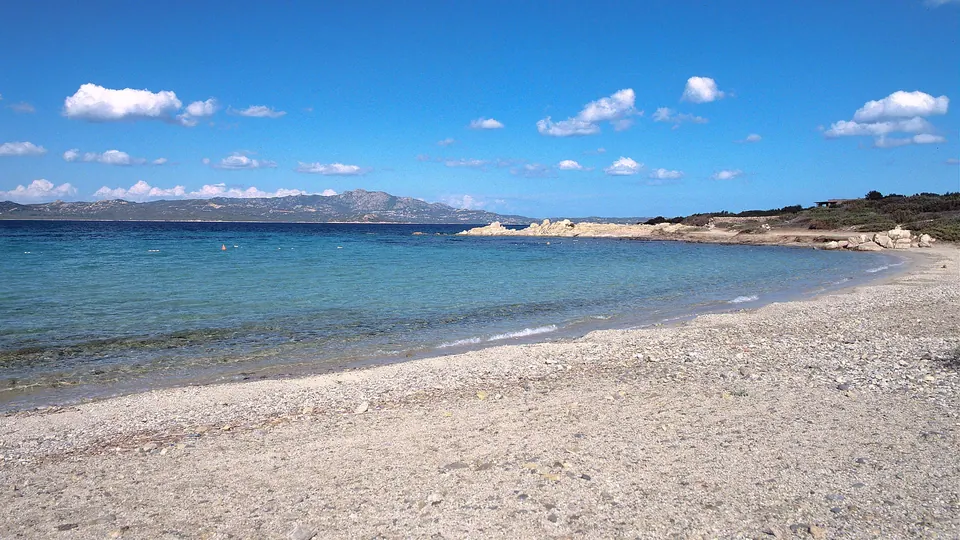 North East
This beach is characterized by golden medium-sized grains of sand.
Read on Sardinia Magazine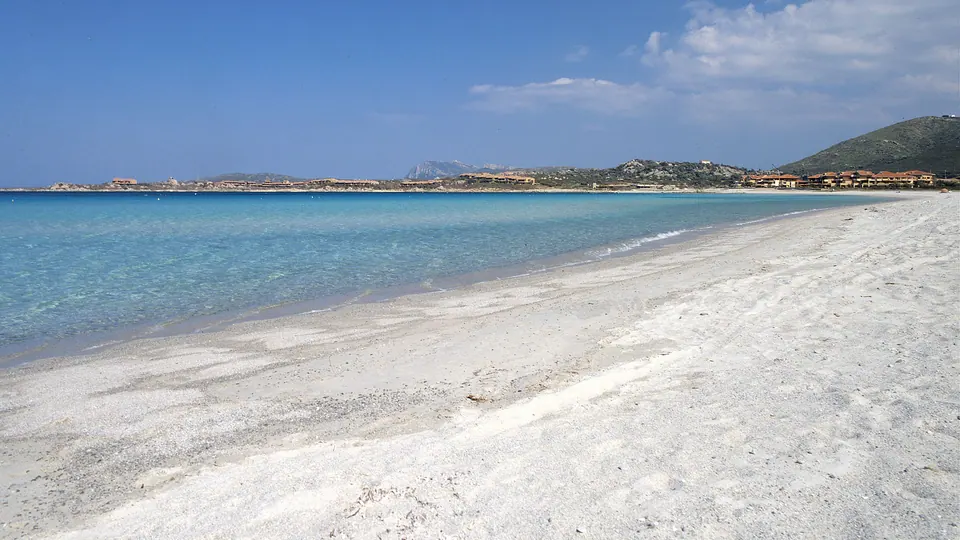 North East
This beach of a km long is characterized by very white fine sand and is washed by a transparent azure sea.
Read on Sardinia Magazine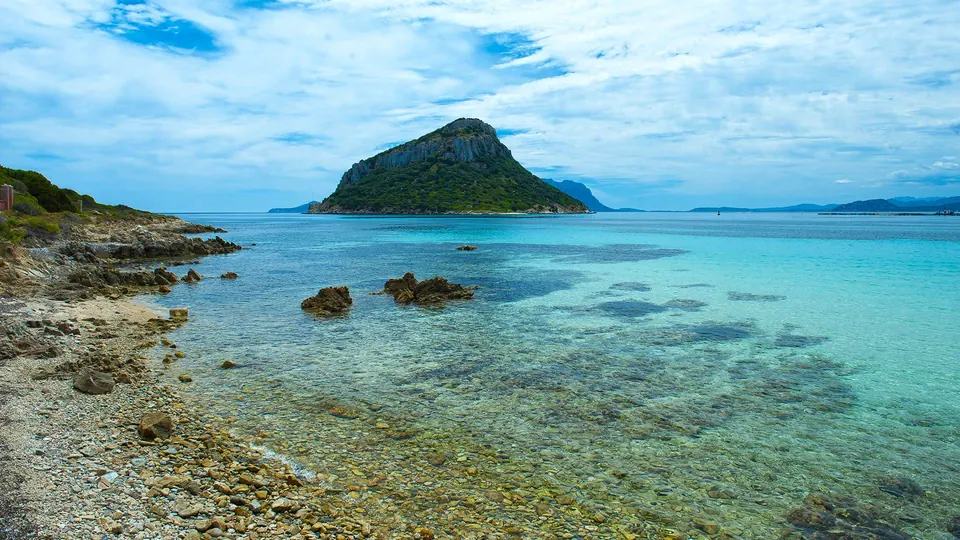 North East
Cala Moresca is a small cove characterized by light fine sand mixed with rocks.
Read on Sardinia Magazine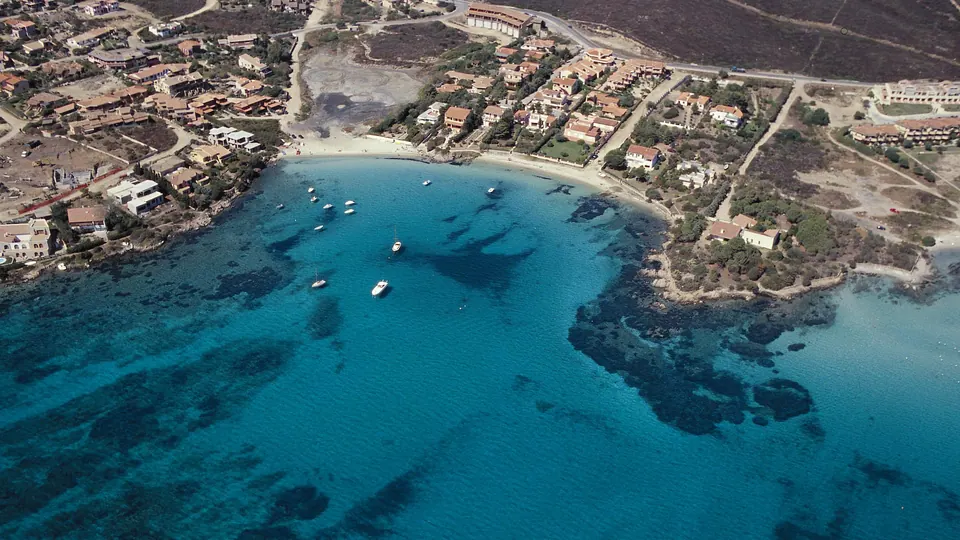 North East
The Five beaches of the Aranci Gulf are very similar.
Read on Sardinia Magazine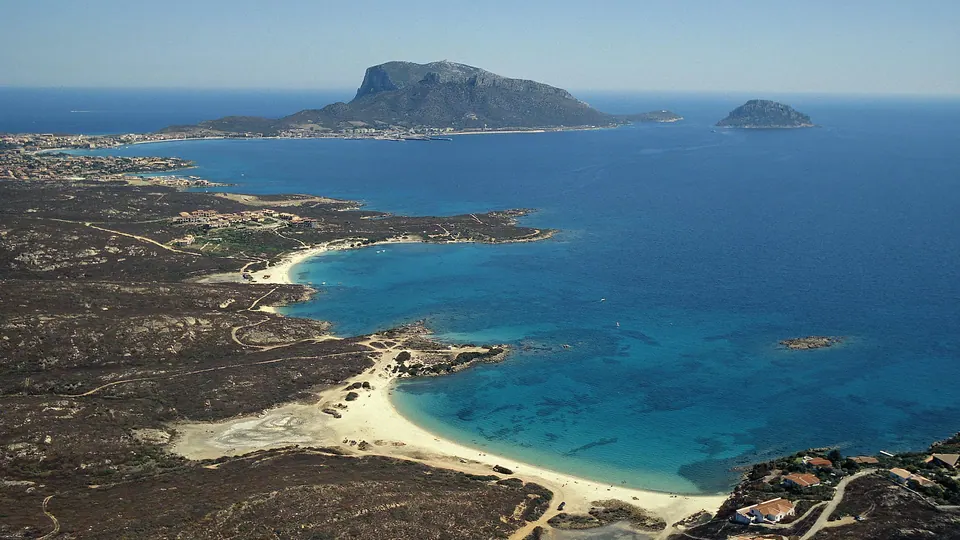 North East
Spiaggia Bianca (White Beach) is a marvellous beach with very white fine sand.
Read on Sardinia Magazine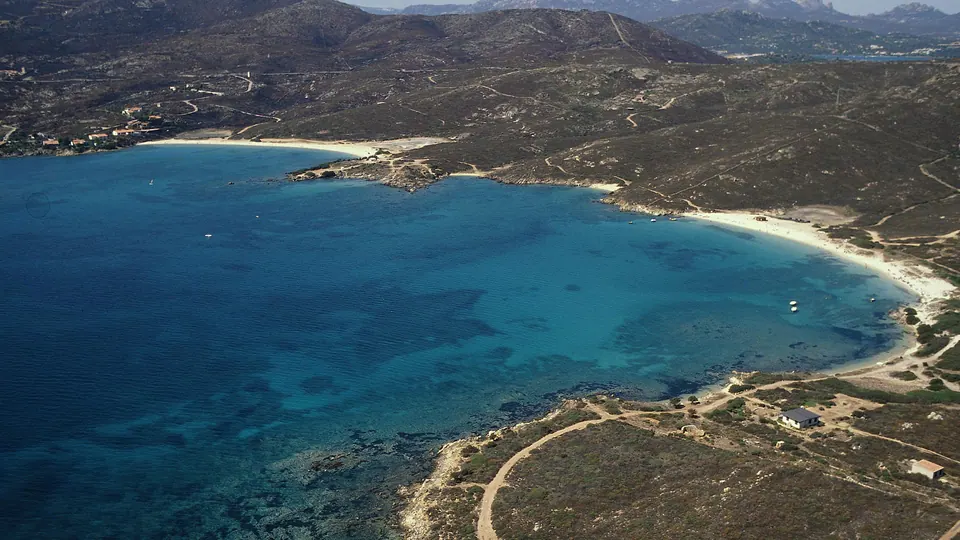 North East
This beach is 300 metres long, characterized by very white fine sand.
Read on Sardinia Magazine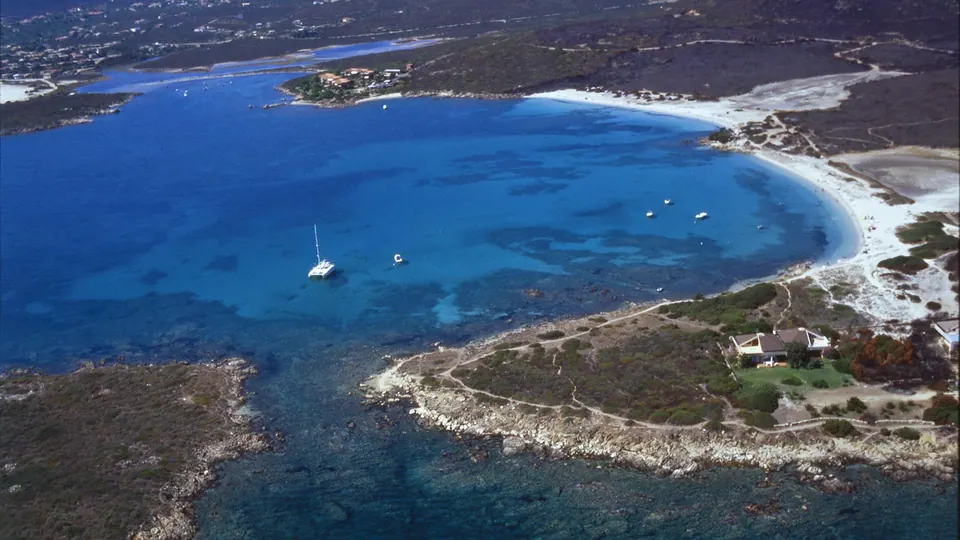 North East
Cala Banana consists in two beaches divided by a rocky promontory which ends with a wharf.
Read on Sardinia Magazine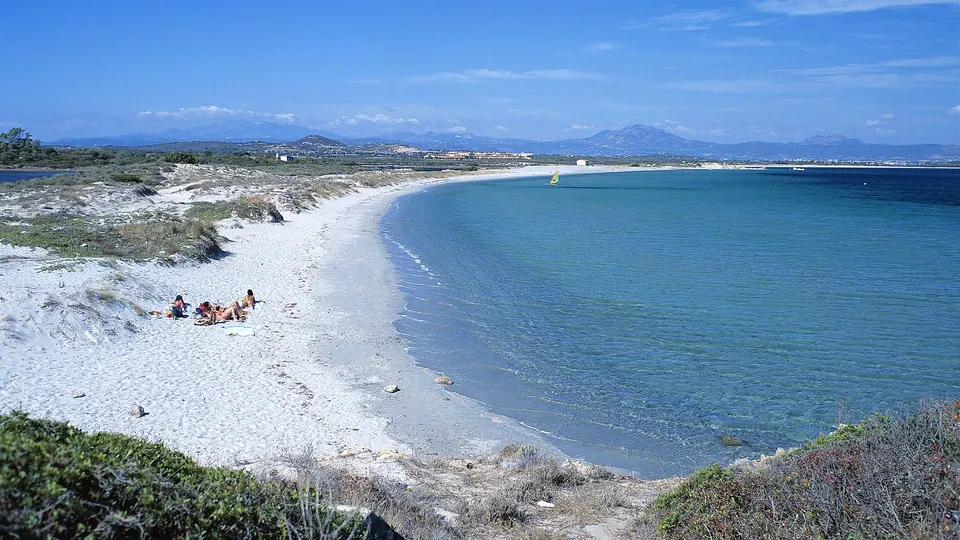 North East
This beach of 300 metres long, is characterized by golden coarse sand.
Read on Sardinia Magazine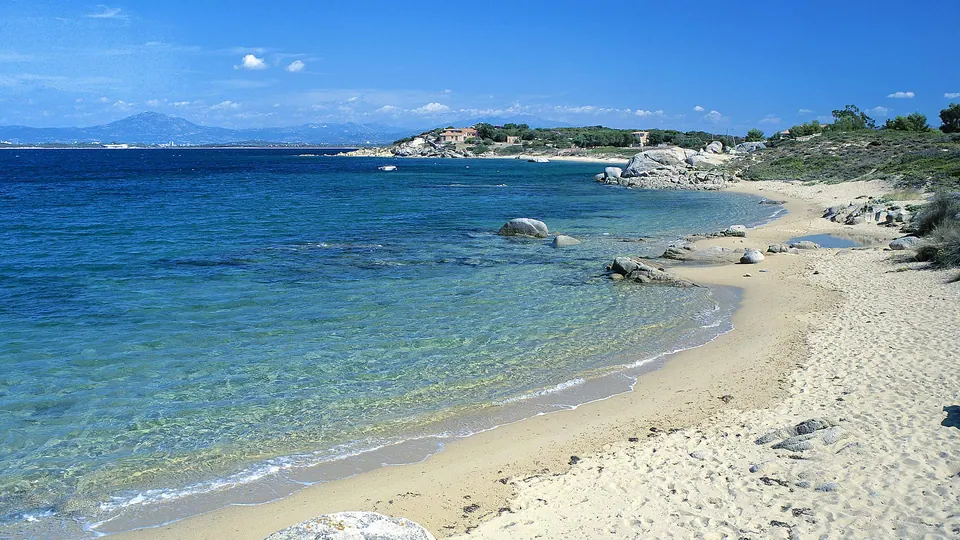 North East
These beaches are characterized by medium-sized white grains of sand.
Read on Sardinia Magazine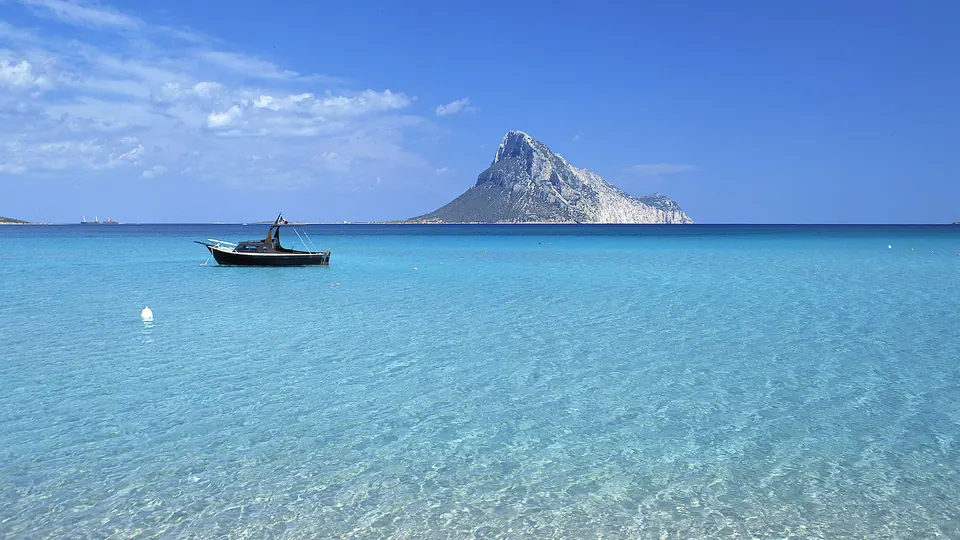 North East
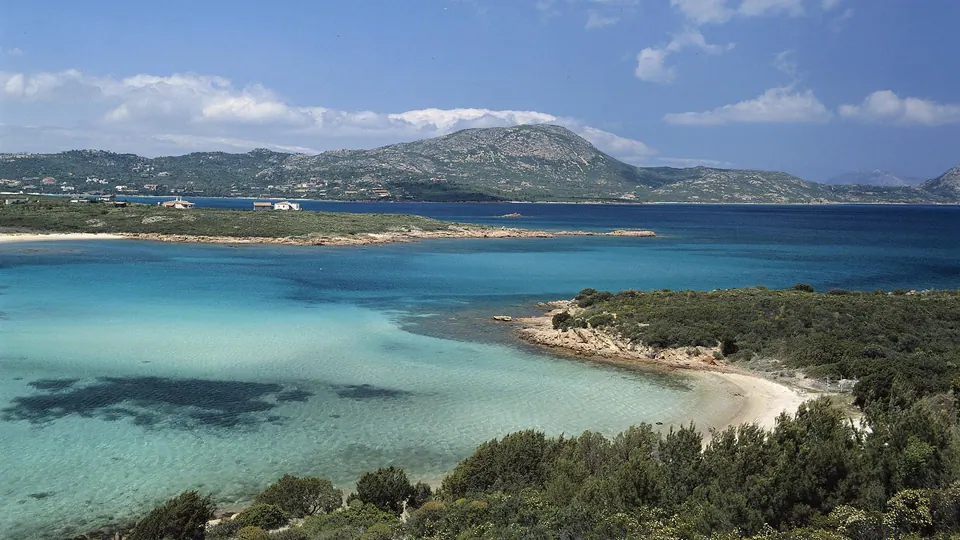 North East
Baia Corallina beach is characterized by white fine sand and is washed by a sea that has hues that range from green to azure.
Read on Sardinia Magazine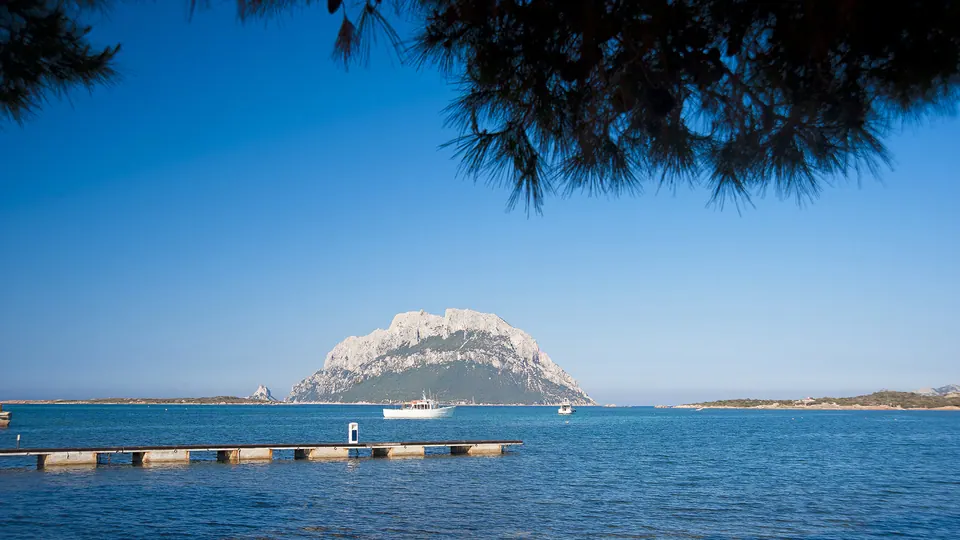 North East
This beach is characterized by golden coarse sand.
Read on Sardinia Magazine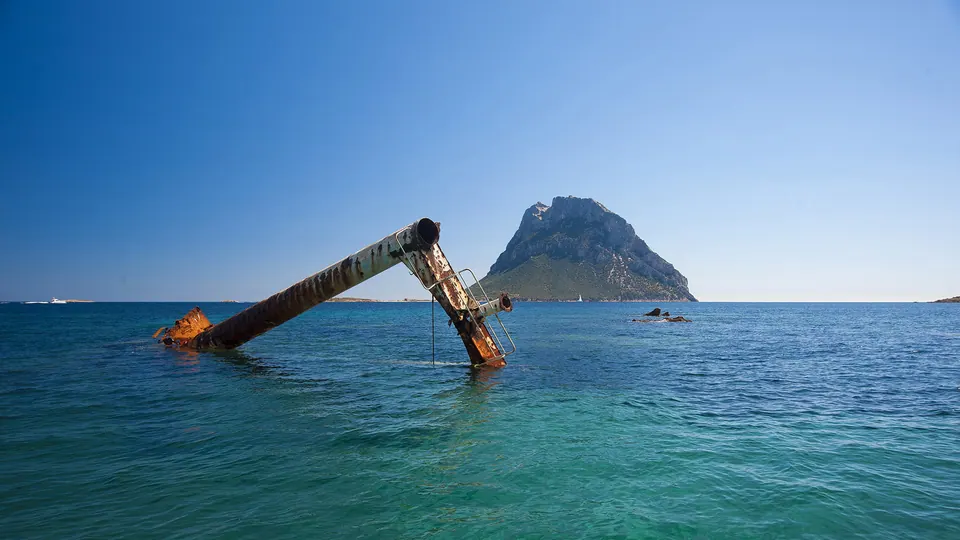 North East
This small beach is characterized by golden coarse sand and granitic rocks spread on the shore.
Read on Sardinia Magazine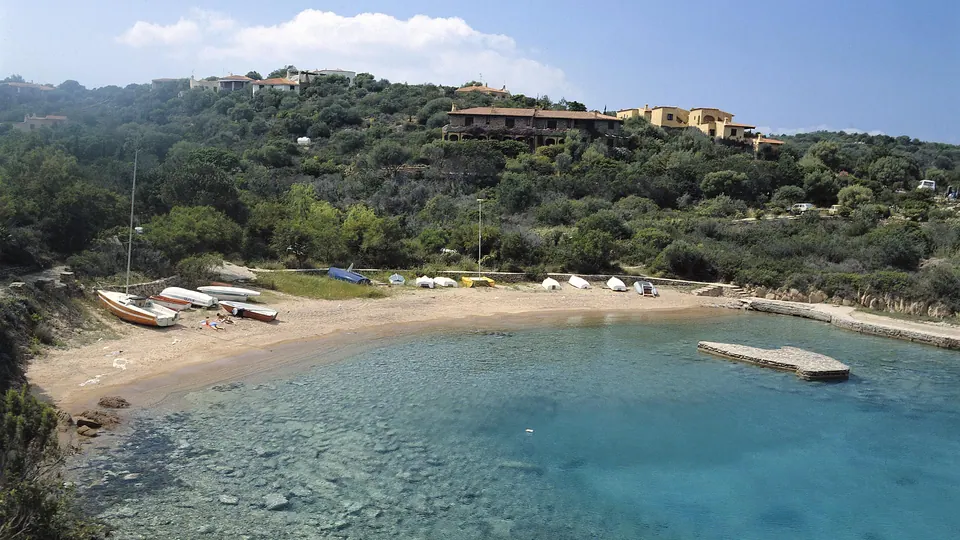 North East
This beach is characterized by golden coarse sand.
Read on Sardinia Magazine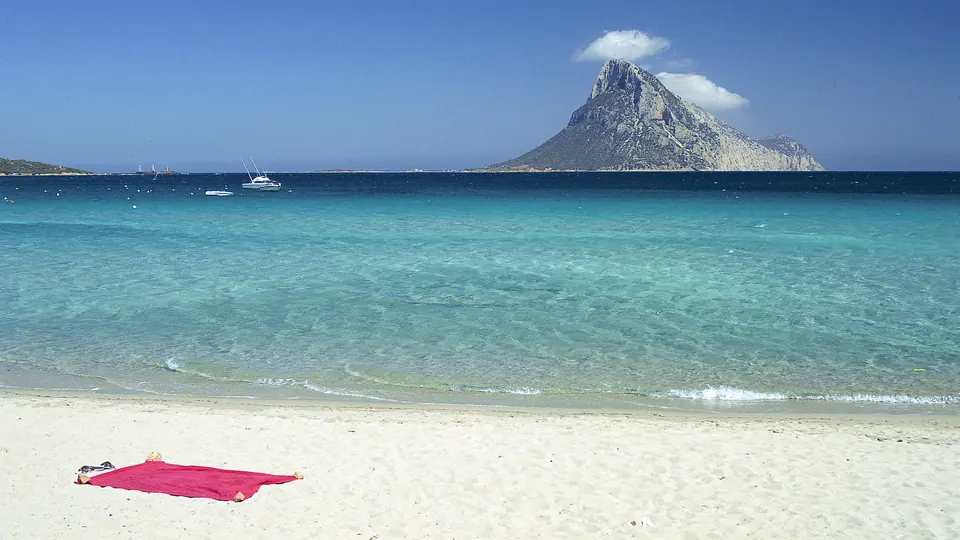 North East
Porto Taverna beach is characterized by white fine sand.
Read on Sardinia Magazine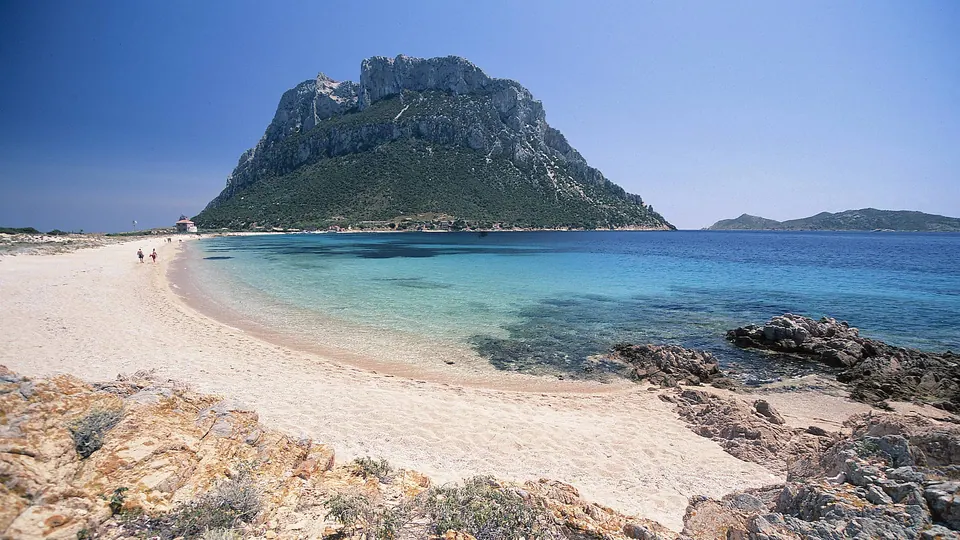 North East
Tavolara Island is the biggest island among the Molara, Piana and Cavalli islands and other minor Islands in front of the northeast coast of Sardinia, which stretches from Capo Ceraso, north, out to Capo…
Read on Sardinia Magazine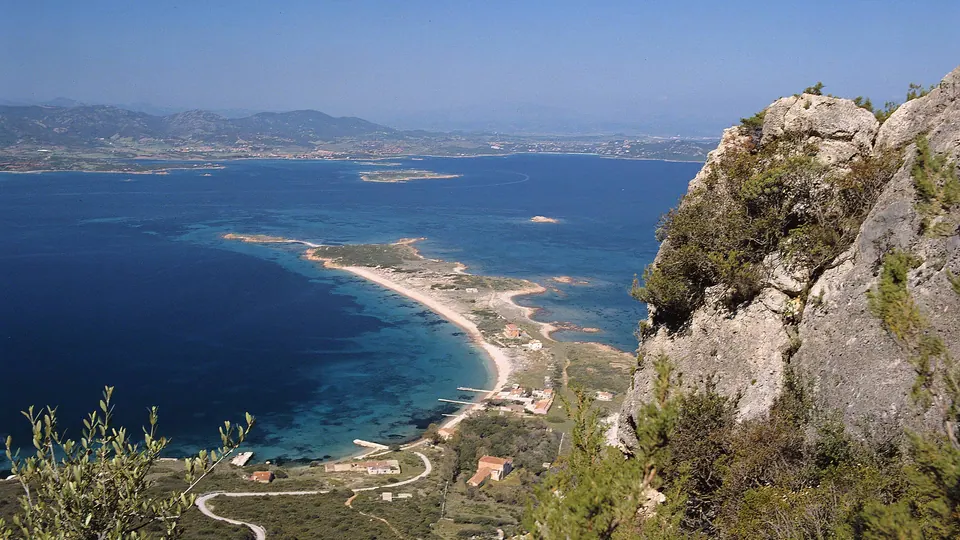 North East
This is small beach is a true corner of heaven.
Read on Sardinia Magazine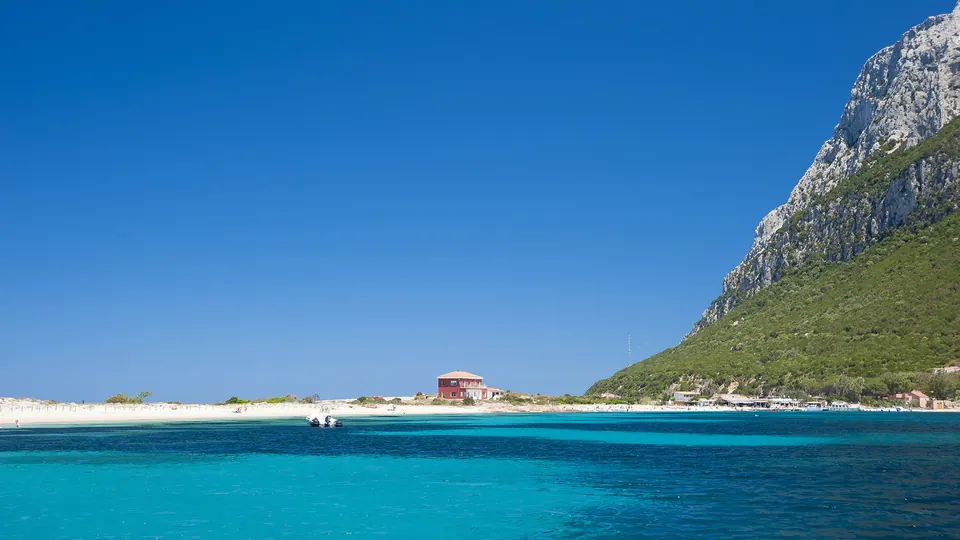 North East
Spiaggia dello Spalmatore (Spalmatore beach) runs along the only levelled stretch of Tavolara Island which stretches out to the sea towards Sardinia and reaches its highest point with Il Passetto island.
Read on Sardinia Magazine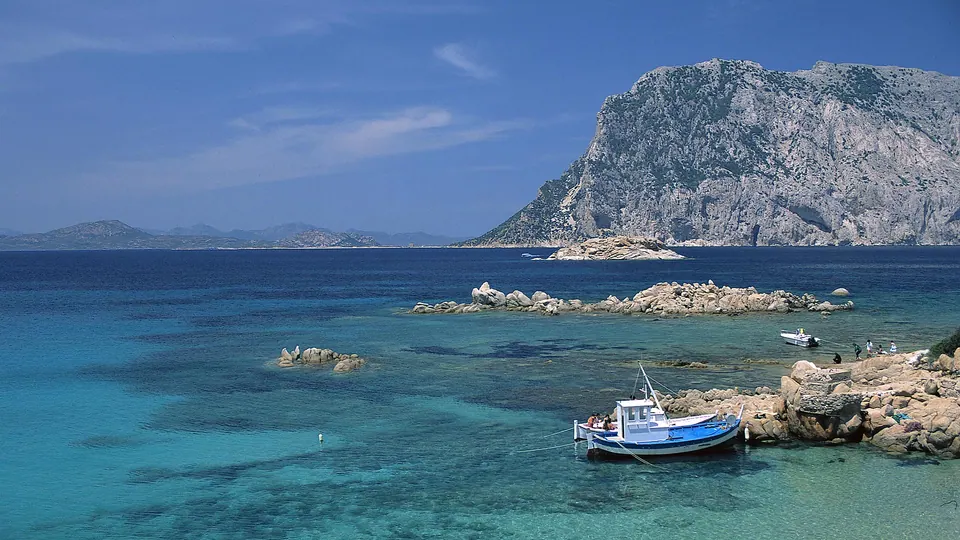 North East
Molara Island is further south than Tavolara Island.
Read on Sardinia Magazine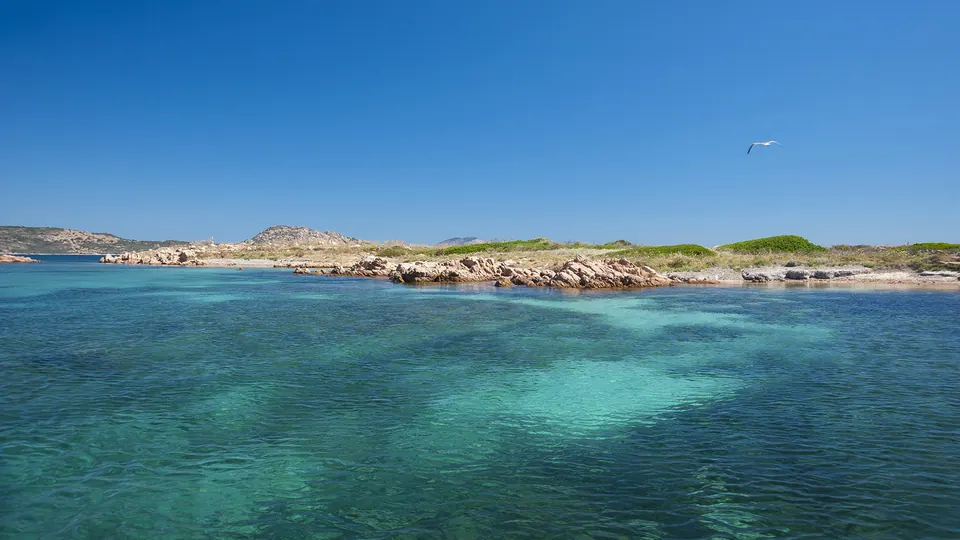 North East
Cavalli island, near Porto San Paolo's port, is a small island covered with a low Mediterranean maquis.
Read on Sardinia Magazine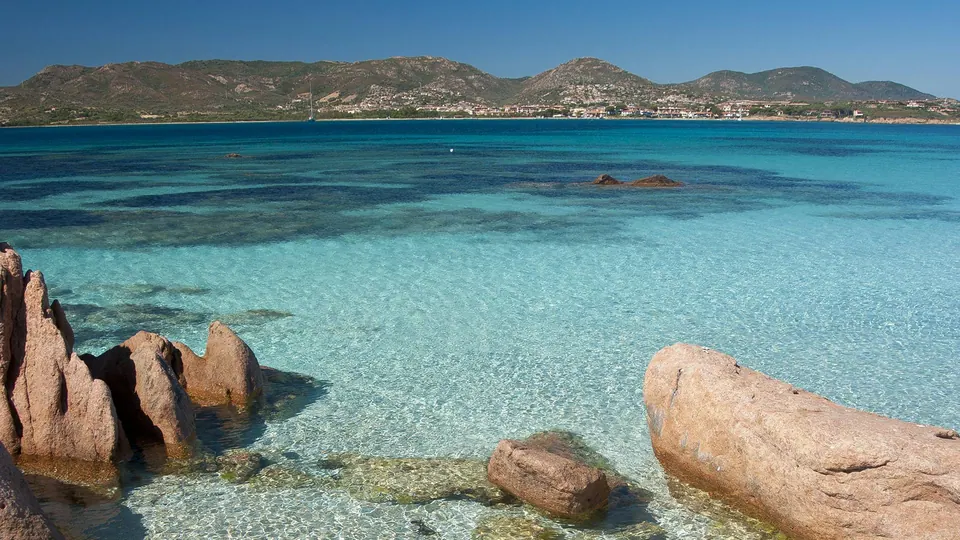 North East
Piana Island is between Cavalli Island and Tavolara Island.
Read on Sardinia Magazine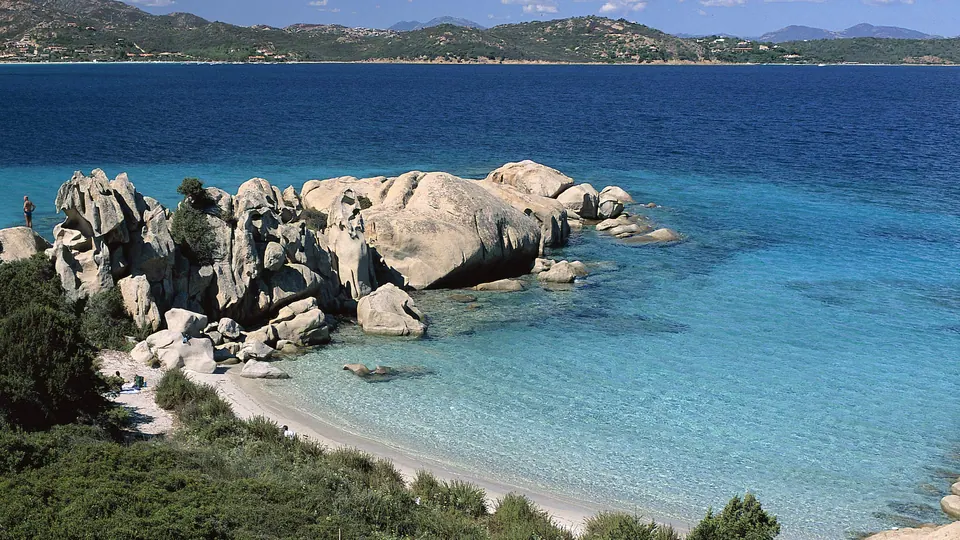 North East
Cala Girgolu is also called Spiaggia della Tartaruga (Turtle beach) because of a turtle shaped rock which unfortunately was damaged many times by uncivilized people.
Read on Sardinia Magazine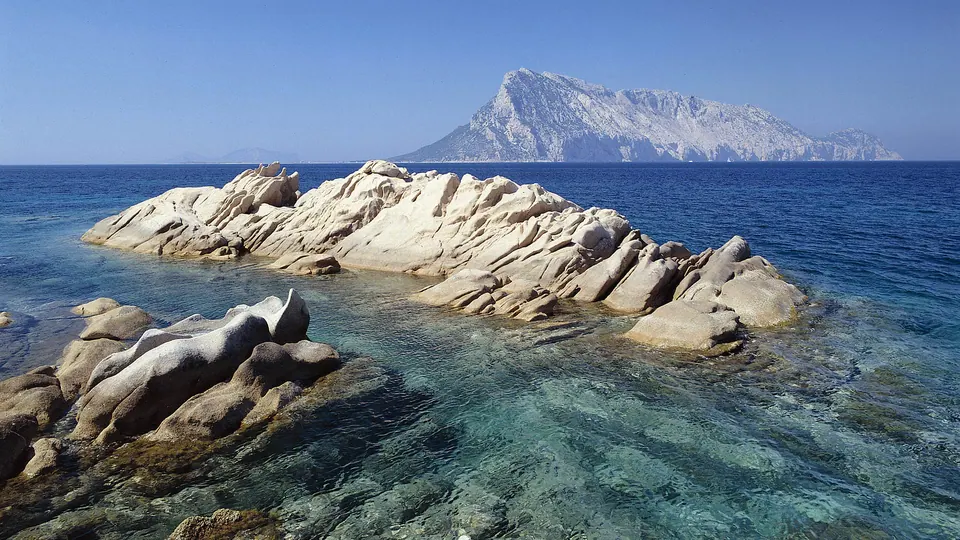 North East
 North East
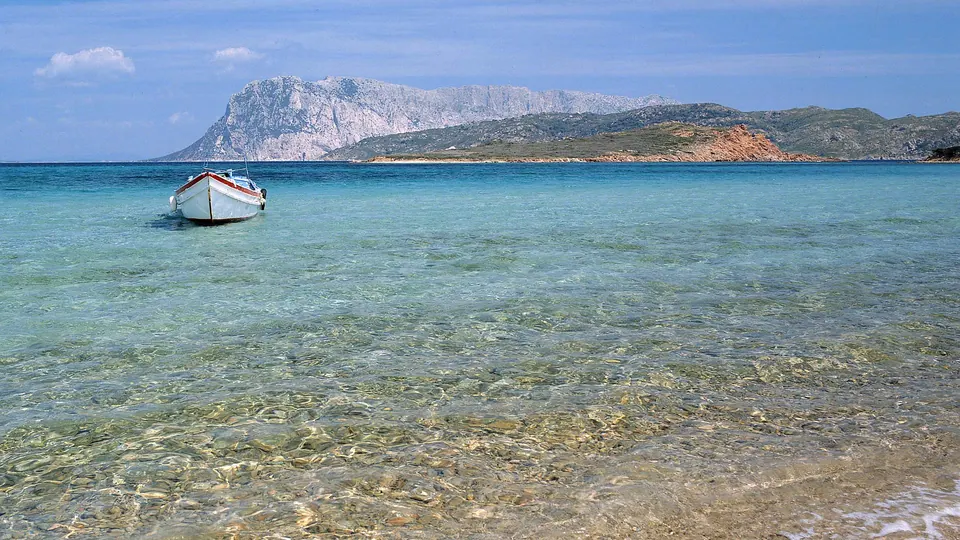
Cala Ginepro is a small cove with golden sand and pebbles, surrounded by vegetation and washed by a limpid sea.
Read on Sardinia Magazine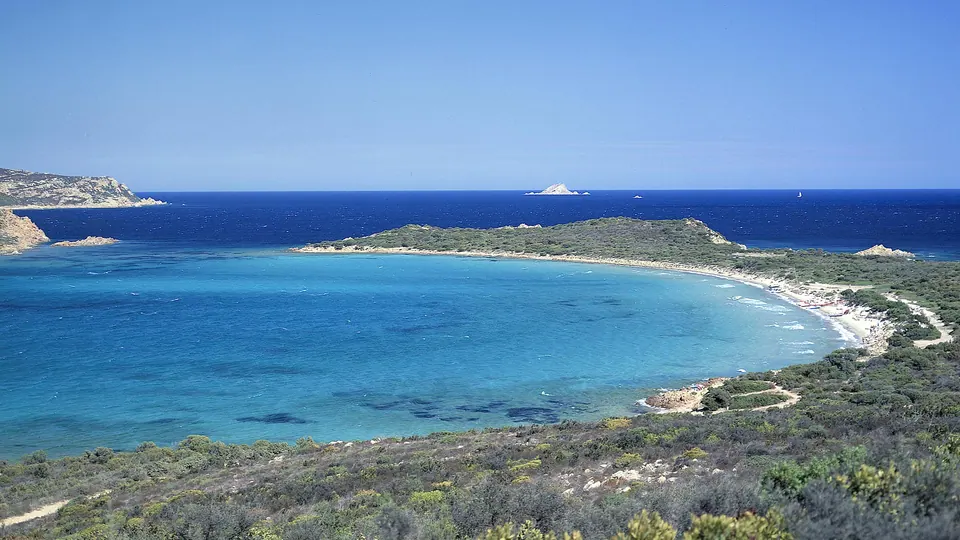 North East
Capo Coda Cavallo beach is characterized by white fine sand, is washed by a crystalline and azure sea, the water is shallow and the sea-bottom is sandy, perfect for families with children.
Read on Sardinia Magazine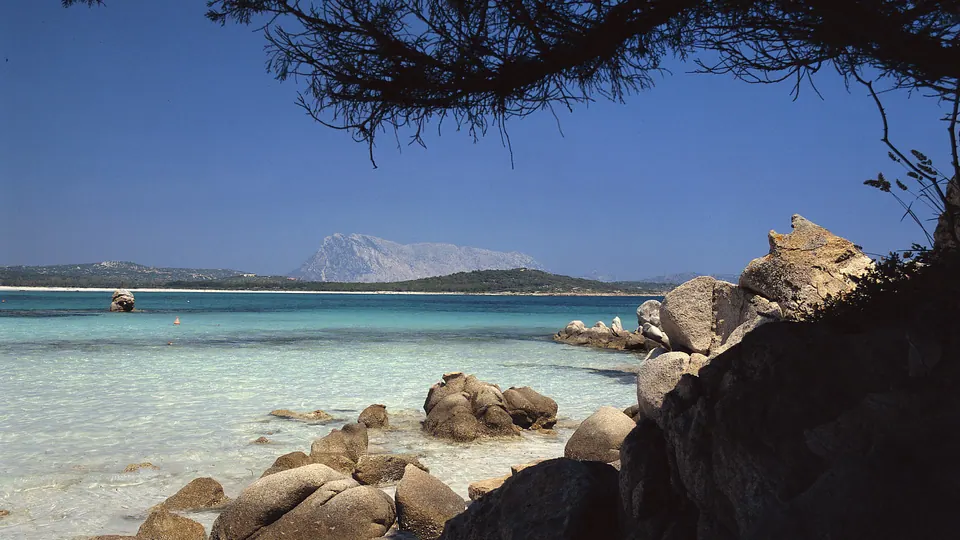 North East
This beach is characterized by white fine sand and rising rocks.
Read on Sardinia Magazine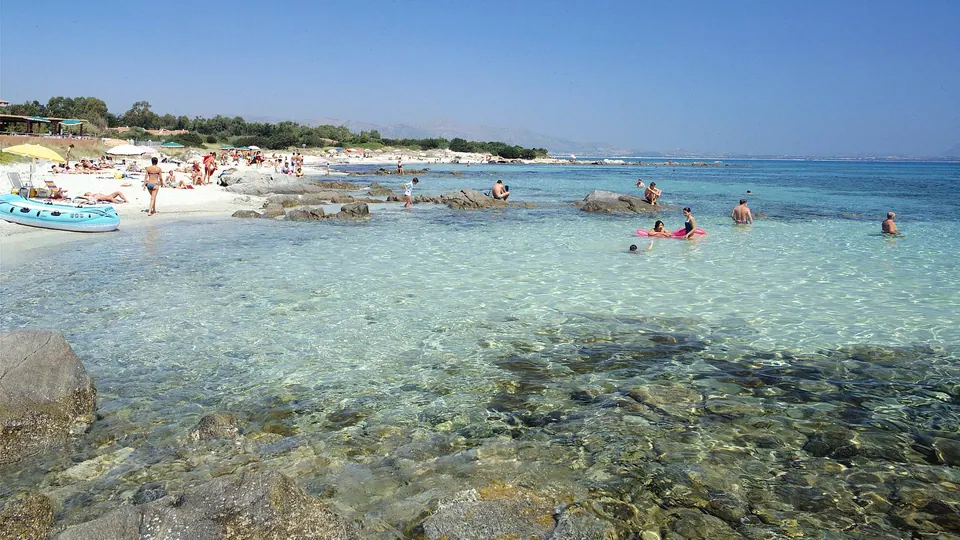 North East
Cala D'Ambra is on the south-eastern edge of San Teodoro and it stretches out for 600 metres south to Lu Finocciu.
Read on Sardinia Magazine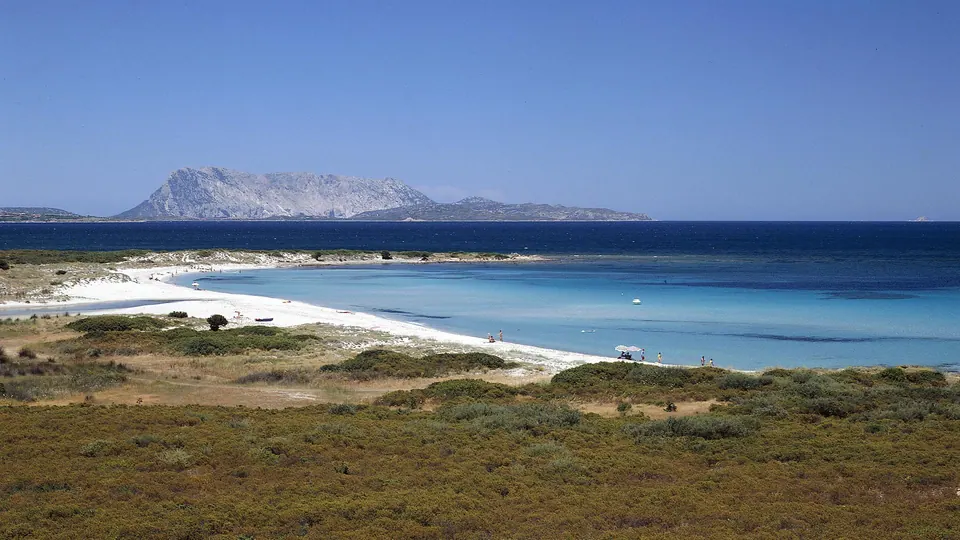 North East
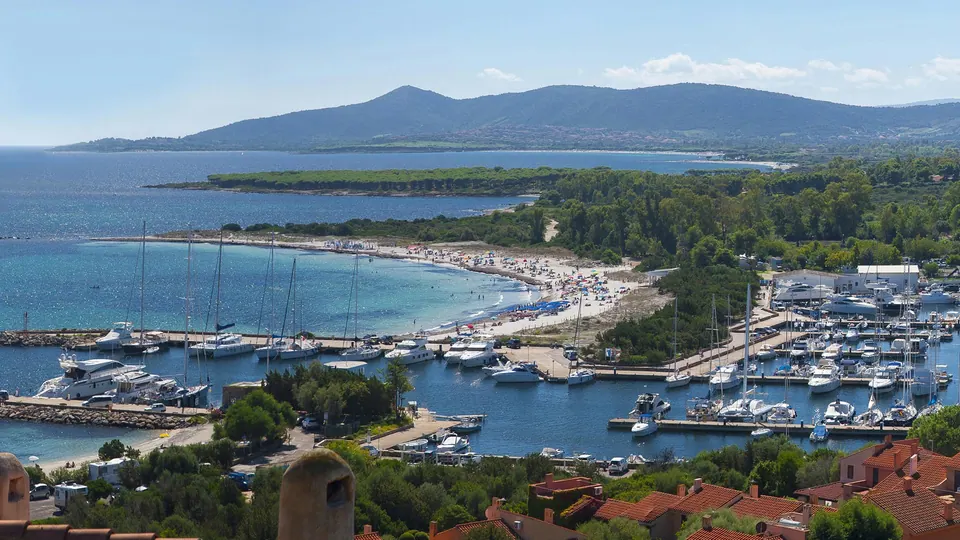 North East
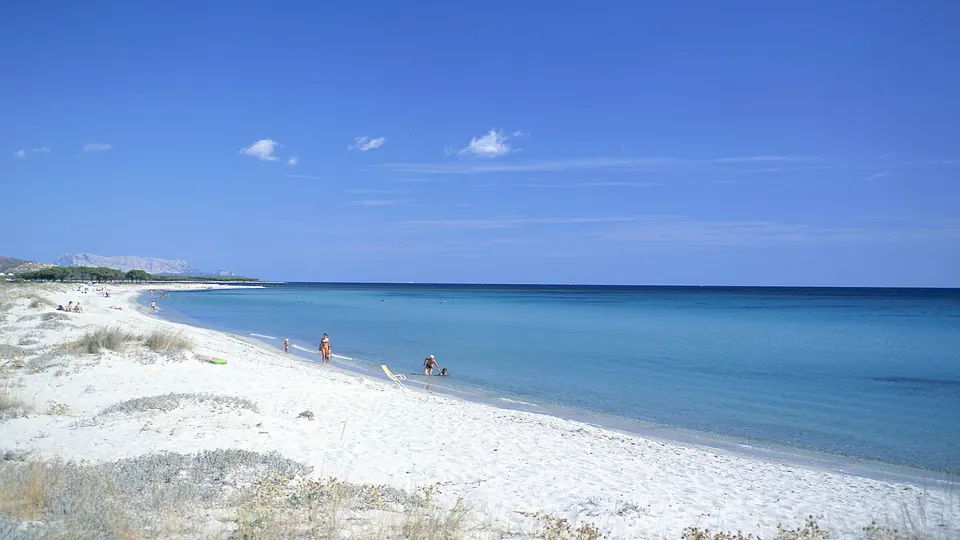 North East
This beach is 4 km long and develops from Punta Li Cucutti, north, near Agrustos locality, to Punta Porto Ainu, changing its name depending on the locality.
Read on Sardinia Magazine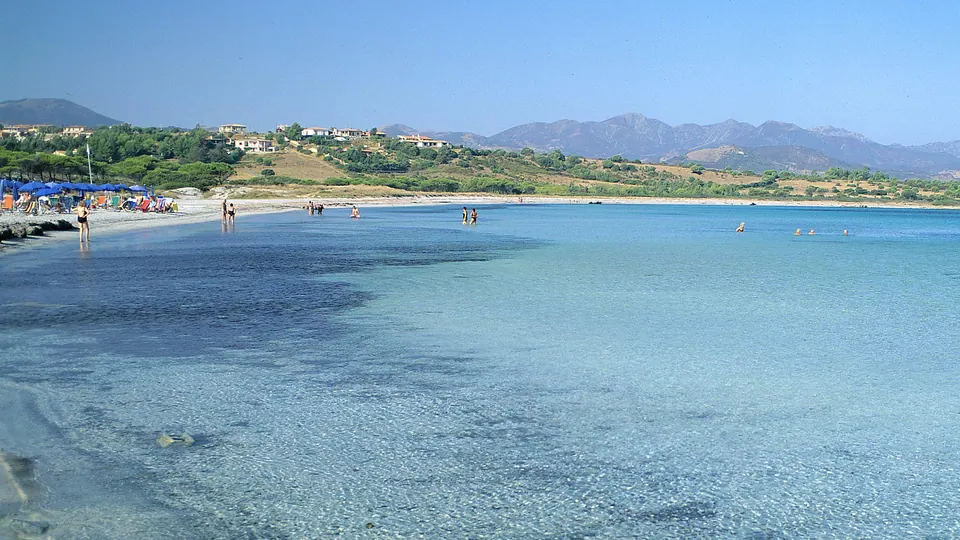 North East
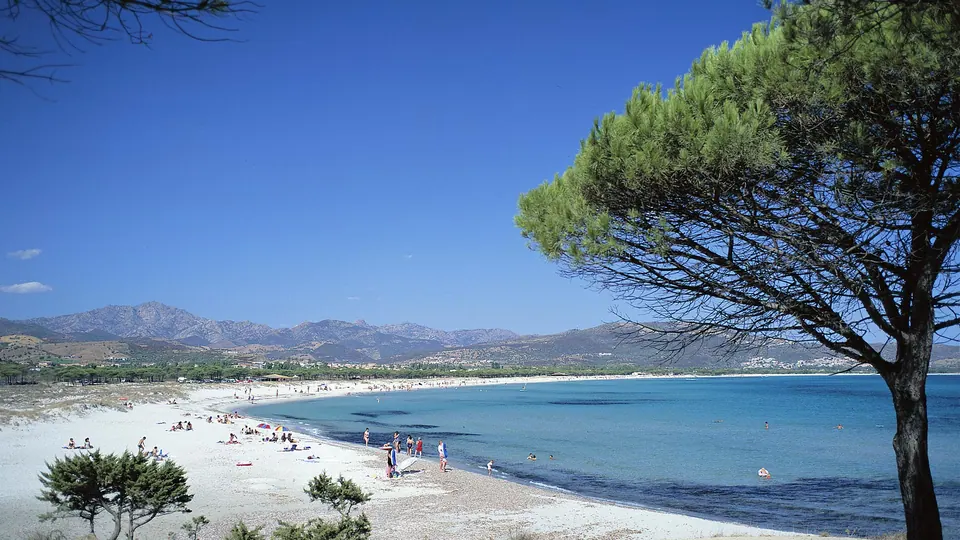 North East
No places match these filters. Try a shorter name or choose another area.
Alghero, Stintino and the Gulf of Asinara ↗
Gallura, La Maddalena and San Teodoro ↗
Oristano, Sinis and Montiferru ↗
The Gulf of Orosei and Ogliastra ↗
Costa Verde, Sulcis, Chia and Pula ↗
Cagliari, Villasimius and Costa Rei ↗
This catalogue draws on Sardinia Magazine’s beach archive. Browse Sardinia Magazine, also available online.
Discover and browse Sardinia Magazine